770-664-1999


Invisalign is a game-changing orthodontic treatment for individuals seeking discreet, effective ways to straighten their teeth. But beyond improving your smile, can Invisalign address issues like jaw misalignment? Jaw alignment problems not only affect your appearance but can also cause issues such as discomfort, headaches, and difficulty chewing.
Let’s explore whether Invisalign can help realign your jaw and how it compares to other treatments.
What Is Jaw Misalignment?
Jaw misalignment, also known as malocclusion, occurs when your upper and lower teeth fail to align properly when you close your mouth. This can result in an uneven bite, which can affect your oral health and quality of life.
Common Types of Jaw Misalignment:
- Overbite: The upper front teeth overlap excessively over the lower front teeth.
- Underbite: The lower teeth extend outward, sitting in front of the upper teeth.
- Crossbite: Some of the upper teeth sit inside the lower teeth instead of outside.
- Open Bite: The upper and lower teeth do not touch when the mouth is closed, leaving a gap.
These conditions can cause symptoms such as jaw pain, tooth wear, and even speech difficulties.
How Does Invisalign Work?
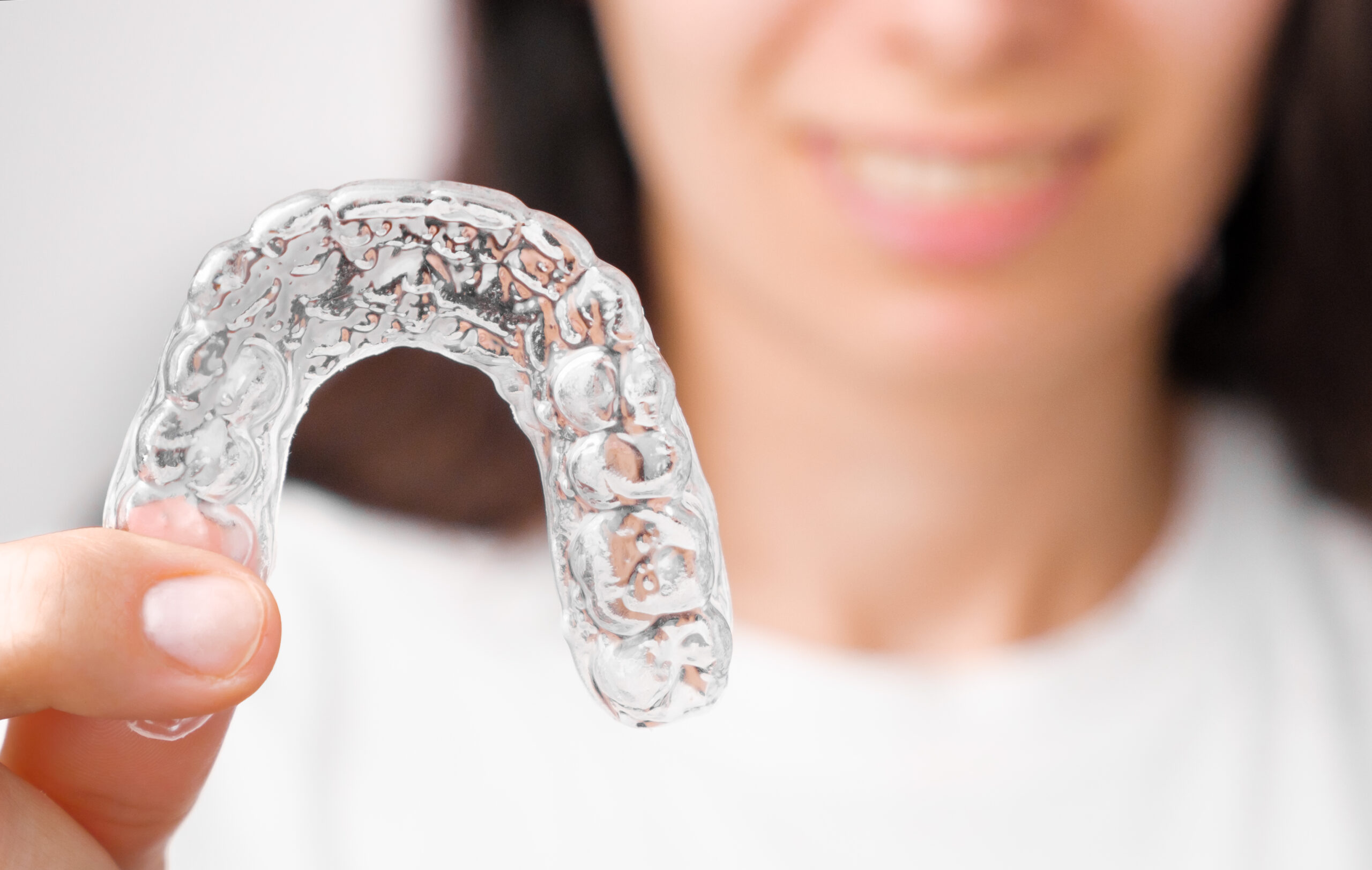
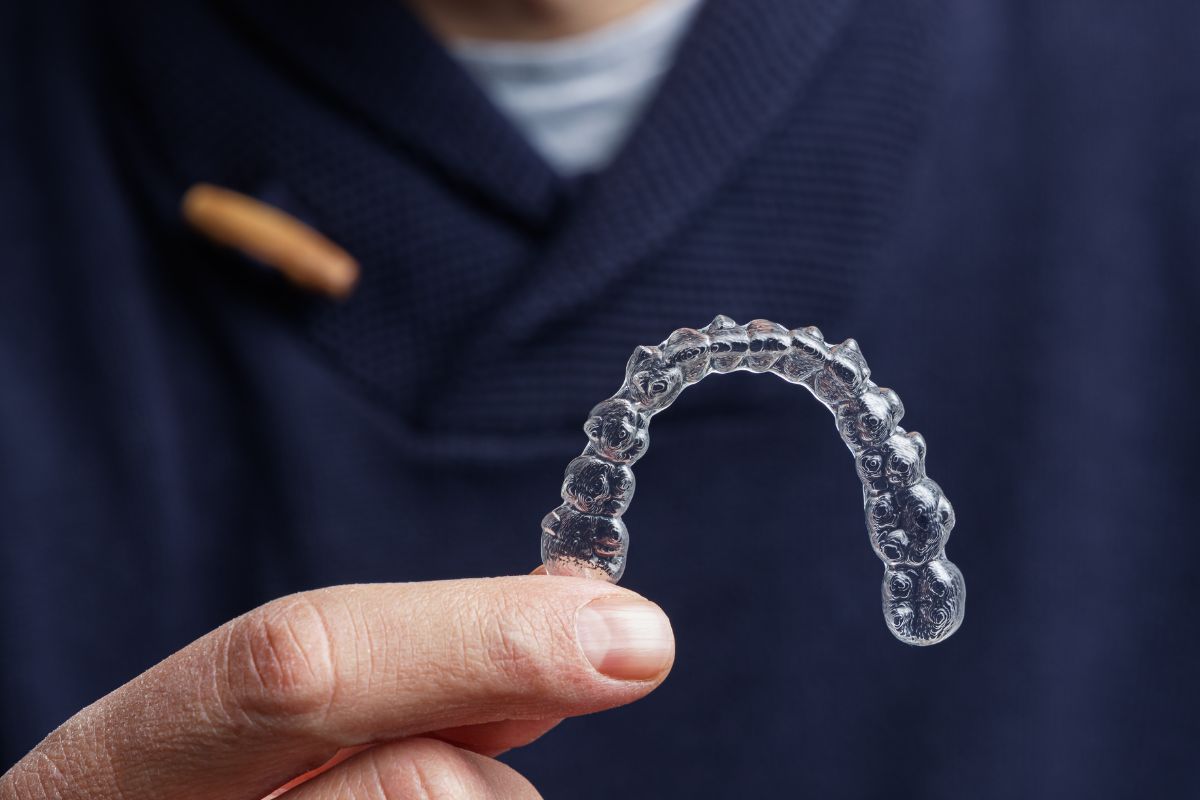
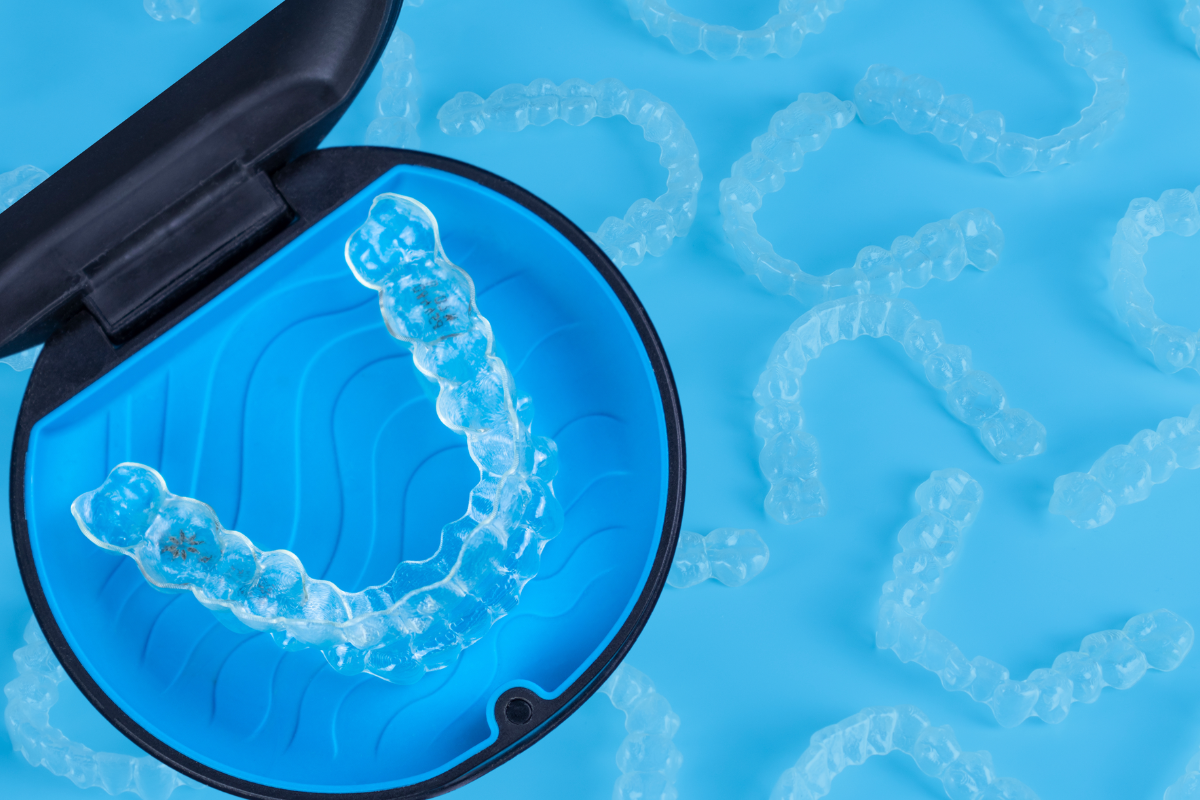
Invisalign is a modern orthodontic treatment that uses clear, removable aligners to gently shift teeth into their desired positions. These aligners are custom-made based on a 3D scan of your teeth and are replaced every one to two weeks to continue progress.
Benefits of Invisalign:
- Discreet Appearance: Virtually invisible aligners.
- Comfort: Smooth, plastic aligners are more comfortable than traditional braces.
- Removability: Aligners can be removed for eating, brushing, and flossing.
- Customized Treatment: Invisalign is tailored to each patient’s unique needs.
But does this innovative technology extend to realigning the jaw?
Can Invisalign Correct Jaw Misalignment?
The short answer is: it depends on the severity of your jaw misalignment. Invisalign can address certain types of jaw alignment issues, particularly those caused by teeth positioning. However, it may not be suitable for more complex cases involving skeletal jaw problems.
When Invisalign Can Help:
Invisalign is effective in treating mild to moderate jaw misalignments by repositioning the teeth to improve the bite. For example:
- Overbites and Underbites: Invisalign aligners can gradually adjust the position of teeth to create a more even bite.
- Crossbites: By shifting teeth to their correct positions, Invisalign can reduce the stress caused by an uneven bite.
- Open Bites: Invisalign aligners can close gaps between teeth by guiding them into better alignment.
When Invisalign May Not Be Enough:
In cases where the misalignment is due to the structure of the jawbone itself, Invisalign alone may not suffice. Severe underbites or overbites, for example, might require additional orthodontic devices or even surgery.
How Invisalign Realigns the Jaw
Invisalign’s ability to realign the jaw stems from its focus on repositioning teeth, which can indirectly impact jaw alignment.
The Process:
- Initial Consultation: Your orthodontist will assess your bite and jaw alignment to determine if Invisalign is suitable for your case.
- Custom Treatment Plan: A series of aligners is designed to shift your teeth into alignment over time.
- Gradual Jaw Adjustment: As the teeth move into their ideal positions, the jaw can follow suit, resulting in better alignment.
It’s important to note that your orthodontist may recommend combining Invisalign with additional treatments, such as elastics, to address more complex issues.
The Role of Orthodontics in Jaw Realignment
Orthodontic treatment often involves more than just straightening teeth. Correcting jaw alignment requires an understanding of how teeth, jaw muscles, and joints work together.
Comparing Invisalign to Traditional Braces:
- Invisalign: Best for mild to moderate misalignments and offers convenience and aesthetics.
- Traditional Braces: More effective for severe jaw misalignments due to their ability to apply stronger and more precise forces.
Invisalign is a fantastic option for many patients, but your orthodontist will determine whether it’s the right choice for your specific needs.
How Long Does It Take for Invisalign to Realign Your Jaw?
The timeline for Invisalign treatment varies depending on the complexity of your case. For jaw realignment, the process typically takes 12 to 18 months, though some cases may require more time. Consistency is key—wearing your aligners for the recommended 20-22 hours per day is essential for effective results.
Benefits of Jaw Realignment with Invisalign
Addressing jaw misalignment with Invisalign offers several advantages beyond improving your bite:
- Enhanced Aesthetics: Invisalign improves the appearance of your smile while correcting alignment issues.
- Improved Functionality: Proper jaw alignment makes chewing, speaking, and other oral functions easier.
- Reduced Discomfort: Alleviate jaw pain, headaches, and other symptoms associated with misalignment.
- Boosted Confidence: A straighter smile can increase self-esteem and improve your overall quality of life.
When to See an Orthodontist
If you suspect you have jaw misalignment or experience symptoms such as chronic jaw pain or difficulty biting, schedule a consultation with an orthodontist. They can assess your condition and recommend the most appropriate treatment—whether that’s Invisalign or another solution.
Conclusion
Invisalign can be an effective tool for realigning the jaw in cases where the misalignment is due to teeth positioning. By gradually shifting teeth into their ideal positions, Invisalign may improve your bite and alleviate the symptoms of jaw misalignment. However, for more severe cases involving skeletal issues, alternative treatments may be required.
If you’re considering jaw realignment, consult with an experienced orthodontist to determine if Invisalign is right for you. For expert Invisalign treatment in Alpharetta, schedule a consultation today and take the first step toward a healthier, more functional smile!