770-664-1999


Many people dream of a perfectly aligned smile. If you’re bothered by gaps between your teeth, you’ve likely wondered about the best way to close them. Is it as simple as “filling” the space, or are braces the only real solution? The answer, as with most dental concerns, depends on several factors. Let’s explore your options to help you understand what might be right for you.
What Causes Teeth Spacing?
Before diving into solutions, it’s helpful to understand why spaces, or “diastemas,” occur. Common causes include:
- Genetics: You might simply be predisposed to having gaps.
- Missing Teeth: If a tooth is congenitally absent or has been extracted, adjacent teeth can drift.
- Small Teeth: Teeth that are small in relation to the jawbone can lead to excess space.
- Thumb Sucking or Pacifier Use: Prolonged habits in childhood can push teeth forward, creating gaps.
- Gum Disease: Inflammation and bone loss can cause teeth to shift and create spaces.
- Labial Frenum: An overdeveloped piece of tissue connecting the upper lip to the gum, located between the two front teeth, can create a prominent gap.
Understanding the root cause is crucial for determining the most effective and long-lasting treatment.
Option 1: Cosmetic Solutions for Closing Gaps (The “Filling” Approach)
When people ask if they can “fill” teeth spacing, they’re often referring to cosmetic dental procedures that add material to the teeth to close gaps. These methods are generally best for smaller gaps and can offer quick, noticeable results.
Dental Bonding
This is perhaps the most common and least invasive “filling” method. During dental bonding, a tooth-colored composite resin material is applied directly to the tooth, sculpted to reshape it, and then hardened with a special light. The dentist carefully matches the resin to your natural tooth shade, making the repair virtually invisible.
Pros of Dental Bonding:
- Relatively inexpensive
- Usually completed in a single visit
- Minimally invasive, no tooth reduction required
Cons of Dental Bonding:
- Not as durable as other options; can chip or stain over time
- Best for small to moderate gaps
- May need touch-ups or replacement after several years
Porcelain Veneers
Veneers are thin, custom-made shells of porcelain that are bonded to the front surface of your teeth. They are an excellent option for closing larger gaps, correcting discoloration, and improving tooth shape and size simultaneously.
Pros of Porcelain Veneers:
- Highly durable and stain-resistant
- Provide a very natural and aesthetic appearance
- Can correct multiple cosmetic issues at once
Cons of Porcelain Veneers:
- More expensive than bonding
- Typically requires some enamel removal, making the procedure irreversible
- Usually involves at least two dental visits
Option 2: Orthodontic Treatment (Braces and Aligners)
For larger gaps, multiple gaps, or if the spacing is part of a larger bite problem, orthodontic treatment is often the most comprehensive and effective solution. Orthodontics moves the teeth into their correct positions over time, addressing the underlying issue rather than just camouflaging it.
Traditional Braces
These consist of metal or ceramic brackets bonded to the teeth and connected by wires. The wires are adjusted periodically to gently guide the teeth into alignment. Modern dental braces are far less noticeable and more comfortable than those of the past.
Pros of Traditional Braces:
- Highly effective for all types of spacing and bite issues
- Can achieve significant tooth movement
- Durable and reliable
Cons of Traditional Braces:
- Visible on the teeth
- Require careful oral hygiene
- Treatment time can range from months to a few years
Clear Aligners (e.g., Invisalign)
Clear aligners are a popular alternative to traditional braces. They are a series of custom-made, removable, clear plastic trays that gradually shift your teeth. You wear each set of aligners for about one to two weeks before moving to the next.
Pros of Clear Aligners:
- Virtually invisible
- Removable for eating, brushing, and flossing
- Generally more comfortable than traditional braces
Cons of Clear Aligners:
- Requires patient compliance (must be worn 20-22 hours per day)
- It may not be suitable for very complex cases of spacing or bite issues
- Can be more expensive than traditional braces
Which Option Is Right for You?
The decision between “filling” options and orthodontic treatment depends on the size and number of gaps, your overall oral health, your budget, and your aesthetic goals.
- Small, isolated gaps: Dental bonding or veneers can be excellent choices.
- Larger gaps, multiple gaps, or bite issues: Braces or clear aligners are typically recommended for a more stable and comprehensive solution.
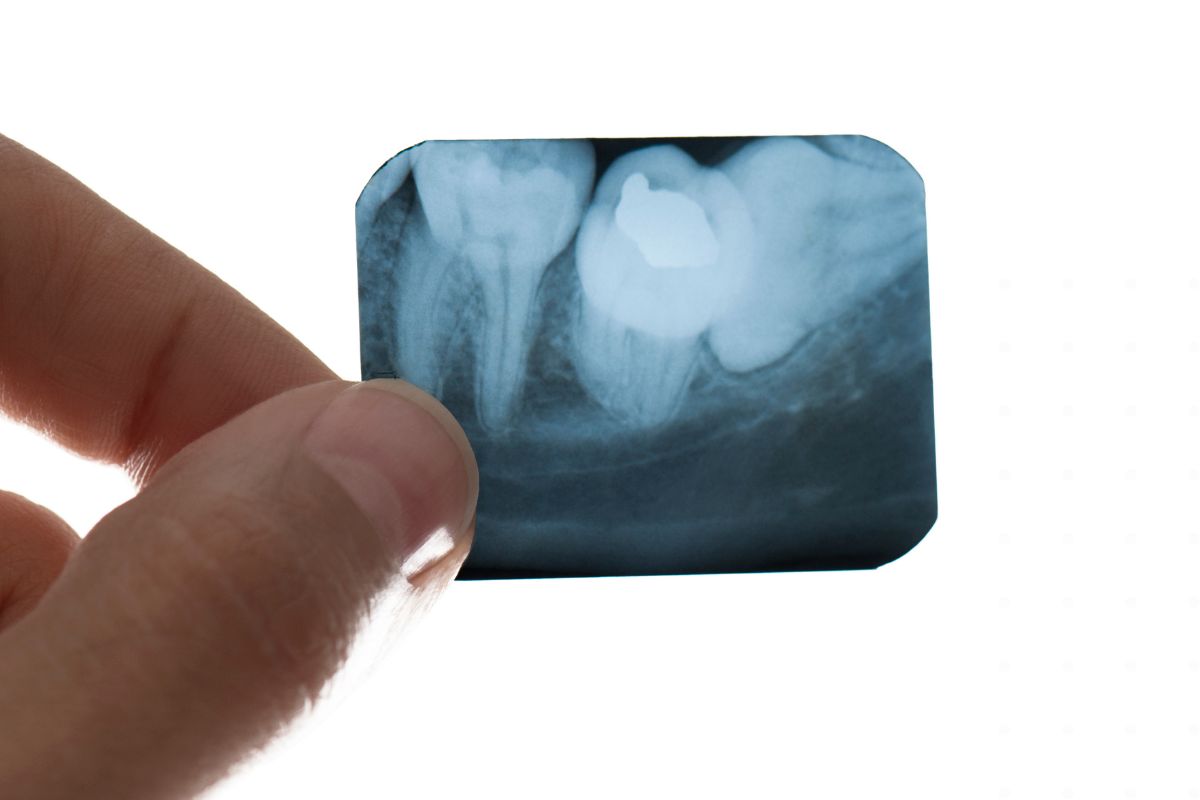
The most valuable step you can take is to consult with your orthodontist in Alpharetta. They will conduct a thorough examination, including X-rays and possibly impressions, to determine the cause of your spacing and recommend the most appropriate and effective treatment plan for your unique smile.
If you’re considering your options, we invite you to visit our dental office to discuss your needs. Don’t settle for guesswork; get professional advice to achieve the smile you’ve always wanted. Ready to take the next step towards a confident smile? Book an appointment with us today!