770-664-1999


Many people dream of a perfectly aligned smile, and Invisalign has become a popular choice for achieving it. Known for its discreet, clear aligners, Invisalign offers an appealing alternative to traditional braces. But beyond straightening teeth, a common question arises: Can Invisalign fix jaw alignment? The answer isn’t a simple yes or no, but rather a nuanced explanation of what Invisalign can and cannot achieve.
Understanding Jaw Misalignment: More Than Just Crooked Teeth
Before exploring Invisalign’s capabilities, it’s essential to understand what jaw misalignment, or malocclusion, entails. Malocclusion refers to any deviation from a normal bite where the upper and lower teeth don’t meet correctly. This can manifest in several ways:
- Overbite: When the upper front teeth significantly overlap the lower front teeth.
- Underbite: When the lower front teeth extend beyond the upper front teeth.
- Crossbite: When some upper teeth sit inside the lower teeth.
- Open Bite: When the upper and lower front teeth don’t meet at all when the mouth is closed.
These issues can stem from various factors, including genetics, habits like thumb-sucking, or even trauma. While often considered cosmetic concerns, severe malocclusions can lead to chewing difficulties, speech problems, excessive wear on teeth, and even jaw pain (TMJ disorders).
How Invisalign Works: A Focus on Tooth Movement
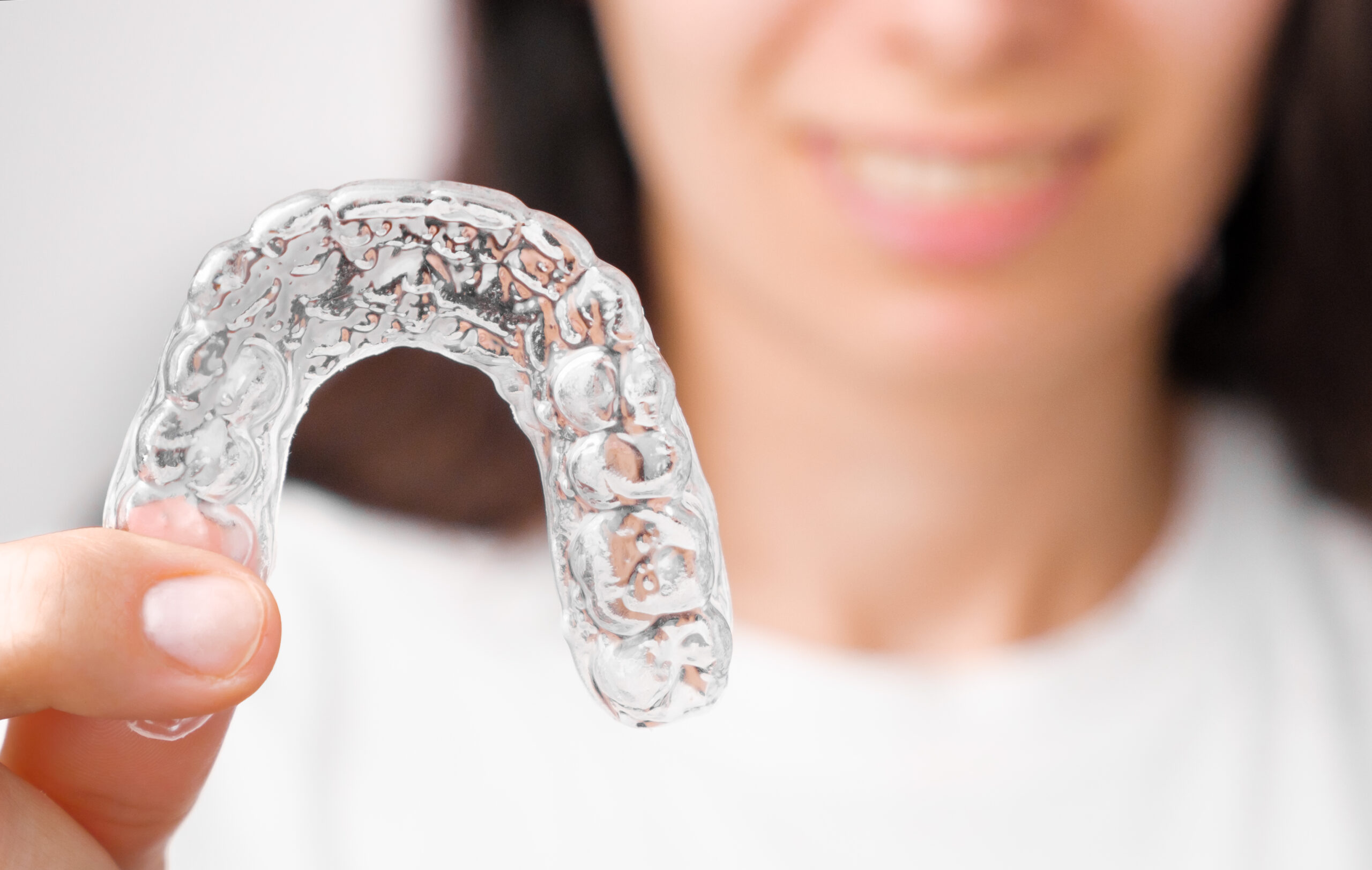
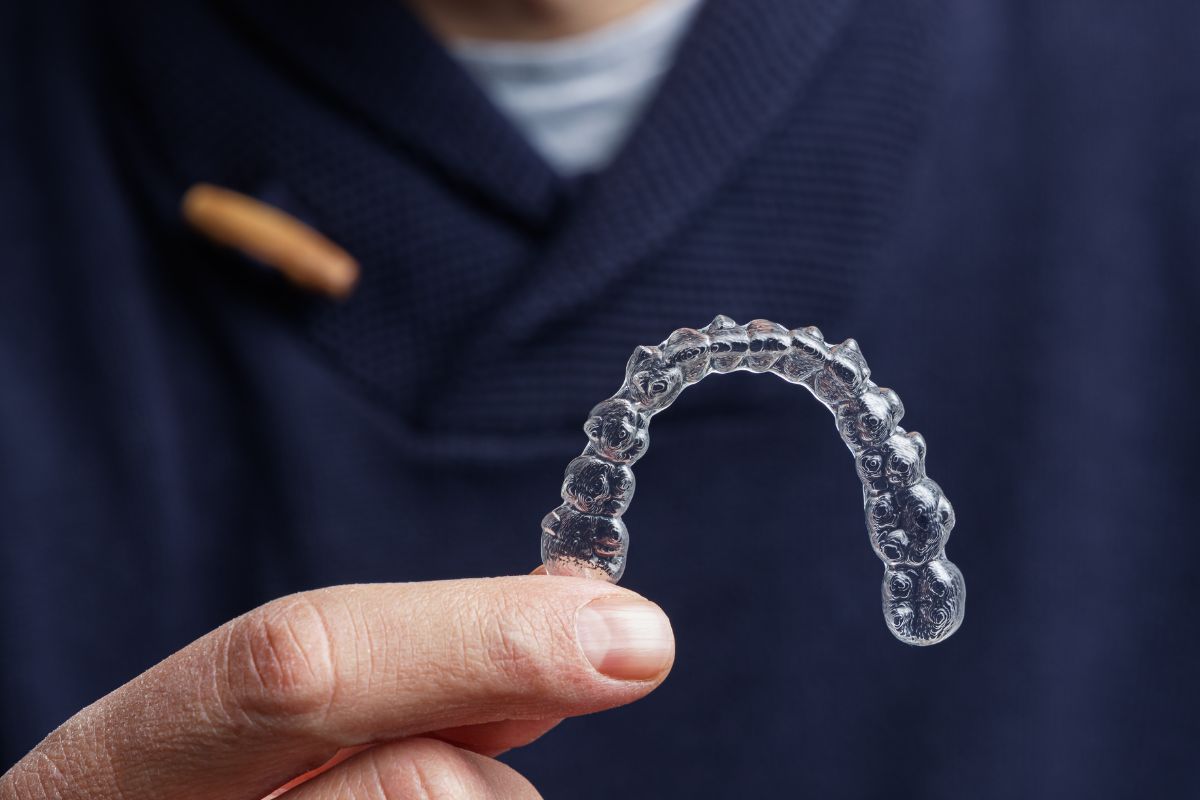
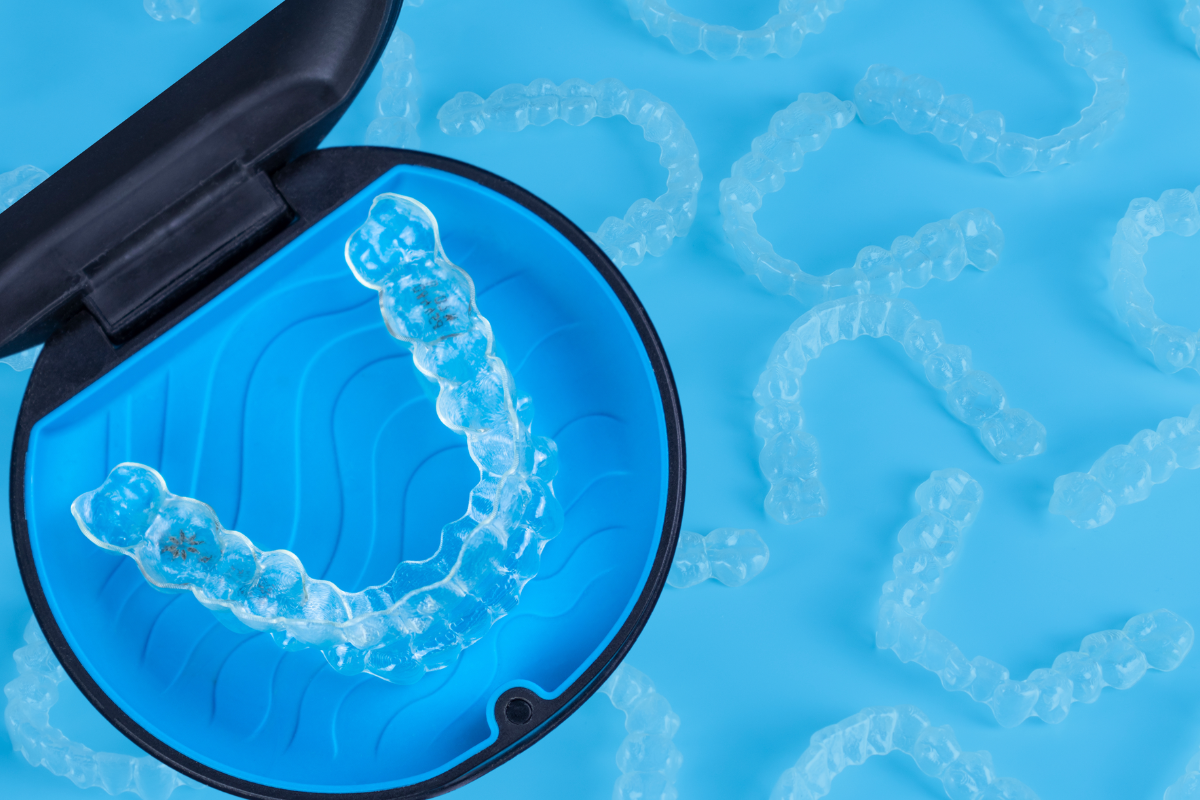
Invisalign utilizes a series of custom-made, clear plastic aligners to shift teeth into their desired positions gradually. Each aligner is worn for about one to two weeks before progressing to the next set. The aligners exert gentle, consistent pressure on the teeth, guiding them along a pre-programmed path. The underlying principle is tooth movement within the jawbone, not direct manipulation of the jaw structure itself.
Invisalign’s Role in Addressing Mild to Moderate Jaw Issues
So, when can Invisalign play a part in improving jaw alignment? For certain types of malocclusion, especially those primarily caused by dental positioning rather than skeletal discrepancies, Invisalign can be highly effective.
- Dental Crossbites: If a crossbite is due to a few mispositioned teeth rather than a narrow upper jaw, Invisalign can move those teeth to correct the bite.
- Mild Overbites and Underbites: In cases where an overbite or underbite is minor and results from the angulation or position of the teeth, Invisalign can often achieve significant improvement by adjusting the position of the teeth to correct the bite relationship.
- Addressing Spacing and Crowding: By effectively resolving spacing or crowding issues, Invisalign can create a more harmonious bite, indirectly improving the way the upper and lower jaws meet.
In these scenarios, the improvements in jaw alignment are a beneficial byproduct of precise tooth movement. The aligners optimize the position of individual teeth, which in turn allows the upper and lower dental arches to interlock more effectively.
When Invisalign Has Limitations for Severe Jaw Problems
It’s crucial to understand that Invisalign’s primary mechanism is tooth movement. It does not possess the capability to alter the size, shape, or position of the jawbones themselves. Therefore, for severe skeletal discrepancies, such as:
- Significant Jaw Discrepancies: Large overbites or underbites that are due to an actual mismatch in the size or position of the upper and lower jaws.
- Severe Open Bites: If the open bite is caused by an issue with jaw growth rather than tooth position.
- Profound Facial Asymmetries: When one side of the jaw is significantly different from the other due to skeletal issues.
In such cases, Invisalign alone will likely be insufficient to achieve a complete correction. Relying solely on tooth movement to compensate for a severe skeletal problem can sometimes lead to compromised results or instability.
The Importance of a Comprehensive Orthodontic Evaluation
The most important step in determining whether Invisalign can address your specific jaw alignment concerns is to consult with a qualified orthodontist. If you’re considering Invisalign in Alpharetta, they will conduct a thorough examination, which typically includes:
- Clinical Assessment: Evaluating your bite and facial structure.
- X-rays: Providing detailed images of your teeth, roots, and jawbones.
- 3D Scans (e.g., iTero): Creating a precise digital model of your teeth and bite.
Based on this comprehensive diagnostic information, the orthodontist can determine the root cause of your malocclusion—whether it’s primarily dental or skeletal. If the issue is complex or severe, they might recommend a combination approach involving Invisalign alongside other treatments, such as traditional braces with elastics for jaw correction or, in very severe cases, orthognathic surgery (jaw surgery) in conjunction with orthodontics. We encourage you to visit our dental office to discuss your specific needs and explore your options. You can easily book an appointment through our website or by calling us.
Conclusion: A Personalized Path to Alignment
Invisalign is a powerful and versatile tool for achieving a straighter smile and improving bite mechanics. While it excels at moving teeth and can significantly improve mild to moderate jaw alignment issues that are primarily dental in origin, it does not directly reposition the jawbones. For optimal results and to address more complex skeletal concerns, a collaborative approach with an experienced orthodontist is key. They will guide you toward the most appropriate and effective treatment plan, ensuring your journey to a healthier, more aligned smile is both successful and lasting.