770-664-1999

Quick Answer
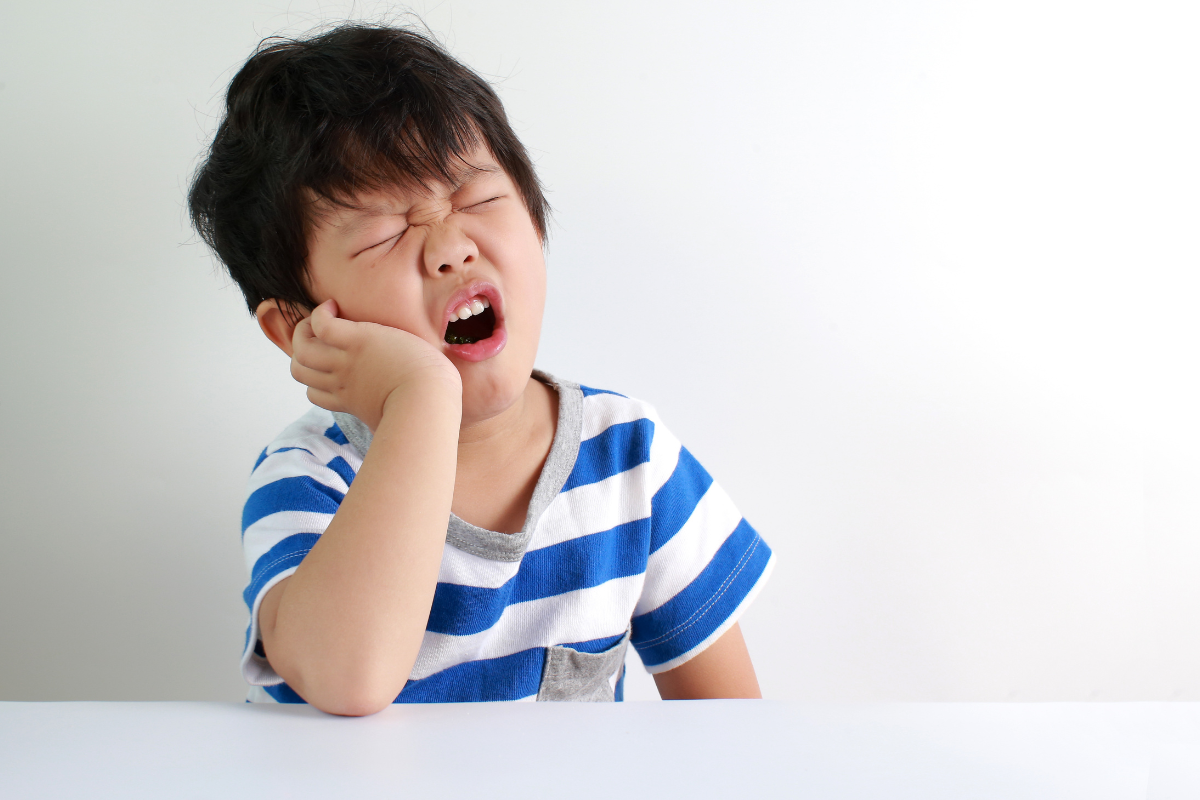
Yes, a toothache can cause a sore throat in children. Dental infections, cavities, erupting molars, swollen gums, and oral inflammation can all contribute to throat pain. In some cases, bacteria from an infected tooth may spread to nearby tissues, leading to swelling and discomfort in the throat.
If your child has both a toothache and sore throat, it is important to have them evaluated by a pediatric dentist to identify the underlying cause.
Why Toothaches and Sore Throats Are Connected in Kids
Children’s mouths, jaws, and throats are closely connected through nerves and soft tissues. When a child develops tooth pain or gum inflammation, the discomfort can sometimes spread into the throat area.
This may happen because:
- Dental infections irritate nearby tissues
- Swollen gums affect the throat area
- Pain travels through shared nerve pathways
- Erupting teeth create inflammation in the mouth
A child may not always clearly explain where the pain is coming from, which is why sore throat symptoms are sometimes linked to hidden dental problems.
Common Dental Causes of Sore Throats in Children
Tooth Infection or Dental Abscess
A dental abscess is a bacterial infection that forms inside the tooth or gums. Cavities that are left untreated can sometimes lead to infection.
Symptoms of a Tooth Abscess in Children
- Severe tooth pain
- Swollen gums
- Fever
- Bad breath
- Pain while eating
- Facial swelling
- Sore throat
- Difficulty swallowing
A tooth abscess should never be ignored because the infection can spread to nearby tissues.
Cavities and Deep Tooth Decay
Large cavities can irritate the nerves inside the tooth and cause pain that radiates into the jaw and throat.
Children with untreated cavities may complain about:
- Tooth sensitivity
- Pain when chewing
- Sore throat on one side
- Mouth discomfort
- Trouble sleeping due to tooth pain
Regular dental visits help catch cavities early before they become more serious.
Erupting Molars and Growing Teeth
As permanent molars grow in, children may experience gum swelling and tenderness. This inflammation can sometimes make the throat feel sore or irritated.
Common signs include:
- Swollen gums
- Mild jaw pain
- Drooling
- Irritability
- Tenderness near back teeth
- Difficulty chewing
These symptoms are usually temporary but should still be monitored.
Gum Infections and Poor Oral Hygiene
Poor brushing and flossing habits can allow bacteria to build up around the gums. This may lead to gum inflammation and oral infections that contribute to throat irritation.
Signs of Gum Problems in Children
- Red or swollen gums
- Bleeding while brushing
- Bad breath
- Mouth pain
- Sensitivity around teeth
Teaching healthy oral hygiene habits can help prevent many of these issues.
Can a Tooth Infection Spread to the Throat?
Yes. In some cases, a tooth infection can spread into nearby areas, including the throat and neck. This can become a serious medical concern if left untreated.
Warning Signs Parents Should Watch For
Contact a pediatric dentist or doctor immediately if your child has:
- Fever
- Facial swelling
- Trouble swallowing
- Difficulty breathing
- Severe tooth pain
- Swollen lymph nodes
- Pus around the tooth
- Persistent sore throat
These symptoms may indicate a spreading infection that requires urgent care.
When to Visit a Pediatric Emergency Dentist
Children should see a pediatric emergency dentist if tooth pain and sore throat symptoms continue for more than one or two days or become severe.
Signs Your Child May Need Emergency Dental Care
- Intense toothache
- Swelling in the face or gums
- Fever with dental pain
- Broken or cracked tooth
- Difficulty eating or drinking
- Bleeding gums
- Severe sensitivity
- Pain that keeps your child awake at night
Prompt treatment can help relieve pain and prevent complications.
How Pediatric Dentists Treat Toothaches and Sore Throats
Treatment depends on the cause of the problem.
Common Pediatric Dental Treatments
- Tooth-colored fillings
- Antibiotics for infection
- Pediatric root canal therapy
- Tooth extraction
- Professional dental cleaning
- Fluoride treatment
- Space maintainers if needed
Treating the dental issue often helps resolve the sore throat as well.
Home Care Tips for Parents
While waiting for your child’s dental appointment, you may help ease discomfort by:
- Offering soft foods
- Encouraging water intake
- Using warm saltwater rinses for older children
- Applying a cold compress to reduce swelling
- Giving child-safe pain medication as directed by a doctor
Avoid placing aspirin directly on the gums or tooth.
How to Prevent Toothaches and Oral Infections in Children
Good oral hygiene and regular dental care are the best ways to protect your child’s oral health.
Prevention Tips for Parents
- Brush your child’s teeth twice daily
- Help them floss every day
- Limit sugary snacks and drinks
- Schedule regular pediatric dental visits
- Treat cavities early
- Encourage healthy eating habits
- Replace toothbrushes regularly
Preventive care can reduce the risk of infections and dental emergencies.
When is a toothache considered a dental emergency in children?
Seek immediate dental care if your child has:
- Fever
- Facial swelling
- Trouble swallowing
- Severe pain
- Pus around the tooth
- Difficulty breathing
These may be signs of a serious infection.
Final Thoughts
So, can a toothache cause a sore throat in children? Yes, it can. Cavities, dental infections, erupting molars, and gum inflammation may all contribute to throat pain and discomfort in kids.
Early dental care is important to prevent complications and keep your child comfortable and healthy. If your child is experiencing ongoing tooth pain and sore throat symptoms, schedule a visit with a pediatric dentist as soon as possible.
FAQs
Can a toothache cause a sore throat in children?
Yes, a toothache can cause a sore throat in children. Dental infections, cavities, swollen gums, and erupting molars may irritate nearby tissues and create throat discomfort.
Can a child’s cavity lead to throat pain?
A deep cavity can sometimes irritate the nerves inside the tooth or lead to infection, which may cause pain that spreads into the jaw and throat area.
Can teething or growing molars cause sore throat symptoms?
Yes. As molars erupt, children may experience gum swelling, jaw tenderness, drooling, and mild throat irritation.
Can a tooth infection spread to the throat?
Yes. A dental infection can spread to nearby tissues, including the throat and neck. This may cause swelling, fever, and difficulty swallowing if left untreated.