770-664-1999


Orthodontic treatment can transform your smile—but it doesn’t come without a little discomfort. Local teens and adults starting their braces journey are often surprised by the initial soreness. But how long does this pain last? And is it normal? Let’s break it down with expert guidance from providers offering braces. Learn so you can feel confident at every step of your treatment.
At What Point Do Braces Stop Hurting?
Braces typically hurt the most during the first week after they are placed. After that, the soreness tends to fade.
Initial Placement: Expect discomfort for 3–5 days as your mouth adjusts.
After Adjustments: You may feel soreness for 1–3 days after each tightening.
Long-Term: As your mouth gets used to the pressure, pain becomes rare.
Most patients report that by the second week, the pain becomes manageable and then subsides. Discomfort may return briefly during future adjustment visits, but it usually resolves quickly.
Which Stage of Braces Hurts the Most?
Pain levels vary by stage, but the following periods are known to be the most uncomfortable:
Initial Bonding: When brackets and wires are first placed.
First Wire Adjustment: When tension is applied to shift teeth.
Major Realignments: Mid-treatment changes may bring temporary soreness.
Rubber Bands or Appliances: Added pressure can cause temporary pain.
Each of these stages introduces new pressure points, but they are usually short-lived. If the pain and discomfort do not go away even after many days, visit our dental office for checkups.
What Type of Braces Hurt the Least?
Here are the types of Braces and an estimation about how much they will hurt in the initial period:
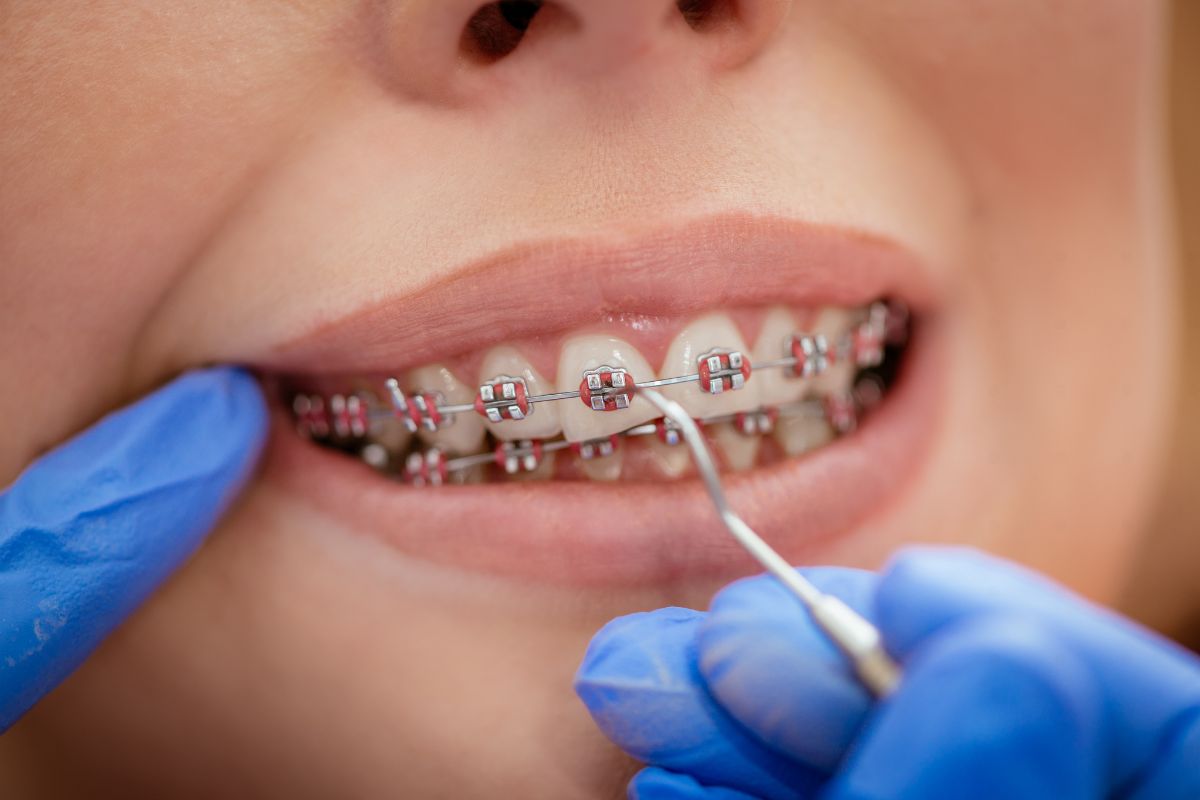
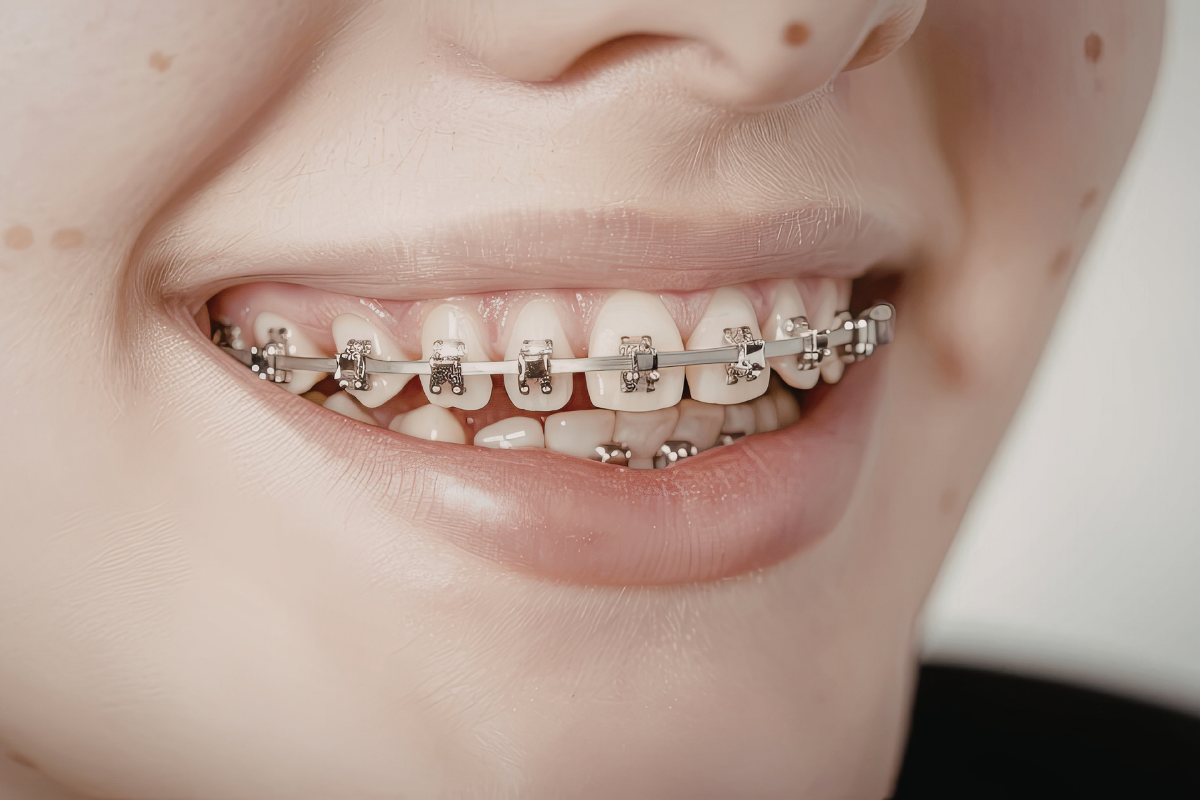
Traditional Metal Braces
These are the most common and effective, but their strong tension can cause more discomfort during adjustments.
Self-Ligating Braces
These use clips instead of rubber bands, reducing friction. Many patients report less pain and shorter adjustment times.
Clear (Ceramic) Braces
These blend with your teeth for a more discreet look, but they may cause more friction early on and are also slightly more fragile.
While pain tolerance varies, self-ligating options are often preferred to minimize soreness. Book an appointment with us to find out which option best suits you.
How to Relieve Braces Pain at Home?
If you’re experiencing soreness, try these at-home relief methods:
Saltwater Rinse: Helps reduce swelling and ease irritation.
Cold Compress: Apply to the outside of your cheek for 10 minutes.
Orthodontic Wax: Cover any bracket that’s rubbing against your cheek.
Soft Foods: Eat mashed potatoes, yogurt, smoothies, and soups to avoid added pressure on teeth.
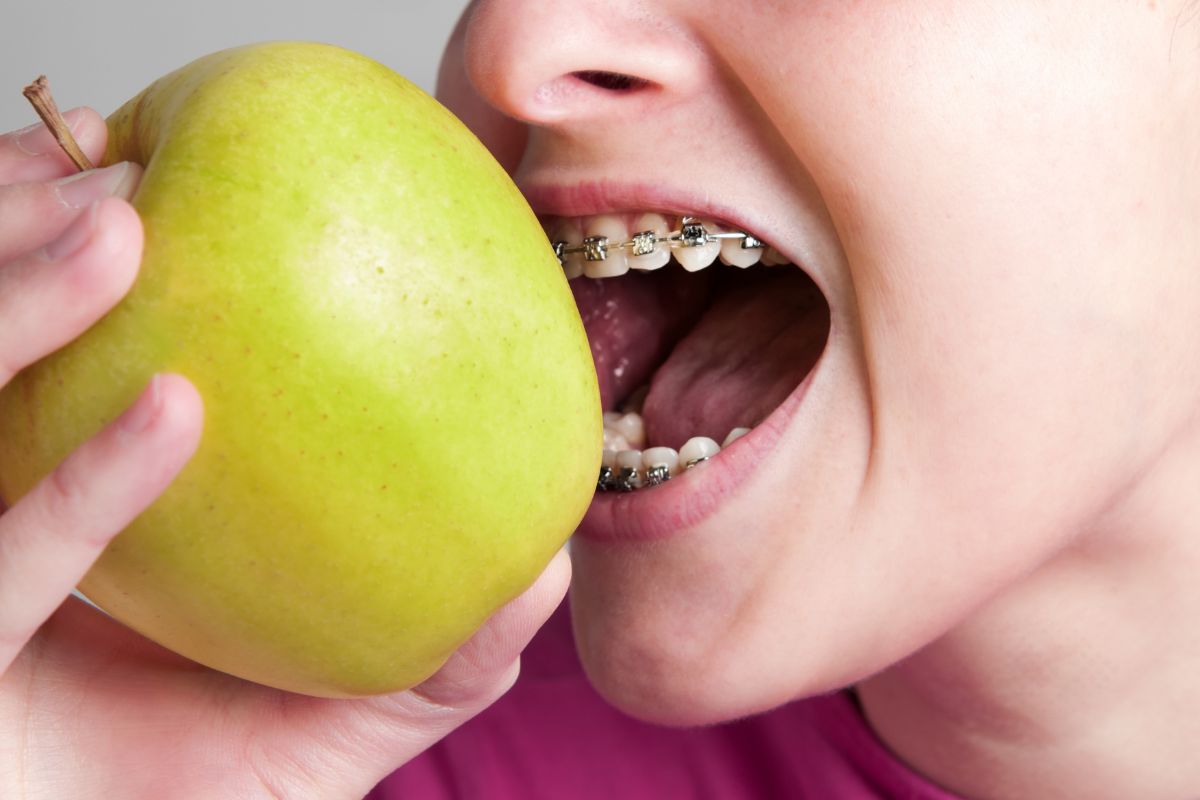
Avoid Crunchy or Hard Foods: Chips, nuts, and raw veggies can worsen soreness.
These simple remedies can make the adjustment period much more manageable.
Should I Worry If the Pain Persists?
Mild discomfort is normal, but if it lasts longer than a week or worsens over time, it’s worth checking. Your orthodontist can make necessary adjustments or check for irritation caused by a loose wire or bracket.
Smile Confidently with Crabapple Pediatric Dentistry & Orthodontics
Orthodontic care doesn’t have to be overwhelming. From first consultations to follow-up visits, expert care can make all the difference. Whether you’re exploring traditional braces or modern alternatives, we’re here to guide you. Schedule a consultation with us to experience friendly, personalized care with less discomfort and more confidence. At Crabapple Pediatric Dentistry & Orthodontics, we proudly serve families with top-quality orthodontic care. Your smile is worth it.