770-664-1999


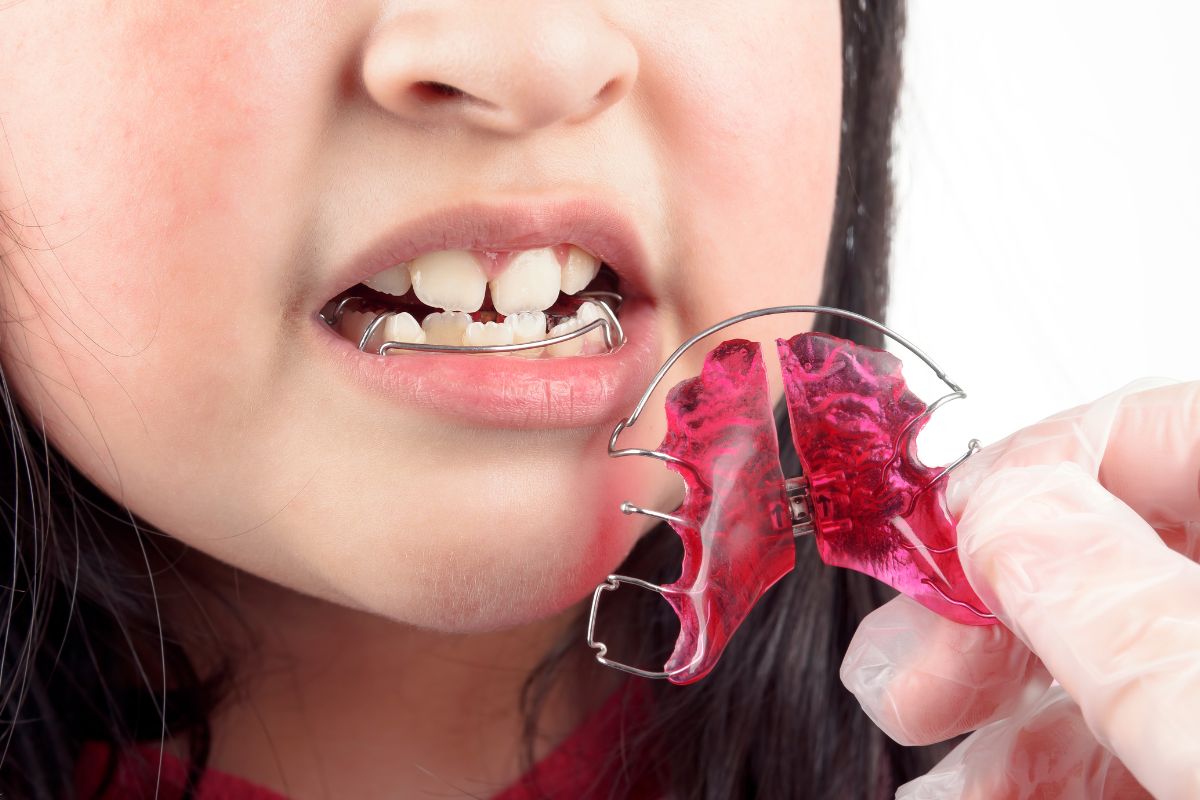
If you’ve ever looked at your child’s crowded or shifted teeth and wondered whether it’s simply a cosmetic concern, you’re not alone. Many parents across Alpharetta notice changes in their child’s smile after busy afternoons at Wills Park or during school photo season — and quietly wonder whether those overlapping teeth could be doing more harm than they appear. The truth is, misaligned teeth aren’t just an aesthetic issue. They can quietly set the stage for tooth decay, gum problems, and a lifetime of more complex dental challenges.
Consulting an orthodontist early is one of the most proactive steps a parent can take for their child’s long-term oral health. Specialists in braces, Invisalign, and bite correction, orthodontists are uniquely positioned to address the structural causes of tooth decay before they become serious — not just straighten smiles.
How Misaligned Teeth Lead to Tooth Decay
When teeth are crowded, overlapping, or spaced unevenly, they create hard-to-reach areas that a toothbrush and floss simply cannot clean effectively. Plaque — the sticky film of bacteria that forms on teeth — thrives in those tight, neglected spaces. Over time, that buildup begins to break down enamel, the protective outer layer of the tooth, leading to cavities.
Children and teens are especially vulnerable. Their brushing habits are still developing, and asking them to carefully navigate a crowded mouth twice a day is often an uphill battle. Add in a diet that frequently includes juice, snacks, and the occasional birthday cake, and misaligned teeth become a very real decay risk.
Malocclusion — the clinical term for a bad bite — also creates uneven pressure across teeth. Some teeth bear more force than others during chewing, accelerating wear and creating micro-fractures where bacteria can settle. Crossbites, open bites, and deep bites each introduce their own complications when it comes to maintaining clean, healthy teeth.
Ways Orthodontic Treatment Prevents Decay
1. Easier Cleaning with Straightened Teeth
Once teeth are properly aligned, brushing and flossing become significantly more effective. There are fewer overlapping surfaces for plaque to hide behind, and the gumline becomes more accessible. Many families notice that their child’s hygiene routine improves naturally once treatment is complete — not because habits change dramatically, but because straight teeth are simply easier to clean thoroughly.
2. Invisalign’s Removable Advantage for Hygiene
For older children and teens, Invisalign clear aligners offer a meaningful hygiene benefit during treatment itself. Because the aligners are removable, patients brush and floss exactly as they normally would — no threading floss around wires, no maneuvering around brackets. This reduces the risk of plaque accumulation during the treatment period, which is a genuine concern with fixed appliances when hygiene isn’t prioritized.
3. Braces Correct Crowding and Spacing Issues
Traditional braces remain one of the most effective tools for addressing moderate to severe crowding, spacing, and bite problems. By gradually shifting teeth into their correct positions, braces eliminate the overlapping surfaces and tight contacts where decay most commonly begins. For children whose teeth are actively developing, this correction can redirect growth in a way that prevents problems from compounding over time.
4. Early Treatment Guides Jaw Growth, Reducing Future Risks
Early orthodontic intervention — typically recommended around age seven — allows an orthodontist to assess how the jaw is developing and whether crowding is likely to worsen. In some cases, guiding jaw growth early reduces the complexity of treatment later and creates a healthier oral environment sooner. The fewer years a child spends with misaligned teeth, the less opportunity plaque has to cause lasting damage.
Meet Dr. Javid Yavari, Your Alpharetta Orthodontist

Consider a common scenario: a mother in Alpharetta notices her nine-year-old’s teeth becoming increasingly crowded after a busy summer of activities near Big Creek Greenway. At a routine checkup, the dentist flags early plaque buildup in areas that are difficult to clean. Concerned but unsure where to start, she scheduled a consultation with Dr. Javid Yavari at Crabapple Pediatric Dentistry & Orthodontics.
Rather than launching straight into a treatment recommendation, Dr. Yavari takes time to walk her through exactly how her daughter’s crowding is contributing to the hygiene challenge — and what early intervention could mean for her oral health over the next decade. A personalized plan is developed, and the mother leaves not just with a treatment schedule, but with a clear understanding of why it matters.
Dr. Yavari holds degrees from Florida Atlantic University and the Medical College of Georgia School of Dentistry, with advanced general dentistry training through Medical College of Georgia Hospital and Clinics. His approach is rooted in a straightforward philosophy: every patient deserves a healthy smile for life, and getting there requires education as much as treatment.
That experience is reflected in the words of one Alpharetta parent, W. Bryant who shared:
“I scheduled a consultation which was already nerve wracking. Upon entry staff was welcoming and the office was inviting. Alex came to get me from the lobby and she was the best! So warm, comforting and relatable. Dr. Yavari the orthodontist is amazing. He is very knowledgeable and does his best to make sure you are educated and comfortable with whatever decision you decide to make. I would absolutely recommend this practice to anyone looking for orthodontic care.”
Taking the Next Step for Your Child’s Oral Health
If you’ve noticed crowding, spacing, or bite concerns in your child’s smile, the connection to decay risk is worth taking seriously. A consultation doesn’t commit you to immediate treatment — it gives you the information you need to make a confident, informed decision for your child’s health.
If misalignment is impacting your child’s oral health, a visit to our Alpharetta practice can provide clarity and a preventive plan tailored to where they are in their development. Our team is here to answer your questions and support your family at every step.
Schedule an appointment with Crabapple Pediatric Dentistry & Orthodontics and give your child the healthy, well-aligned smile they deserve — one that’s easier to care for now and built to last a lifetime.
Frequently Asked Questions
Can orthodontic treatment really prevent cavities?
Yes, in a meaningful way. By aligning teeth properly, orthodontic treatment eliminates the tight, hard-to-clean spaces where plaque builds up and causes decay. Straight teeth are easier to brush and floss effectively, which reduces cavity risk over the long term.
At what age should I see an orthodontist for my child?
Most orthodontic specialists recommend an initial evaluation around age seven. This doesn’t always mean treatment begins immediately, but it allows the orthodontist to monitor jaw development and identify any issues that would benefit from early correction.
How do braces help stop tooth decay?
Braces move teeth into proper alignment, which removes the overlapping and crowded surfaces where plaque is most likely to accumulate. Once treatment is complete, improved spacing makes it far easier to maintain a consistent and effective hygiene routine.
Is Invisalign as effective as braces for decay prevention?
Both achieve the same end goal of aligned teeth, which supports better oral hygiene. Invisalign carries an additional advantage during treatment since the removable aligners allow for normal brushing and flossing, reducing plaque risk throughout the process.
What happens if I delay orthodontic care?
Delaying treatment means more time for plaque to accumulate in difficult-to-clean areas, increasing the risk of cavities and gum inflammation. It can also allow bite and crowding issues to worsen, making eventual treatment more complex and prolonged.