770-664-1999

Getting braces is a big step toward a healthy smile. But in the first few weeks, many patients notice small sores inside the mouth. These sore spots can make eating and talking feel uncomfortable. The good news is that this is common and easy to manage with the right care.
This guide will walk you through simple, clear ways to handle mouth sores and feel better fast.
Why Do Mouth Sores Happen With Braces?
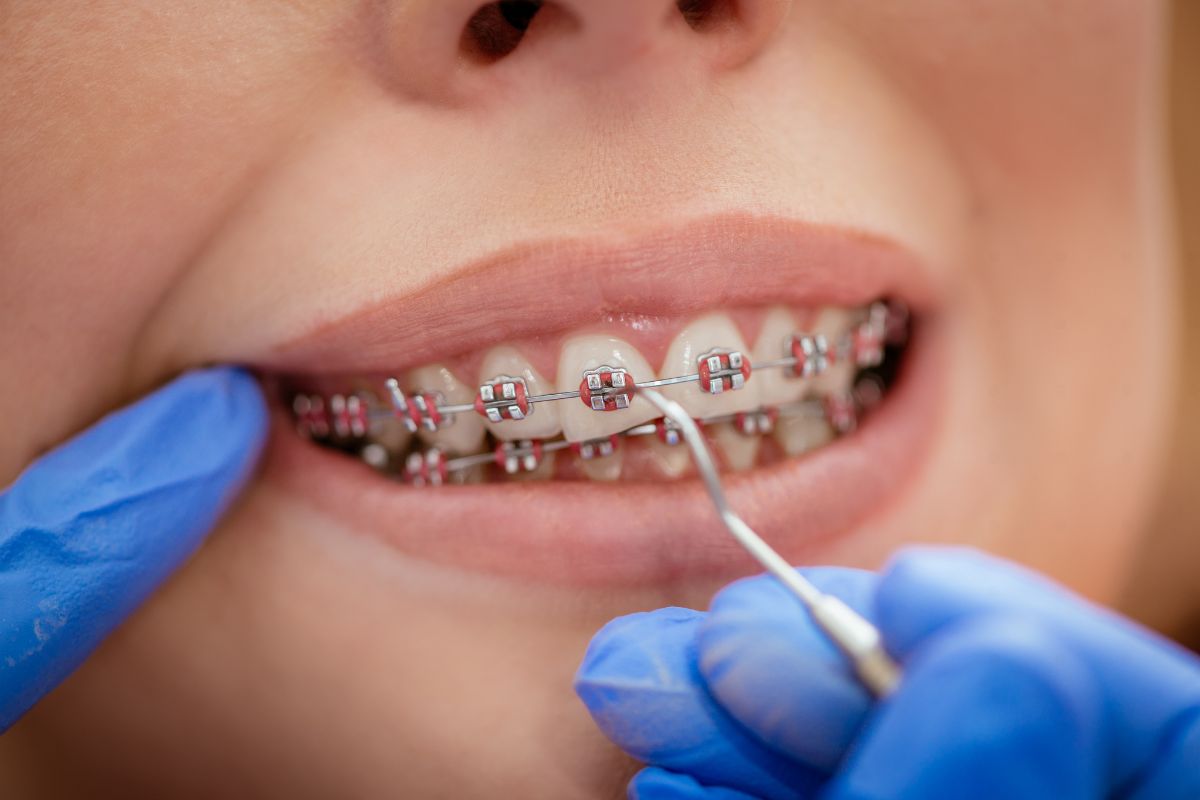
When you first get braces, your cheeks and lips are not used to the brackets and wires. As they rub against soft tissue, small sores may form.
Common reasons include:
- Friction from brackets or wires
- Tight adjustments during visits
- Sensitive skin inside the mouth
These sores usually improve as your mouth gets used to braces.
What Do These Sores Feel Like?
Mouth sores may feel like:
- Small painful spots on cheeks or lips
- Red or white patches
- A burning feeling when eating spicy or hot food
They can be annoying, but they are not harmful and often heal within a few days.
Simple Ways to Manage Mouth Sores
You can take a few easy steps at home to reduce pain and help healing.
Using Orthodontic Wax
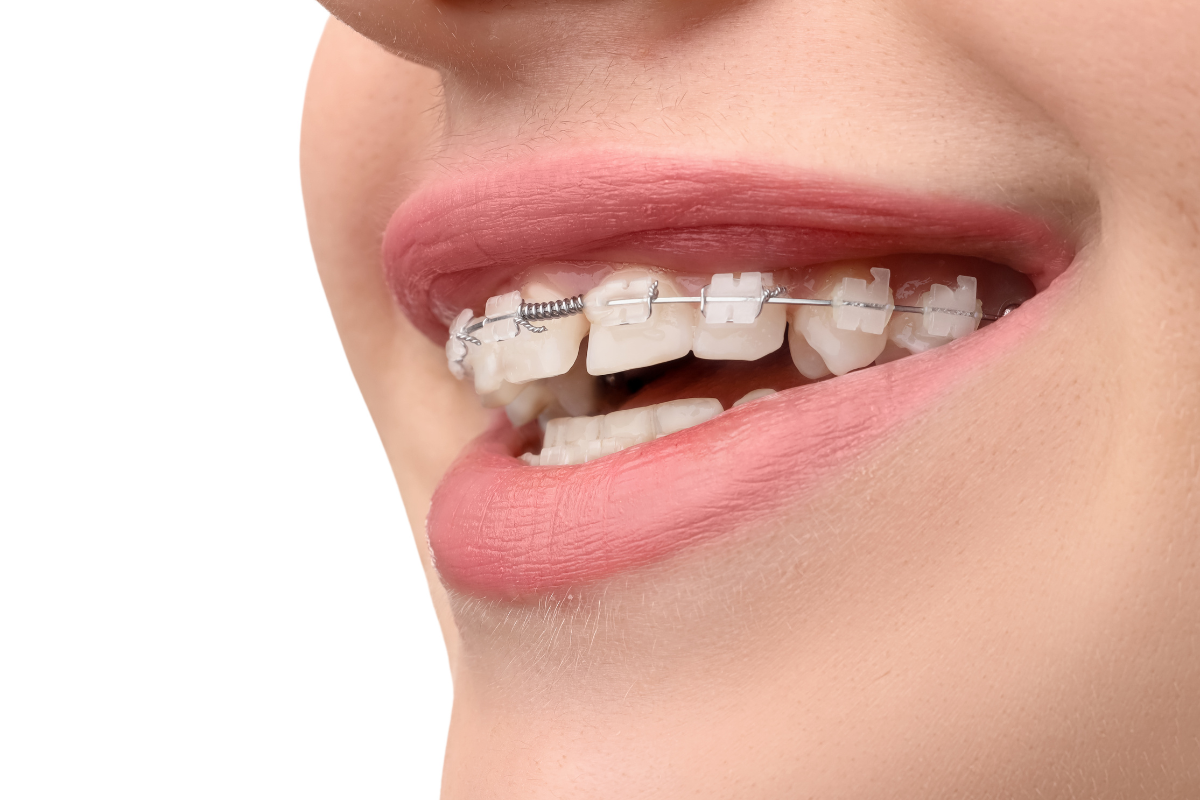
Wax is one of the best tools for braces care. Place a small piece over the bracket or wire causing irritation. This creates a smooth surface and reduces rubbing.
Rinse with Warm Salt Water
Mix a teaspoon of salt in a glass of warm water. Rinse your mouth for 30 seconds. This helps clean the area and supports healing.
Choose Soft Foods
Eat soft foods like yogurt, mashed potatoes, or soup. Avoid crunchy or spicy foods until the sore improves.
Keep Your Mouth Clean
Brush gently around your braces and rinse after meals. Clean areas heal faster and feel better.
Use Over the Counter Relief
You can use a mild oral gel for pain relief. Always follow the instructions.
When Should You Be Concerned?
Most sores go away on their own. But you should call the dentist or dental practice if you notice:
- Sores that last more than a week
- Severe pain that does not improve
- A loose wire or broken bracket
A quick visit can fix the issue and prevent further irritation.
Local Care You Can Count On
If you or your child is dealing with mouth sores from braces, support is close by. Crabapple Pediatric Dentistry & Orthodontics is located at 12385 Crabapple Rd #100, Alpharetta, GA 30004.
The clinic is easy to find and near familiar spots like Wills Park, where families often spend time after appointments. If you are coming with family, nearby cafes offer a calm place to sit while treatment is in progress.
You can call the dentist or dental practice ahead of your visit to ask questions or get quick advice. This helps you feel prepared and at ease.
Tips to Prevent Future Sores
While some irritation is normal, you can lower the chances of sores:
- Apply wax early if you feel rubbing
- Stay consistent with oral care
- Attend regular checkups
- Avoid biting hard foods
Over time, your mouth will adjust to braces, and sores will happen less often.
What to Expect Over Time
The first few weeks are the hardest. After that, your mouth becomes used to braces, and irritation reduces.
Most patients find that:
- Sores become less frequent
- Pain is easier to manage
- Daily care feels routine
Patience and simple care go a long way.
Conclusion
Mouth sores from braces can feel uncomfortable, but they are part of the adjustment process. With simple steps like using wax, rinsing with salt water, and keeping your mouth clean, you can manage the discomfort well.
If you need help or have concerns, schedule a consultation with Crabapple Pediatric Dentistry & Orthodontics. You can also contact our Crabapple Pediatric Dentistry & Orthodontics office for guidance and support during your treatment.
FAQs on Braces
How long do mouth sores last when you have braces?
Mouth sores from braces usually last about 3 to 7 days. They tend to heal faster if you keep the area clean and avoid irritation. During the early stages of treatment, sores may appear more often, but they should reduce as your mouth adjusts. If a sore lasts longer than a week, it is a good idea to have it checked.
What is the fastest way to heal a sore caused by braces?
The quickest way to heal a sore is to reduce friction and keep the area clean. You can apply orthodontic wax over the part causing irritation, rinse with warm salt water, and avoid spicy or hard foods. These steps help calm the tissue and support faster healing.
Are mouth sores a normal part of wearing braces?
Yes, they are very common, especially in the first few weeks. Your cheeks and lips are getting used to the brackets and wires. As your mouth adapts, the inner tissue becomes stronger, and sores become less frequent over time.
Can I still eat normally if I have mouth sores?
You can eat, but it helps to choose soft and mild foods. Items like soups, yogurt, scrambled eggs, and smoothies are easier on sore areas. Avoid sharp, crunchy, or spicy foods, as they can make the sore worse and slow down healing.
How can I prevent mouth sores while wearing braces?
You can prevent many sores by acting early. If you feel a spot rubbing, apply wax right away. Keep up with gentle brushing and rinsing after meals. Also, attend regular dental visits so small issues like loose wires can be fixed before they cause irritation.
When should I contact a dental professional about a mouth sore?
You should reach out if the sore is very painful, does not improve after a week, or if you notice a broken wire or loose bracket. Getting help early can prevent further discomfort and keep your treatment on track.