770-664-1999


Invisalign has revolutionized orthodontics by providing a more discreet, comfortable alternative to traditional metal braces. However, many people still wonder whether this clear aligner system can address all types of bite issues. While Invisalign can treat a variety of bite problems, it’s not always the best solution for every case. Let’s explore what bite issues Invisalign can fix and where traditional braces may still be needed.
What Is Invisalign?
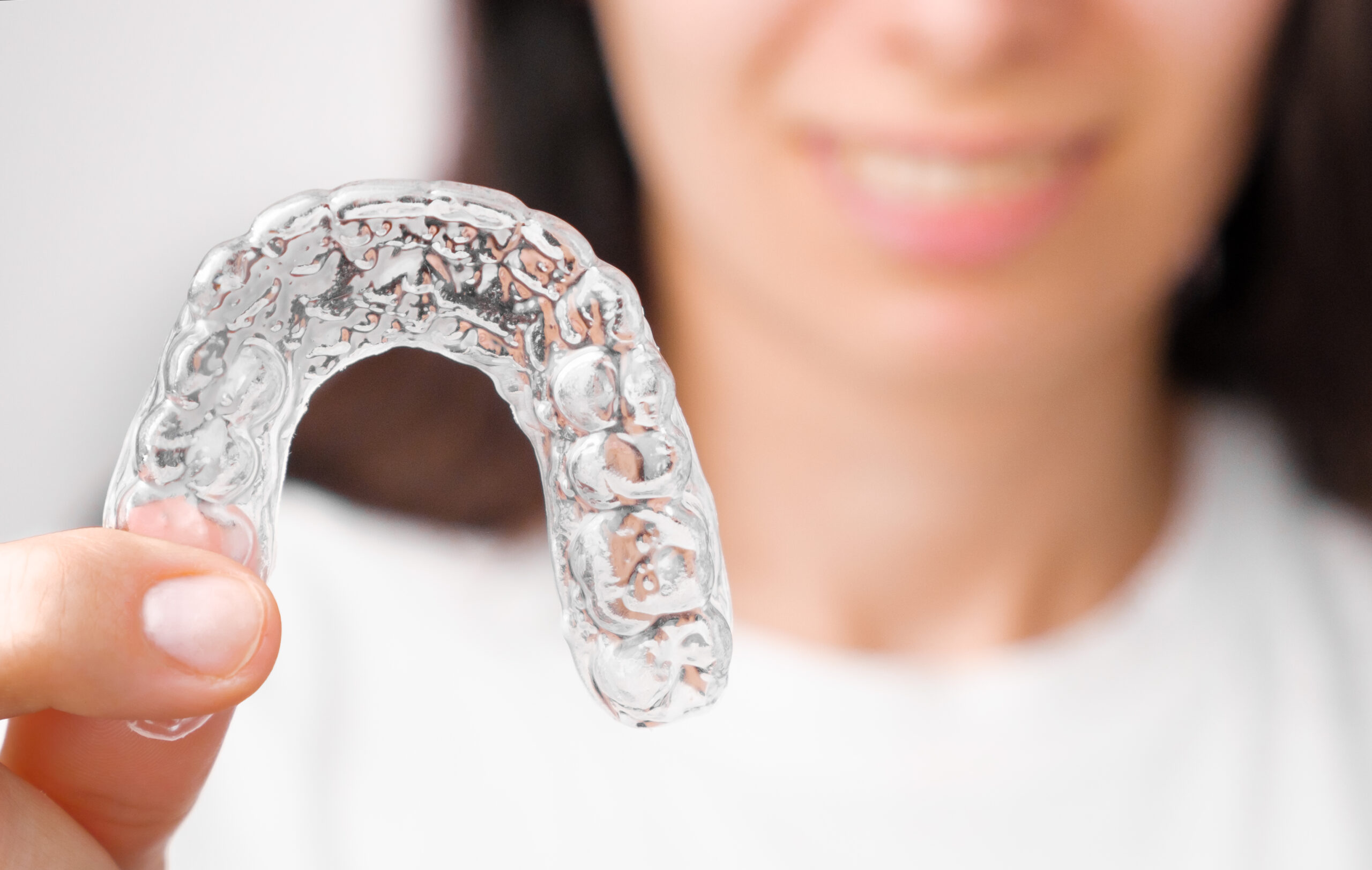
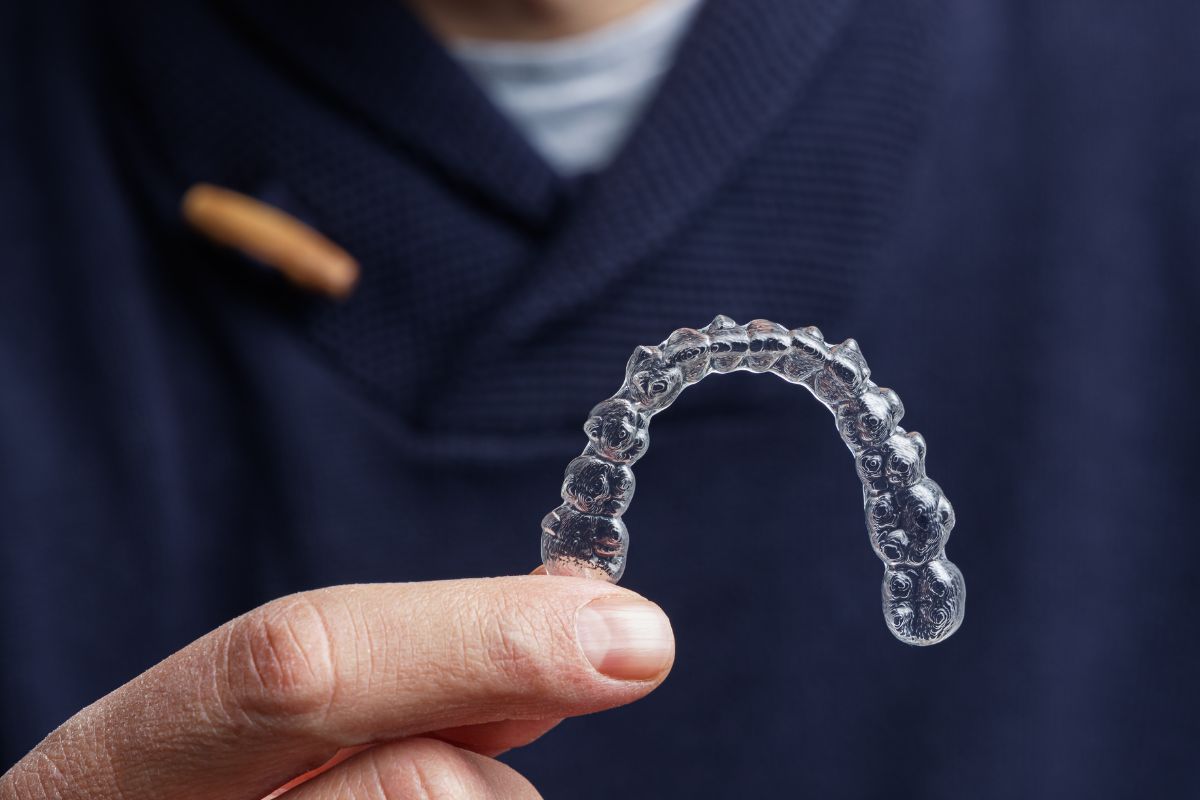
Invisalign is an orthodontic treatment that uses a series of clear, custom-made aligners to gradually move teeth into their correct position. These aligners are removable, making them a popular choice for those who want a more flexible orthodontic treatment compared to traditional braces.
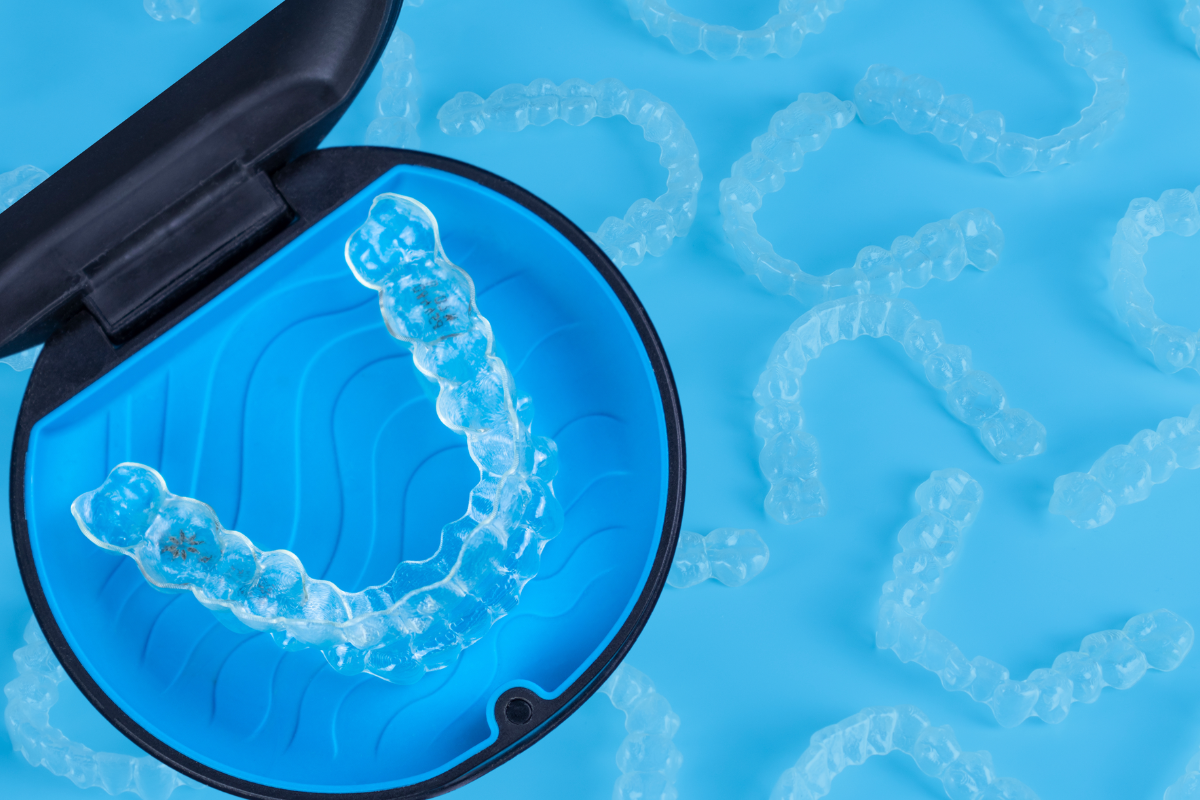
The system works by creating a series of aligners, each designed to slightly adjust the teeth’s position. Each set is worn for about 1-2 weeks before progressing to the next. The aligners are made from a smooth, transparent plastic, which is virtually invisible when worn. Invisalign treatment is often preferred by adults and teens who want to straighten their teeth without the appearance of metal braces.
Types of Bite Issues That Invisalign Can Fix
Invisalign is effective at addressing many common bite issues, including:
1. Overbite
An overbite occurs when the upper teeth overlap the lower teeth excessively. This misalignment can cause discomfort and wear on the teeth, as well as affect speech and chewing. Invisalign is highly effective in treating overbites by gradually shifting the upper and lower teeth into better alignment. The aligners apply gentle pressure to the teeth, moving them into their proper position over time.
2. Underbite
An underbite occurs when the lower teeth protrude beyond the upper teeth. It can lead to problems with chewing and jaw strain. Invisalign can be used to correct mild to moderate underbites by adjusting the position of the lower teeth. However, in severe cases, traditional braces or even surgery may be required to achieve optimal results.
3. Crossbite
A crossbite happens when some of the upper teeth bite inside the lower teeth, causing wear, gum recession, and bone loss. Invisalign can be used to correct both dental and skeletal crossbites by repositioning the teeth to ensure they meet properly. In some cases, if the crossbite is severe or involves jaw misalignment, additional treatments may be needed.
4. Open Bite
An open bite occurs when the upper and lower teeth do not meet when the mouth is closed. This can result in difficulty chewing or speaking. Invisalign can effectively treat mild to moderate open bites by adjusting the teeth to close the gap. However, severe open bites may require additional treatment options like elastics or traditional braces.
Limitations of Invisalign
While Invisalign is highly effective for many types of bite issues, it does have some limitations:
1. Severe Bite Problems
For more severe bite issues, such as very significant overbites, underbites, or open bites, Invisalign may not be the best treatment option. In these cases, traditional braces or surgical intervention might be necessary to achieve the desired results. Invisalign aligners can only move the teeth in certain ways, and when the problem is more complex, braces offer more precise control over tooth movement.
2. Jaw Alignment Issues
Invisalign can address minor jaw misalignments, but it cannot correct skeletal jaw problems. If your bite issue is due to a misaligned jaw (for example, a significantly recessed or protruding jaw), you may need a more comprehensive approach, such as surgery, in addition to orthodontics. Traditional braces are often used in conjunction with surgical procedures to correct these types of jaw issues.
Advantages of Choosing Invisalign for Bite Issues
Despite its limitations, Invisalign offers several advantages over traditional braces:
1. Aesthetics
One of the biggest advantages of Invisalign is its discreet appearance. The clear aligners are virtually invisible, making them a preferred choice for those who are self-conscious about wearing braces. This is especially appealing to adults or older teens who may be concerned about the cosmetic impact of traditional metal braces.
2. Comfort and Convenience
Invisalign aligners are made from smooth plastic, making them more comfortable than traditional braces, which can irritate the inside of the mouth. Additionally, because the aligners are removable, you can eat, drink, and brush your teeth without any restrictions, which is not the case with traditional braces.
3. Fewer Dental Visits
Invisalign typically requires fewer visits to the orthodontist compared to traditional braces. Since the aligners are custom-designed and pre-programmed to gradually shift your teeth into place, you don’t need as many adjustments.
When to Consider Traditional Braces
While Invisalign is a great option for many, there are cases where traditional braces are the better choice. These include:
- Severe Bite Problems: For complex bite issues, traditional braces might offer more precise control.
- Jaw Misalignment: Invisalign cannot address jaw misalignment, which might require additional treatments.
- Complex Tooth Movements: In some cases, more complex tooth movements may be better addressed with traditional braces.
Conclusion
Invisalign can fix many common bite issues, such as overbite, underbite, crossbite, and open bite. However, it may not be the best solution for severe cases or jaw misalignments. To determine whether Invisalign is the right choice for you, it’s important to consult with an experienced orthodontist. If you’re considering Invisalign, reach out to a trusted provider to learn how this treatment can help you achieve a straighter, healthier smile.