770-664-1999

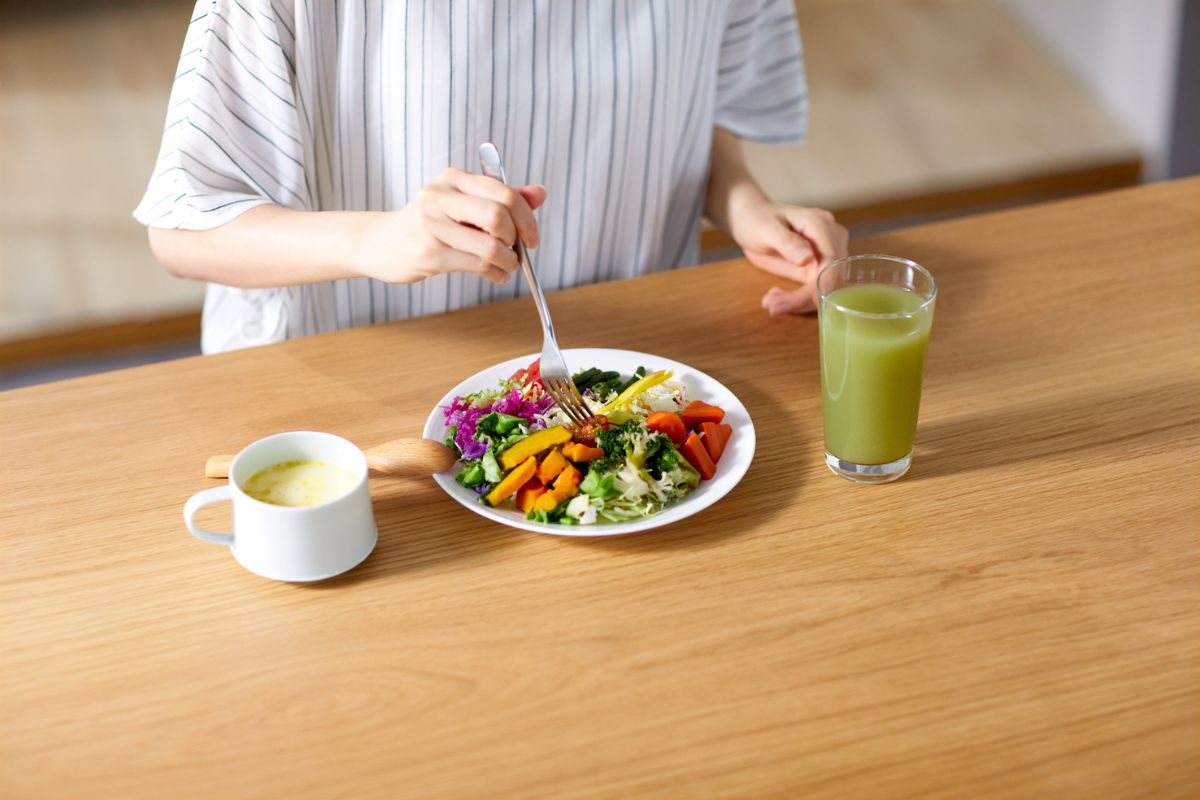
Nobody wants to be the parent who bans birthday cake. Parenting is hard enough without turning every meal into a dental health lecture. The good news is that making diet changes to prevent cavities in kids does not require eliminating every treat, flavor, or moment of childhood joy. It requires understanding what actually causes cavities and making a few smart, sustainable shifts that work with real family life.
At Crabapple Pediatric Dentistry & Orthodontics, your Board Certified Alpharetta pediatric dentist, Dr. Allison Petty works with families every day on exactly this kind of practical guidance. The approach is never about restriction for its own sake. It is about helping kids build habits that protect their teeth for life without making mealtimes feel like a battleground.
Understanding What Actually Causes Cavities
Cavities form when bacteria in the mouth feed on sugars and starches and produce acids. Those acids break down tooth enamel over time, creating the small holes we call cavities. The key variable is not just what a child eats, but how often, for how long, and whether the teeth get a chance to recover between exposures.
Saliva plays a protective role by neutralizing acids and remineralizing the enamel. But saliva needs time to do its job. When children snack constantly throughout the day, their mouths never get that recovery window. The acid environment stays active almost continuously, and that is when cavities develop far more easily.
The Frequency Problem: Why Sipping and Snacking Are Bigger Culprits Than Sugar Itself
Here is a perspective shift that surprises many parents: a child who eats a piece of birthday cake at a party and then does not eat again for a few hours is at lower cavity risk than a child who sips on apple juice steadily from a sippy cup all morning. The sugar content in a single serving of cake may be higher, but the continuous acid exposure from prolonged juice sipping keeps the enamel under attack for a much longer stretch.
This is why one of the most impactful diet changes to prevent cavities in kids is simply reducing snack frequency and encouraging water between meals. It does not eliminate snacks. It creates natural gaps that let saliva restore the mouth’s pH and protect the enamel.
Drinks Matter More Than Most Families Realize
After plain water, milk is among the best beverages for kids’ dental health. It contains calcium and phosphates that support enamel, and its natural sugars are much less cavity-promoting than fruit juices or sports drinks. Juice, even 100 percent fruit juice, is essentially sugar water from a dental standpoint. That does not mean kids can never have juice. It means offering it at mealtimes in a cup rather than sipping it throughout the day makes a meaningful difference.
Sports drinks and flavored waters with citric acid are especially worth watching. They combine sugar with acidity, a double hit to enamel. Encouraging children to rinse with plain water after consuming these drinks is a simple habit that reduces the acid contact time on tooth surfaces.
Cavity-Friendly Snack Swaps That Kids Actually Enjoy
You do not need to overhaul your entire pantry. Swapping a few high-risk snacks for lower-risk options makes a real difference without triggering protests at snack time. Consider adding more of these:
- Cheese and plain yogurt: Both are high in calcium and casein protein, which help protect and remineralize enamel. Many kids love cheese sticks or yogurt as an after-school snack.
- Raw vegetables with dip: Carrots, celery, and cucumber have a natural crunching action that helps clean tooth surfaces and stimulate saliva flow.
- Nuts and seeds: For kids old enough to safely eat them, nuts are low in sugar and provide minerals that support tooth strength.
- Fresh whole fruit instead of fruit snacks: The fiber and water content in fresh fruit dilutes sugars and clears them more quickly than the sticky, concentrated sugars in gummy fruit snacks.
- Plain crackers or whole grain options over sticky sweets: Stickiness matters. Foods that cling to the tooth surface give bacteria a prolonged sugar source. Crackers eaten with water are a lower-risk option.
The Sticky Sweet Problem
Gummy candies, fruit snacks, chewy granola bars, and even dried fruit get stuck in the grooves and between the teeth. That stickiness means the sugar sits in contact with enamel for extended periods. When treats like this do make it into the snack rotation, offering a glass of water and brushing afterward within 30 minutes significantly reduces the risk. It is not about never having gummy bears. It is about understanding that they need prompt follow-up to minimize the damage.
Timing Your Child’s Treats Strategically
One of the most practical tips from pediatric dentistry is this: if a child is going to have a sweet treat, offer it as part of a meal rather than as a standalone snack. During a meal, saliva production is higher and the other foods being eaten help buffer the acid response. A cookie after lunch is less harmful than that same cookie eaten alone an hour after lunch, especially if water follows the meal.
Think of this as working smarter rather than harder. The treat still happens. The dental risk is simply lower because of when and how it fits into the eating pattern.
A Note on Fluoride and Regular Visits
Diet is one important piece of cavity prevention, but it works alongside fluoride toothpaste, consistent brushing and flossing habits, and professional fluoride treatments applied at dental check-ups. Dr. Allison Petty provides professional fluoride applications at routine visits, which strengthen enamel and dramatically reduce cavity risk. Even the best diet benefits from that professional layer of protection. Regular six-month appointments are one of the most valuable investments a family can make in their child’s dental health.
Small Changes Add Up to Big Protection
The families who see the biggest improvement in cavity rates are often the ones who make just two or three sustainable changes: replacing constant sipping with scheduled mealtimes, swapping sticky snacks for whole food alternatives, and making water the default drink between meals. These shifts do not require sacrifice. They require a little awareness and some consistent follow-through.
To get personalized recommendations for your child’s specific situation, visit our dental office or schedule an appointment with Dr. Allison Petty at Crabapple Pediatric Dentistry & Orthodontics. We take the time to understand your child’s habits and give you advice that fits your family’s actual life, not just a one-size-fits-all list.
Cavity prevention starts at home, and it is easier than you think. We are here to help every step of the way.