770-664-1999

Fluoride Treatment
Your child brushes twice daily, flosses often, and sees the dentist every six months. However, did you know that fluoride rinse—a mineral that defends against cavities and decay—can also support strong, healthy teeth?
Fluoride helps protect against cavities and tooth decay by forming a protective layer on teeth and stopping plaque from collecting and hardening on their surfaces.

Fluoride Comes In Two Varieties, Systemic And Topical
Systemic fluoride is swallowed, typically through fluoridated tap water. As teeth develop beneath the gums, this fluoride helps build stronger enamel, making it more resistant to decay.
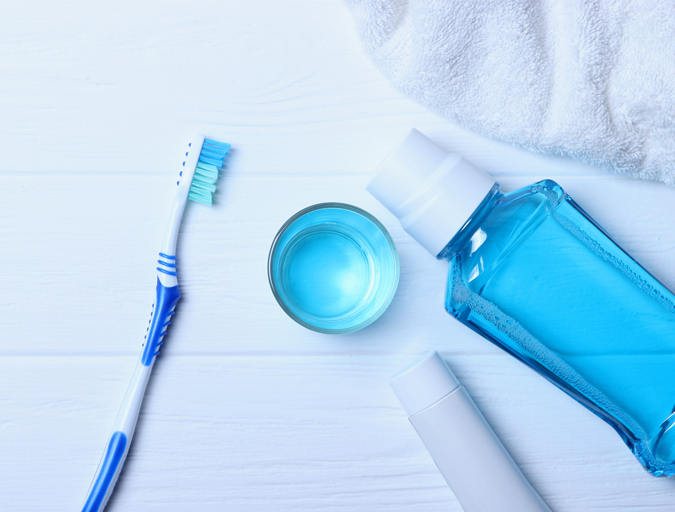
Topical fluoride is applied straight to your teeth that are already in your mouth. You'll find it in everyday items like toothpaste, mouth rinses, and treatments your dentist provides. This helps protect your teeth and keep them healthy! Fluoride varnishes and foams used by professionals are also highly effective in reducing the risk of cavities.

Receiving A Fluoride Treatment From Your Dentist
Fluoride treatments performed during dental visits usually take only a few minutes. After application, your child may be advised to avoid rinsing, eating, or drinking for at least 30 minutes so the fluoride has time to work. Based on your child's dental requirements or your dentist's recommendations, these treatments might be suggested every three, six, or twelve months. In some cases, the dentist might suggest fluoride-containing products for home use, including gels, antibacterial rinses, or mouthwashes.
How To Choose The Right Fluoride Treatment
When picking a fluoride product for home use—like toothpaste or mouthwash—look for the American Dental Association's (ADA) Seal of Acceptance. This seal ensures the product has been tested and verified by the ADA for both safety and effectiveness.