770-664-1999


A crossbite is a common dental misalignment affecting children and adults. Early detection and treatment are crucial to prevent long-term dental problems and discomfort. But how can you tell if you or your child have a crossbite? This blog will explore the signs and symptoms of crossbite, the underlying issues with misaligned teeth, and the orthodontic treatment options available.
What Is a Crossbite?
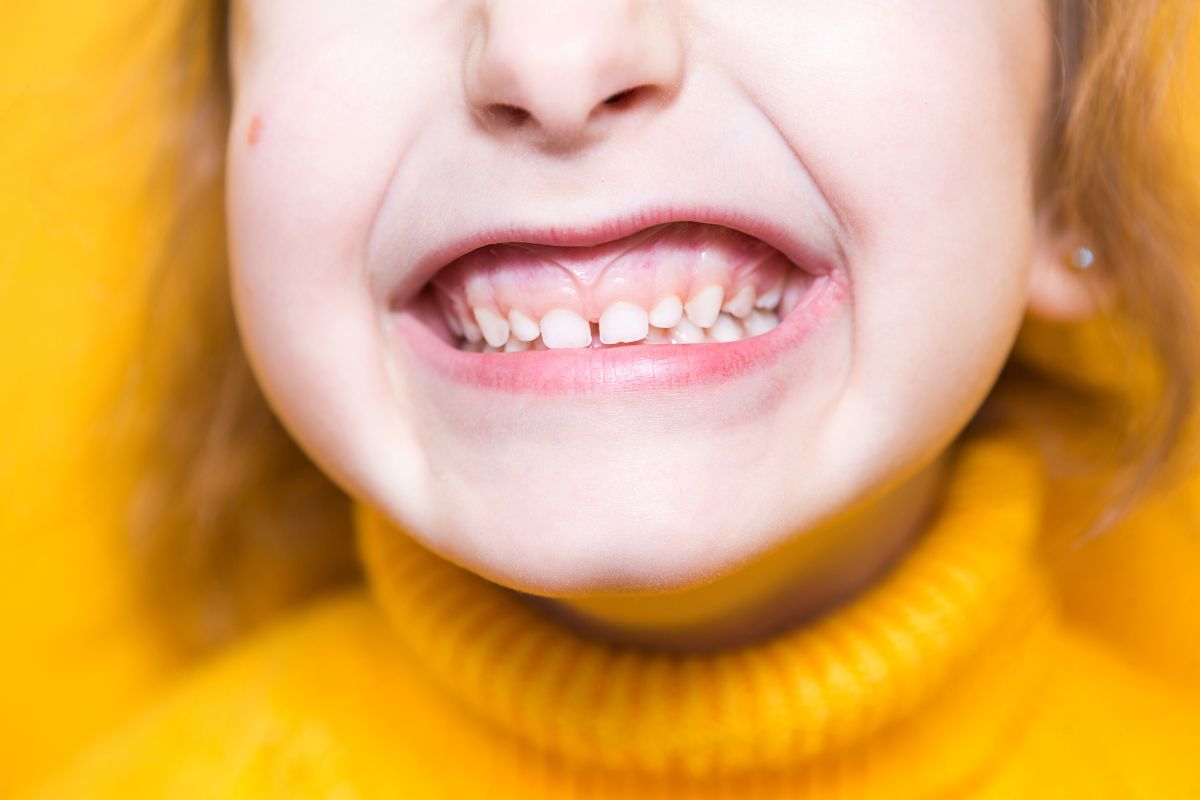
A crossbite occurs when the upper teeth fit inside the lower teeth when the mouth is closed. This misalignment can happen at the front (anterior crossbite) or at the back (posterior crossbite) of the mouth. Crossbites are often caused by genetics, prolonged thumb-sucking, or issues with jaw development.
There are two primary types of crossbites:
- Anterior Crossbite: Affects the front teeth, causing the upper teeth to sit behind the lower teeth.
- Posterior Crossbite: Affects the back teeth, causing the upper back teeth to sit inside the lower teeth.
Signs and Symptoms of Crossbite
It can sometimes be challenging to determine whether you or your child has a crossbite without the help of an orthodontist. However, some signs may indicate the presence of this dental misalignment:
- Difficulty Closing the Mouth Properly: If you or your child experience discomfort when trying to close the mouth, this could be a sign of crossbite.
- Jaw Discomfort or Clicking: Misaligned teeth often lead to jaw tension, which can cause discomfort or a clicking sound when the jaw moves.
- Uneven Wear on Teeth: Crossbites can result in uneven wear on the enamel of teeth, leading to sensitivity or even tooth damage over time.
- Facial Asymmetry: Over time, untreated crossbites may lead to uneven jaw growth, contributing to facial asymmetry.
- Mouth Breathing: Due to the improper alignment of the jaw, those with a crossbite may find it easier to breathe through their mouth rather than their nose.
If you notice any of these signs, it’s important to consult an orthodontist for a professional evaluation.
Misaligned Teeth: The Root of the Problem
Crossbite is just one example of dental misalignment. Misaligned teeth can manifest in various forms, including overbites, underbites, and overcrowding. These misalignments can affect the ability to chew, speak, and maintain proper oral hygiene. For children, misaligned teeth can interfere with natural jaw growth, leading to more severe dental issues in the future.
There are several causes of misaligned teeth, including:
- Genetics: Family history plays a significant role in dental alignment. If parents had a crossbite or another form of misalignment, their children are more likely to develop similar issues.
- Habits in Early Childhood: Prolonged thumb-sucking, bottle-feeding, or pacifier use can impact the growth of the jaw and lead to misalignment.
- Early Loss of Baby Teeth: If baby teeth fall out prematurely, this can cause the adult teeth to shift into improper positions.
Orthodontic Treatment for Crossbite
Once a crossbite has been identified, treatment options can vary depending on the severity of the condition and the age of the patient. Early intervention is particularly important in children, as their jaws are still developing, making it easier to correct the alignment.
Common orthodontic treatments include:
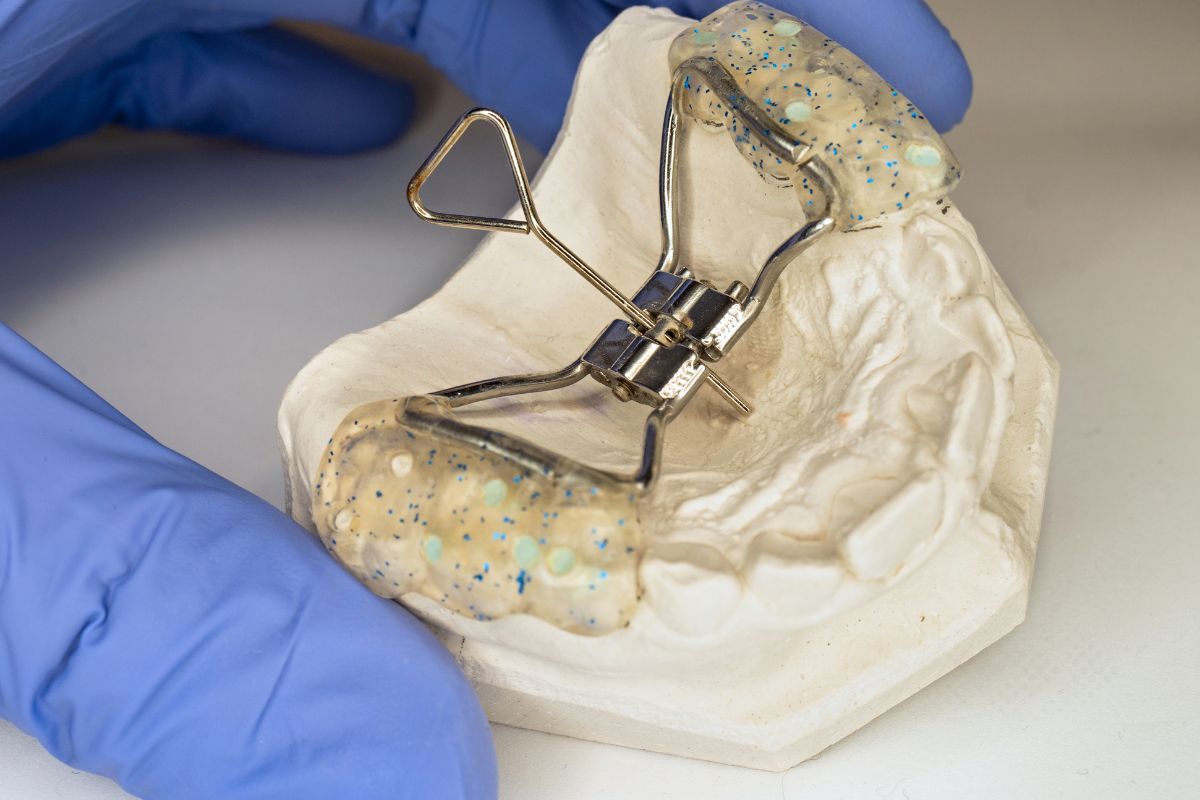
- Palatal Expanders: This device is commonly used in children and is placed on the roof of the mouth to gradually widen the upper jaw, encouraging the proper alignment of teeth.
- Braces: Traditional braces are often used for crossbite correction in both children and adults. They help adjust the positioning of teeth over time, correcting misalignment.
- Clear Aligners: Clear aligners like Invisalign can also be used for crossbite correction in some cases, especially for adults or teens who prefer a more discreet option than braces.
Bite Correction: Why It’s Important
Bite correction is crucial not only for aesthetic reasons but also for maintaining overall oral health. A misaligned bite can cause a variety of issues, including:
- Tooth Decay: Misaligned teeth are harder to clean, which increases the risk of plaque buildup and tooth decay.
- Jaw Pain: Incorrect alignment can lead to tension in the jaw muscles, causing pain or discomfort.
- Gum Disease: Crossbite can increase the risk of gum recession, leading to gum disease over time.
Addressing bite issues early through orthodontic treatment can prevent these complications and ensure long-term dental health.
Braces for Crossbite: How Do They Work?
Braces are one of the most common and effective treatments for crossbite. Whether using traditional metal braces or ceramic braces, the process involves attaching brackets to the teeth and connecting them with wires that apply pressure to move the teeth into proper alignment.
- Traditional Metal Braces: These braces are highly effective for severe crossbite cases and can address both anterior and posterior crossbites.
- Ceramic Braces: Ceramic braces work similarly to metal braces but are less noticeable, making them a popular choice for teens and adults.
- Self-Ligating Braces: These braces are similar to traditional braces but use clips instead of elastic bands to hold the wire in place, which can reduce friction and make the treatment process more comfortable.
Crossbite Correction Methods: What Are the Options?
There are several methods for correcting crossbites, depending on the severity of the condition and the age of the patient. Early treatment is especially important for children, but adults can also benefit from correction methods.
- Palatal Expanders: As mentioned earlier, palatal expanders are most commonly used in children to widen the upper jaw and create space for proper alignment. The device is typically worn for several months to achieve the desired results.
- Braces: Braces are a versatile option for correcting both mild and severe crossbites. Treatment duration can vary from 12 to 36 months, depending on the complexity of the case.
- Clear Aligners: Clear aligners like Invisalign are becoming an increasingly popular method for crossbite correction, especially for adults who wish to avoid the appearance of traditional braces. Aligners work by applying gradual pressure to move teeth into the correct position.
- Jaw Surgery: In severe cases, jaw surgery may be necessary to correct the alignment of the jaw and teeth. This option is typically reserved for adults whose bones have stopped growing and who require more extensive correction.
Conclusion: Why You Should Seek Treatment
Crossbite can lead to long-term dental issues if left untreated. Early detection and orthodontic treatment can help align teeth properly and prevent complications like tooth decay, jaw pain, and gum disease. If you or your child are experiencing any symptoms of crossbite, it’s essential to consult with a professional orthodontist for evaluation and treatment.