770-664-1999

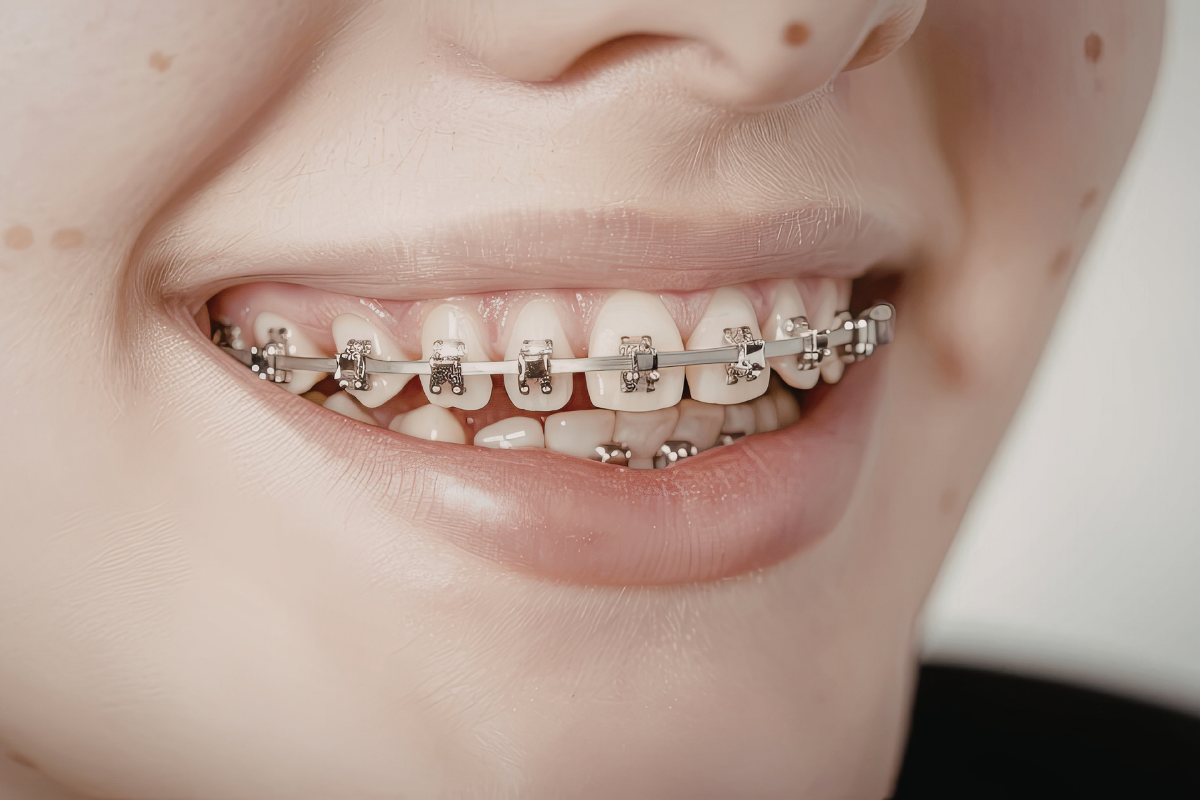
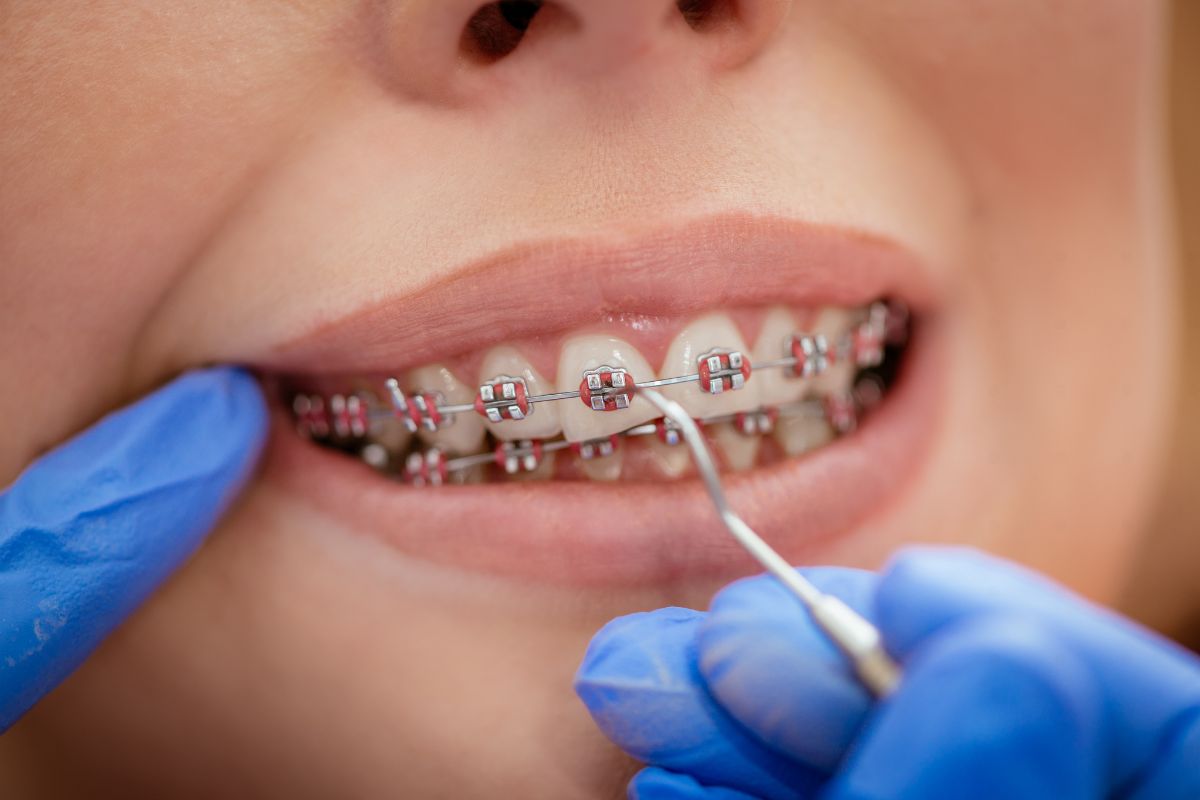
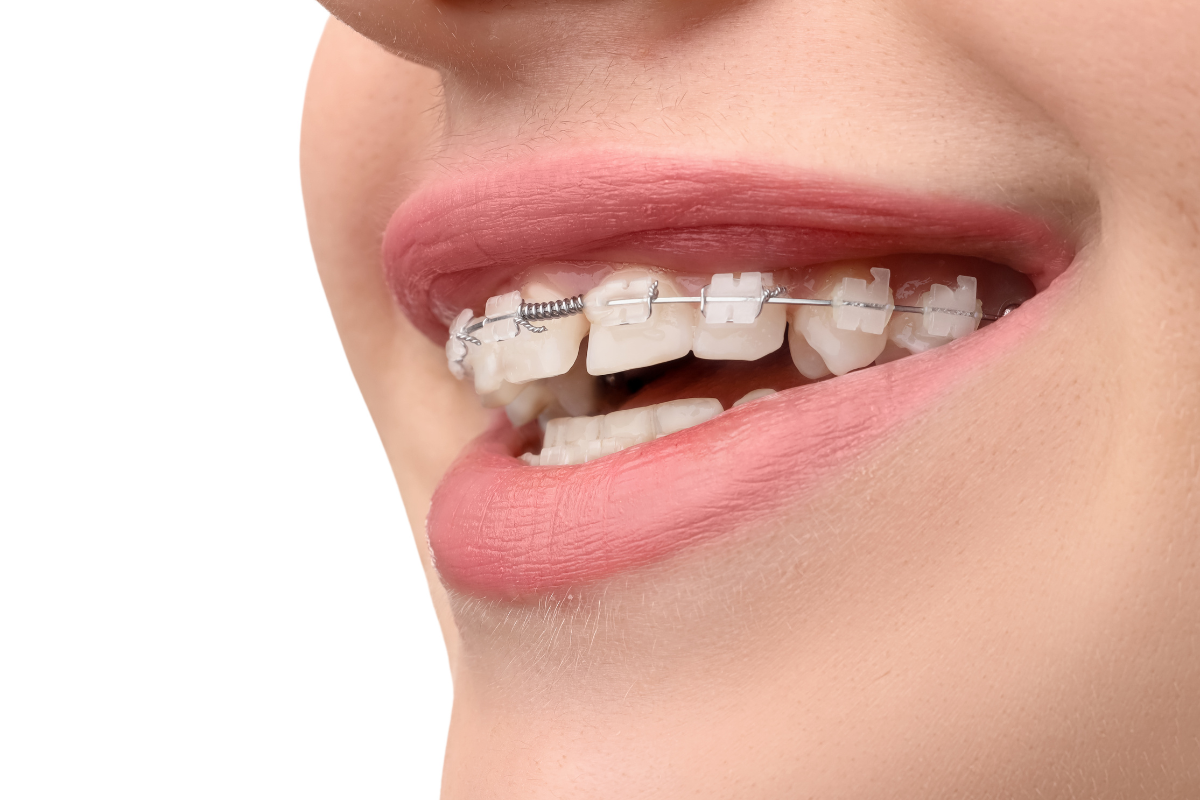
Getting braces is a big step toward a healthy smile. But many patients worry about breaking a bracket or bending a wire. The truth is, most damage can be avoided with simple daily habits.
This guide will help you protect your braces, avoid delays, and keep your treatment on track.
Why It Is Important to Protect Your Braces
Your braces work by applying steady pressure to move teeth into the right place. When a bracket breaks or a wire shifts, that pressure is lost.
This can lead to:
- Longer treatment time
- Extra visits to fix issues
- More discomfort
Taking care of your braces helps you stay on schedule and avoid stress.
Common Causes of Damage
Most problems happen during daily routines. Here are the main reasons braces get damaged:
- Eating hard or sticky foods
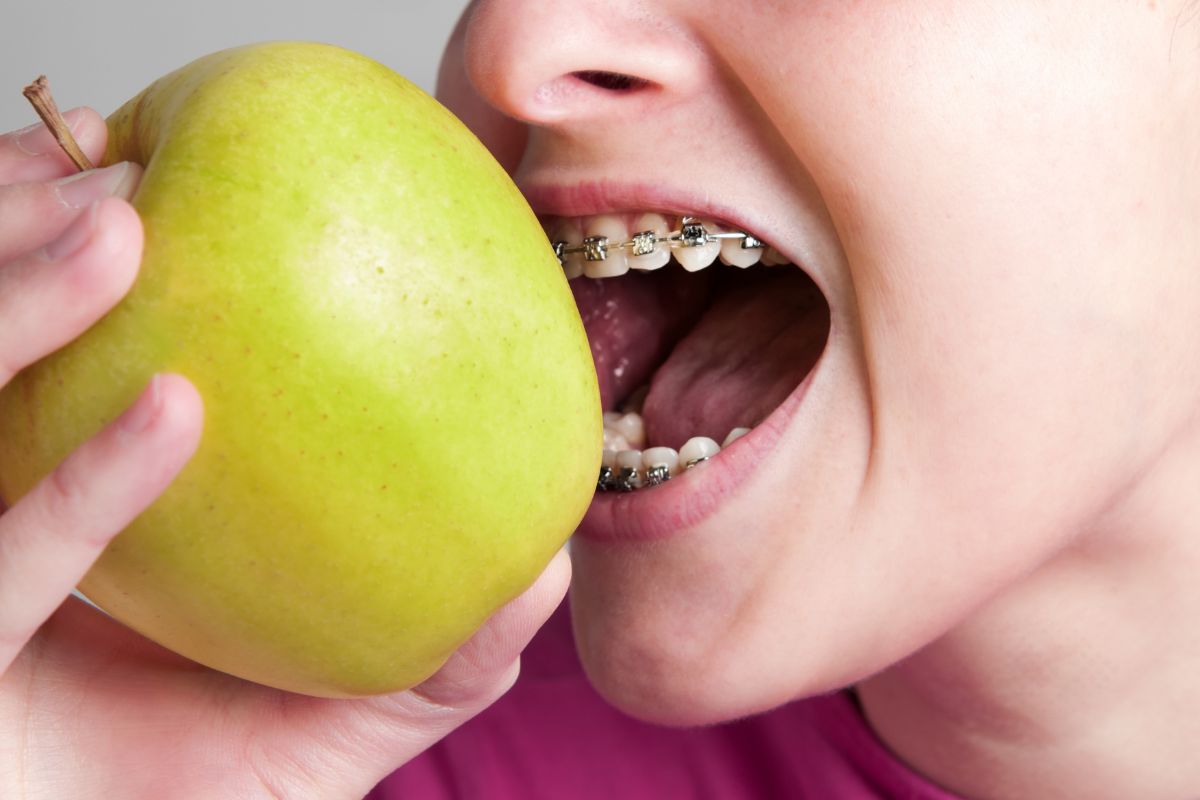
- Biting into foods like apples or corn on the cob
- Chewing on pens, nails, or ice
- Playing sports without a mouthguard
Knowing the causes helps you prevent them.
Smart Eating Habits That Protect Your Braces
Food plays a big role in keeping your braces safe.
Foods to Avoid
- Hard candy and nuts
- Sticky snacks like caramel or gum
- Crunchy chips and popcorn
These foods can pull off brackets or bend wires.
Better Food Choices
- Soft fruits, cut into small pieces
- Cooked vegetables
- Pasta, rice, and eggs
Cutting food into small bites also helps reduce pressure on your teeth.
Daily Care Tips That Make a Difference
Taking care of your braces each day is simple but important.
Brush Gently and Often
Brush after every meal. Use a soft brush and take your time around brackets.
Floss With Care
Use floss tools made for braces. This helps clean between teeth without damaging wires.
Rinse Your Mouth
Rinse after eating to remove food stuck in your braces.
Avoid Bad Habits
Do not bite nails, chew ice, or use your teeth to open things.
Protect Your Braces During Activities
If you play sports or stay active, protect your smile.
- Wear a mouthguard during games
- Avoid rough contact when possible
- Be mindful during physical play
A simple guard can prevent major damage to your braces.
What to Do If Something Breaks
Even with care, small issues can happen.
If you notice:
- A loose bracket
- A poking wire
- Pain or swelling
Call the dentist or dental practice as soon as possible. Do not try to fix it yourself. You can use orthodontic wax to cover sharp areas until your visit.
Local Support for Your Orthodontic Care
If you need help with your braces, Crabapple Pediatric Dentistry & Orthodontics is located at 12385 Crabapple Rd #100, Alpharetta, GA 30004.
The clinic is easy to find and close to familiar places like Wills Park, where families often spend time after visits. If you are waiting during an appointment, nearby cafes provide a quiet and comfortable space.
You can call the dentist or dental practice before your visit to ask questions or get guidance on any issue with your braces.
Simple Habits That Keep Treatment on Track
Small daily choices can make a big difference.
- Follow food guidelines
- Keep up with oral care
- Attend all scheduled visits
- Report problems early
These habits help your braces do their job without delays.
Conclusion
Avoiding damage to braces is all about awareness and simple care. By choosing the right foods, keeping your mouth clean, and protecting your teeth during activities, you can prevent most problems.
If you ever feel unsure or notice an issue, do not wait. Schedule a consultation with Crabapple Pediatric Dentistry & Orthodontics to keep your treatment moving forward. You can also contact our Crabapple Pediatric Dentistry & Orthodontics office for help and guidance whenever needed.
FAQs on Braces
What foods are most likely to damage braces?
Hard and sticky foods are the biggest risk. Items like nuts, candy, gum, and popcorn can break brackets or bend wires. It is best to avoid these and choose softer options.
Can I still eat fruits and vegetables safely?
Yes, but you should cut them into small pieces. Avoid biting directly into hard foods like apples or carrots. This helps reduce pressure on your teeth and braces.
How do I know if my braces are damaged?
You may notice a loose bracket, a wire sticking out, or discomfort while eating. If something feels different or painful, it is best to have it checked.
What should I do if a wire starts poking my cheek?
You can place orthodontic wax over the sharp area to reduce irritation. Then contact your dental provider to fix the issue as soon as possible.
Are mouthguards really necessary during sports?
Yes. A mouthguard protects both your teeth and braces from impact. It is a simple way to prevent serious damage during physical activity.
Can poor cleaning habits damage braces?
Yes. Food buildup can lead to plaque, which may weaken the area around brackets. Good cleaning habits help keep both your teeth and braces in good condition.