770-664-1999

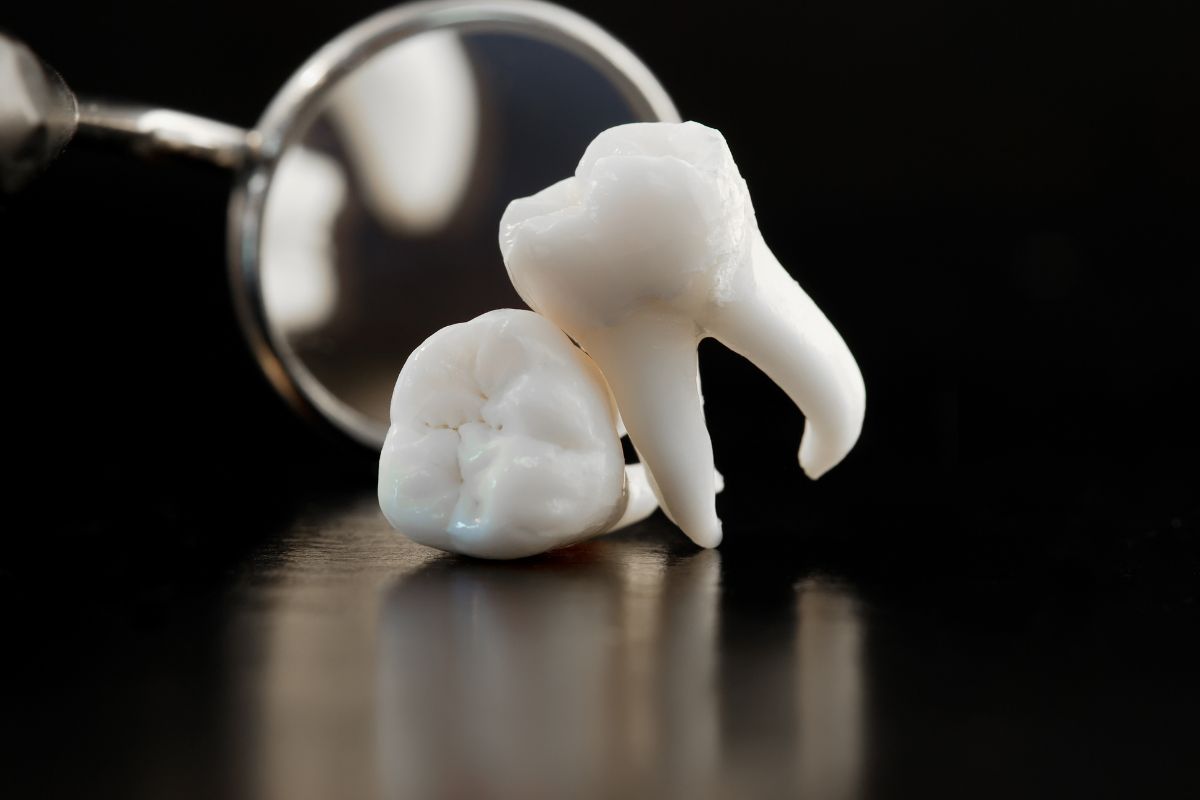
Wisdom teeth, or third molar teeth, are the last set to erupt. These teeth usually begin to appear between the ages of 17 and 21, though some people may develop them earlier or later. While not everyone experiences problems, these teeth can sometimes grow in a way that causes pain, crowding, or even infections. This happens when your third molars haven’t fully emerged from the gums or are positioned at an awkward angle.
A common issue arises when the mouth has insufficient space to accommodate all the teeth. In such cases, the wisdom teeth may stay partially or fully beneath the gums. This can cause a variety of complications, including dental emergencies. Continue scrolling down for insights into impacted molar teeth and when to consult an orthodontist for immediate treatment.
What Causes Obstructed Wisdom Teeth?
Most people have four wisdom teeth, with two located on the top and two on the bottom. Problems might begin when the jaw doesn’t have enough room for them to emerge properly. As a result, they may grow sideways, tilt at an angle, or only partially break through the gums. In some cases, these teeth become trapped in the jawbone, resulting in swelling, pain, and infection. This is when a prompt diagnosis and treatment planning becomes necessary by visiting an emergency dentist.
Besides space limitations, other factors, such as genetics and the natural alignment of your teeth, can also play a role. Third molars are more likely to grow improperly if a person has a small mouth or already crowded teeth.
Symptoms of Impacted Third Molars
Not all problematic wisdom teeth will cause immediate symptoms. However, when it does, the discomfort can be severe and often requires emergency dental care. Common signs include:
- Pain in the back of the mouth or jaw
- Swollen, tender, or bleeding gums
- Difficulty opening the mouth or chewing
- Bad breath or an unpleasant taste
- Headaches or earaches
- Shifting of other teeth due to pressure
In more severe cases, fluid-filled cysts can develop around the tooth, potentially damaging surrounding teeth or bone.
How Does An Emergency Dentist Manage Wisdom Teeth Issues?
Emergency dentists are trained to handle urgent oral health complications, including assessing and extracting impacted wisdom teeth. These practitioners can provide immediate relief from pain and prevent further discomfort associated with partially erupted teeth.
Problematic wisdom teeth are commonly associated with various issues, including infection, damage to adjacent teeth, and cyst formation. If you experience pain, swelling, or infection, visit our dental office for a quick assessment and urgent care.
When Is Extraction Recommended for Impacted Teeth?
Consult a dental practitioner if you or your loved one is experiencing discomfort around the back molars. Early evaluation, often through X-rays, can help determine if intervention is necessary. In some cases, no action is needed as long as the teeth are healthy and aligned. However, if pain, infection, or damage occurs, an emergency dentist can perform a complete extraction.
Impacted wisdom teeth can damage oral health, causing sleepless nights, intolerable pain, and other complications. The only way to determine whether your obstructed molar teeth require emergency treatment is to visit a dental clinic. Book an appointment with our dentist to learn the best approach to treating this condition.