770-664-1999

Braces are a common orthodontic treatment that helps straighten teeth and correct bite issues. While wearing braces can significantly improve your smile, issues like broken wires can cause concern for patients. If you have braces, you might wonder if a broken wire constitutes a dental emergency and what steps you should take. This blog will guide you through what to do when you experience a broken wire and how to handle the situation effectively.
Understanding the Role of Braces Wires
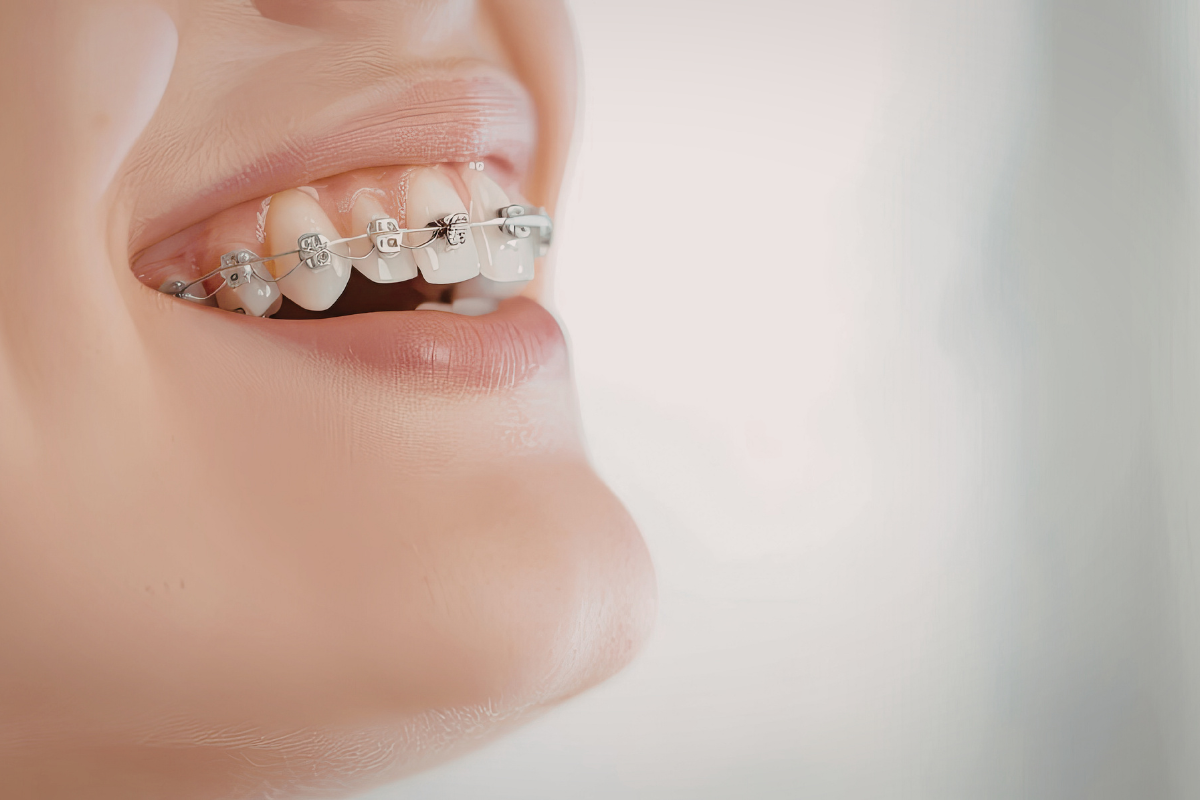
The wire in your braces, known as the archwire, is a crucial component of the system. It connects the brackets placed on your teeth, allowing for controlled movement over time. The archwire works with rubber bands or other attachments to gradually shift your teeth into the desired position.
A broken wire can be caused by various factors, including accidentally biting into hard foods, trauma to the mouth, or simply the wear and tear of daily use. While a broken wire may cause some discomfort, it is important to understand whether or not it constitutes a true dental emergency.
When is a Broken Wire Considered a Dental Emergency?
Not all broken wires are a cause for immediate concern, but there are specific circumstances in which you should seek prompt attention. The severity of the situation determines whether or not a broken wire is an emergency.
1. Discomfort and Pain
If the broken wire is poking into the inside of your mouth or gums, it can cause irritation and significant pain. This is especially true if the wire has shifted and is now pressing against sensitive areas, such as your cheeks or tongue. In such cases, while it may not be an immediate life-threatening emergency, it should be addressed quickly to alleviate discomfort.
2. Inability to Wear Your Braces Properly
If the wire breaks and prevents your braces from functioning as intended—especially if a bracket has also come loose—it may disrupt the treatment process. This can delay your progress and hinder your treatment timeline. In this case, it is important to get the wire repaired as soon as possible to avoid setbacks in your orthodontic plan.
3. Uncontrolled Movement of Teeth
Sometimes, a broken wire may lead to unintended or uncontrolled movement of your teeth, which could worsen your orthodontic situation. If the wire is not in place properly, it can cause a misalignment or even damage to the teeth. If you notice that your teeth are shifting unnaturally after a wire breaks, it’s important to see your orthodontist right away to prevent further complications.
What to Do If Your Braces Wire Breaks
While it’s best to contact your orthodontist as soon as you notice a broken wire, you can take several immediate steps to manage the situation before you can get professional help.
1. Assess the Damage
Before reacting, assess the situation carefully. Is the wire simply bent or detached, or is it broken entirely? Take note of the position of the wire and any discomfort you may be experiencing. If the wire is simply poking into your mouth but not causing any significant pain, you can try to adjust it yourself, especially if you’re unable to get to your orthodontist immediately.
2. Use Orthodontic Wax
Orthodontic wax is a common solution for temporary relief when braces irritate. If the broken wire is poking into your gums or cheek, roll a small ball of wax and place it over the wire. This will help protect your mouth from further irritation until you can see your orthodontist.
3. Cut the Wire Carefully
If the wire is sticking out and causing pain, and you cannot reach your orthodontist immediately, you can try using a pair of sterilized tweezers or small scissors to cut the wire carefully. Be sure to cut it as close to the bracket as possible to avoid causing additional injury to your mouth. However, only attempt this if you are comfortable doing so—if in doubt, it’s better to leave the wire alone until professional help is available.
4. Avoid Hard or Sticky Foods
After a wire breaks, it’s crucial to avoid hard or sticky foods that could cause further damage to your braces or wire. Soft foods are your best bet until your orthodontist can address the issue. This will prevent any additional strain on your braces and allow your orthodontist to assess the damage without complications.
5. Contact Your Orthodontist
Even if the issue seems minor, always contact your orthodontist’s office as soon as possible. They can provide instructions on how to manage the broken wire until you can make an appointment for a repair. Some orthodontists have emergency appointments or offer ways to fix the issue quickly, so don’t hesitate to reach out for professional guidance.
Preventing Broken Wires in the Future
While accidents happen, there are several things you can do to reduce the chances of experiencing a broken wire in the future.
1. Be Cautious with Your Diet
Avoiding foods that are too hard, crunchy, or sticky can help prevent damage to your braces. Foods like hard candies, popcorn, and gum can put unnecessary strain on your wires. Cutting up your food into smaller pieces also reduces the pressure on your braces and helps protect them.
2. Wear a Mouthguard During Sports
If you play contact sports, wearing a mouthguard is essential. This helps protect your braces and prevent any injury to your teeth or wires. Accidents during sports are a common cause of broken wires, so being proactive with protection is key.
3. Attend Regular Orthodontic Checkups
Regular checkups with your orthodontist are essential for ensuring that your braces remain in good condition. During these visits, your orthodontist can check for any potential issues, including signs of wear on your wires. Keeping your appointments will help catch problems early and prevent serious issues later.
Conclusion
A broken wire in your braces may not always constitute a dental emergency, but it can cause discomfort and affect your treatment progress. Understanding when a broken wire requires immediate attention and how to manage the situation will help you navigate these challenges more effectively. Always contact your orthodontist for advice, and follow good oral care habits to avoid further damage.