770-664-1999


Breathing should feel easy. But for many people, it does not. You may notice mouth breathing, snoring, or feeling tired even after a full night’s sleep. These signs can point to deeper issues with the jaw, teeth, or airway.
As an orthodontist, I often see how the shape of the mouth and jaw can affect breathing. The good news is that certain orthodontic treatments may help improve airflow and support better breathing over time.
Let’s break this down in a simple way so you can understand what may be going on and what steps can help.
How Are Teeth, Jaw, and Breathing Connected?
Your mouth is part of your airway system. The position of your teeth and jaw can change how air moves in and out.
If the jaw is too narrow or set back, it can limit the space for the tongue. When this happens, the tongue may fall back and block the airway, especially during sleep.
Some common signs include:
- Mouth breathing during the day or night
- Snoring or noisy breathing
- Dry mouth in the morning
- Trouble focusing due to poor sleep
- Feeling tired even after rest
An orthodontist checks not only your teeth but also how your bite and jaw line up. This helps find out if your airway may be affected.
What Causes Breathing Issues Related to Oral Structure?
Breathing problems linked to the mouth and jaw can come from:
Narrow Dental Arches
A small upper jaw can reduce space in the nasal area, making nose breathing harder.
Misaligned Bite
An overbite, underbite, or crossbite can change jaw position and affect airflow.
Crowded Teeth
When teeth are crowded, the tongue has less room, which can affect breathing.
Poor Oral Habits
Thumb sucking or long-term mouth breathing in childhood can shape how the jaw grows.
These factors often work together. That is why early checks with an orthodontist are helpful.
How Can Orthodontic Treatment Support Better Breathing?
Not all breathing problems come from the teeth or jaw. In many cases, orthodontic treatment can play a helpful role.
Here’s how:
Expanding the Jaw
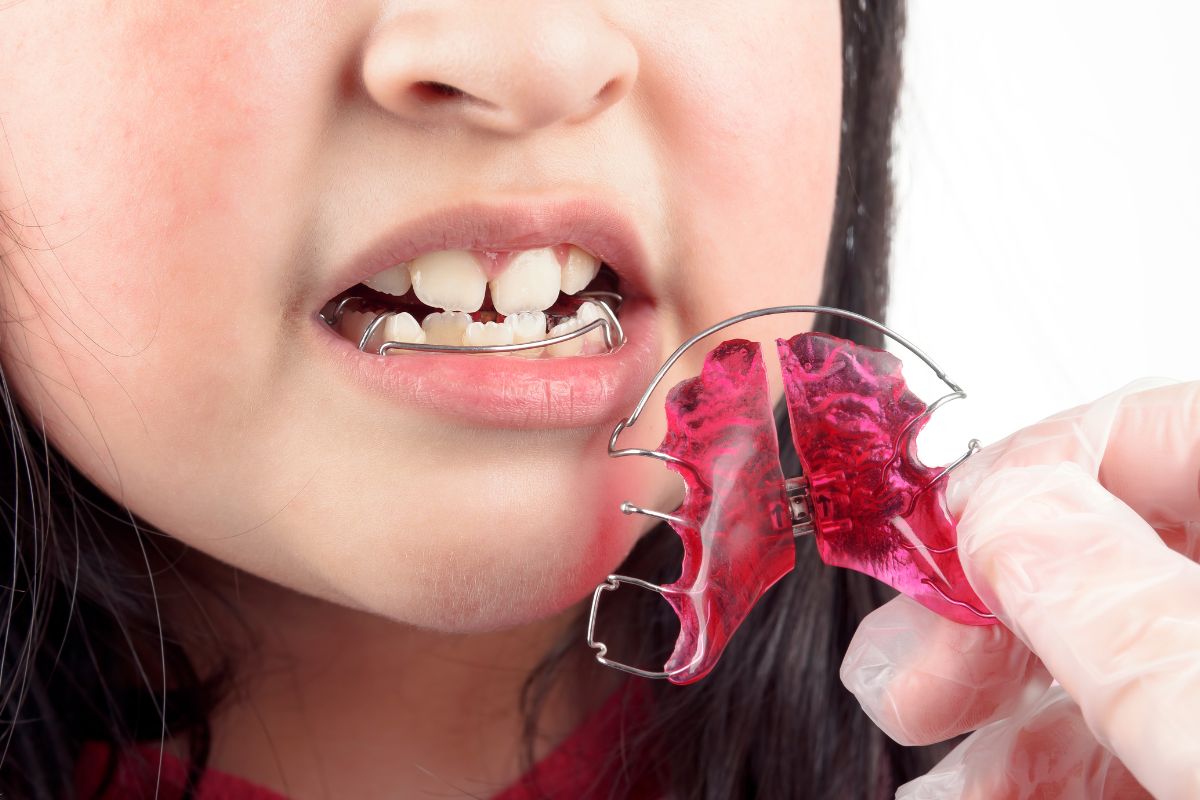
Some orthodontic treatments help widen the upper jaw. This can create more space in the nasal passages and improve airflow.
Improving Jaw Position
Aligning the bite can move the jaw into a better position, which may open the airway.
Creating Room for the Tongue
When teeth are aligned, the tongue can rest in a natural spot, reducing airway blockage.
Supporting Nasal Breathing
With a better jaw structure, nose breathing becomes easier, which is healthier than mouth breathing.
An experienced orthodontist will look at your full facial structure before suggesting any plan.
When Should You Consider an Evaluation?
You do not have to wait for severe symptoms. Early signs matter.
Consider seeing an orthodontist if you notice:
- Your child breathes through their mouth often
- Snoring or restless sleep
- Teeth that look crowded or uneven
- Jaw pain or clicking
- Trouble chewing or biting
In growing children, early orthodontic treatment can guide jaw growth. For adults, treatment can still help improve structure and function.
What to Expect During an Orthodontic Visit
Your visit is simple and clear.
The orthodontist will:
- Check your teeth and bite
- Review jaw position
- Look at facial balance
- Ask about sleep and breathing habits
In some cases, they may suggest working with other health providers. Breathing issues can involve more than one factor, so a team approach can help.
Local Insight: Why This Matters for Families
In many communities, busy schedules and school demands can make sleep problems easy to miss. Kids may seem restless or have trouble focusing, while adults may ignore snoring or fatigue.
Local families often come in thinking it is just a dental issue. But once we look closer, we see how airway health connects to daily life. Addressing these concerns early with the right orthodontic treatment can support better sleep, focus, and comfort.
At Crabapple Pediatric Dentistry & Orthodontics, we take the time to understand these concerns in a calm and clear way, so families feel informed at every step.
Simple Daily Habits That Support Better Breathing
Along with care from an orthodontist, small habits can help:
- Encourage nose breathing during the day
- Maintain good oral hygiene
- Maintain a healthy sleep routine
- Stay aware of posture, especially in kids
These steps support the results of orthodontic treatment and improve overall health.
Conclusion
Breathing issues are not always just about the lungs or nose. The shape of your teeth and jaw can play a part. A skilled orthodontist can help identify if your airway is affected and guide you toward the right care.
If you or your child has signs of poor breathing or sleep concerns, it may be time to take a closer look. Orthodontic treatment can do more than straighten teeth. They can support how you breathe and feel each day.
To learn more, schedule a consultation with Crabapple Pediatric Dentistry & Orthodontics or contact our Crabapple Pediatric Dentistry & Orthodontics office. A simple visit can give you clear answers and the next best step.
FAQs
Can orthodontic care really improve breathing?
Yes, in some cases. When the jaw and teeth affect the airway, correcting their position can help improve airflow and reduce blockage.
Is mouth breathing a concern for children?
Yes. Long-term mouth breathing can affect jaw growth and tooth alignment. Early evaluation helps guide proper development.
Do adults benefit from treatment for breathing concerns?
Yes. Adults can still see improvement in jaw alignment and airway space with proper care.
How do I know if my child’s breathing is not normal?
Watch for snoring, open-mouth sleeping, or tiredness during the day. These signs may need further evaluation.
Will treatment fix all breathing problems?
Not always. Breathing issues can have many causes. Care may involve more than one type of health provider.
Is snoring always linked to dental issues?
No. Snoring can come from many factors, but jaw and airway structure can play a role in some cases.