770-664-1999

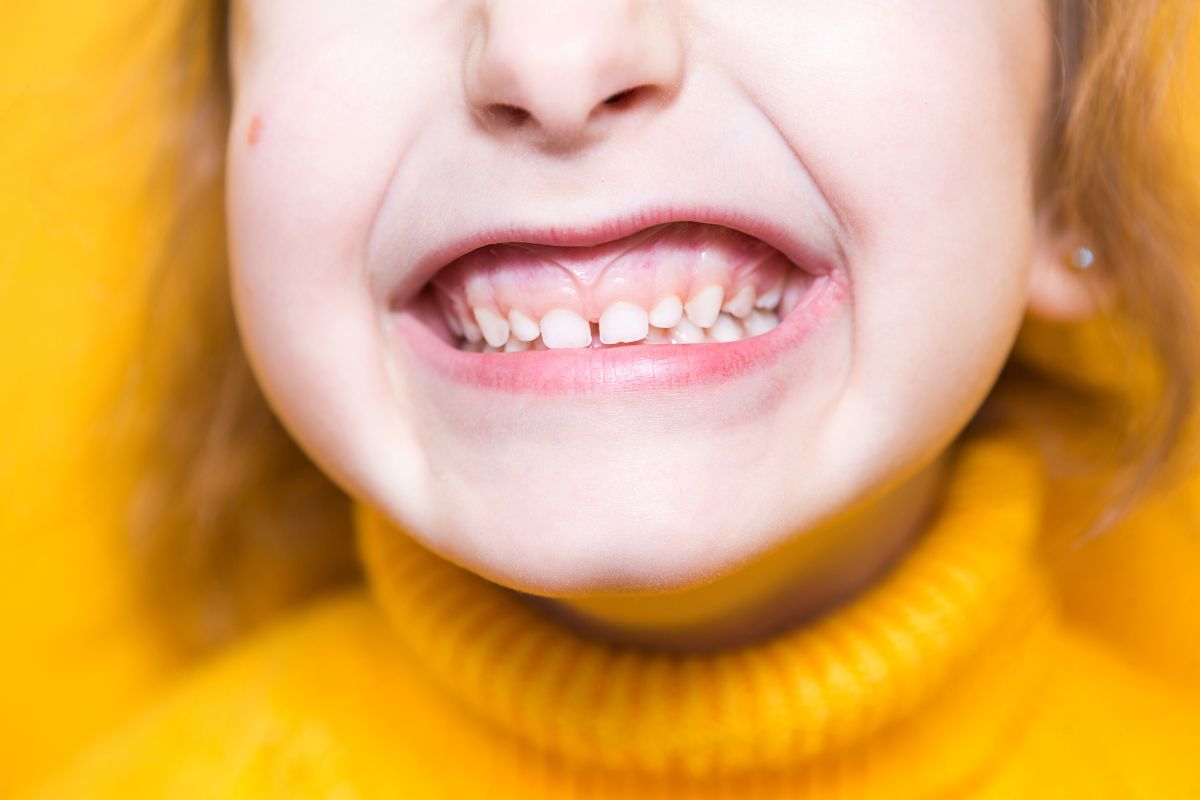
A child’s bite can change as the teeth and jaws develop. Underbite or overbite correction in children may involve monitoring growth, guiding tooth movement, or using orthodontic appliances when treatment becomes appropriate. At Crabapple Pediatric Dentistry & Orthodontics in Alpharetta, parents can learn how orthodontists evaluate bite concerns and determine when treatment may help.
What Is an Underbite or Overbite?
A bite describes how the upper and lower teeth come together when the mouth closes.
With an overbite, the upper front teeth overlap the lower front teeth vertically. A small amount of overlap can be normal. However, a deeper overlap may affect the way the teeth meet.
An underbite occurs when the lower front teeth sit in front of the upper front teeth. The cause can involve tooth position, jaw development, or a combination of factors.
Because children are still growing, orthodontists consider more than the visible position of the front teeth.
Because bite problems can involve both tooth position and jaw development, an evaluation by an Alpharetta orthodontist for kids can help determine whether your child needs treatment now or continued monitoring.
Why Does Growth Matter in Orthodontic Treatment?
Children do not have a finished adult bite. Their jaws, teeth, and facial structures continue developing.
Therefore, timing can matter when an orthodontist evaluates a bite problem.
Some children need early monitoring rather than immediate treatment. Others may benefit from treatment during a specific stage of growth.
Growth Can Affect the Treatment Plan
An orthodontist may look at:
- The child’s age and stage of dental development
- The relationship between the upper and lower jaws
- Tooth crowding or spacing
- The position of permanent teeth
- Facial growth patterns
- The way the teeth contact each other
- Oral habits that may affect development
The orthodontist combines these findings to create an individualized plan.
How Is an Overbite Evaluated?
An overbite does not always require treatment. The orthodontist first determines how the upper and lower teeth relate to each other.
A deeper overbite can sometimes affect the lower teeth, gums, or overall bite function. However, the impact varies between children.
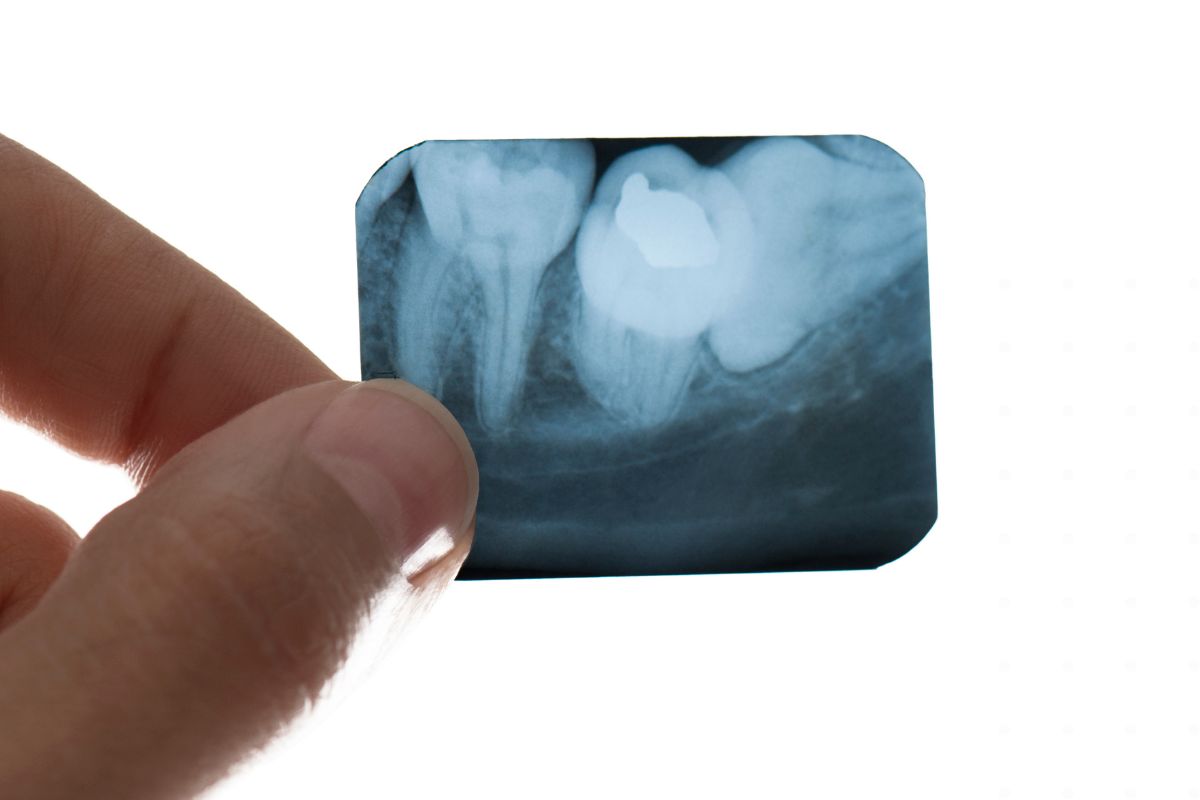
The evaluation may include a visual examination, photographs, dental records, and imaging when appropriate.
Treatment May Address Teeth or Jaw Relationships
If tooth position contributes to the overbite, orthodontic treatment may help guide the teeth into better alignment.
In other cases, the relationship between the jaws plays a larger role. Because growth continues during childhood, an orthodontist may monitor development before choosing a specific treatment approach.
That approach allows treatment decisions to reflect the child’s actual development rather than age alone.
How Is an Underbite Evaluated?
Underbites deserve careful evaluation because the cause can vary.
For one child, the lower teeth may simply sit too far forward. For another, jaw development may contribute more strongly to the bite relationship.
As a result, an orthodontist needs to examine the complete bite before recommending treatment.
Why Early Evaluation Can Help
Early evaluation does not automatically mean early braces.
Instead, an orthodontic evaluation can help identify developing concerns and determine whether monitoring makes sense.
For example, an orthodontist may recommend observation when the bite remains stable and treatment can wait. On the other hand, a child with a developing jaw relationship may benefit from intervention during growth.
The American Association of Orthodontists notes that orthodontic problems can involve both inherited and acquired factors. These may include tooth development, oral habits, and jaw relationships.
What Treatment Options Might Children Need?
There is no single appliance that corrects every bite problem.
Treatment depends on the child’s specific diagnosis and stage of development.
Possible approaches may include:
- Traditional braces
- Clear orthodontic appliances when appropriate
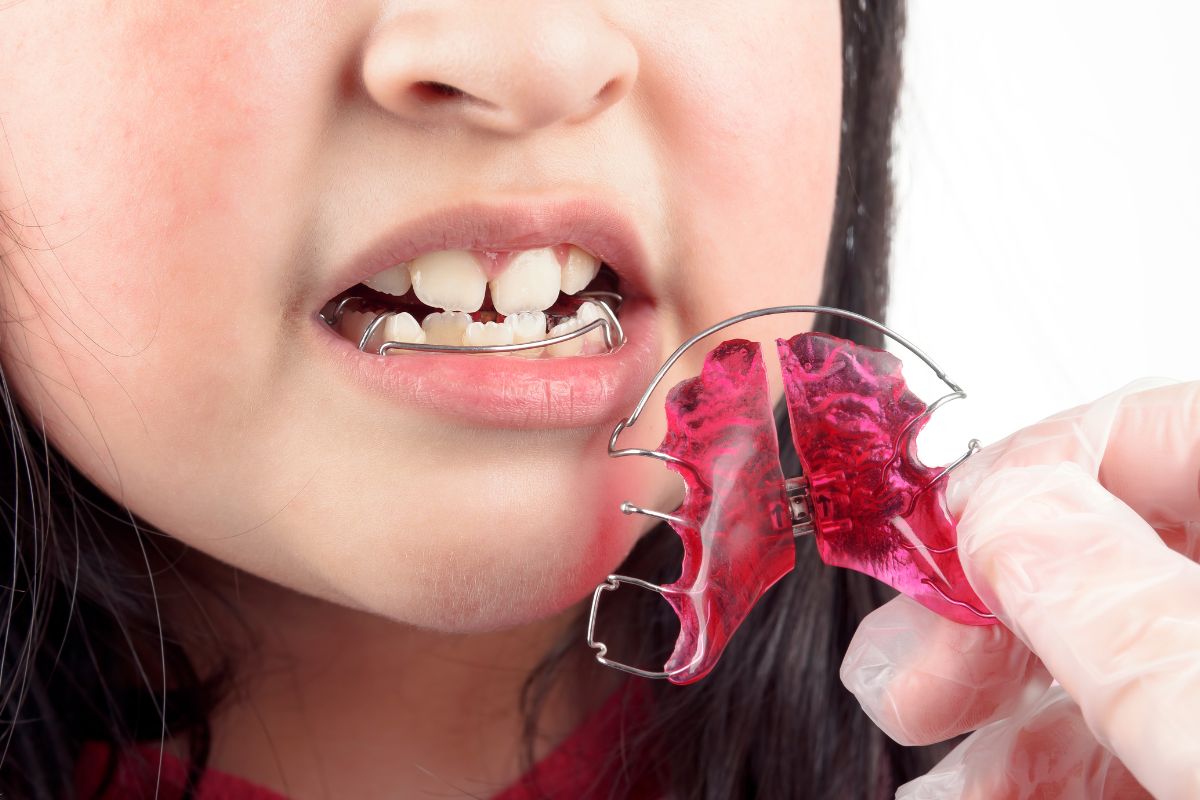
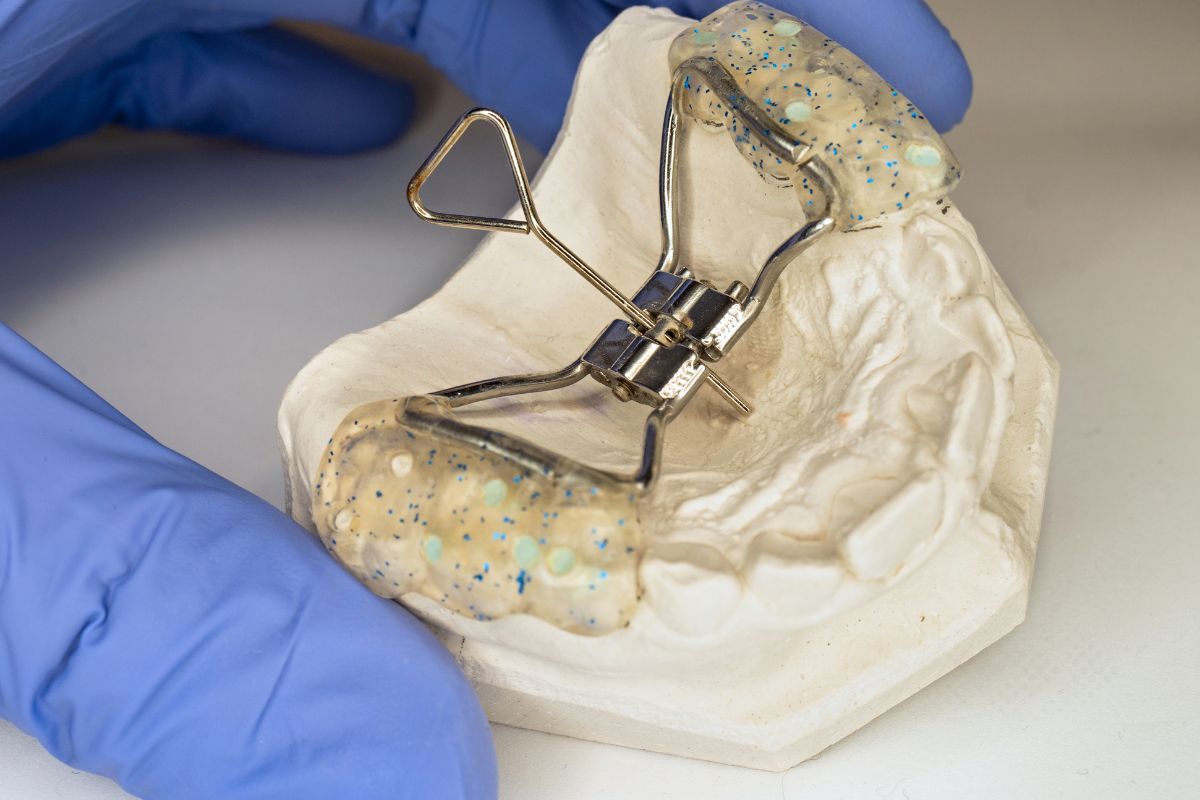
- Removable appliances
- Functional appliances
- Space management
- Growth monitoring
- Other orthodontic devices
The orthodontist selects the approach based on the problem being treated.
Braces Move Teeth
Braces apply controlled forces to guide teeth into better positions. They can help correct crowding, spacing, and certain bite relationships.
However, braces do not treat every jaw concern in the same way. Therefore, an orthodontist must determine whether the primary issue involves tooth position, jaw development, or both.
Appliances May Guide Development
Some growing children may use appliances designed to influence tooth or jaw relationships.
The timing matters because the treatment plan needs to match the child’s development. Parents should also understand how the appliance works and how their child should use or care for it.
What Can Parents Watch for at Home?
Parents may notice signs that deserve an orthodontic evaluation. Still, appearance alone cannot determine whether treatment is necessary.
Consider speaking with an orthodontist if you notice:
- Upper or lower front teeth appear far ahead of the other arch
- The child struggles to bite or chew comfortably
- Teeth do not meet evenly
- The child frequently bites the cheeks
- The child has significant crowding
- The jaw appears noticeably shifted when biting
- Baby teeth remain while permanent teeth begin erupting in unusual positions
These signs do not automatically mean that a child needs treatment. Instead, they can provide a reason to ask questions.
Does Every Bite Problem Need Immediate Treatment?
No. Timing varies.
Some bite differences remain stable and need only periodic monitoring. Others may become more difficult to manage if they continue developing without attention.
That is why an orthodontic evaluation can be useful even when the child does not need braces immediately.
Monitoring Is Part of Orthodontic Care
Parents sometimes assume that an orthodontic consultation leads directly to treatment. In reality, observation can be a valuable part of care.
A child may return periodically so the orthodontist can track tooth eruption, jaw growth, and changes in the bite.
This approach gives the orthodontist more information over time. It also allows parents to understand what changes they should watch for.
Helping Children During Orthodontic Treatment
Once treatment begins, children need support at home.
Parents can help by making oral hygiene part of the daily routine. Regular brushing and careful cleaning around appliances become especially important.
Children should also follow instructions about foods, elastics, appliances, and appointments.
Consistency matters. Small daily habits can make orthodontic treatment easier to manage.
Underbites and overbites can develop for different reasons, and children may need different treatment approaches. Growth, tooth position, jaw relationships, and dental development all influence the treatment plan. In many cases, early evaluation helps an orthodontist decide whether to treat, monitor, or reassess later.
If you have concerns about your child’s bite or tooth development, schedule an appointment with Crabapple Pediatric Dentistry & Orthodontics.