770-664-1999


Choosing braces for your child is an important step toward better oral health and a confident smile. Before starting orthodontic treatment, parents should understand when braces may be needed, which treatment options are available, how long treatment may take, and what daily care their child will need. Preparing in advance can help children feel more comfortable and make the orthodontic experience easier for the entire family.
At Crabapple Pediatric Dentistry & Orthodontics in Alpharetta, parents can explore orthodontic options and learn how treatment can support their child’s developing smile. Understanding the basics of braces can help you ask the right questions and make informed decisions about your child’s orthodontic care.
1. Understand When Your Child May Need Braces
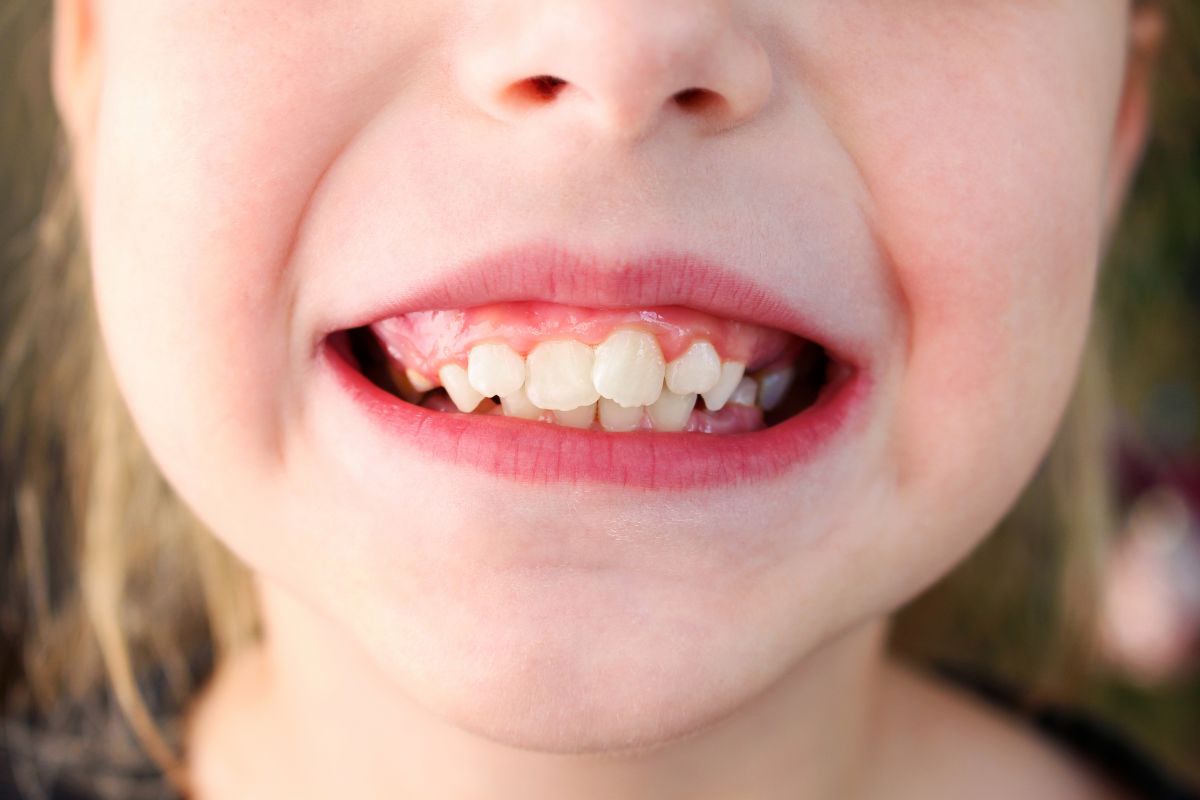
Not every child needs braces at the same age. However, certain dental concerns may indicate that an orthodontic evaluation would be helpful. Braces can correct problems with tooth alignment and the way the upper and lower teeth fit together.
Some common signs that a child may benefit from orthodontic treatment include:
- Crowded or overlapping teeth
- Noticeable gaps between teeth
- Upper teeth that extend too far over the lower teeth
- Lower teeth that sit in front of the upper teeth
- Difficulty biting or chewing comfortably
- Teeth that appear crooked or out of alignment
- Jaw discomfort or an uneven bite
These signs do not always mean that braces are necessary immediately. An orthodontist can evaluate your child’s teeth, jaw development, and bite to determine whether treatment is appropriate.
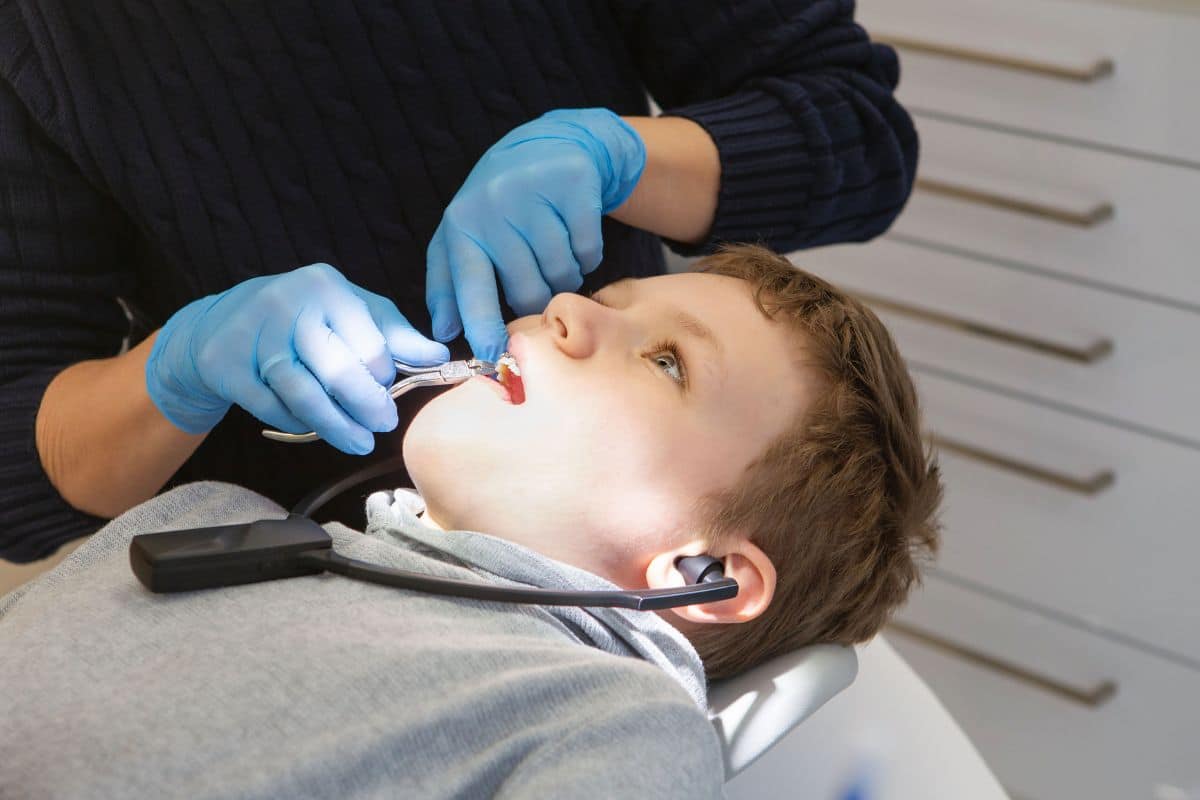
The American Association of Orthodontists recommends that children have their first orthodontic checkup by age seven. At this stage, an orthodontist can identify developing concerns and decide whether monitoring, early treatment, or treatment at a later age may be suitable.
2. Know Which Types of Braces Are Available
Parents should understand the available orthodontic options before choosing a treatment. The most appropriate option depends on the child’s dental needs, age, lifestyle, and ability to follow treatment instructions.
Traditional Metal Braces
Metal braces use brackets attached to the teeth and a wire that gradually guides them into better positions. They can treat many alignment and bite problems and remain a common choice for children and teenagers.
Metal braces stay attached to the teeth throughout treatment, so children do not need to remember to wear or remove them. However, they require regular cleaning and adjustments.
Ceramic Braces
Ceramic braces work similarly to traditional metal braces but use tooth-colored or less noticeable brackets. Some teenagers prefer this option because the brackets blend more naturally with their teeth.
Ceramic braces may require extra care to help prevent staining and damage. An orthodontist can explain whether they are suitable for your child’s specific needs.
Self-Ligating Braces
Self-ligating braces use specialized brackets that hold the orthodontic wire without traditional elastic ties. They are available in different designs, depending on the orthodontic system.
These braces still require routine appointments and careful oral hygiene. Their suitability depends on the treatment plan rather than a promise of faster or easier results.
Clear Aligners
Clear aligners are removable trays designed to move teeth gradually. They can appeal to older children and teenagers who prefer a less noticeable treatment option.
However, aligners must be worn according to the orthodontist’s instructions, usually around 20 to 22 hours per day, depending on the prescribed system. Children who frequently forget to wear them may struggle to achieve the planned results.
Parents can explore the types of braces available at Crabapple Pediatric Dentistry & Orthodontics to better understand the options before an orthodontic consultation.
3. Prepare for the Time Commitment
Orthodontic treatment does not produce results overnight. Many children wear braces for approximately 18 to 24 months, although the actual duration varies depending on the complexity of their dental concerns, growth, and response to treatment.
During this period, your child will need regular orthodontic appointments to monitor progress and make adjustments. Missed appointments, damaged brackets, and poor cooperation with treatment instructions may extend the timeline.
Before treatment begins, ask the orthodontist about the estimated duration, appointment schedule, and factors that could affect progress. Planning appointments around school, sports, and family activities can make the process more manageable.
4. Help Your Child Adjust to Braces
It is normal for children to experience mild soreness or pressure after braces are first placed or adjusted. The mouth may also need time to adapt to brackets and wires.
Parents can help their children feel more comfortable by offering soft foods, such as yogurt, mashed potatoes, scrambled eggs, and smoothies. Following the orthodontist’s instructions about discomfort management can also help during the adjustment period.
Children should avoid biting hard foods, chewing ice, and eating sticky treats that may damage brackets or wires. If a wire or bracket becomes loose, contact the orthodontic office for guidance.
Encouragement also matters. Explain that some initial discomfort is common and usually improves as the mouth adjusts. Helping your child understand the purpose of treatment can make it easier to stay motivated.
5. Make Oral Hygiene a Daily Priority
Braces create additional spaces where food particles and plaque can collect. Without proper cleaning, children may develop cavities, gum inflammation, or white marks on their teeth.
A consistent oral hygiene routine is essential throughout treatment.
Parents should encourage children to:
- Brush carefully at least twice daily with fluoride toothpaste.
- Clean around every bracket and along the gumline.
- Floss daily using a suitable floss threader or orthodontic cleaning aid.
- Rinse with water after meals when brushing is not possible.
- Attend regular dental checkups and professional cleanings.
Younger children may need help brushing effectively, especially during the early stages of treatment. Parents should check that their children clean all tooth surfaces rather than rushing through the routine.
6. Discuss Costs and Treatment Expectations
Before your child gets braces, ask for a clear explanation of the treatment fees and what the quoted cost includes. Expenses may vary according to the type of braces, treatment complexity, and length of care.
Check whether the treatment plan includes adjustment appointments, retainers, emergency visits, and follow-up care. If you have dental insurance, confirm the orthodontic benefits, coverage limits, and any waiting periods.
It is also important to discuss your child’s expectations. Braces can improve tooth alignment and bite function, but the results depend on the individual case and following the orthodontist’s instructions.
7. Understand the Importance of Retainers
Finishing braces treatment is an exciting milestone, but it does not mean orthodontic care is completely over. Teeth can gradually shift after braces are removed, especially during the early period following treatment.
Retainers help maintain the new tooth positions. The orthodontist will recommend an appropriate retainer and explain when and how your child should wear it.
Parents can support long-term results by helping children establish a retainer routine, keep the appliance clean, and store removable retainers safely. If a retainer breaks, becomes uncomfortable, or no longer fits properly, contact the orthodontic office for advice.
Help Your Child Begin Orthodontic Treatment With Confidence
Preparing for braces involves more than choosing an appliance. Parents should understand their child’s orthodontic needs, available treatment options, daily care requirements, and the importance of follow-up visits and retainers. With the right guidance and consistent support at home, children can develop healthy habits throughout their orthodontic journey.
If you are considering braces for your child, Crabapple Pediatric Dentistry & Orthodontics in Alpharetta can help you understand the available options and determine the next steps for your child’s smile. Schedule your appointment at Crabapple Pediatric Dentistry & Orthodontics to discuss a treatment plan suited to your child’s needs.