770-664-1999

Most parents think braces are purely a cosmetic concern. But what really happens when you delay getting braces in Alpharetta can surprise even the most informed families. The truth is that untreated alignment issues often create real, lasting health consequences. Understanding those consequences helps you make a more confident decision for your child — or yourself.
At Crabapple Pediatric Dentistry & Orthodontics, Dr. Javid Yavari works with families throughout Alpharetta every day. He sees firsthand what delayed orthodontic care looks like over time. This article walks you through exactly what can happen — and why acting sooner almost always leads to better outcomes.
Why Delaying Braces in Alpharetta Affects More Than Your Smile
Crooked or crowded teeth are not just an aesthetic issue. Misaligned teeth create tight spaces where toothbrushes and floss simply cannot reach. That leads to a higher risk of cavities and gum disease over time. These are problems that compound quietly — often before anyone notices.
Bite problems also put uneven stress on your jaw muscles. Over months and years, that stress can trigger headaches, jaw soreness, and even temporomandibular joint (TMJ) disorders. Many patients do not connect these symptoms to their bite until much later. By then, treatment becomes more complex and more involved.
Speech development is another area that alignment problems affect. Children with significant bite issues sometimes develop speech delays or difficulties. Early orthodontic evaluation gives Dr. Yavari the chance to catch these issues before they shape a child’s development. That window of opportunity matters enormously.
What Happens to Bone and Jaw Development When You Wait
Children’s jaws are still growing during their early and middle school years. This growth period is actually an advantage — the jaw is more flexible and easier to guide. When orthodontic intervention happens during this window, results tend to be faster and less invasive. Waiting until growth stops removes that natural advantage entirely.
Adults who delayed braces often require longer treatment plans. Bone that has fully matured does not respond to orthodontic pressure as quickly as developing bone. Some adults ultimately need additional procedures that could have been avoided with earlier care. That is not meant to alarm anyone — it is simply a biological reality worth understanding.
Teeth also shift throughout a person’s lifetime. Without correction, misaligned teeth continue moving in directions that worsen the problem. A mild crowding issue at age ten can become a significant alignment problem by adulthood. Early action essentially stops that progression in its tracks.
How Delayed Braces Impact Oral Health Long-Term
Crooked teeth are notoriously difficult to clean thoroughly. Even diligent brushers struggle to remove plaque from overlapping surfaces. That leftover plaque hardens into tartar, which only a dental professional can remove. Over time, this cycle leads to gum inflammation and potential bone loss around the teeth.
Children who receive thorough Pediatric Dentistry Treatments Alpharetta families trust are better positioned for lifelong oral health. Straightening teeth makes cleaning easier and more effective at every stage of life. It also reduces the risk of uneven wear on tooth enamel. Worn enamel is irreversible — which makes prevention far more valuable than correction.
Here are some of the oral health risks that increase when braces are postponed:
- Higher rates of tooth decay in hard-to-clean crowded areas
- Increased gum disease risk from trapped plaque and tartar
- Accelerated enamel erosion from misaligned bite pressure
- Greater likelihood of needing tooth extractions later in life
- Worsening crowding that can affect surrounding healthy teeth
Each of these outcomes is largely preventable with timely orthodontic treatment. That is the core message families in Alpharetta deserve to hear clearly.
Signs Your Child May Need Braces Sooner Rather Than Later
Parents often wonder how they will know when braces are truly necessary. Some signs are visible, while others require a professional evaluation to detect. Dr. Yavari recommends an orthodontic screening no later than age seven. Early screening does not always mean early treatment — but it always means better information.
Watch for these common indicators that orthodontic care may be needed:
- Crowded, overlapping, or visibly crooked teeth
- Difficulty chewing or biting food comfortably
- Mouth breathing or persistent snoring during sleep
- Jaw clicking, popping, or soreness
- Baby teeth falling out too early or too late
- Thumb sucking or prolonged pacifier use past age three
If you notice any of these signs, an evaluation is a smart next step. It costs nothing to get information — and that information can change the trajectory of your child’s oral development. Families exploring Pediatric Dentistry Alpharetta services will find comprehensive orthodontic screenings available right here in Alpharetta.
Orthodontic Options Available for Children and Adults in Alpharetta
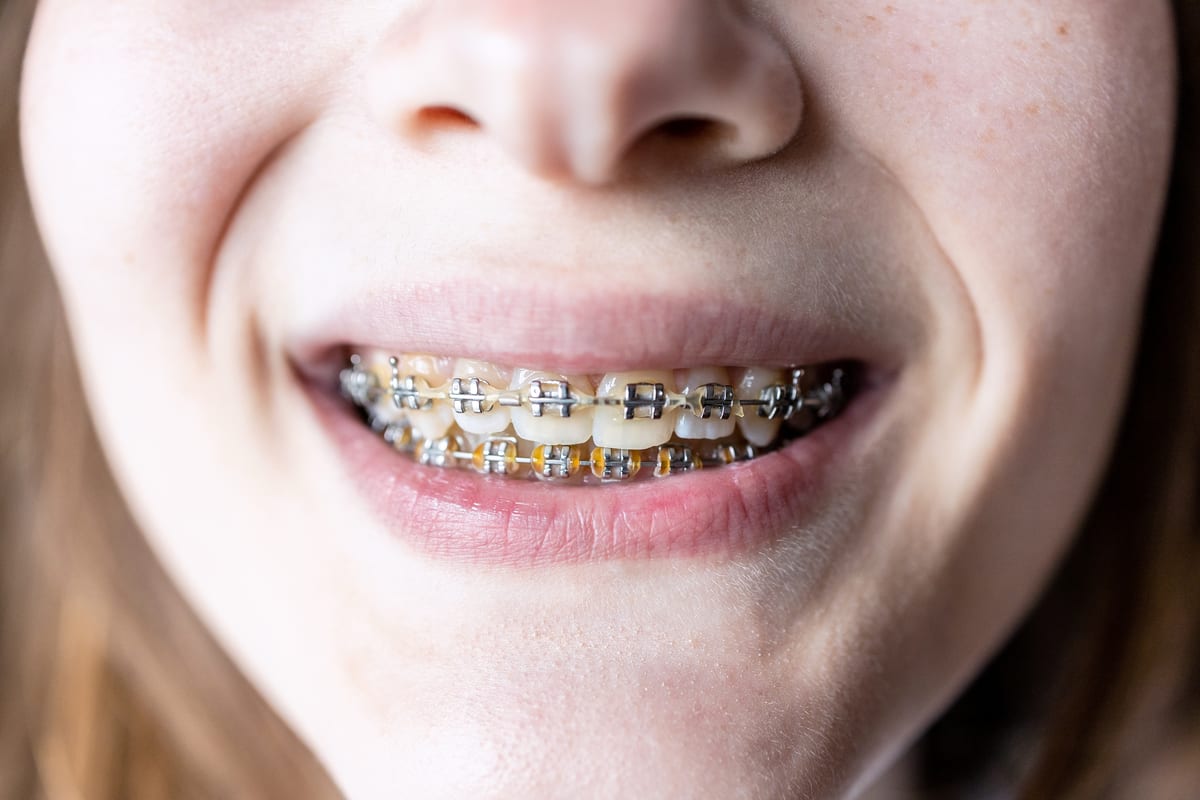
One reason families sometimes delay treatment is uncertainty about what treatment actually involves. The options today are far more comfortable and flexible than braces from a generation ago. Traditional braces remain highly effective and are often the best choice for complex cases. Modern designs are smaller, more comfortable, and easier to maintain than earlier versions.
Invisalign is another popular option for both teens and adults. Clear aligners are removable, nearly invisible, and allow patients to eat without restrictions. Dr. Yavari evaluates each patient individually to determine which option fits their specific needs. There is no universal right answer — only the right answer for each unique smile.
For adults who delayed orthodontic care, it is important to know that treatment is absolutely still possible. Many adults in Alpharetta complete successful orthodontic treatment well into their forties and beyond. The timeline may differ from childhood treatment, but the results are genuine and lasting. Age is not a barrier — it simply shapes the approach.
What to Expect When You Start Treatment at Crabapple
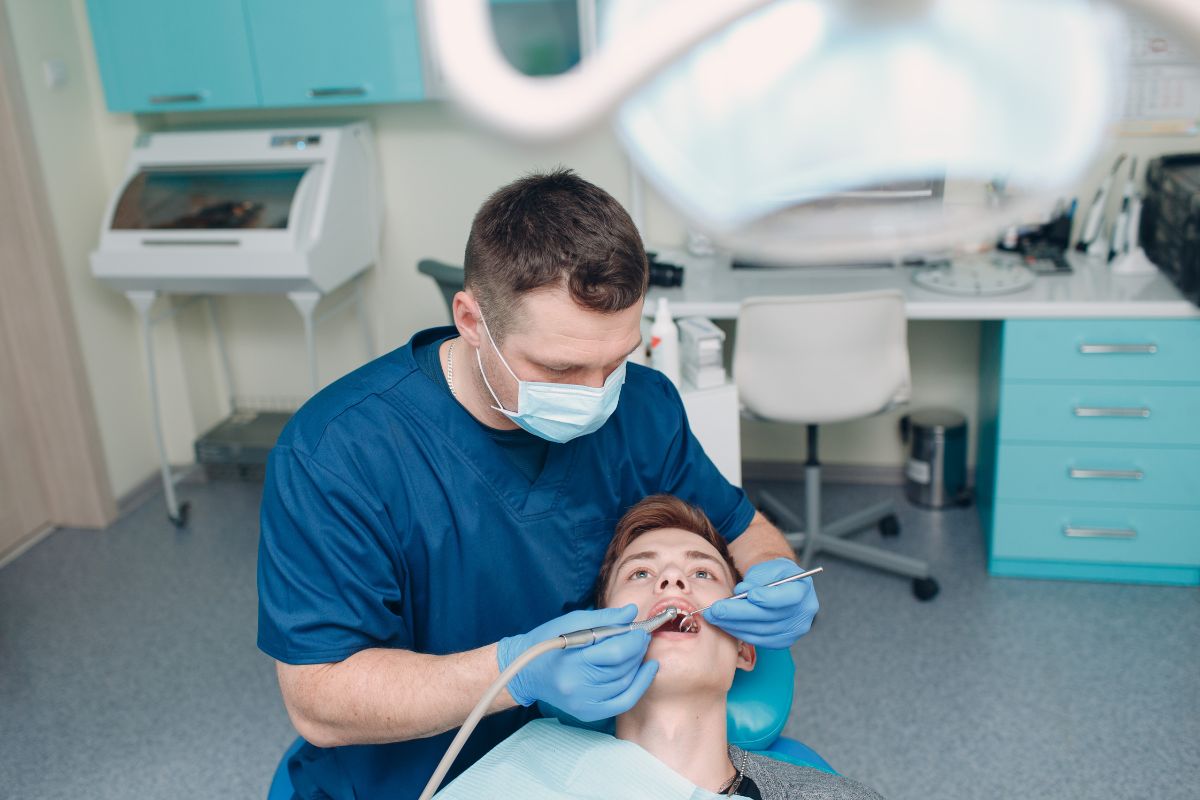
Beginning orthodontic care at Crabapple Pediatric Dentistry & Orthodontics is a straightforward process. Dr. Yavari starts with a thorough evaluation that includes digital X-rays and a detailed review of bite alignment. He explains findings clearly and presents options without pressure. The goal is always informed decision-making, not rushed choices.
Treatment timelines vary based on the complexity of each case. Most children complete treatment within one to two years. Adults may require a somewhat longer period depending on the degree of correction needed. Throughout treatment, the Crabapple team provides ongoing support and monitoring to keep progress on track.
Families in Alpharetta appreciate the combined expertise of pediatric dentistry and orthodontics under one roof. That means Dr. Yavari can address overall oral health alongside alignment concerns simultaneously. It creates a more complete and coordinated approach to care. Your child’s smile — and overall wellbeing — benefits from that integrated perspective.
Conclusion: The Right Time to Act Is Before Problems Grow
What really happens when you delay getting braces in Alpharetta is a gradual accumulation of problems that become harder and more costly to address over time. Alignment issues affect cleaning, jaw health, bite function, and long-term oral stability. They are not problems that resolve on their own — they tend to deepen with time. Acting earlier preserves options and simplifies outcomes.
Dr. Javid Yavari and the team at Crabapple Pediatric Dentistry & Orthodontics are here to guide Alpharetta families through every step of that journey. Whether your child needs an initial screening or you are an adult ready to finally address a long-standing concern, the right support is available. Book Now to schedule your appointment with our team.
Frequently Asked Questions
At what age should my child have their first orthodontic evaluation?
The American Association of Orthodontists recommends an evaluation by age seven. At this age, Dr. Yavari can identify developing problems while the jaw is still growing. Early evaluation does not always mean immediate treatment — it simply gives your family the best information to plan ahead.
Can delaying braces cause permanent damage to my child’s teeth?
In some cases, yes. Prolonged misalignment can lead to uneven enamel wear, increased cavity risk, and gum disease. Severely untreated bite issues can also contribute to TMJ problems and jaw discomfort. The longer problems go unaddressed, the more involved the eventual treatment may need to be.
Is orthodontic treatment still effective for adults who delayed care?
Absolutely. Adults of all ages can achieve meaningful results through braces or Invisalign. Treatment may take slightly longer for adults than for children due to bone density differences. However, the outcome — a healthier, better-aligned smile — is entirely achievable at any age.
What is the difference between braces and Invisalign for kids?
Traditional braces are fixed to the teeth and work continuously throughout the day. Invisalign uses removable clear aligners that are replaced every one to two weeks. Dr. Yavari evaluates each patient’s specific needs to determine the most effective option. Both systems produce excellent results when used correctly.
How do I know if my child needs braces or just monitoring?
A professional evaluation is the most reliable way to answer that question. Dr. Yavari uses digital X-rays and a clinical exam to assess alignment, bite, and jaw development. Some children benefit from early intervention, while others are simply monitored until the right time for treatment. Either way, you will leave the appointment with a clear and honest picture of your child’s orthodontic needs.