770-664-1999


Losing baby teeth is one of the most exciting parts of growing up! It’s a natural step in a child’s development, making room for their adult teeth. But when should kids start losing their teeth, and what should parents expect? Understanding this process helps parents support their child through it and ensure their oral health stays on track. Knowing what’s normal can also ease any worries kids might have and help parents guide them through the experience with confidence.
Why Do Kids Lose Their Teeth?
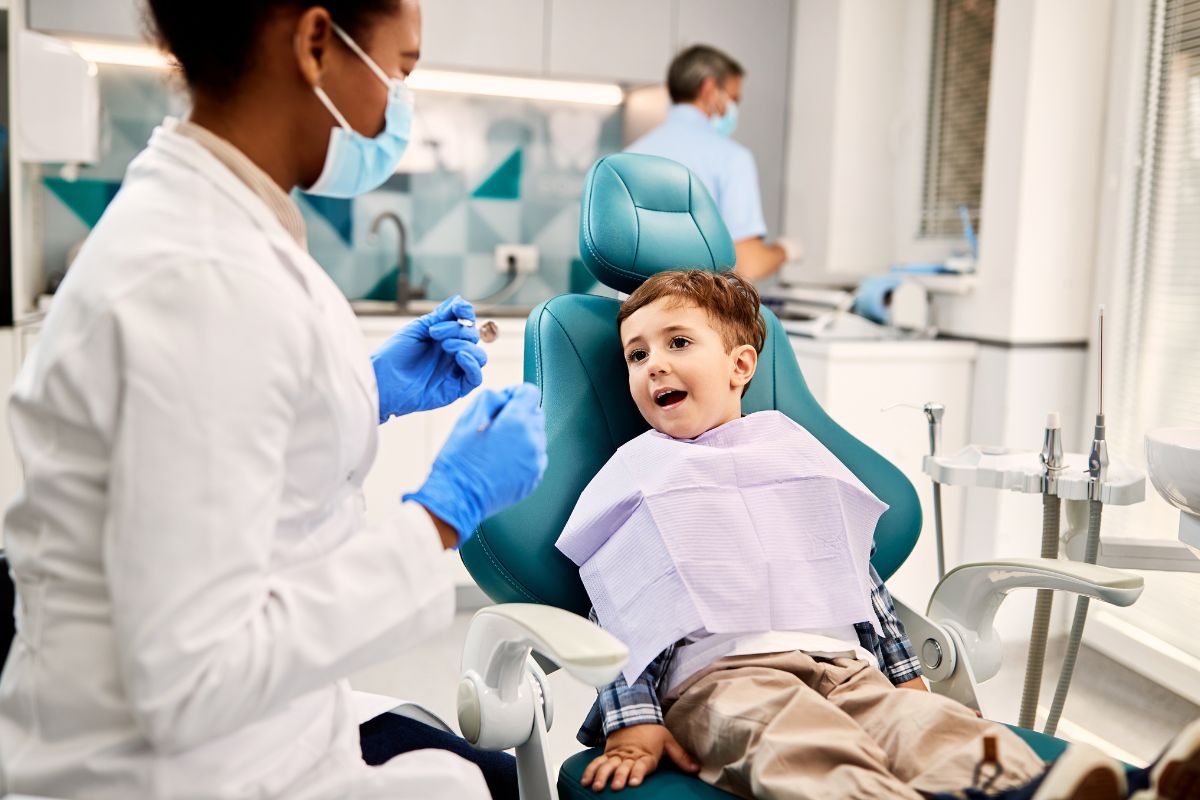
Baby teeth, also called primary teeth, act as placeholders for adult teeth. They help kids chew food properly, speak clearly, and form a healthy jaw structure. As children grow, their jaws expand, making room for permanent teeth. When adult teeth start pushing through, they dissolve the roots of baby teeth, causing them to loosen and eventually fall out. This natural process ensures that new teeth come in properly aligned. If baby teeth don’t fall out on time, permanent teeth might become crowded or misaligned, which could require dental correction later. If you’re ever unsure, a visit to a Pediatric Dentist can provide peace of mind.
When Do Baby Teeth Fall Out?
The timing depends on genetics, overall health, and even diet. The process continues until around age 12 or 13 when the last baby teeth fall out. If a child loses a baby tooth too early due to an injury or decay, it can create spacing problems for their adult teeth. That’s why taking care of baby teeth with good oral hygiene is important, even though they’re temporary.
How Many Teeth Do Kids Lose?
Kids have 20 baby teeth, and all of them will eventually be replaced by 32 permanent teeth, including wisdom teeth. Losing baby teeth and gaining adult teeth happens gradually over several years. While baby teeth are small, they play a big role in guiding adult teeth into the right places. Wisdom teeth appear later, usually between ages 17-25. Some people never develop wisdom teeth, while others might need them removed if there’s not enough space.
What Is the Timeline for Losing Baby Teeth?
Every child is different, but most follow a general pattern:
- Ages 6-7: The lower front teeth (central incisors) are the first to fall out.
- Ages 7-8: The upper front teeth come next.
- Ages 8-10: The lateral incisors and first molars start to loosen and fall out.
- Ages 10-12: The canines and second molars are lost.
- By age 13: Most kids have lost all their baby teeth, making way for their full set of adult teeth.
Variations in this timeline are completely normal, so there’s no need to worry if your child’s teeth fall out a little earlier or later than expected.
Which Teeth Fall Out First?
The lower front teeth (central incisors) are usually the first to go, followed by the upper front teeth. After that, kids lose their lateral incisors, first molars, canines, and finally, their second molars. The order is generally the same for most children, but the timing can vary.
What to Do When Your Baby’s Teeth Are Loose
A loose tooth can make kids feel excited or even a little nervous. Here’s how parents can help:
- Encourage gentle wiggling: Kids can use their tongue or clean fingers to gently wiggle a loose tooth, but avoid pulling it forcefully.
- Keep up with brushing and flossing: Loose teeth still need good care to prevent plaque and infections.
- Choose soft foods if needed: If a tooth is very loose and causing discomfort, soft foods like yogurt or mashed potatoes can help.
- Let it fall out naturally: Most baby teeth will fall out on their own. If a tooth seems stuck, a visit to the dentist can help determine if it needs assistance.
When Do Adult Teeth Come In?
As baby teeth fall out, adult teeth take their place. The first adult teeth to appear are usually the first molars around age six, followed by the central incisors. By age 13, most adult teeth are in place, except for wisdom teeth, which usually come in between ages 17-25.
What If a Child’s Baby Teeth Aren’t Falling Out?
If a child’s baby teeth don’t fall out when expected, there could be a few reasons:
- Crowding: Sometimes, permanent teeth don’t have enough space to come in properly.
- Extra or missing teeth: Some kids may have extra teeth blocking the way or missing teeth that affect the natural sequence.
- Delayed eruption: Genetics or certain medical conditions can slow down the process.
If a permanent tooth starts growing in while the baby tooth is still there, a dentist may need to remove it. In some cases, Early Orthodontic Treatment might be recommended to help align incoming permanent teeth properly.
Tips for Keeping Kids’ Teeth Healthy
Whether baby or adult teeth, good oral hygiene is essential. Here are some tips:
- Brush twice a day with fluoride toothpaste.
- Floss daily to remove plaque between teeth.
- Visit the dentist every six months for checkups.
- Limit sugary snacks and drinks to prevent cavities.
Common Myths About Losing Baby Teeth
There are a few common myths about losing baby teeth. Here are the facts:
- You don’t need to pull out loose teeth: It’s best to let them fall out naturally unless a dentist says otherwise.
- Losing teeth shouldn’t cause a lot of bleeding: If there’s excessive bleeding, consult a dentist.
- Baby teeth are important: Even though they eventually fall out, they help with speech, chewing, and guiding adult teeth into place.
FAQs
1. What if my child swallows a baby tooth?
Swallowing a baby tooth is usually harmless. It will pass naturally through the digestive system. If you’re concerned, consult a doctor.
2. Can a child lose baby teeth too early?
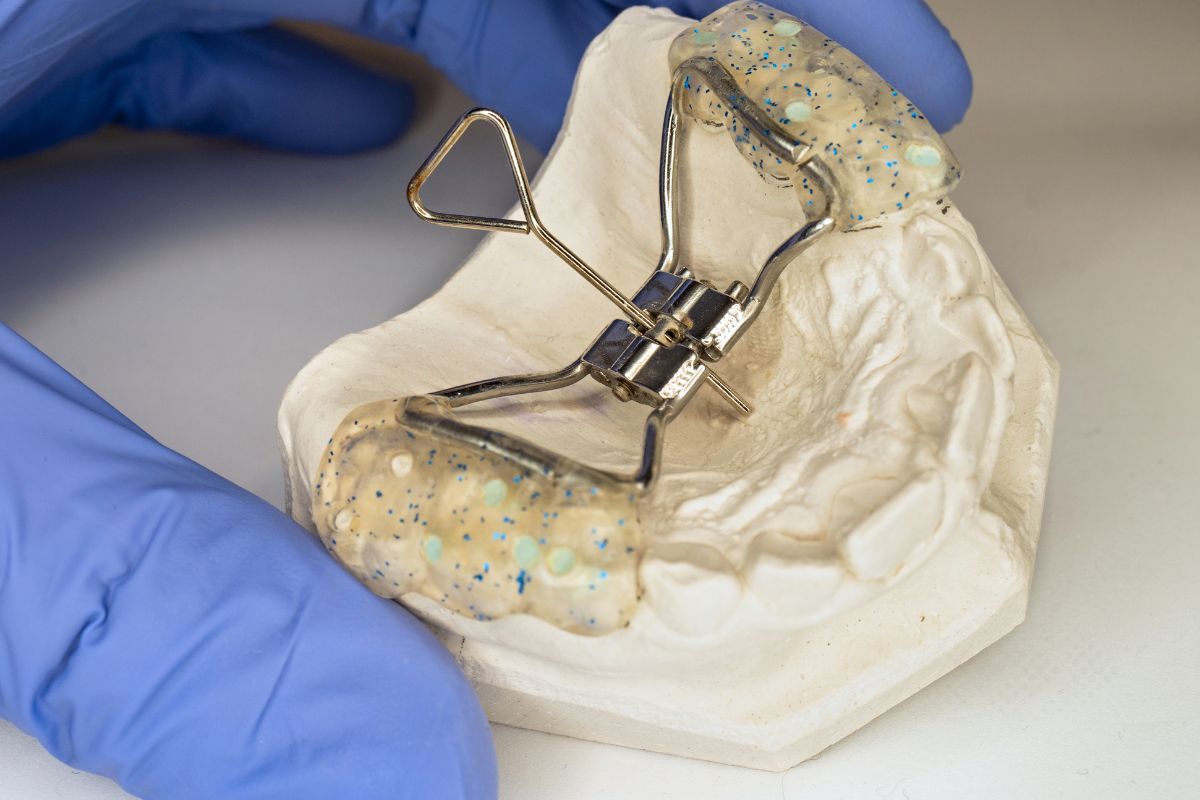
Yes, if a baby tooth falls out too soon due to injury or decay, it may affect the alignment of permanent teeth. A dentist may suggest a space maintainer to help.
3. Do all kids lose their teeth at the same age?
No, every child is different. Some start losing teeth at five, while others may not lose their first tooth until seven or eight. Both are normal.
4. Is it normal for adult teeth to come in crooked?
Yes, sometimes permanent teeth appear slightly crooked at first but may straighten over time. If they remain misaligned, braces might be needed.
5. Why do new adult teeth look yellow?
Permanent teeth often look slightly yellow compared to baby teeth because they have more dentin, which gives them a darker color.
6. Should I worry if my child hasn’t lost any teeth by age seven?
Not necessarily. Some kids lose their teeth later than others. But if no teeth have fallen out by age eight, a dentist visit is a good idea.
7. How can I make losing teeth fun for my child?
Many parents use the Tooth Fairy tradition to make it exciting. You can also celebrate with a small reward or family tradition.
Losing baby teeth is a natural part of growing up! Knowing what to expect helps parents support their kids while keeping their teeth healthy. If you have concerns, a visit to the dentist can provide guidance and reassurance.