770-664-1999

Orthodontics is a specialized branch of dentistry that focuses on diagnosing, preventing, and correcting misaligned teeth and jaws. If you’ve ever wondered what orthodontists do and the types of orthodontic treatment available, you’re in the right place. Whether you’re considering orthodontic care for yourself or your child, understanding the orthodontic treatment options can help you make an informed decision.
In this blog, we’ll explore different orthodontic treatments provided by various types of orthodontists, highlighting their benefits and what you can expect from each.
Traditional Metal Braces
Traditional metal braces are the most common type of orthodontic treatment. They consist of metal brackets attached to each tooth, connected by wires, and secured with elastic bands.
Benefits
- Effective for Complex Cases: These braces can correct a wide range of orthodontic problems, including severe crowding and bite issues.
- Durability: Made of stainless steel, metal braces are strong and long-lasting.
Considerations
- Visibility: This orthodontic treatment type is noticeable.
- Comfort: Adjustments may cause temporary discomfort.
Ceramic Braces
Ceramic braces are similar to metal ones but use clear or tooth-colored brackets, offering a more aesthetic appeal.
Benefits
- Discreet Appearance: Great for adults and teens concerned about visibility.
- Effective: These braces are a strong option in many orthodontic procedures.
Considerations
- Fragility: Ceramic brackets can be more delicate.
- Staining: The elastic ties can discolor over time.
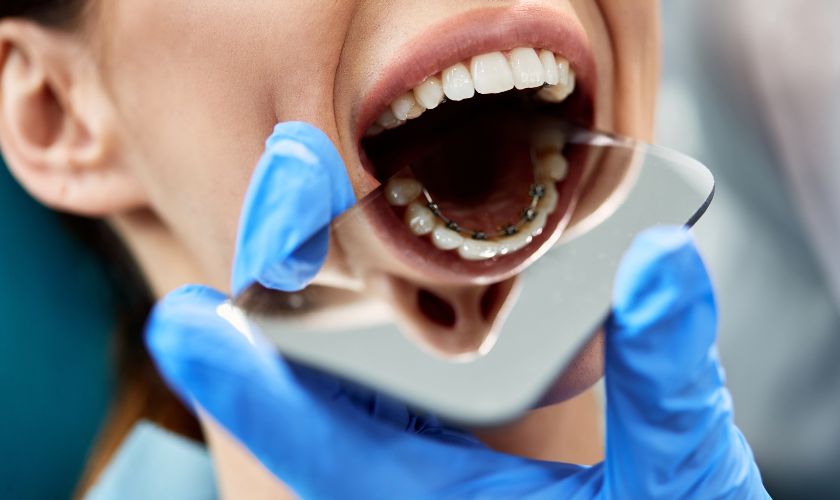
Lingual Braces
Placed on the inside of the teeth, lingual braces are hidden from view.
Benefits
- Invisible Appearance: Perfect for patients wanting subtlety in their ortho treatment.
- Customization: Tailored for your individual tooth alignment.
Considerations
- Tongue Irritation: May take time to adjust.
- Complexity: Requires skilled orthodontic treatments.
Clear Aligners
Clear aligners, like Invisalign, are a modern alternative among the types of braces. They use custom plastic trays to gradually move teeth.
Benefits
- Aesthetic: Virtually invisible.
- Convenient: Removable for meals and cleaning.
Considerations
- Requires Discipline: Must be worn 20–22 hours daily.
- Not for Everyone: Not ideal for complex cases.
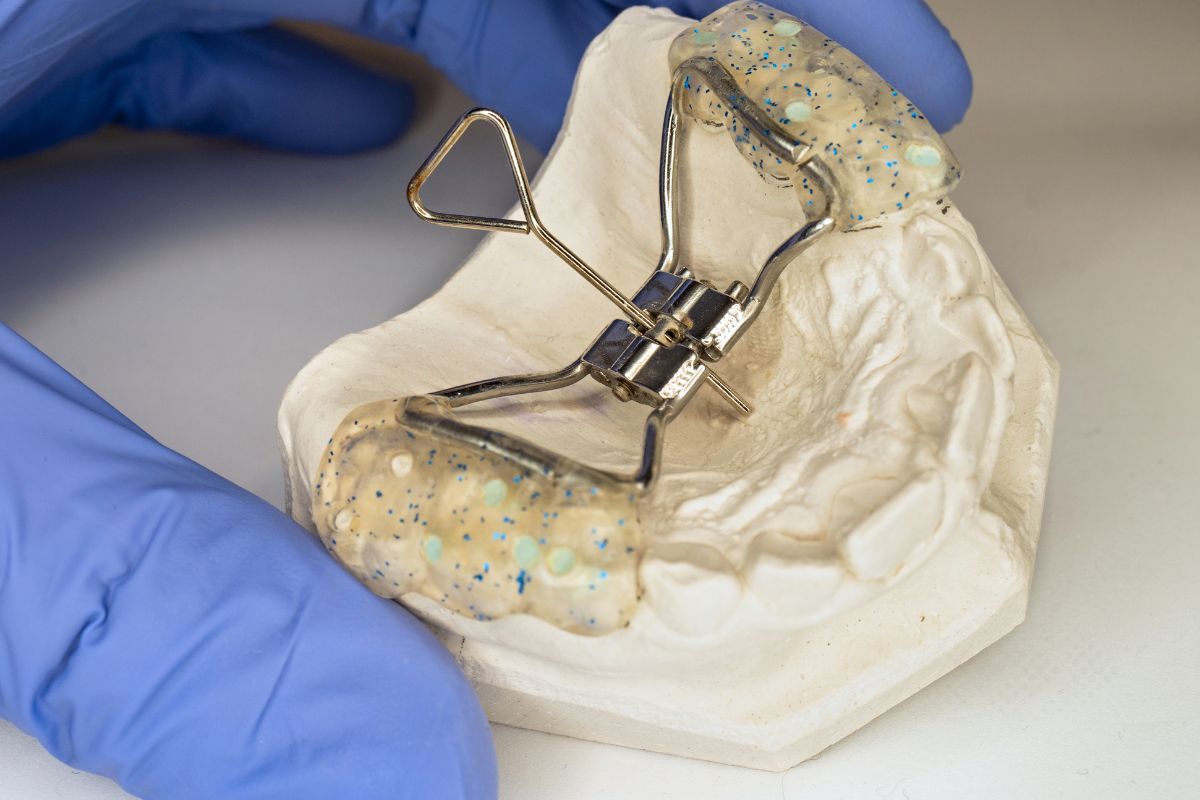
Palatal Expanders
Used primarily in children, palatal expansion is one of the specialized orthodontic procedures that widens the upper jaw.
Benefits
- Non-surgical Jaw Correction: Especially helpful in growing children in areas like Palatal Expansion Alpharetta.
- Improves Bite: Helps resolve crossbites and create space for premolar teeth.
Considerations
- Adjustment Time: Takes getting used to.
- Monitoring Required: Frequent orthodontist visits are essential.
Retainers
Retainers are used post-treatment to maintain alignment.
Benefits
- Preserve Results: Prevents relapse after other types of orthodontic treatments.
- Custom Fit: Tailored to your mouth.
Considerations
- Consistency is Key: Must be worn as prescribed.
- Maintenance: Needs regular cleaning.
Temporary Anchorage Devices (TADs)
TADs are mini-screws used to provide stable anchorage during specific tooth movements.
Benefits
- Precision: Great for targeted orthodontist treatments.
- Versatile: Used in many orthodontic treatment types.
Considerations
- Minor Surgery: Requires a small surgical procedure.
- Temporary Discomfort: Irritation at the site may occur.
Space Maintainers
These are commonly used in pediatric dentistry after the premature loss of baby teeth.
Benefits
- Avoids Crowding: Maintains proper spacing.
- Supports Development: Encourages proper eruption of permanent teeth.
Considerations
- Ongoing Supervision: Requires regular check-ups.
- Oral Hygiene: Needs special care to avoid buildup.
Choosing the Right Orthodontic Option
Selecting from the different types of orthodontic treatment depends on various factors: age, dental condition, goals, and budget. A qualified orthodontist will help you evaluate all orthodontic options, including the full orthodontic procedures list, to ensure the right fit for your needs.
FAQs: Understanding Orthodontic Care
Q1. What are the different types of orthodontic treatments available?
A: Some common types of orthodontic treatments include metal braces, ceramic braces, lingual braces, clear aligners, palatal expanders, and retainers.
Q2. How do I know which type of orthodontist to visit?
A: Depending on your needs, you may visit a general orthodontist or a specialist (e.g., pediatric orthodontist). Different types of orthodontists cater to unique cases, such as early intervention or complex adult treatments.
Q3. What is the function of premolar teeth in orthodontics?
A: Premolar teeth function as transitional teeth that help chew and maintain facial structure. They also play a vital role in orthodontic alignment and bite correction.
Q4. Are all types of braces suitable for kids?
A: Not always. Some types of braces, like lingual braces or clear aligners, may not be suitable for younger children. An orthodontist will recommend age-appropriate options.
Conclusion
Orthodontists offer a wide variety of treatments to correct misaligned teeth and jaws. Whether you’re exploring orthodontic treatment types like metal braces, Invisalign, or palatal expansion in Alpharetta, understanding your options can help you make a confident, informed decision. Consult your orthodontist to find the treatment that works best for you or your child and take the first step toward a healthier, more beautiful smile.