770-664-1999

Orthodontic treatments have long been a topic of concern for many patients due to the anticipated pain and discomfort associated with them. Whether you’re considering braces, aligners, or other corrective dental procedures, it’s natural to wonder about the level of pain involved. In this blog, we’ll delve into the common experiences of patients undergoing orthodontic treatments, what you can expect in terms of discomfort, and how to manage any pain that might arise. If you’re seeing an orthodontist, this guide will help you understand the process better.
Understanding Orthodontic Treatments
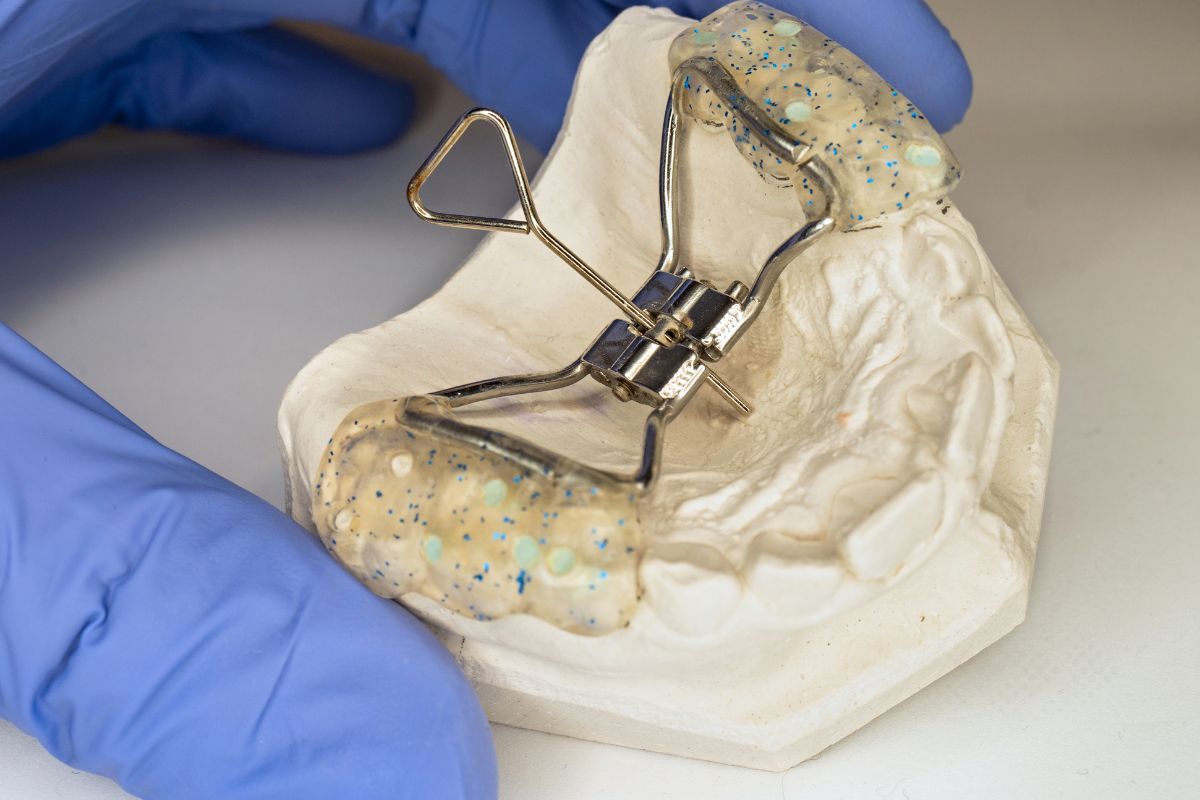
Orthodontic treatments are designed to correct misaligned teeth and jaws, improving both the function and appearance of your smile. The most common types of orthodontic treatments include traditional braces, clear aligners like Invisalign, and retainers. Each of these methods works by gradually shifting teeth into their desired positions.
The Initial Consultation
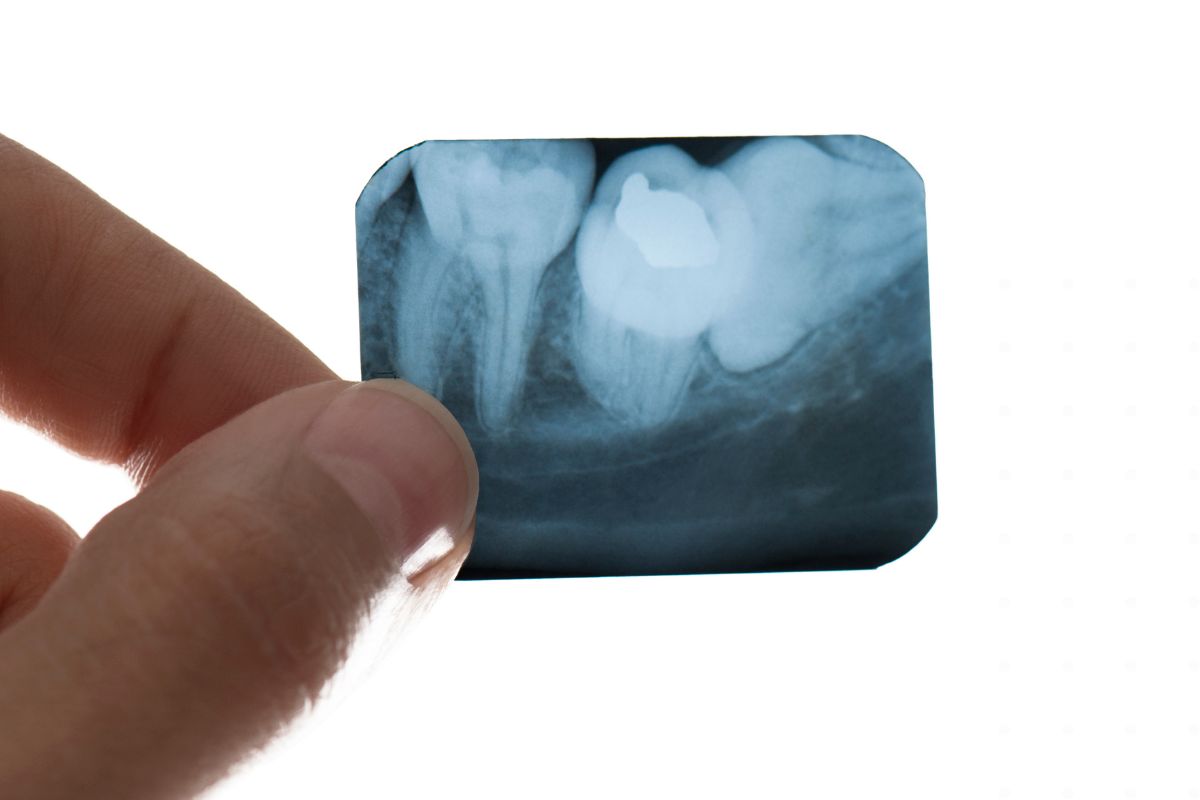
When you first visit an orthodontist in Alpharetta, they will conduct a thorough examination of your teeth and jaw. This initial consultation is usually painless and involves X-rays, photographs, and dental impressions to create a personalized treatment plan.
Fitting the Appliances
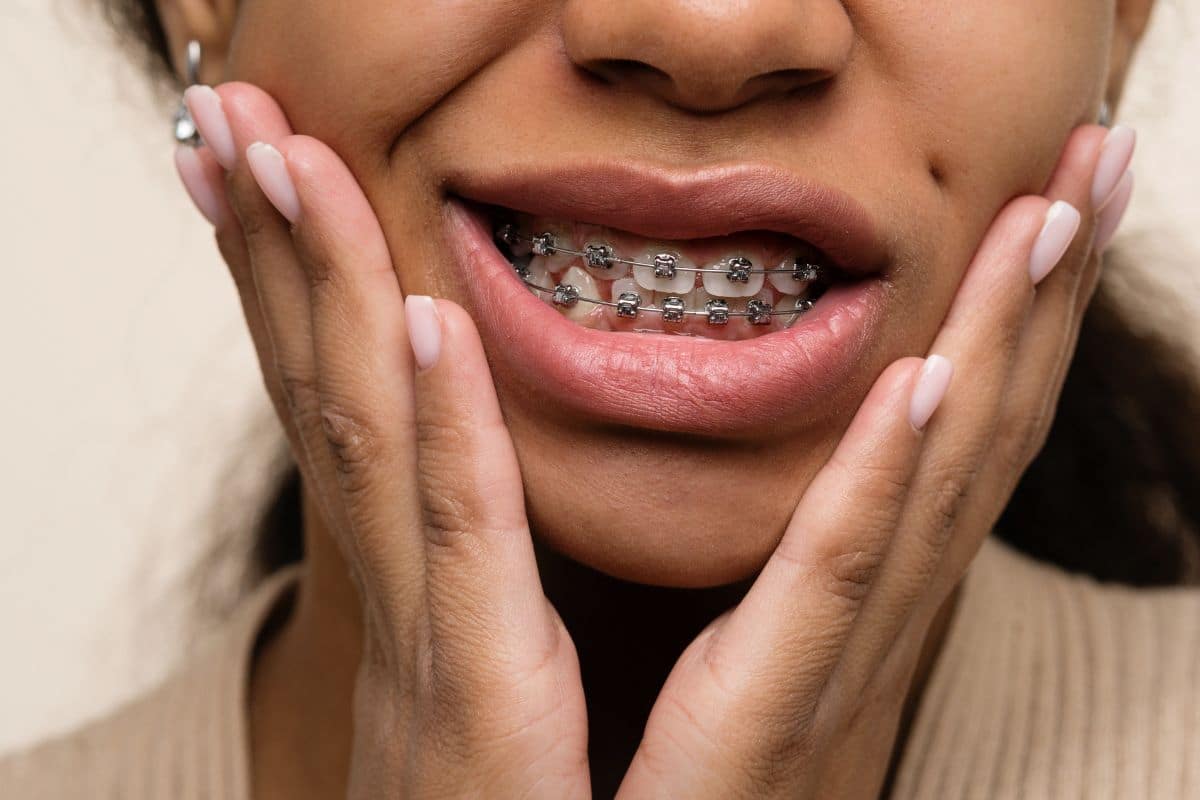
The next step in orthodontic treatment is fitting the appliances. For braces, this means attaching brackets to your teeth and connecting them with wires. Clear aligners, on the other hand, involve fitting a custom-made tray over your teeth. This process can cause some initial discomfort as your mouth adjusts to the new appliance.
Adjustments and Tightenings
Throughout your treatment, you’ll need to visit your orthodontist in Alpharetta regularly for adjustments. For braces, this involves tightening the wires to continue moving your teeth. These adjustments can cause temporary soreness as your teeth shift. Clear aligners also require periodic changes to new trays, which can lead to similar discomfort.
Common Experiences of Pain and Discomfort
Orthodontic treatments are known to cause varying degrees of pain and discomfort. Understanding what to expect can help you manage these sensations more effectively.
Initial Soreness
The first few days after getting braces or aligners are often the most uncomfortable. Your teeth and gums are not used to the pressure exerted by the appliances, leading to soreness and tenderness. This initial discomfort typically subsides within a week as your mouth adjusts.
Pressure and Tightness
Each time your orthodontist in Alpharetta tightens your braces or provides you with a new set of aligners, you may experience a feeling of pressure and tightness. This is a sign that your teeth are moving into their correct positions. While this pressure can be uncomfortable, it is usually manageable with over-the-counter pain relievers.
Irritation of the Mouth
Braces can sometimes irritate the inside of your mouth, including your cheeks, lips, and tongue. This is due to the brackets and wires rubbing against the soft tissues. Using orthodontic wax to cover the brackets can help reduce this irritation.
Eating and Speaking Challenges
Adjusting to orthodontic appliances can also make eating and speaking more challenging. You might experience discomfort when chewing or find that certain foods are more difficult to eat. Soft foods and avoiding sticky or hard items can help mitigate this discomfort.
Managing Orthodontic Pain
Pain management is a crucial aspect of undergoing orthodontic treatment. There are several strategies you can use to alleviate discomfort and make your treatment experience more comfortable.
Over-the-Counter Pain Relief
Non-prescription pain relievers like ibuprofen or acetaminophen can be very effective in reducing the soreness associated with orthodontic adjustments. Be sure to follow the dosage instructions on the packaging and consult with your orthodontist in Alpharetta if you have any concerns.
Orthodontic Wax
As mentioned earlier, orthodontic wax can be a lifesaver when dealing with irritation from braces. Applying a small amount of wax over the brackets can create a smooth surface, reducing friction and protecting your mouth’s soft tissues.
Cold Compresses
Using a cold compress can help reduce inflammation and numb the area, providing relief from pain. Apply the compress to the outside of your mouth or cheeks for short intervals to help ease discomfort.
Soft Foods Diet
In the days following adjustments, stick to a diet of soft foods to minimize chewing discomfort. Foods like yogurt, mashed potatoes, smoothies, and soups can be gentle on your teeth while still providing necessary nutrition.
Good Oral Hygiene
Maintaining excellent oral hygiene is essential during orthodontic treatment. Brushing and flossing regularly can help prevent additional discomfort caused by plaque buildup or food particles stuck in your braces.
Communication with Your Orthodontist
Don’t hesitate to communicate with your orthodontist in Alpharetta about any pain or discomfort you’re experiencing. They can provide additional tips, make adjustments to your appliances, or recommend specific products to help you manage pain more effectively.
The Psychological Aspect of Orthodontic Pain
Pain perception is not just a physical experience; it also has a psychological component. Understanding and addressing the mental aspect of pain can help improve your overall treatment experience.
Managing Anxiety
Anxiety about orthodontic treatments can heighten your perception of pain. Practicing relaxation techniques, such as deep breathing exercises or meditation, can help reduce anxiety and make you feel more in control.
Positive Mindset
Maintaining a positive mindset and focusing on the end goal—a beautiful, healthy smile—can make the journey more bearable. Remind yourself that any discomfort is temporary and part of the process of achieving better dental health.
Support System
Having a support system of friends, family, or even an online community of people undergoing similar treatments can provide emotional support and practical advice for managing pain and discomfort.
Orthodontic treatments, while sometimes uncomfortable, are a crucial step toward achieving a healthier, more beautiful smile. By understanding what to expect and utilizing pain management strategies, you can make your treatment experience more manageable. Always communicate with your orthodontist in Alpharetta about any concerns you have, and remember that the discomfort is temporary and the results are well worth it. With patience and proper care, you’ll navigate through your orthodontic journey with confidence and minimal pain.