770-664-1999


Misaligned teeth are a common dental concern that affects not only the appearance of your smile but also your overall oral health. Fixing misaligned teeth can enhance both your confidence and dental health, making it a worthy pursuit. There are several methods available to correct crooked or misaligned teeth, depending on the severity of the misalignment and individual needs.
In this blog, we’ll explore what causes misaligned teeth, the health risks associated with them, and various treatment options recommended by an orthodontist to restore your smile.
What Causes Misaligned Teeth?
Misaligned teeth, also known as malocclusion, can result from various factors. Understanding these causes can help you prevent further complications and choose the appropriate treatment.
1. Genetics
Many cases of crooked teeth or misaligned bites are inherited. If your parents had misaligned teeth, there’s a good chance you may experience the same.
2. Childhood Habits
Thumb sucking, prolonged use of a pacifier, or bottle feeding can lead to tooth misalignment in children. These habits can interfere with the normal growth and alignment of teeth, sometimes necessitating a visit to the orthodontist.
3. Injury or Trauma
An injury to the face or jaw can lead to teeth shifting out of place. In some cases, trauma can cause the jaw to heal improperly, resulting in a misaligned bite that may require treatment.
4. Jaw Size
Modern diets of soft, processed foods reduce the need for our jaws to exert as much pressure when chewing. As a result, human jaws have become smaller, which can lead to crowded teeth and misalignment.
5. Tooth Loss
When you lose a tooth due to injury or decay, the remaining teeth may shift to fill the gap, causing misalignment. This can create an overbite, underbite, or crossbite.
The Health Risks of Misaligned Teeth
Misaligned teeth are more than just a cosmetic concern. They can also pose several health risks if left untreated. Consulting an orthodontist early on can prevent these complications.
1. Difficulty in Cleaning
Crooked or crowded teeth make it harder to brush and floss effectively. This can lead to plaque buildup, increasing the risk of cavities, gum disease, and other oral health issues.
2. Jaw Pain and Headaches
Misaligned teeth often cause an improper bite, putting extra strain on your jaw muscles. This can result in jaw pain, headaches, or even temporomandibular joint (TMJ) disorders.
3. Speech Problems
In severe cases, misaligned teeth can affect your speech. Issues such as lisps or difficulty pronouncing certain sounds can arise from teeth that are not properly aligned.
4. Difficulty in Chewing
An improper bite can make it harder to chew food properly, which can lead to digestive issues or uneven wear on your teeth over time.
Common Methods to Fix Misaligned Teeth
Fortunately, there are several effective ways to correct misaligned teeth. An orthodontist can help determine the best option for you based on the extent of your misalignment, your age, and your personal preferences. Let’s explore the most common treatments available.
1. Braces
Braces are one of the most traditional and effective methods for correcting misaligned teeth. They consist of metal brackets that are attached to the teeth and connected by wires. These wires are gradually tightened over time, slowly moving the teeth into the desired position.
Types of Braces
- Metal Braces: These are the traditional metal brackets and wires, which are very effective in severe cases of misalignment.
- Ceramic Braces: These braces are similar to metal braces, but the brackets are made of clear or tooth-colored materials, making them less visible.
- Lingual Braces: These braces are attached to the back of the teeth, making them invisible from the front, though they can be less comfortable than other options.
Treatment Duration
The duration of treatment with braces varies depending on the severity of the misalignment. On average, treatment can take between 18 months to 3 years.
2. Clear Aligners
Clear aligners, like Invisalign, are an increasingly popular choice for fixing misaligned teeth, especially among adults. They consist of a series of clear, removable trays that gradually shift the teeth into place.
Benefits of Clear Aligners
- Discreet: Unlike traditional braces, clear aligners are virtually invisible.
- Removable: You can remove them to eat, brush, and floss, making them more convenient.
- Comfortable: Clear aligners are made from smooth plastic, reducing the risk of irritation to your gums and cheeks.
Treatment Duration
Like braces, treatment time with clear aligners varies. Most people achieve their desired results within 12 to 18 months.
3. Veneers
Veneers are thin, custom-made shells that are placed over the front surface of the teeth. They can correct minor misalignment issues by improving the appearance of crooked teeth without actually moving them.
Benefits of Veneers
- Quick Results: Veneers offers an immediate solution for those who want a straighter-looking smile without waiting for orthodontic treatment.
- Improved Appearance: Veneers can also correct issues like discoloration, chipped teeth, or gaps between teeth.
Limitations
While veneers can improve the appearance of misaligned teeth, they don’t correct the underlying misalignment, meaning the health risks associated with crooked teeth may still be present.
4. Retainers
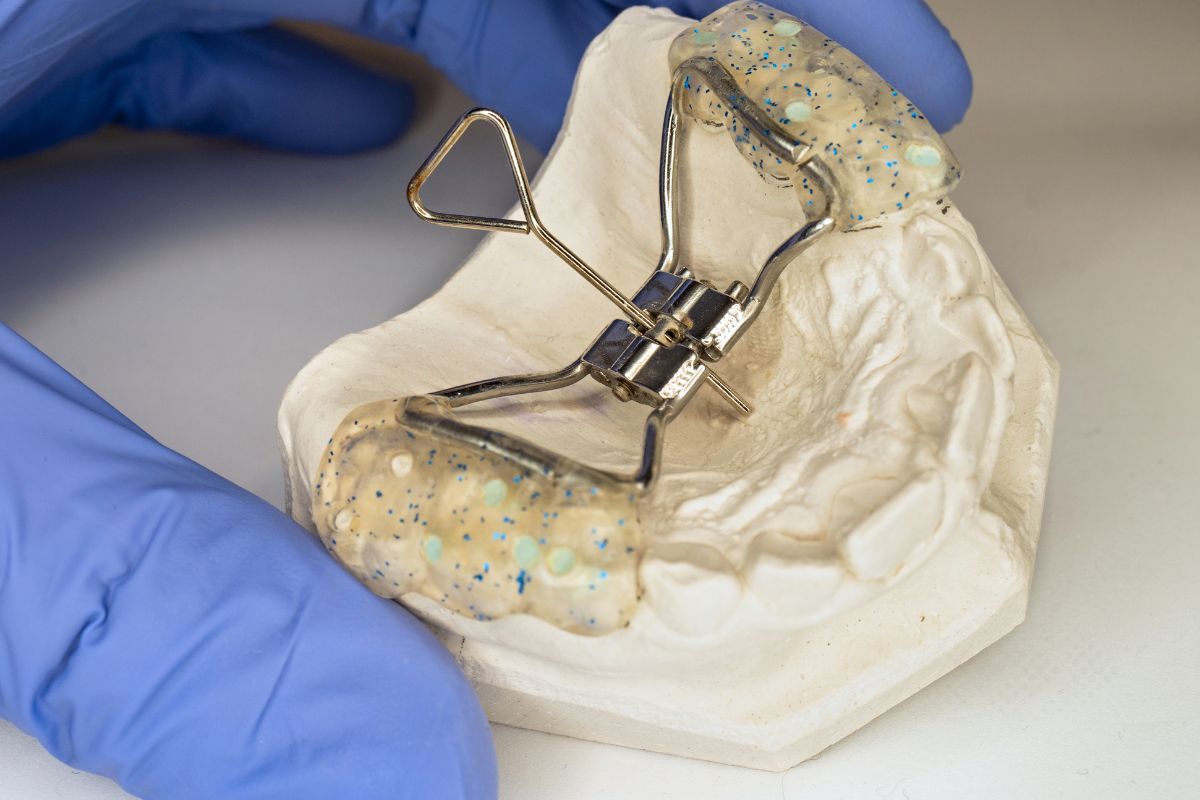
Retainers are often used after orthodontic treatment to maintain the position of your newly aligned teeth. However, in some cases of minor misalignment, retainers alone may be sufficient to correct the issue.
Types of Retainers
- Fixed Retainers: These are bonded to the back of the teeth to hold them in place.
- Removable Retainers: These are custom-made, clear plastic trays that can be taken out while eating or brushing.
5. Orthodontic Surgery
Orthodontic surgery may be necessary for severe cases of misalignment, especially if the misalignment is caused by a jaw issue. Surgical intervention can correct jaw irregularities, making it possible for the teeth to be aligned properly with additional orthodontic treatments.
Risks of Surgery
As with any surgery, there are risks, including infection, pain, and a lengthy recovery period. However, it can be a highly effective solution for extreme cases that braces or aligners cannot fully correct.
Choosing the Right Treatment for You
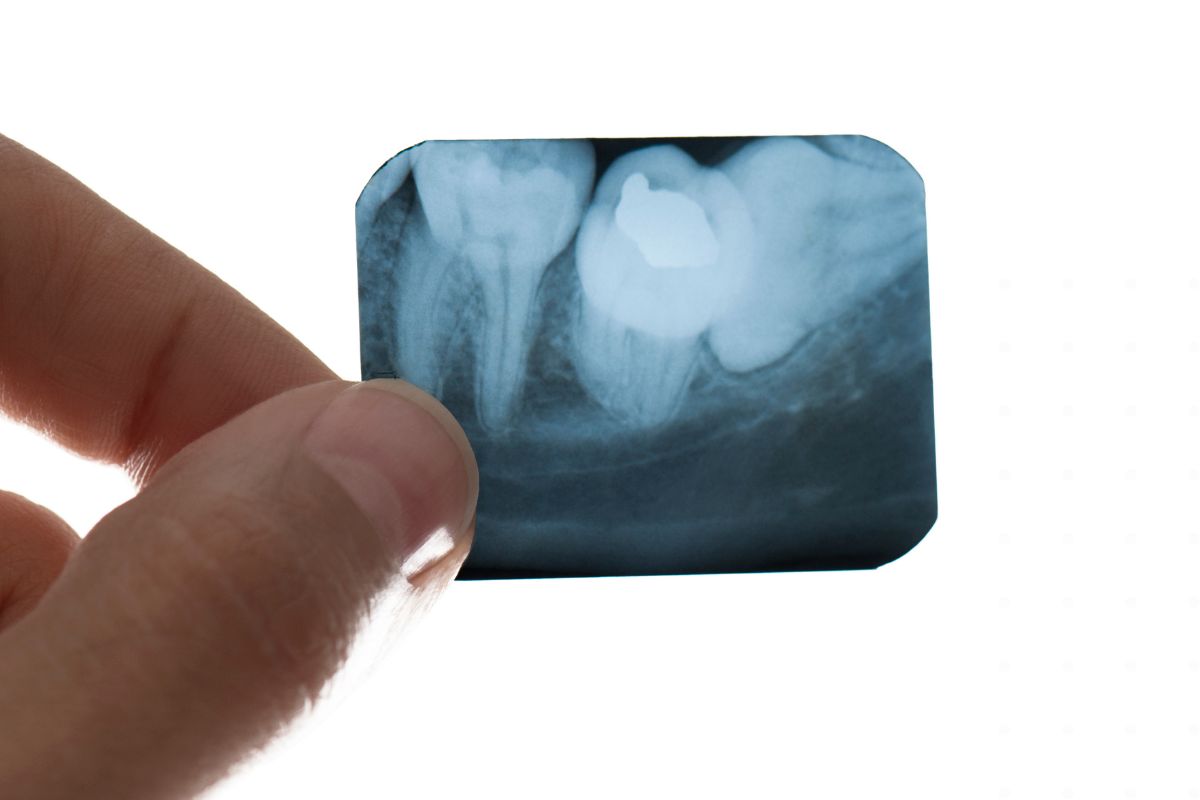
Determining the best treatment for your misaligned teeth requires a consultation with an orthodontist. They will assess your specific needs, take X-rays, and discuss your treatment goals to recommend the most appropriate course of action.
Some key factors to consider include:
- The severity of your misalignment
- Your age and oral health
- Your lifestyle and willingness to maintain treatment (e.g., wearing aligners or retainers)
- Cost and insurance coverage
Conclusion
Misaligned teeth can affect both your appearance and your health, but the good news is that there are several effective ways to fix them. From traditional braces and clear aligners to more cosmetic solutions like veneers, the right treatment depends on your individual needs and preferences. Consulting with an orthodontist is the best way to explore your options and get on the path to a healthier, straighter smile.