770-664-1999


Most people associate orthodontics with teenagers sporting braces to straighten their teeth. While that’s a common scenario, did you know that orthodontic treatment can begin as early as seven or eight years old? This is known as early or interceptive orthodontic treatment, and it focuses on addressing potential problems while a child’s jaw and teeth are still developing. If you’re in the Alpharetta area and considering early orthodontic options, it’s wise to consult with an experienced orthodontist.
While early intervention might seem premature, it can offer some surprising benefits beyond achieving a straighter smile later in life. Let’s explore six unexpected advantages of early orthodontic treatment.
1. Guiding Jaw Growth for Better Facial Harmony
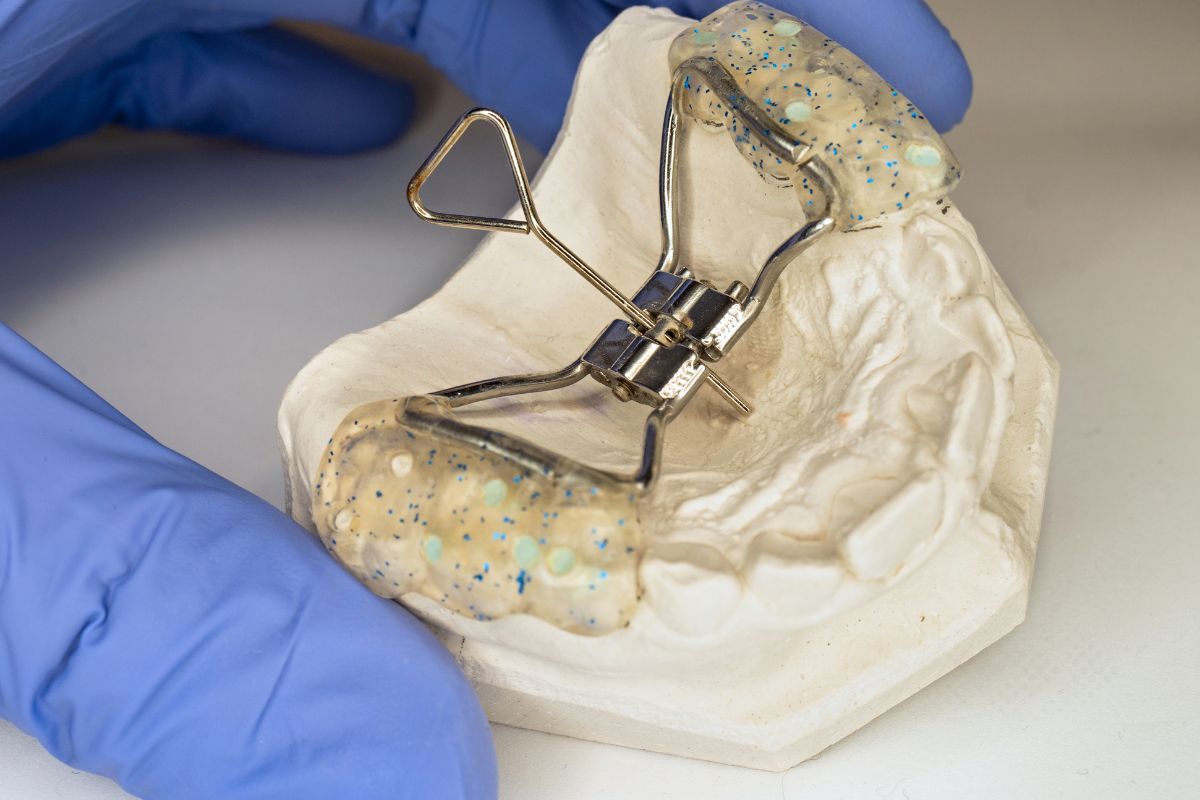
One of the most significant benefits of early orthodontics is its ability to influence jaw growth. During childhood, the jawbones are still malleable. Orthodontists can use appliances like palatal expanders or functional appliances to gently guide the growth of the upper and lower jaws into a more harmonious relationship. This early intervention can be particularly beneficial for children with crossbites (where the upper teeth bite inside the lower teeth) or significant overbites or underbites. By addressing these issues early, orthodontists can create more space for erupting permanent teeth and potentially avoid the need for more invasive treatments, like jaw surgery, later on. This not only improves the alignment of the teeth but can also positively impact facial aesthetics and profile. If you have concerns about your child’s jaw development, consider scheduling a visit to our dental office for a comprehensive evaluation.
2. Creating Space for Erupting Permanent Teeth
Sometimes, baby teeth fall out prematurely, or there isn’t enough space in the jaw for the permanent teeth to erupt correctly. This can lead to crowding, impacted teeth (teeth that are stuck beneath the gums), or teeth that erupt in unfavorable positions. Early orthodontic treatment can involve using space maintainers – small appliances that hold the space left by a missing baby tooth until the permanent tooth is ready to emerge. This simple intervention can prevent adjacent teeth from shifting into the gap, ensuring that the permanent tooth has enough room to erupt in its proper position. This can significantly reduce the complexity and duration of future orthodontic treatment. If you’re noticing spacing issues with your child’s teeth, it’s time to book an appointment with an orthodontist.
3. Reducing the Risk of Tooth Damage
Misaligned teeth are more susceptible to damage. Protruding front teeth, for instance, are at a higher risk of being chipped or fractured during falls or sports activities. Similarly, a deep overbite can cause the lower front teeth to bite into the gum tissue behind the upper front teeth, leading to gum recession and potential bone loss. Early orthodontic treatment can help to correct these bite issues, bringing the teeth into a more protected and functional alignment. This reduces the risk of trauma and long-term damage to the teeth and gums, contributing to better oral health. Seeking advice from an orthodontist can help prevent future dental problems.
4. Improving Speech Development
Believe it or not, the alignment of teeth and jaws can sometimes affect speech development. Certain malocclusions (bad bites) can make it challenging to pronounce specific sounds. For example, an open bite (where the front teeth don’t meet) can interfere with the pronunciation of “s” and “z” sounds. By addressing these issues early, orthodontists can create a more favorable oral environment for proper tongue placement and articulation, potentially improving a child’s speech clarity and confidence. Don’t hesitate to visit our dental office if you have concerns about your child’s speech about their teeth.
5. Simplifying and Shortening Future Treatment
While early treatment doesn’t always eliminate the need for braces later on, it can often make subsequent orthodontic treatment simpler and shorter. By addressing underlying skeletal issues and creating space for permanent teeth, early intervention can lay a more favorable foundation for the final alignment of the teeth during adolescence. This can result in a simpler treatment plan with braces, potentially reducing the overall time spent in braces and associated costs. In some cases, early treatment can even prevent the need for more extensive and costly procedures in the future. To learn more about how early treatment can streamline future orthodontics, book an appointment for a consultation.
6. Boosting Self-Esteem and Confidence
While not a direct dental benefit, the psychological impact of early orthodontic treatment can be significant. Children who are self-conscious about their misaligned teeth may experience teasing or develop low self-esteem. Addressing these issues early can improve a child’s appearance and boost their confidence during their formative years. A more confident smile can lead to greater social interaction and a more positive self-image, which can have lasting benefits throughout one’s life.
In conclusion, early orthodontic treatment offers a range of surprising benefits that extend far beyond just achieving a straight smile. By addressing underlying skeletal issues, creating space for erupting teeth, reducing the risk of damage, improving speech, simplifying future treatment, and boosting self-esteem, early intervention can play a crucial role in a child’s overall oral health and well-being. Consulting with an orthodontist in Alpharetta around the age of seven can help determine if early treatment is proper for your child and set them on the path to a healthy and confident smile. We encourage you to visit our dental office or book an appointment to discuss your child’s specific needs.