770-664-1999


Have you recently noticed your jaw feels “off” or your bite doesn’t line up the way it used to? You’re not alone. Many adults and teens start searching for an orthodontist after experiencing sudden changes in how their teeth fit together.
This can feel confusing and even a little worrying—but in most cases, it’s a manageable issue with the right care. If you’re in Alpharetta and dealing with jaw discomfort or bite changes, understanding the cause is the first step toward relief.
Quick Answer: What Causes Sudden Jaw Misalignment?
Sudden jaw misalignment can happen due to teeth shifting over time, jaw joint (TMJ) issues, teeth grinding, injury, or missing teeth. These factors affect how your upper and lower teeth meet, leading to bite problems or discomfort. An orthodontist can identify the cause and recommend the right treatment.
Common Causes of Sudden Jaw Misalignment
Teeth Shifting Over Time
Teeth are not fixed in place forever. As you age, they can slowly move due to natural pressure, habits, or even previous dental work.
This gradual movement can suddenly become noticeable, making your bite feel uneven.
TMJ Issues (Jaw Joint Problems)
Your jaw joint plays a key role in opening and closing your mouth. If this joint becomes irritated, it can affect alignment.
You might notice clicking, stiffness, or your jaw feeling slightly out of place.
Teeth Grinding (Bruxism)
Grinding your teeth—especially at night—puts constant pressure on your jaw.
Over time, this can change how your teeth fit together and lead to bite problems or discomfort.
Injury or Trauma
Even a minor injury to the face or jaw can shift alignment.
If your symptoms started after a fall, accident, or impact, this could be the cause.
Missing or Damaged Teeth
When a tooth is missing or damaged, nearby teeth may shift into the empty space.
This can throw off your bite and lead to sudden jaw misalignment.
Symptoms to Watch For
Jaw misalignment often comes with noticeable signs. Pay attention if you experience:
- Jaw pain or soreness
- Clicking or popping sounds
- Uneven bite (teeth not fitting together properly)
- Difficulty chewing food
- Facial tension or headaches
These symptoms may start mild but can worsen if ignored.
Why You Shouldn’t Ignore Jaw Misalignment
It’s easy to brush off mild discomfort, but jaw alignment issues rarely fix themselves.
- Bite problems can become more severe
- Jaw strain may lead to long-term pain
- Teeth can wear down unevenly
- Everyday activities like eating may become uncomfortable
Seeing an orthodontist early helps prevent these issues from getting worse.
Treatment Options from an Orthodontist
The good news is that modern orthodontic care offers several comfortable and effective solutions.
Braces
Traditional braces gradually move teeth into the correct position. They are highly effective for correcting alignment and improving bite function.
Invisalign® Clear Aligners
A popular option for teens and adults, Invisalign uses clear, removable trays to shift teeth gently over time.
It’s a comfortable and discreet way to improve alignment without metal brackets.
Bite Correction Appliances
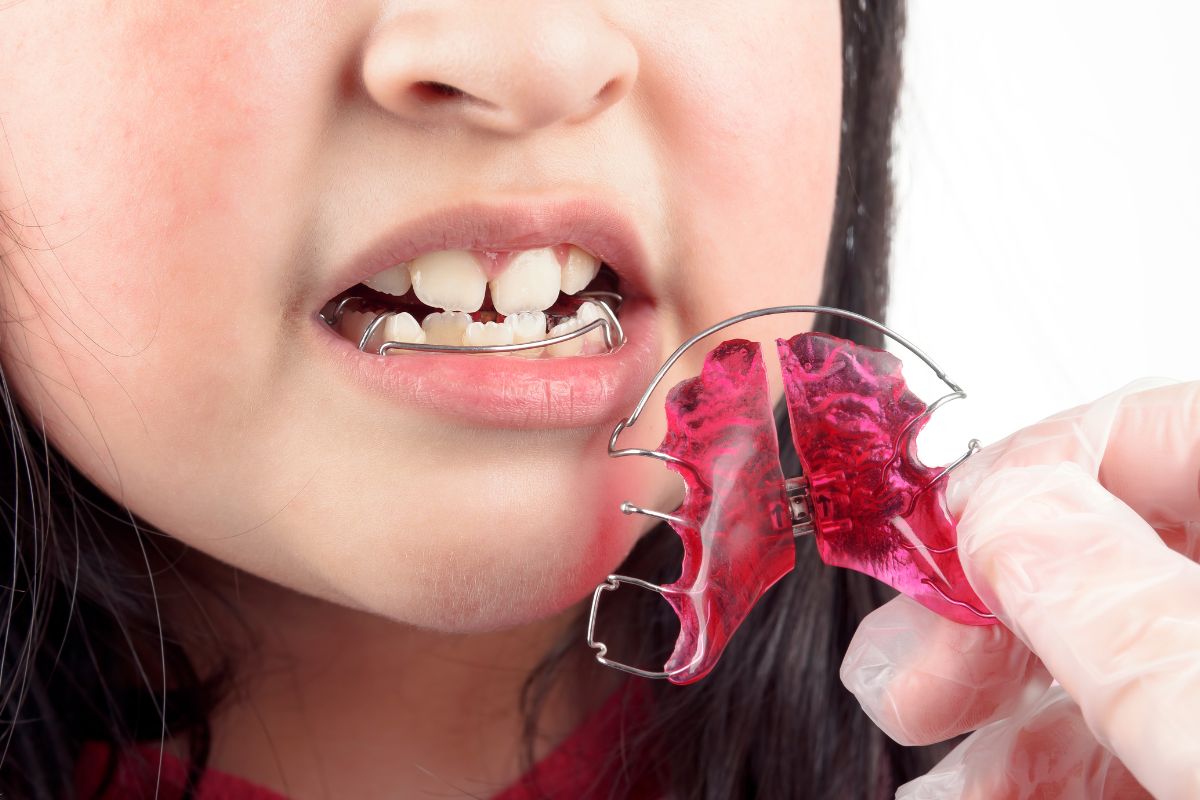
Special appliances may be used to guide your jaw into a better position and improve how your teeth come together.
Nightguards
If grinding is causing your issue, a custom nightguard protects your teeth and reduces pressure on your jaw while you sleep.
Minor Dental Restorations
Repairing damaged or missing teeth can restore balance and improve your bite alignment.
When to See an Orthodontist
You should consider visiting an orthodontist if you notice:
- A sudden change in how your teeth fit together
- Persistent jaw pain
- Clicking or popping sounds in your jaw
- Difficulty chewing or biting
- Teeth shifting or spacing changes
A quick evaluation can help identify the cause and provide peace of mind.
Real-Life Scenario
A patient once visited with a simple concern: “My bite just doesn’t feel right anymore.” There was no major pain, just a noticeable difference while chewing.
After an evaluation, it turned out that nighttime grinding was putting pressure on their teeth, slowly shifting their alignment. With a custom nightguard and a personalized treatment plan, their symptoms improved and their bite stabilized.
Situations like this are common—and very treatable with the right care.
Frequently Asked Questions
Can jaw misalignment fix itself?
In most cases, no. While minor discomfort may come and go, the underlying cause—like teeth shifting or grinding—usually requires professional treatment to fully resolve.
Is jaw misalignment serious?
It can be if left untreated. Over time, it may lead to chronic jaw pain, tooth damage, and worsening bite problems. Early care makes a big difference.
Does Invisalign fix jaw alignment?
Yes, in many cases Invisalign can help improve jaw alignment by correcting how your teeth fit together. However, the right treatment depends on your specific condition.
What causes sudden bite changes?
Sudden bite changes can be caused by grinding, shifting teeth, dental work, or jaw joint issues. Even small changes can affect your overall alignment.
Can stress affect my jaw?
Yes. Stress can lead to clenching or grinding your teeth, which can impact your bite and cause discomfort over time.
How long does treatment take?
Treatment time varies depending on the severity of the issue. Some cases take a few months, while others may take longer with ongoing care.
Will the treatment be uncomfortable?
Modern orthodontic treatments are designed to be gentle and comfortable. Most patients adjust quickly and experience minimal discomfort.
Orthodontic Care in Alpharetta
If you’re experiencing jaw pain or bite problems, finding a trusted orthodontist in Alpharetta is an important step toward relief.
With modern treatment options and a focus on personalized care, today’s orthodontic solutions are more effective and convenient than ever.
You can also explore your provider’s orthodontic services page to learn more about available treatments like Invisalign and braces.
Schedule Your Consultation Today
You don’t have to live with discomfort or uncertainty about your jaw alignment.
A simple consultation can identify the cause and guide you toward the right solution. With comfortable, modern care, improving your bite is easier than you might think. Schedule your consultation today and take the first step toward a healthier, more balanced smile.