770-664-1999

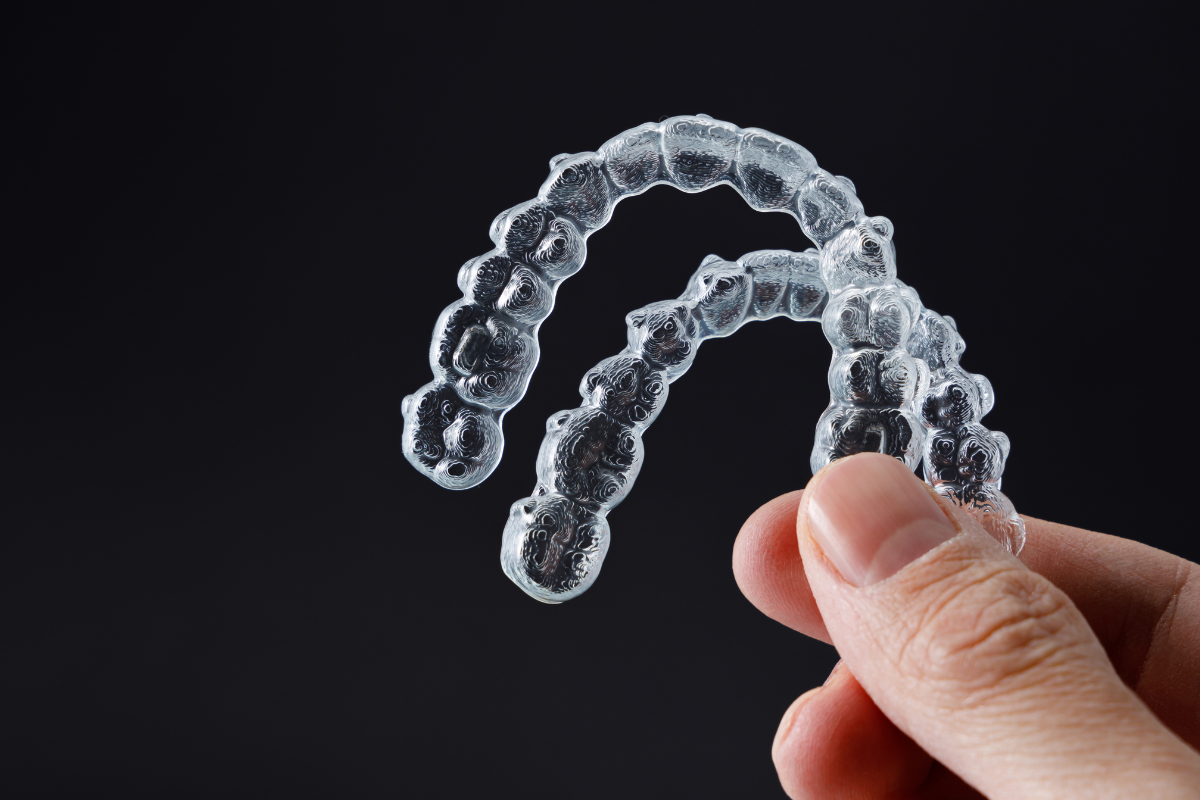
Noticed a less-than-fresh smell since starting Invisalign? You’re not alone. Many parents in Alpharetta mention that their teen seems more self-conscious after school, sports practice, or a long day out with friends. Because aligners fit snugly over the teeth, it’s natural to wonder whether trapped food or bacteria might be causing bad breath.
The good news: this is a common and manageable issue. With the right hygiene habits and guidance, teens can keep their smiles fresh throughout treatment—without disrupting their progress.
Meet Dr. Javid Yavari, Your Guide to Fresh Invisalign Smiles

At Crabapple Pediatric Dentistry & Orthodontics, Dr. Javid Yavari, DMD, helps families navigate every stage of orthodontic care—including the small but important details like aligner hygiene. With degrees from Florida Atlantic University in Boca Raton and the Medical College of Georgia School of Dentistry, along with an advanced general dentistry residency at the Medical College of Georgia Hospital and Clinics, he brings both clinical depth and a comfort-focused philosophy to care.
Dr. Yavari believes a smile is a lifelong gift. That means treatment plans are as unique as each child’s smile—including personalized strategies for keeping breath fresh during Invisalign treatment. Because aligners are removable, they offer excellent flexibility for brushing and flossing—but they must be worn 20–22 hours a day to stay effective. Dr. Yavari helps teens balance consistency with smart hygiene habits, so confidence stays high.
If your teen is experiencing bad breath or has questions about aligner care, schedule a consultation with our Alpharetta team. We’re here to provide personalized guidance that keeps treatment on track and your teen’s smile fresh and confident.
Why Bad Breath Happens During Invisalign Treatment
Bad breath during orthodontic care usually comes down to bacteria. When aligners are worn most of the day, saliva flow around the teeth can be slightly reduced. If food particles remain on the teeth when aligners are reinserted, bacteria can multiply in that enclosed environment.
Common causes include:
- Reinserting aligners without brushing after meals
- Not rinsing trays after removing them
- Infrequent deep cleaning of aligners
- Dry mouth from sports or dehydration
- Skipping flossing
Because teens are busy—whether they’re grabbing snacks after school near Big Creek Greenway or heading to practice at Webb Bridge Park—it’s easy to overlook small hygiene steps. Fortunately, simple routine adjustments make a big difference.
Proven Fixes for a Fresher Smile
1. Rinse Aligners Every Time You Remove Them
Each time aligners come out for eating or drinking anything besides water, they should be rinsed under lukewarm water. This prevents saliva and bacteria from drying on the trays.
Teens who toss aligners into a case without rinsing may notice odor buildup. A quick rinse takes seconds and helps maintain freshness throughout the 20–22 hour daily wear schedule.
2. Brush and Floss Before Reinserting Aligners
This is the most important step. Aligners fit tightly over teeth. If food debris is left behind, it becomes trapped.
Encourage your teen to brush and floss after meals—even after a quick snack from the Alpharetta Farmers Market. If brushing isn’t possible immediately, rinsing thoroughly with water is the next best option until proper brushing can happen.
3. Use Safe Soaking Solutions Overnight
Aligners benefit from daily soaking in a dentist-recommended cleaning solution. This removes invisible buildup that brushing alone may miss.
Avoid hot water, which can warp trays. Because Invisalign aligners are custom-designed to guide gradual tooth movement, maintaining their shape is essential for predictable results.
4. Choose Alcohol-Free Mouthwash
Alcohol-based mouthwashes can dry out the mouth and potentially discolor aligners. An alcohol-free option helps reduce bacteria while protecting tray clarity.
For teens concerned about breath after school or before social events, a quick rinse can boost confidence without harming their aligners.
5. Stay Hydrated and Chew Sugar-Free Gum
Dry mouth contributes to odor. Encourage frequent water intake—especially after sports at Wills Park or long school days.
If aligners are out temporarily, sugar-free gum can stimulate saliva production. Just be sure trays go back in promptly to maintain the recommended wear time.
6. Weekly Aligner Switches: Perfect Hygiene Reset
Because Invisalign treatment involves switching to a new set of aligners approximately every week, this naturally creates a “reset” opportunity. Starting each new tray with clean teeth and a refreshed hygiene routine helps prevent buildup from carrying forward.
Dr. Yavari reviews wear instructions carefully during progress checks to ensure both alignment and oral health stay on track.
7. Progress Check-Ins to Catch Issues Early
Minimal but consistent appointments allow the orthodontic team to evaluate tooth movement and oral hygiene together. If breathing concerns persist, adjustments can be made—whether it’s refining cleaning techniques or addressing dry mouth.
Real-Life Scenario: A Simple Adjustment, Big Relief
An Alpharetta mom recently shared that her teen’s breath seemed worse after soccer practice at Wills Park—even though he brushed daily. She worried something was wrong with his treatment.
During a consultation, Dr. Yavari discovered that while her son was brushing at night, he wasn’t rinsing his aligners immediately after removing them during the day. Saliva buildup was creating odor.
With a simple change—rinsing trays every removal and adding a daily soak—the issue resolved quickly. The teen regained confidence, and treatment stayed on track without disruption.
Families consistently appreciate this thoughtful guidance:
“We’ve been to many pediatric dentists in this area and Crabapple is by far the best. Having an Orthodontist in house is also a major plus. My kids actually enjoy going to the dentist now and I credit the all staff, dentists, orthodontists, and hygienists for making them comfortable. They are extremely knowledgeable and explain every procedure clearly. We also have a special needs son. He has had difficulty with the dentist in the past. Crabapple has done an excellent job working with him and accommodating him..”– M. Harrell
Knowledgeable, individualized care makes even small concerns feel manageable.
Supporting Busy Alpharetta Families
Orthodontic visits are designed to fit into active schedules. With fewer in-office appointments required during Invisalign treatment, families can plan efficiently—whether grabbing coffee at Valor Coffee after a quick check-in or heading to Vertigo Fun Center once appointments wrap up.
The goal is to make orthodontic care feel seamless, not stressful.
When to Seek Guidance
If bad breath lingers despite consistent brushing, flossing, and aligner care, it may be time for a personalized evaluation. For families in Alpharetta, our team can review your teen’s Invisalign routine, refine hygiene steps, and ensure treatment remains both effective and comfortable.
Thoughtful adjustments today can protect your teen’s confidence and long-term results.
Frequently Asked Questions
Why does Invisalign cause bad breath in teens?
Because aligners are worn 20–22 hours daily, bacteria can accumulate if teeth and trays aren’t cleaned properly. Trapped food particles are the most common cause—not the treatment itself.
How often should I clean Invisalign aligners?
Aligners should be rinsed every time they’re removed and soaked daily in a safe cleaning solution. Teeth should be brushed and flossed before reinserting trays.
Can mouthwash damage Invisalign trays?
Alcohol-based mouthwashes may discolor or dry out aligners. An alcohol-free formula is recommended to protect both oral health and tray clarity.
What if my teen forgets to rinse after eating?
Encourage rinsing as soon as possible. If brushing isn’t immediately available, a thorough water rinse helps temporarily. Reinforce routine habits to prevent repeat buildup.
Does bad breath mean Invisalign isn’t working?
No. Breathing concerns are typically related to hygiene, not tooth movement. With proper cleaning and guidance, Invisalign treatment can continue effectively while maintaining a fresh smile.