770-664-1999

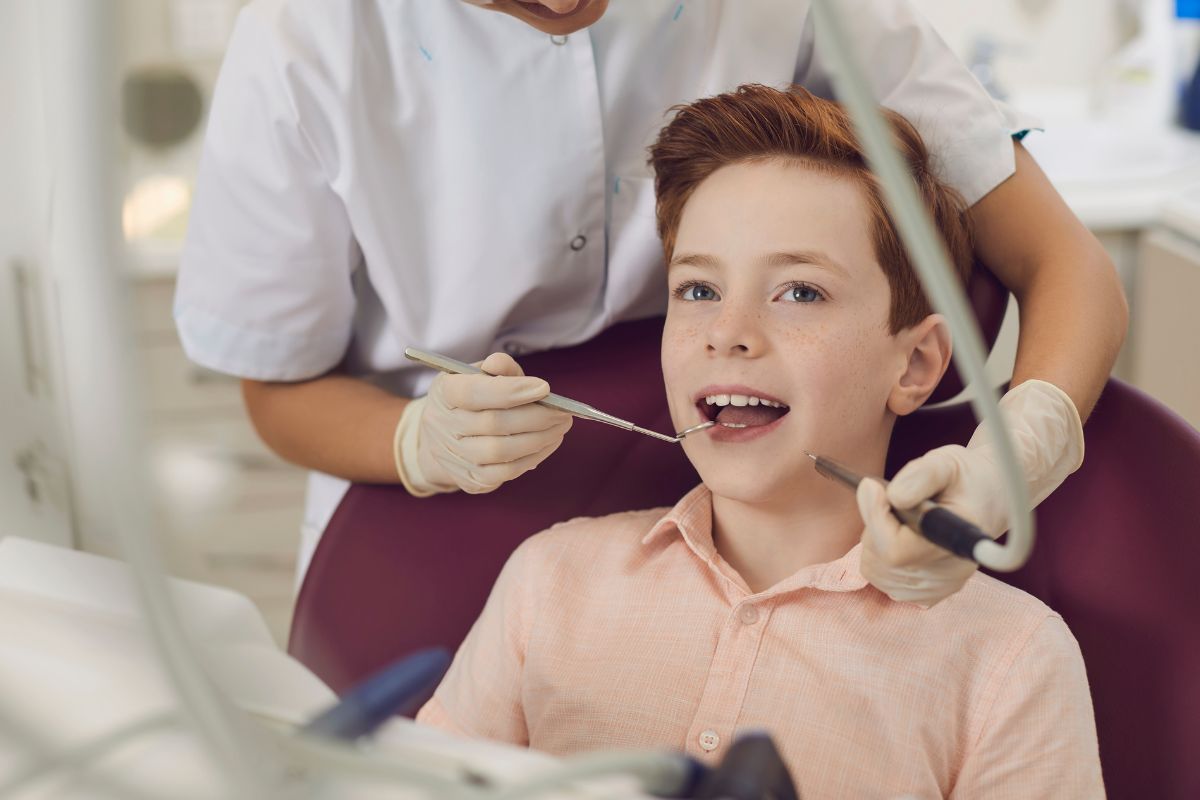
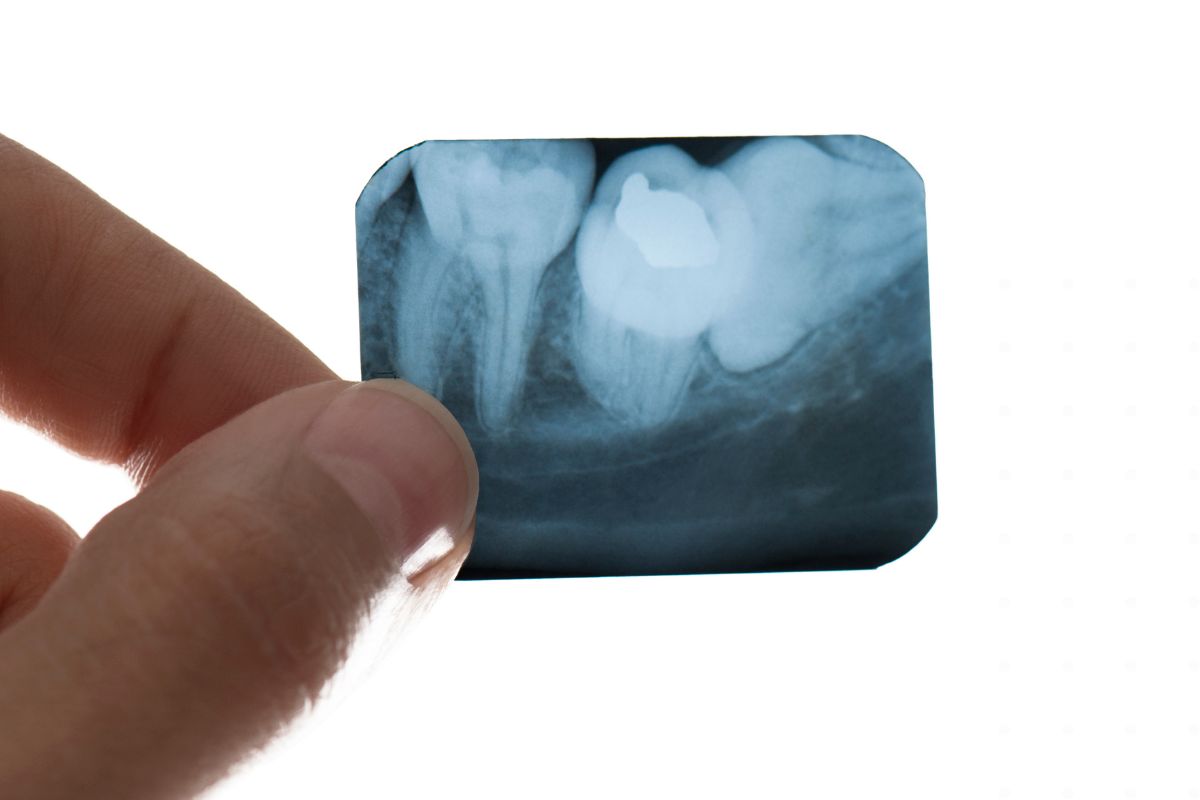
If your child is in the middle of orthodontic treatment or has recently finished it, wisdom teeth may be on your radar. Parents often hear about wisdom teeth causing problems and wonder whether kids wisdom tooth monitoring should be part of the plan. It is a fair and important question. Wisdom teeth, also called third molars, typically develop later than other permanent teeth, but that does not mean families should wait to think about them.
Orthodontic treatment for your kids involves a lot of careful planning, and a big part of that planning is anticipating what happens after the braces come off or the aligners are finished. At Crabapple Pediatric Dentistry & Orthodontics, Dr. Allison Petty and Dr. Javid Yavari make sure families understand the full picture, including the role of wisdom teeth in keeping a beautiful smile stable over time.
What Are Wisdom Teeth and When Do They Develop?
Wisdom teeth are the third set of molars located at the very back of the mouth. Most people develop four of them, though some develop fewer or none at all. These teeth usually begin forming beneath the gums in the early teen years and may start to erupt anywhere between ages 17 and 25. Because they develop so late relative to the other teeth, they are often the wildcard in long-term dental planning.
The timing varies widely from one child to another. Some kids show early signs of wisdom tooth development on X-rays as young as 12 or 13. Others do not show significant development until their late teens. That variability is exactly why monitoring matters so much during and after active orthodontic care.
Do Wisdom Teeth Cause Orthodontic Relapse?
This is one of the most common questions families ask. For years, wisdom teeth were widely blamed for crowding and shifting teeth after orthodontic treatment, sometimes called orthodontic relapse. The research on this has evolved, and today most orthodontists take a more nuanced view. Wisdom teeth alone do not directly cause significant crowding in most cases. However, they can contribute to movement when other factors are already present, and they can create pressure that affects the stability of orthodontic results.
More critically, wisdom teeth that are impacted or growing at an angle can cause real problems unrelated to alignment. Impacted wisdom teeth can damage neighboring molars, lead to cysts or infections, and create areas that are difficult to clean. These issues make monitoring an important safeguard even beyond the cosmetic concern of teeth shifting.
A Scenario Many Families Recognize
Picture a teenager, Marcus, who just finished two years of orthodontic treatment. His smile looks amazing and everyone in the family is thrilled. His retainer is fitting well and he is wearing it consistently. At his six-month check-up, a panoramic X-ray reveals that his lower wisdom teeth are developing at an angle, pointing toward the second molars rather than erupting straight up. Dr. Yavari discusses the finding with Marcus’s family. Because the issue is caught early, they have time to consult with an oral surgeon and plan a smooth removal before the wisdom teeth cause any damage. Marcus keeps his beautiful results. His family is grateful they did not skip the monitoring appointment.
When Should Wisdom Tooth Monitoring Begin?
Most orthodontists recommend that kids wisdom tooth monitoring begin with panoramic X-rays around ages 12 to 14. This initial view gives the dental team a baseline. From that point forward, X-rays taken at regular intervals track how the wisdom teeth are forming, what angle they appear to be taking, and whether there is adequate space for them to erupt normally.
For children currently in orthodontic treatment, this monitoring fits naturally into the regular check-up schedule. For children who have completed treatment, the monitoring continues as part of retainer follow-ups and routine dental visits. The goal is to have enough information to act early if a problem is developing, rather than reacting after symptoms appear.
Signs That Wisdom Teeth May Be Causing Issues
Between professional evaluations, parents and teenagers can watch for these signs:
- Pain or pressure at the back of the mouth or jaw
- Swelling or tenderness in the gum tissue behind the last molar
- Difficulty opening the mouth fully
- Recurring bad breath or taste in the back of the mouth
- Visible shifting of the front teeth after orthodontic treatment is complete
Does Every Child Need Wisdom Teeth Removed?
Not automatically. Some people have enough room in their jaw for wisdom teeth to erupt fully and function normally. In those cases, removal is not necessary and the teeth can be maintained with regular cleaning and monitoring. The decision to remove wisdom teeth is based on the individual’s anatomy, the angle of eruption, available space, and whether any symptoms or risks are present.
What changes the equation is timing. Removing wisdom teeth in the mid-teen years, before the roots are fully formed and before impaction causes damage, is typically a smoother process with faster healing compared to removal in adulthood. That is another reason why regular X-ray monitoring during and after orthodontic treatment is so valuable. It gives families options rather than forcing reactive decisions.
The Retainer Connection
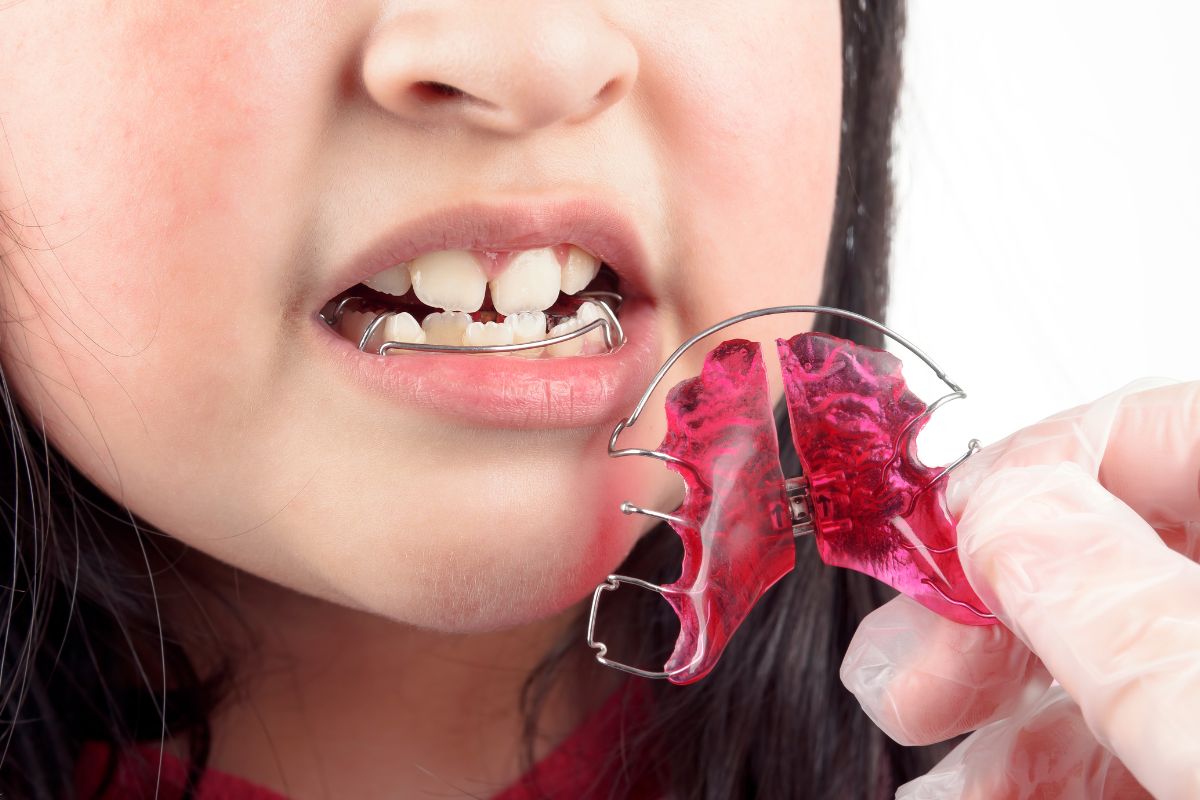
It is worth mentioning that consistent retainer wear remains the single most important factor in maintaining orthodontic results after treatment. While wisdom teeth can be a contributing factor to tooth movement, retainer compliance is the first line of defense. Dr. Yavari and the team at Crabapple Pediatric Dentistry & Orthodontics work closely with patients to ensure retainer routines are established and maintained, so the results of orthodontic treatment for your kids last a lifetime.
Partner With a Team That Looks at the Whole Picture
Wisdom tooth monitoring is not a stand-alone concern. It is one piece of a broader commitment to long-term oral health. At Crabapple Pediatric Dentistry & Orthodontics, Dr. Petty and Dr. Yavari provide that comprehensive view at every stage of your child’s dental development, from the first baby tooth to the last wisdom tooth decision. To make sure your child’s smile stays on the right track, visit our dental office and schedule an appointment with our team in Alpharetta today.
A great smile takes investment, and we are here to help protect yours every step of the way.