770-664-1999

Most parents associate braces with the teenage years. You picture a 13-year-old with metal brackets and rubber bands, counting down the months until the wires come off. But here is something that surprises a lot of families: the American Association of Orthodontists recommends that children receive an early orthodontic evaluation children before age 7. That timeline may seem early, but there are very good reasons behind it, and understanding those reasons could make a real difference in your child’s oral health journey.
At Crabapple Pediatric Dentistry & Orthodontics, Dr. Allison Petty and Dr. Javid Yavari see children at all stages of dental development. Time and again, they see how early orthodontic treatment opens the door to simpler, more effective care down the road. The goal is never to rush treatment. It is to catch developing issues when intervention is easiest and most impactful.
Why Age 7 Is the Magic Number
By the time a child turns 7, they typically have a mix of baby teeth and permanent teeth coming in. This gives orthodontists a clear picture of how the jaw is growing and how the adult teeth are likely to erupt. The bones in the face and jaw are still developing at this age, which means a specialist can guide that growth rather than try to correct it later after everything has solidified.
Think of it like steering a ship. Adjusting direction gradually over a long stretch of open water is far easier than making sharp corrections near the dock. Catching orthodontic concerns early gives Dr. Petty and Dr. Yavari the chance to work with your child’s natural growth cycle rather than against it.
Common Signs Your Child May Need an Evaluation
You do not need to be a dental professional to notice some of the early warning signs. Here are the most common signals that a visit for an early orthodontic evaluation is a smart move:
- Mouth breathing or snoring: Children who consistently breathe through their mouths, especially during sleep, may have airway issues connected to jaw structure or narrow palates.
- Early or late loss of baby teeth: If your child loses their baby teeth significantly earlier or later than typical, it can affect how adult teeth erupt and align.
- Crowded, crooked, or misplaced teeth: Teeth that appear crowded even in the mixed dentition stage can be a sign that there is not enough room for permanent teeth to come in properly.
- Biting or chewing difficulties: If your child frequently bites their cheek, avoids certain foods, or chews on only one side of their mouth, that deserves attention.
- Jaws that shift, pop, or click: Sounds or movement in the jaw joint can point to misalignment that benefits from early assessment.
- Prolonged thumb sucking or pacifier use: Oral habits that continue past age 3 to 4 can begin to change the shape of the palate and the positioning of emerging teeth.
- A noticeably protruding upper or lower jaw: When the upper or lower jaw appears to stick out significantly, skeletal imbalances may be at play.
What Happens During an Early Orthodontic Evaluation?
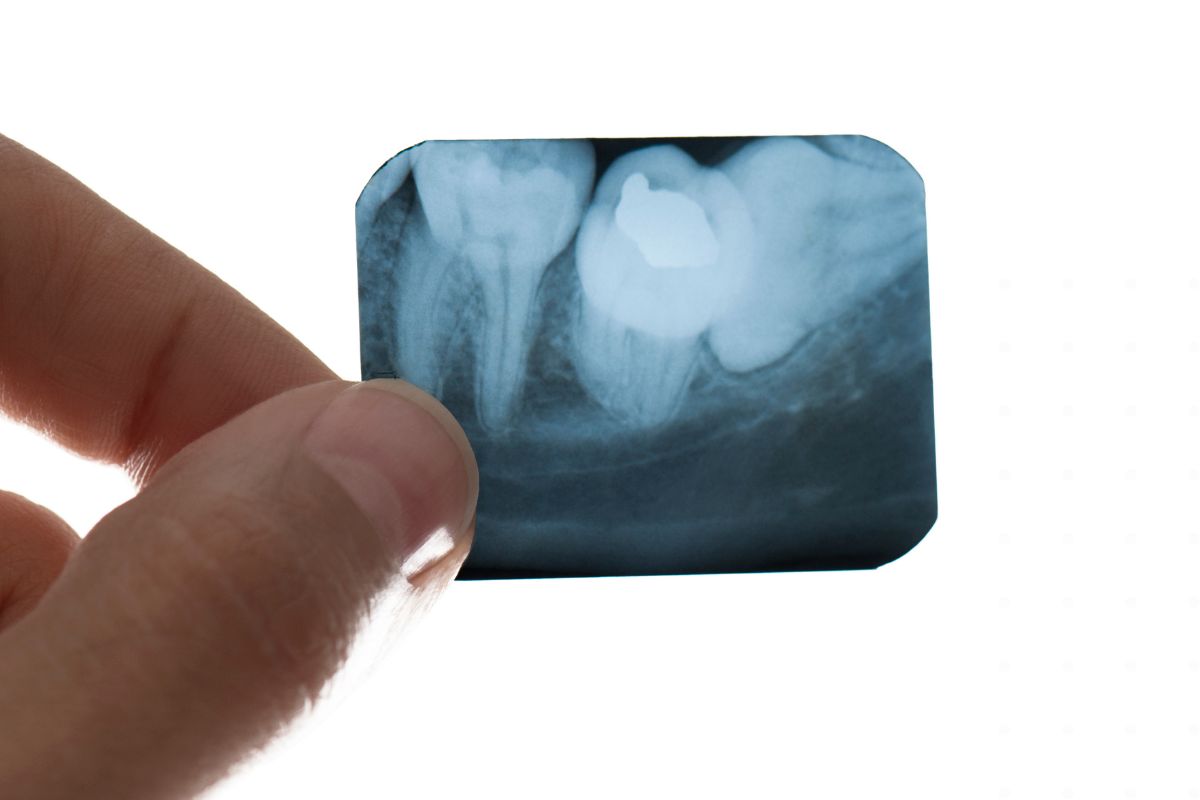
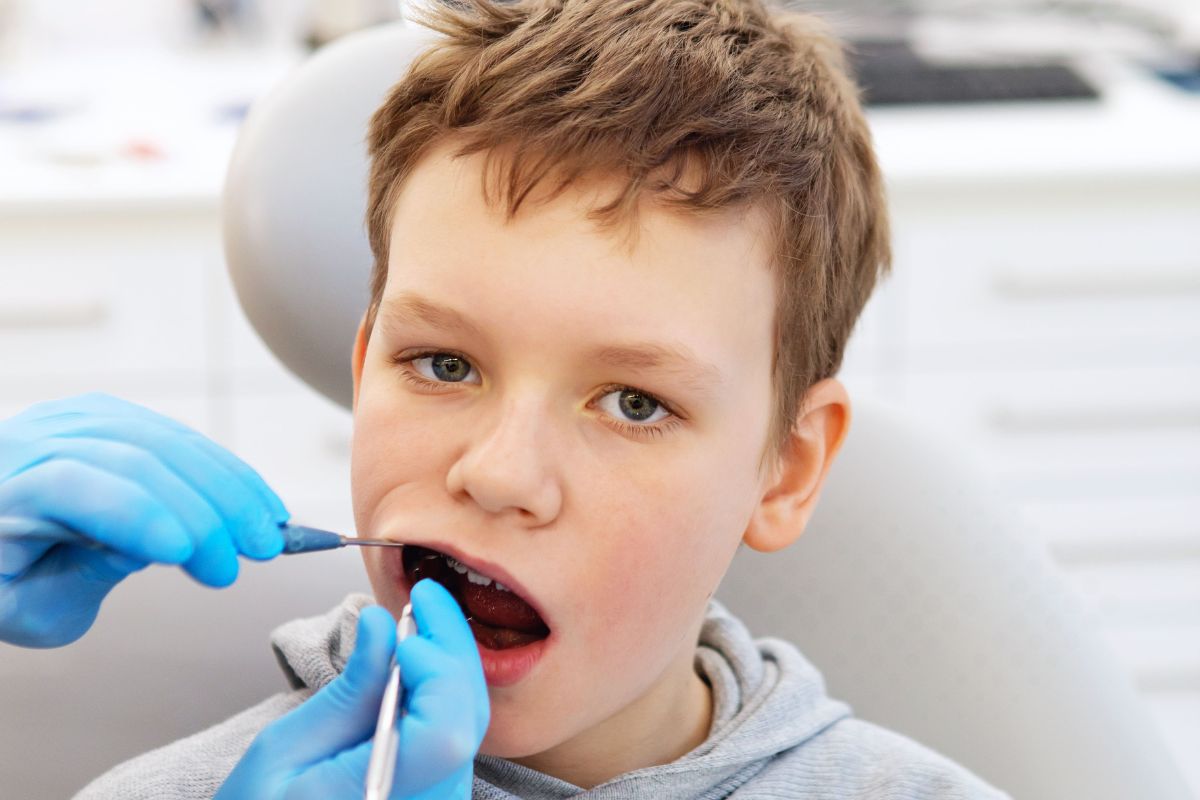
Many parents wonder what the appointment actually involves. It is generally relaxed and non-invasive. Dr. Yavari will examine your child’s teeth, jaws, and bite, and may take X-rays to get a full picture of how the permanent teeth are positioned beneath the gums. The goal is to identify any skeletal or dental problems that are developing, not necessarily to start treatment immediately.
In many cases, the conclusion of that first evaluation is simply to monitor and watch. That is actually great news. It means you have a trusted team in your corner tracking your child’s development and ready to act if something changes. Only a smaller portion of children evaluated early need what is called Phase 1 treatment, which addresses specific issues like jaw width, severe crowding, or bite problems while growth is still happening.
A Real Family’s Story
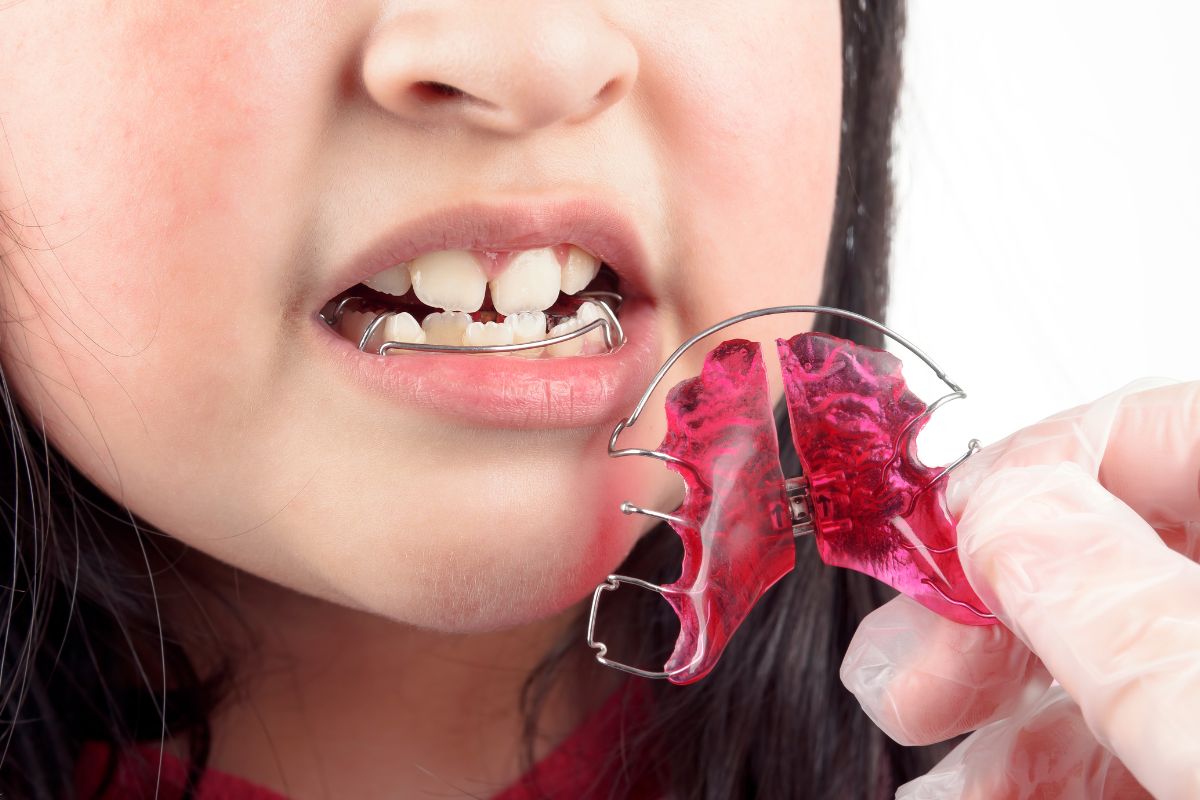
Consider a scenario that plays out often at our Alpharetta office. A parent brings in their 6-year-old daughter, Emma, for her routine pediatric dental checkup with Dr. Petty. During the visit, Dr. Petty notices that Emma’s upper jaw appears narrow and her upper teeth are sitting inside her lower teeth on one side when she bites down. She refers Emma to Dr. Yavari for an orthodontic evaluation. After an exam and X-rays, Dr. Yavari recommends a palate expander over the next several months. By the time Emma turns 9, her jaw has grown to its proper width and her permanent teeth have room to erupt beautifully. Without that early evaluation, Emma’s family might not have known there was anything to address until her teen years, when correction would have been far more complex. Read more reviews and patient experiences on our Google Reviews.
Early Orthodontic Treatment Does Not Always Mean Braces Right Away
One of the most common misconceptions is that an early evaluation leads directly to braces. That is simply not true. Early orthodontic treatment encompasses a wide range of approaches, including space maintainers, palate expanders, habit appliances, and careful monitoring. These tools address structural or growth concerns in a targeted way, often setting children up so that if they do need braces later, the treatment is shorter and less involved.
It is also worth noting that some children who come in for an early evaluation do not need any active treatment at all. The orthodontist may simply recommend check-ins every six months to watch how things develop. That kind of proactive, informed oversight is itself valuable and gives families peace of mind.
The Connection Between Dental and Overall Health
Orthodontic issues are not just about appearance. When teeth are significantly crowded or misaligned, they are harder to clean effectively, which can increase the risk of cavities and gum disease. Jaw imbalances can affect chewing, speech development, and even sleep quality. Addressing these concerns early sets children up for better oral health and overall wellness as they grow.
Dr. Allison Petty and Dr. Yavari take a whole-child approach at Crabapple Pediatric Dentistry & Orthodontics. They work together under one roof, which means your child benefits from both a pediatric dental perspective and an orthodontic one during every stage of their growth. That collaboration is something families in Alpharetta and surrounding communities genuinely appreciate.
Schedule Your Child’s Evaluation Today
If your child is approaching age 7 or if you have noticed any of the signs mentioned in this article, there is no reason to wait. An early evaluation is a low-pressure, informative appointment that gives you a clear picture of where your child stands and what, if anything, to expect going forward. To get started, visit our dental office at Crabapple Pediatric Dentistry & Orthodontics and schedule an appointment with our team. We are here to make the process easy, comfortable, and completely centered around your child.
Catching the right things at the right time makes all the difference. Your child’s healthiest, most confident smile starts with one simple step.