770-664-1999

A space maintainer helps protect your child’s smile after the early loss of a baby tooth. Many parents are surprised to learn that baby teeth play an important role in guiding permanent teeth into the correct position. At Crabapple Pediatric Dentistry & Orthodontics in Alpharetta, families often ask whether losing a baby tooth too soon can affect future dental development. The answer is yes, and in many cases, a simple appliance can help prevent bigger orthodontic problems later.
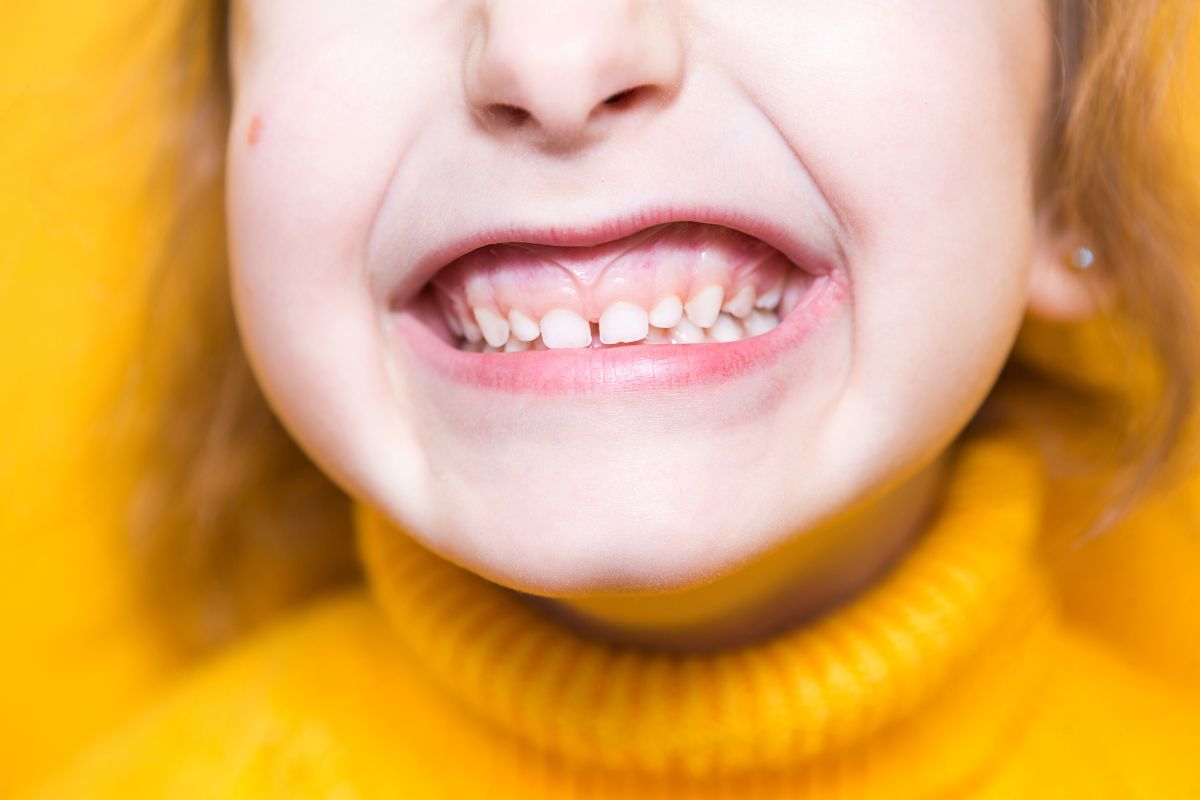
Every child’s smile develops differently. While some children lose baby teeth exactly when expected, others may lose them early because of decay, injury, or infection. When that happens, the surrounding teeth can begin shifting into the empty space. As a result, the permanent tooth may not have enough room to erupt properly. Understanding how this appliance works allows parents to make confident decisions about their child’s oral health.
Why Baby Teeth Matter More Than You Think
Many people assume baby teeth are temporary and therefore unimportant. However, they serve several important purposes during childhood.
Baby teeth help children:
- Chew food comfortably.
- Speak clearly.
- Maintain proper jaw development.
- Hold space for permanent teeth.
- Support healthy facial growth.
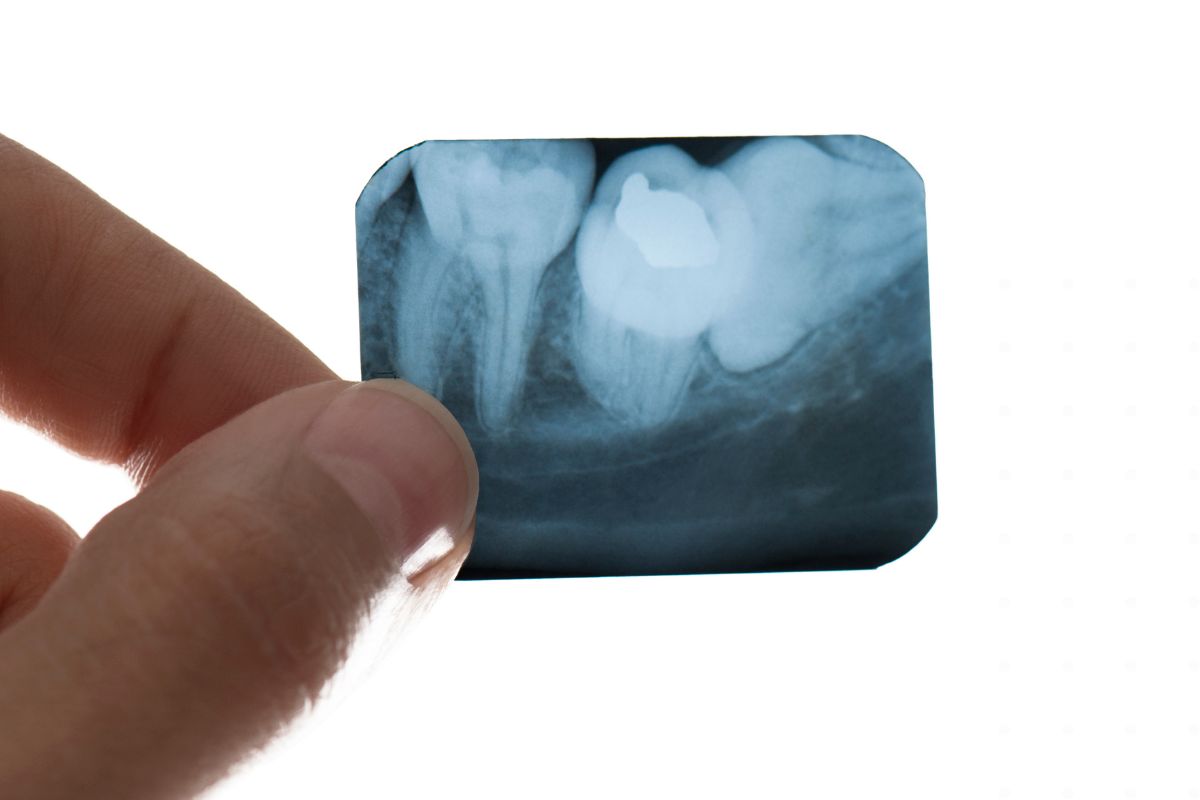
If a baby tooth falls out too early, neighboring teeth often drift toward the empty area. Consequently, this movement can reduce the space needed for the adult tooth to emerge correctly.
For this reason, pediatric dentists carefully evaluate early tooth loss before deciding whether treatment is necessary.
What Is a Space Maintainer?
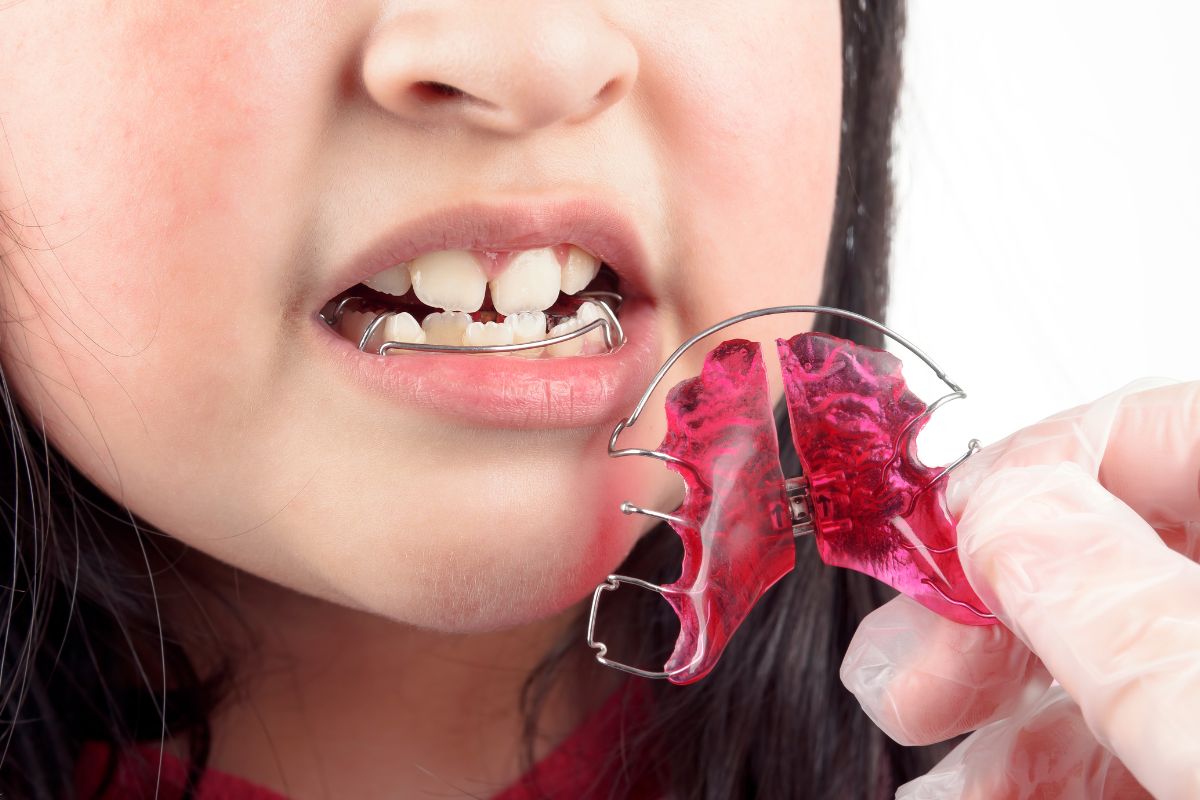
A space maintainer is a custom-made dental appliance that keeps an empty space open until the permanent tooth is ready to erupt. It prevents nearby teeth from shifting into that gap and helps maintain proper alignment.
The appliance is usually made from durable stainless steel or other child-friendly dental materials. Your dentist designs it specifically for your child’s mouth to ensure a comfortable fit.
Fortunately, most children adjust to wearing one within just a few days.
After evaluating your child’s smile, your Alpharetta orthodontist at Crabapple Pediatric Dentistry & Orthodontics may recommend a space maintainer if a baby tooth is lost earlier than expected. Dr. Javid Yavari creates personalized treatment plans that focus on protecting your child’s developing smile while helping permanent teeth erupt in the proper position. This proactive approach may reduce the need for more extensive orthodontic treatment later. Information about early orthodontic care and personalized treatment planning is available through the practice’s services and patient education resources.
Types of Space Maintainers
Not every child requires the same type of appliance. Your dentist will recommend the best option based on your child’s age, dental development, and which tooth was lost.
Fixed Space Maintainers
A fixed appliance remains attached to the teeth until the permanent tooth begins erupting.
Common examples include:
- Band and loop appliances
- Crown and loop appliances
- Lingual arch appliances
- Distal shoe appliances
Because these appliances stay in place, children do not have to remember to wear them every day.
Removable Space Maintainers
Older children who can follow instructions carefully may qualify for removable appliances.
These appliances:
- Can be removed during cleaning.
- Require good daily care.
- Must be worn consistently for the best results.
Your dentist will explain whether this option is appropriate for your child.
When Would My Child Need One?
Several situations may lead your dentist to recommend a space maintainer.
Early Loss of a Baby Tooth
The most common reason involves losing a baby tooth months or even years before the permanent tooth is ready.
Early tooth loss may result from:
- Tooth decay
- Dental trauma
- Infection
- Congenital conditions
- Necessary tooth extraction
Without protection, nearby teeth may begin moving within a relatively short period.
Protecting Future Orthodontic Health
Keeping adequate space often helps permanent teeth erupt more naturally. This can reduce crowding and improve overall alignment.
Although every child is different, preserving space today may prevent more complicated orthodontic treatment tomorrow.
How Is the Appliance Placed?
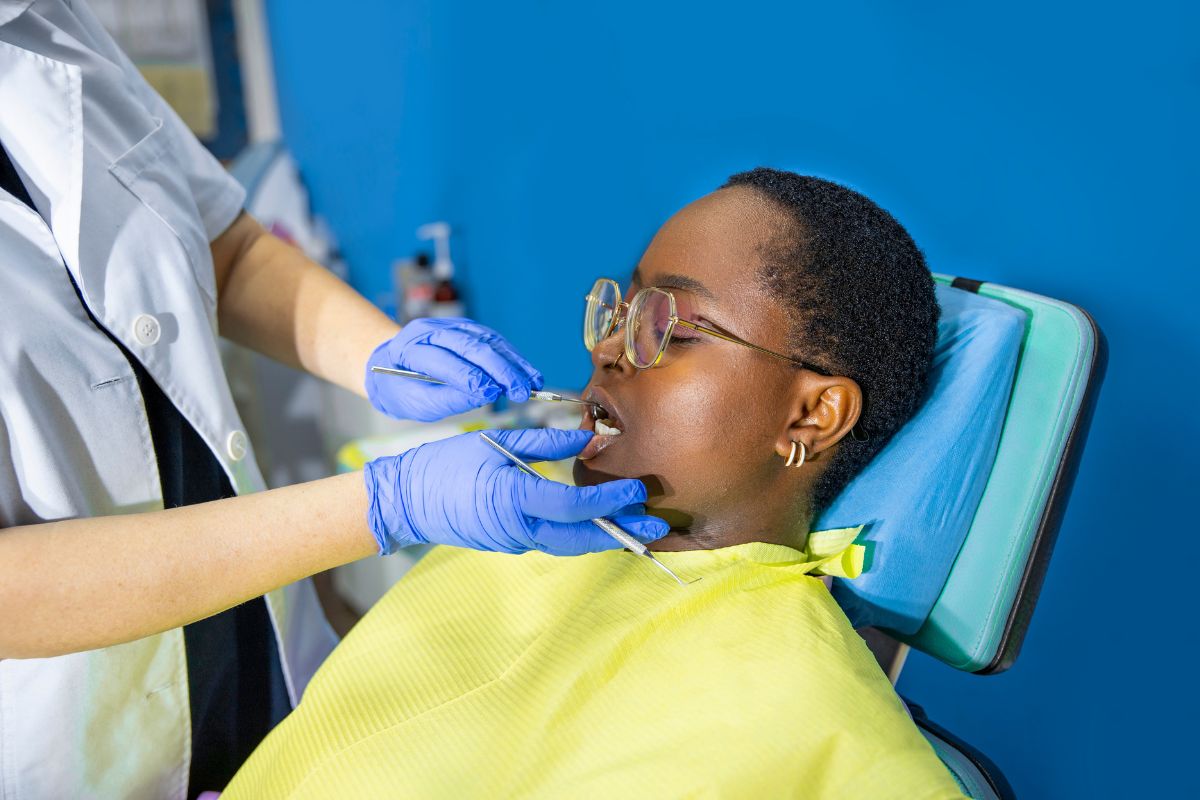
Parents often worry that placement will be uncomfortable. Fortunately, the process is usually quick and straightforward.
During the appointment, your dental team will:
- Examine your child’s teeth.
- Take digital images or impressions if needed.
- Create a custom appliance.
- Fit and adjust it carefully.
- Review home care instructions.
Most children return to their normal daily activities shortly after the visit.
Caring for a Space Maintainer
Good oral hygiene helps the appliance work properly while protecting surrounding teeth.
Encourage your child to:
- Brush carefully around the appliance twice each day.
- Floss according to your dentist’s instructions.
- Avoid sticky candies and chewing gum.
- Skip very hard foods that could loosen the appliance.
- Attend regular dental checkups.
Consistent care helps prevent damage and keeps the appliance functioning as intended.
What Happens If No Treatment Is Provided?
Some parents wonder whether waiting is an acceptable option.
Unfortunately, leaving an empty space untreated may lead to several problems.
These may include:
- Crowded permanent teeth
- Crooked tooth eruption
- Bite problems
- Longer orthodontic treatment later
- Greater treatment costs in the future
Although not every child requires intervention, early evaluation allows your dentist to make the most appropriate recommendation.
Does Every Child Who Loses a Baby Tooth Need One?
No.
The decision depends on several important factors.
Your dentist will consider:
- Your child’s age
- Which baby tooth was lost
- How much jaw growth remains
- The position of developing permanent teeth
- The expected eruption timeline
Sometimes no treatment is necessary because the adult tooth will appear soon. In other cases, preserving space is the healthiest choice.
Benefits of Early Evaluation
Scheduling regular dental visits allows developing problems to be identified before they become more difficult to manage.
Early evaluation offers several advantages.
Better Tooth Alignment
Maintaining space gives permanent teeth a better opportunity to erupt where they belong.
Simpler Future Treatment
Preventing unnecessary tooth movement may reduce the complexity of future orthodontic care.
Healthier Smile Development
Monitoring growth allows your dental team to recommend treatment at the most effective time.
Greater Peace of Mind
Parents gain confidence by understanding exactly how their child’s smile is developing and what steps, if any, are needed.
Frequently Asked Questions
Is wearing the appliance painful?
Most children adjust within a few days. Mild soreness is possible initially but usually disappears quickly.
How long will my child wear it?
The appliance generally remains in place until the permanent tooth begins erupting. The timeline varies depending on your child’s age and dental development.
Can my child still play sports?
Yes. Children can continue their normal activities. Your dentist may recommend a mouthguard during contact sports.
Will it affect eating?
Most children return to normal eating habits after a short adjustment period. Avoiding sticky and very hard foods helps protect the appliance.
A space maintainer plays an important role in protecting your child’s developing smile after the early loss of a baby tooth. By preserving the proper space for permanent teeth, this simple appliance can help reduce crowding, support healthy jaw development, and minimize future orthodontic concerns. Early evaluation allows your child’s dental team to recommend the right treatment at the right time based on their unique needs.
If your child has lost a baby tooth sooner than expected, schedule an appointment with Dr. Javid Yavari at Crabapple Pediatric Dentistry & Orthodontics.