770-664-1999

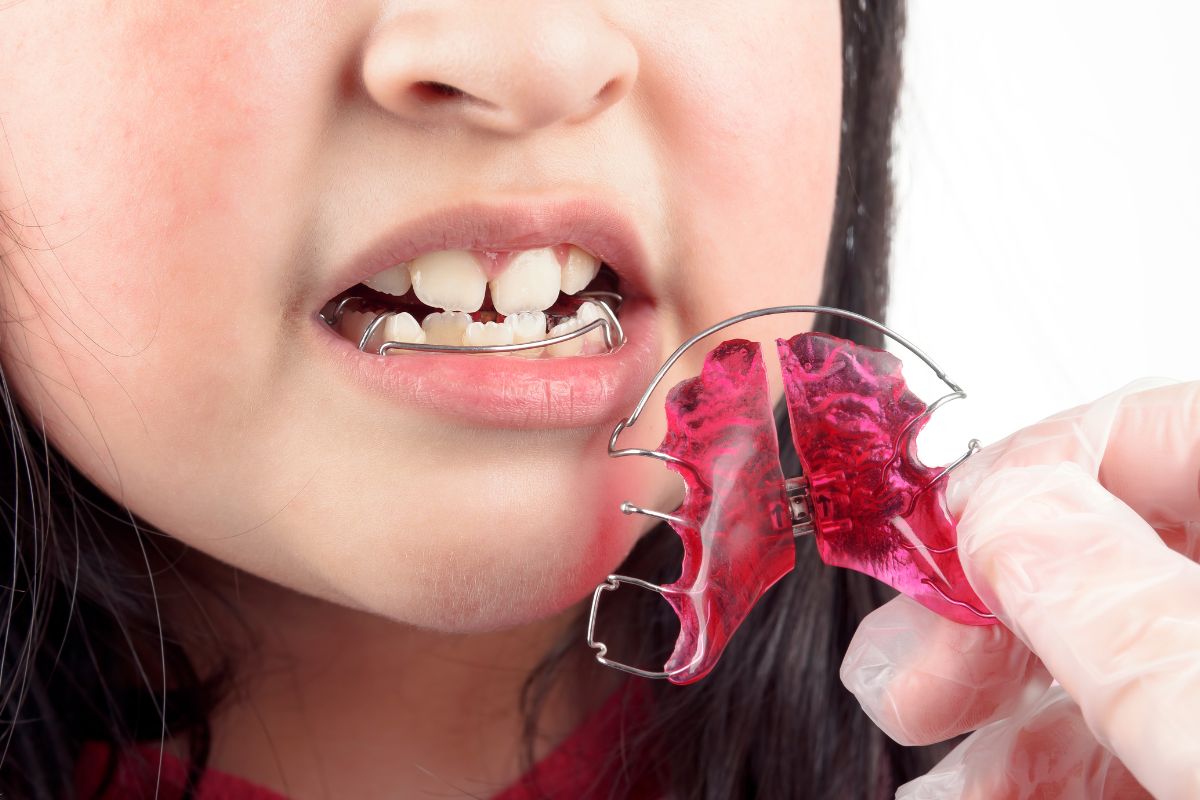
Orthodontic retention after braces kids receive is one of the most important steps in protecting a newly straightened smile. After months or even years of treatment, it can feel like the journey is finally over when the braces come off. However, at Crabapple Pediatric Dentistry & Orthodontics in Alpharetta, GA, families learn that removing braces is not the final step in protecting a child’s smile.
For many families, the excitement of seeing straight teeth can make retainers seem less important than braces. However, braces and retainers serve different purposes. Braces move the teeth into healthier positions, while retainers help keep them there as the mouth adjusts.
Skipping a retainer may seem harmless at first. Your child may miss a night, leave it at a friend’s house, or gradually stop wearing it altogether. Unfortunately, teeth can naturally begin to shift over time. As a result, the progress achieved during treatment may slowly start to disappear.
Understanding why retention matters can help parents encourage healthy habits and help children protect the smile they worked so hard to achieve.
Why Teeth Can Move After Braces Come Off
Braces apply controlled pressure to move teeth into healthier and better-aligned positions. However, the tissues and bone surrounding those teeth need time to adjust after treatment.
Even after braces come off, teeth do not suddenly become permanently locked into their new positions. They can respond to pressure from chewing, growth, natural changes in the jaw, and forces from surrounding tissues.
This is why orthodontic retention plays such an important role after active treatment.
Without a retainer, your child’s teeth may gradually move toward their previous positions. The amount of movement varies from one child to another, but even small changes can affect the appearance of the smile and the way the teeth fit together.
Common Changes That Can Happen Without Retainers
When a child stops wearing a retainer as instructed, parents may eventually notice:
- Crowding returning
- Small gaps reopening
- Front teeth shifting or rotating
- Changes in bite alignment
- Teeth becoming less straight over time
- A retainer becoming too tight because the teeth have already moved
These changes may not happen overnight. Instead, they can develop gradually, which makes them easy to overlook until the movement becomes more noticeable.
Braces Finish the Movement, but Retainers Protect the Results
It helps to think of braces and retainers as two parts of the same orthodontic process.
Braces actively move the teeth. Once the teeth reach their planned positions, retainers help hold them there while the mouth adapts.
That is why finishing braces does not mean your child’s orthodontic care is completely finished.
The Importance of Orthodontic Retention After Active Treatment
During treatment, braces apply force to guide teeth into new positions. After treatment ends, the surrounding structures continue adjusting. Retainers provide support during this important transition.
Consistent wear can help:
- Maintain the new tooth positions
- Reduce the risk of orthodontic relapse
- Protect bite alignment
- Preserve the cosmetic results of braces
- Prevent unnecessary repeat treatment
At Crabapple Pediatric Dentistry & Orthodontics, personalized orthodontic treatment for Kids includes looking beyond the day braces come off. Families in Alpharetta, GA benefit when they understand how orthodontic retention after braces kids need fits into the long-term plan for maintaining a healthy, confident smile.
What Happens When Kids Skip Their Retainers?
Children and teens have busy schedules. Between school, sports, friends, homework, and activities, remembering a retainer can sometimes feel like one more responsibility.
However, skipping retainer wear repeatedly can allow teeth to shift.
Missing One Night Versus Creating a Habit of Skipping
A single missed night does not always mean that all orthodontic progress will disappear immediately. Still, repeated missed nights can create a pattern that increases the risk of tooth movement.
The biggest concern often develops when a child gradually stops wearing the retainer.
For example, a child may:
- Miss wearing the retainer occasionally.
- Start wearing it only a few nights each week.
- Notice that the retainer feels tighter.
- Stop wearing it because it feels uncomfortable.
- Allow the teeth to continue shifting.
At that point, the retainer may no longer fit properly.
Why a Tight Retainer Should Not Be Ignored
If your child’s retainer suddenly feels very tight, it may indicate that the teeth have started moving.
Do not assume your child should simply force the appliance into place. Contact the orthodontic team for guidance. A damaged, warped, or poorly fitting retainer may not provide the protection your child’s smile needs.
Why Retainers Can Matter as Kids Continue Growing
Children and teenagers continue to grow and develop after braces come off. Their jaws and facial structures may change over time, and natural forces can continue affecting tooth positions.
This does not mean that every child will experience significant relapse. However, it does explain why orthodontic retention remains an important part of protecting treatment results.
Growth Is Only One Part of the Picture
Parents sometimes hear that certain teeth or natural growth caused a child’s teeth to shift. In reality, tooth movement can have several contributing factors.
These may include:
- Natural changes in the mouth
- Growth and jaw development
- Pressure from surrounding tissues
- Changes in bite forces
- Inconsistent retainer use
Because every child’s smile develops differently, an orthodontist can provide instructions based on your child’s individual treatment needs.
Making Retainer Wear Easier for Kids
The most effective retainer is the one your child actually wears as instructed.
Fortunately, parents can help make retainer care part of the daily routine.
Connect Retainer Wear to an Existing Habit
Children often remember new habits more easily when they connect them to something they already do.
For example, your child can:
- Brush and floss
- Clean the retainer
- Place the retainer in after completing the bedtime routine
A consistent sequence makes retainer wear easier to remember.
Keep the Retainer Case Close By
Retainers are small, which makes them easy to lose.
Encourage your child to keep the retainer in its protective case whenever it is not being worn. Avoid wrapping it in a napkin because retainers often get accidentally thrown away this way.
Keeping the case in a predictable location can also help.
Create a Simple Reminder System
Some children respond well to reminders.
You might use:
- A phone reminder
- A bedtime checklist
- A note near the toothbrush
- A family routine
Over time, wearing the retainer can become as familiar as brushing teeth before bed.
How Parents Can Help Children Stay Consistent
Younger children may need more support with retainer care, while teenagers may benefit from understanding why consistency matters.
Instead of simply saying, “Wear your retainer,” explain what the retainer does.
You can remind your child that:
- Braces created the new smile
- Retainers help keep that smile in place
- Skipping the retainer can allow teeth to move
- Consistent habits may help prevent additional orthodontic treatment
A positive approach often works better than using fear or frustration.
Let Your Child Take Responsibility Gradually
As children get older, encourage them to take ownership of their orthodontic routine.
They can learn how to:
- Store the retainer safely
- Clean it properly
- Remember the recommended wear schedule
- Notice when the retainer feels damaged or unusually tight
- Tell a parent when the retainer is lost
These habits can help your child understand that caring for their smile is an ongoing responsibility.
Retainer Care Matters Too
Wearing a retainer consistently is important, but proper care also matters.
A damaged or warped appliance may not fit correctly.
Basic Retainer Care Tips
Encourage your child to:
- Keep the retainer in its protective case
- Clean it according to the orthodontist’s instructions
- Keep it away from pets
- Avoid exposing it to excessive heat
- Never place it loosely in a pocket or backpack
- Tell a parent right away if it cracks, breaks, or becomes lost
If a retainer becomes damaged, contact your orthodontic provider for advice rather than waiting for the next routine appointment.
Orthodontic Retention After Braces Kids Need Is a Long-Term Investment
Braces require commitment. Families attend appointments, follow care instructions, and help children maintain good oral hygiene throughout treatment.
For that reason, it makes sense to protect the results after the braces come off.
Skipping orthodontic retainers can allow some of that hard-earned progress to disappear. In some cases, significant tooth movement may eventually require additional orthodontic treatment.
Consistent orthodontic retention after braces kids complete can help preserve the results achieved through months or years of care. For families in Alpharetta, GA, understanding the importance of retention can help parents recognize that the final stage of orthodontic treatment deserves just as much attention as the process of straightening the teeth.
How Long Will My Child Need to Wear a Retainer?
The answer depends on your child’s individual orthodontic needs.
Some children may follow a full-time wear schedule during the initial period after treatment before transitioning to nighttime wear. Others may receive different instructions based on their bite, tooth movement, and overall treatment plan.
Follow the Instructions for Your Child’s Smile
Avoid comparing your child’s retainer schedule with another child’s schedule.
Even siblings can have different orthodontic needs. Your orthodontist will recommend a plan based on your child’s teeth and treatment history.
The most important step is consistency.
If you are unsure about your child’s wear schedule, or if the retainer no longer fits comfortably, contact the orthodontic office for guidance.
Protect the Smile Your Child Worked Hard to Achieve
Braces can create a straighter and healthier-looking smile, but retainers help protect those results after treatment ends. Teeth can naturally shift, especially when children stop wearing their retainers consistently. Over time, small movements can lead to noticeable changes in alignment and bite.
Helping your child build a regular retainer routine, store the appliance safely, and report any damage can make a meaningful difference. Orthodontic treatment requires time and commitment, and the retention phase helps protect the results your child worked hard to achieve.
Schedule an appointment for orthodontic care at Crabapple Pediatric Dentistry & Orthodontics in Alpharetta, GA, to help protect your child’s smile and maintain the results of their orthodontic treatment.