770-664-1999

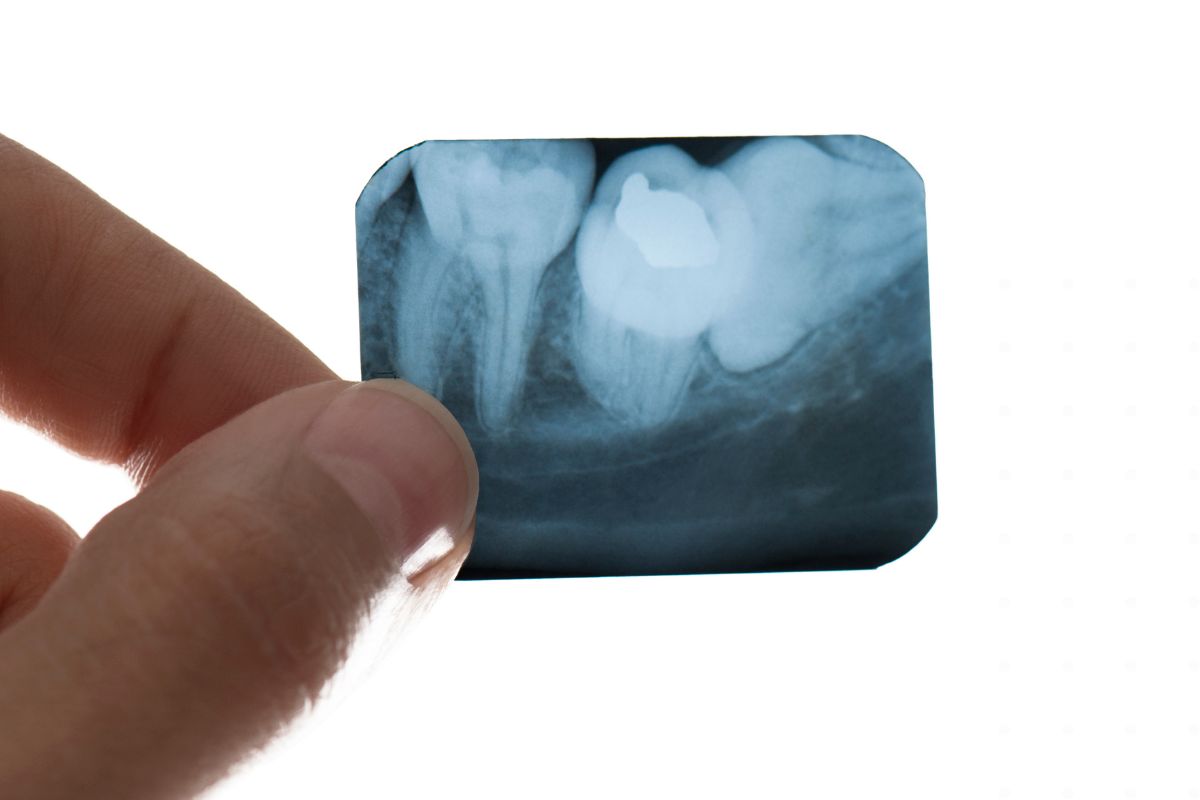
Orthodontists need more than a quick look at a child’s smile to understand how teeth and jaws are developing. Digital x-rays orthodontic planning can provide useful information about structures that cannot be seen during a standard visual examination. At Crabapple Pediatric Dentistry & Orthodontics in Alpharetta, Dr. Javid Yavari and Dr. Behnaz Yavari use orthodontic evaluation to understand developing bite and alignment concerns.
Why Do Orthodontists Use X-Rays?
A child’s mouth contains structures that remain hidden below the gums.
For example, permanent teeth may still be developing or waiting to erupt. An X-ray can help an orthodontist evaluate the position of those teeth and the surrounding bone.
The American Association of Orthodontists explains that orthodontic X-rays can help identify issues such as missing, impacted, extra, or misplaced teeth.
Since developing teeth and jaw structures cannot always be seen during a visual examination, an Alpharetta orthodontist for kids may use diagnostic imaging to better understand your child’s developing bite.
What Can an Orthodontic X-Ray Show?
Different types of dental images provide different views.
A panoramic image can show a broad view of the upper and lower teeth. A cephalometric image provides a side view that can help the orthodontist evaluate relationships involving the teeth and jaws.
Information May Include
An orthodontic image can help reveal:
- Developing permanent teeth
- Missing teeth
- Extra teeth
- Impacted teeth
- Tooth position
- Root position
- Jaw relationships
- Bone structures
- Eruption patterns
This information adds another layer to the clinical examination.
How Do X-Rays Support Treatment Planning?
Orthodontic treatment requires careful planning.
The orthodontist needs to understand where teeth currently sit and where developing teeth may be heading. Therefore, imaging can help the doctor see information that would otherwise remain hidden.
For example, a permanent tooth may appear crowded because another tooth blocks its eruption path. An image can help identify that relationship.
Planning Depends on More Than One Image
An X-ray does not determine the entire treatment plan by itself.
The orthodontist may also evaluate the child’s bite, facial development, tooth alignment, dental history, photographs, and other records.
Together, these findings help create a more complete picture.
Does Every Child Need the Same X-Rays?
No.
The type and timing of imaging depend on the child’s age, dental development, symptoms, treatment needs, and previous records.
An orthodontist may recommend a particular image when it can answer a clinical question.
Why Previous Images Matter
Parents should tell the orthodontic office if their child recently had dental imaging elsewhere.
Recent images may provide useful information and can sometimes help avoid unnecessary duplication when they remain appropriate for the current evaluation.
However, the orthodontist decides whether existing images are sufficient.
Are Digital X-Rays Fast?
Modern dental imaging can be completed quickly.
The child usually needs to remain still for a short period while the equipment captures the image. The exact process depends on the type of image being taken.
Because the images are digital, the orthodontic team can review them as part of the diagnostic process.
Comfort Can Matter for Children
A pediatric orthodontic visit should take the child’s age and comfort into account.
The team can explain what the equipment does and what the child needs to do. Simple preparation can make the experience feel less unfamiliar.
Parents can help by telling children that the process is brief and that they simply need to follow the team’s instructions.
What Does an Orthodontist Look for on the Images?
The orthodontist is not simply looking for crooked teeth.
They may assess several features related to development and treatment planning.
Tooth Development
Images can show permanent teeth that have not yet erupted. The orthodontist can assess their position and development.
Eruption Path
A tooth that has difficulty finding its normal path may need closer monitoring.
Jaw Relationships
Certain images can help the orthodontist evaluate how the upper and lower jaws relate to each other.
Root Position
Roots matter because orthodontic treatment moves teeth within the supporting bone. Understanding their position helps the orthodontist plan tooth movement.
How Do Images Work With Digital Treatment Planning?
Modern orthodontics can combine imaging with other digital records.
Depending on the practice and treatment approach, an orthodontist may also use digital photographs, intraoral scans, or other diagnostic records.
These tools can help create a more detailed representation of the child’s teeth and bite.
The American Association of Orthodontists notes that digital technologies can be combined with imaging and treatment planning tools to support orthodontic diagnosis and treatment.
Digital Does Not Mean Automatic
Technology provides information, but an orthodontist still needs to interpret that information.
A computer image cannot replace clinical judgment. Instead, digital tools give the orthodontic team more information to consider when developing a treatment plan.
What Should Parents Ask About Their Child’s X-Rays?
Parents should feel comfortable asking questions.
Consider asking:
- Why does my child need this image?
- What will the image help you evaluate?
- Are previous X-rays available?
- What type of image are you taking?
- How will the results affect treatment planning?
- Does my child need additional imaging?
Understanding the purpose of an X-ray can make the process easier for both parents and children.
Why Timing Can Matter in Growing Children
Children’s mouths change quickly.
Permanent teeth erupt, baby teeth fall out, and jaw structures continue developing. Therefore, an image from several years ago may not answer the same question today.
That does not mean children need frequent X-rays without a reason. Instead, imaging should support the diagnostic needs of the individual child.
Digital imaging can give orthodontists important information about teeth, roots, jaw structures, and developing permanent teeth. When combined with a clinical examination and other diagnostic records, those images can support more informed orthodontic treatment planning.
If you want to discuss your child’s developing bite or orthodontic needs, schedule an appointment with Crabapple Pediatric Dentistry & Orthodontics.