770-664-1999

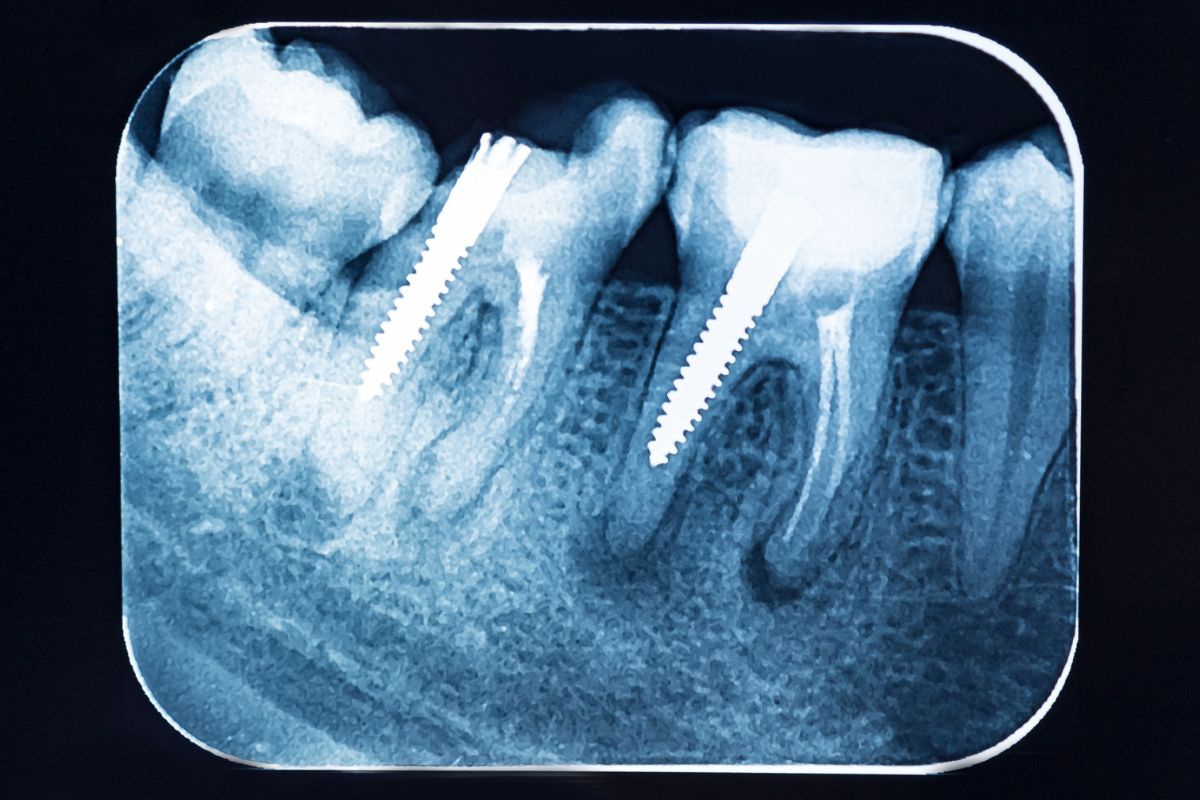
A child’s smile changes quickly as baby teeth make room for permanent teeth. That is why early orthodontic evaluation for children can help parents and dental professionals understand how the teeth and jaws are developing. At Crabapple Pediatric Dentistry & Orthodontics in Alpharetta, digital X-rays can provide valuable information that a visual dental exam cannot always reveal.
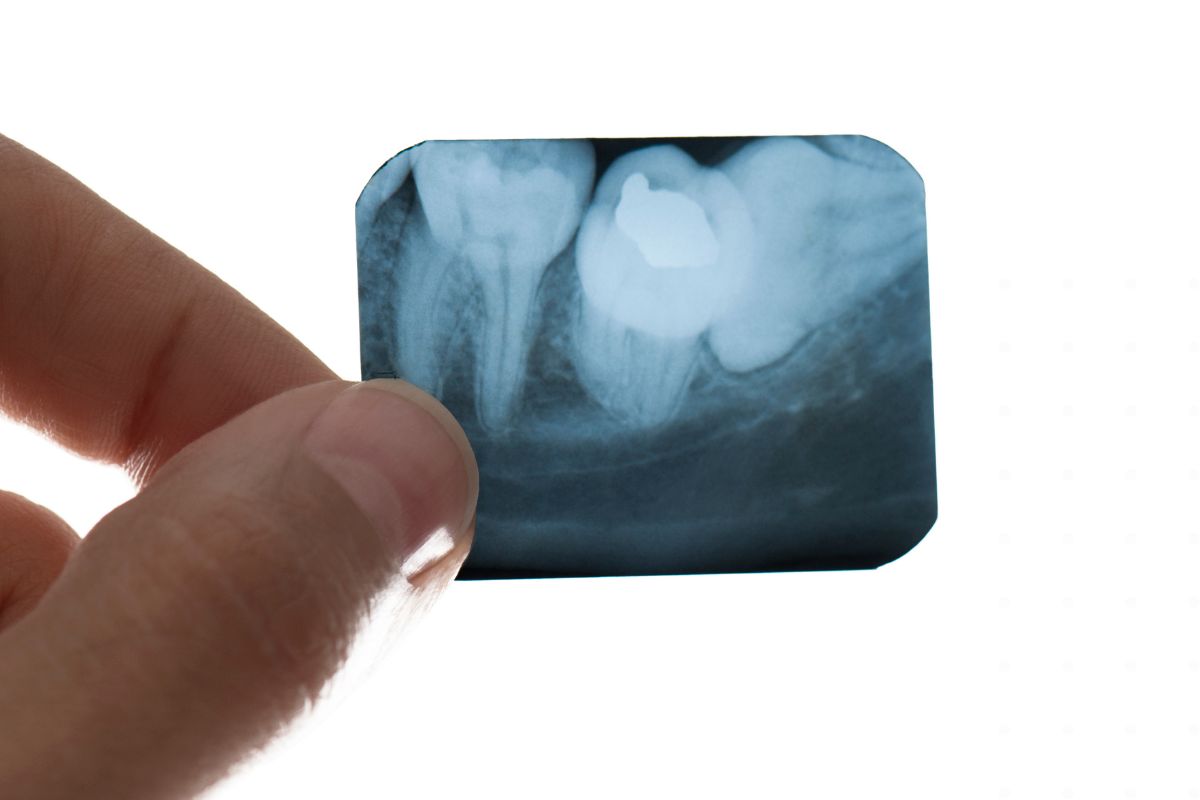
For parents, an orthodontic evaluation may seem unnecessary when a child’s teeth look fairly straight. However, some developing problems remain hidden below the gums. Digital X-rays allow the dental and orthodontic team to see developing permanent teeth, tooth position, roots, jaw structures, and eruption patterns. This information can help the orthodontist decide whether a child needs monitoring, early treatment, or no orthodontic treatment at that time.
Why Early Orthodontic Evaluation Matters for Children
Children do not need to wait until all their permanent teeth come in before seeing an orthodontist. In fact, the American Association of Orthodontists recommends that children have an initial orthodontic check around age seven. At this stage, a mixture of baby teeth and permanent teeth gives an orthodontist useful information about developing alignment, bite, and jaw concerns.
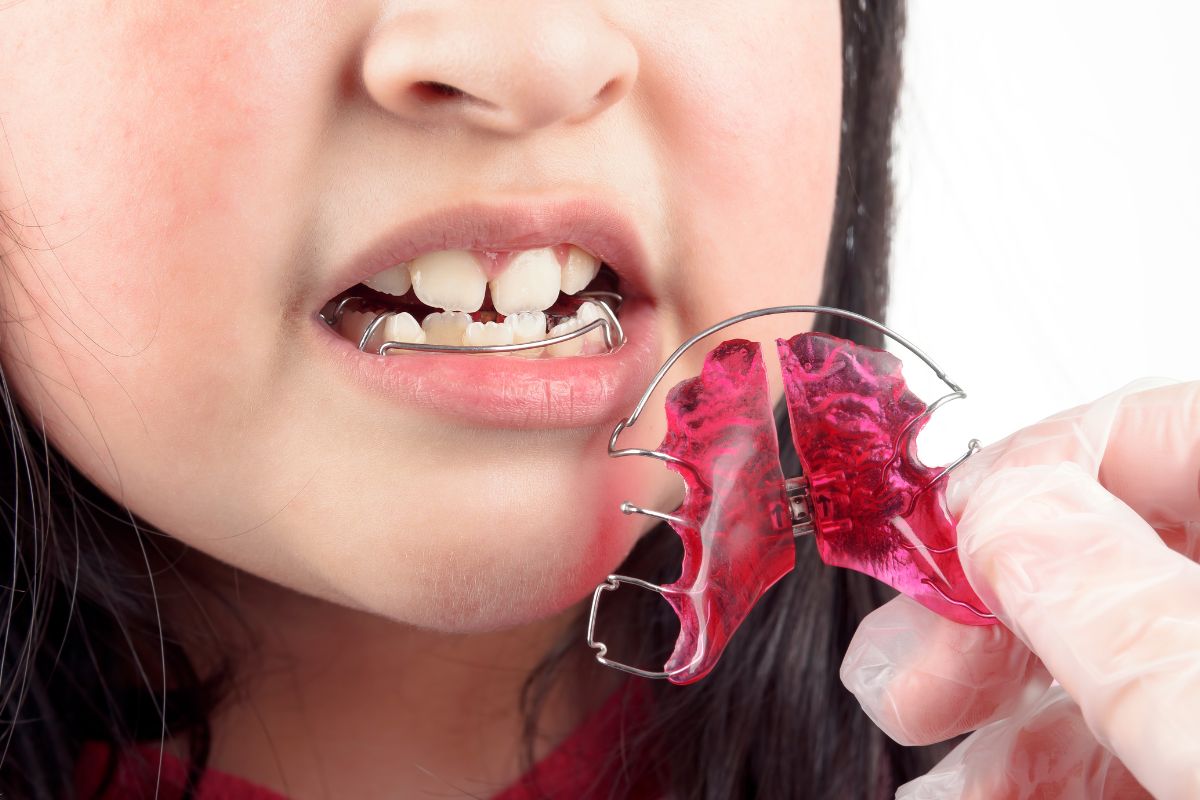
An early orthodontic evaluation for children does not automatically mean that a child will need braces or another orthodontic appliance. Instead, it gives the orthodontist an opportunity to look at the child’s development and determine what should happen next.
Depending on the findings, the recommendation may be to:
- Begin orthodontic treatment.
- Monitor the child’s dental development.
- Address a specific developing concern.
- Continue regular dental visits and reassess later.
- Take additional diagnostic records when clinically appropriate.
This approach helps parents understand that early evaluation focuses on timing and prevention, rather than rushing a child into treatment.
How Digital X-Rays Help During an Orthodontic Evaluation
For families considering early orthodontic treatment for kids at Crabapple Pediatric Dentistry & Orthodontics, digital X-rays can provide an important view of what is happening beneath the gums.
A child may have teeth that have not erupted yet, but their position can still affect future alignment. A digital image can help the orthodontist identify developing permanent teeth and evaluate whether they appear to be following an expected eruption path.
Crabapple Pediatric Dentistry & Orthodontics uses advanced digital X-ray technology in its Alpharetta office. The practice explains that digital imaging can provide detailed views while reducing radiation exposure compared with traditional film X-rays. Digital images also appear quickly, which can make the diagnostic process more efficient and allow the dental team to explain findings to parents and children.
What Can a Digital X-Ray Show?
Depending on the type of image taken, an orthodontist may be able to evaluate:
- Developing permanent teeth
- Missing teeth
- Extra teeth
- Impacted teeth
- Tooth position
- Root position
- Eruption patterns
- Jaw structures
- Relationships between the upper and lower jaws
- Areas that cannot be evaluated fully through a visual exam
This information can give the orthodontist a more complete picture of a child’s oral development.
Digital X-Rays Can Reveal Hidden Dental Development
One of the biggest advantages of imaging is that children have many important structures developing below the gumline.
A child may appear to have enough space between visible teeth, while a permanent tooth underneath is developing in a position that could create crowding later. Similarly, a permanent tooth may have an unusual eruption path that is difficult to identify during a simple visual examination.
This is one reason early orthodontic evaluation for children can be useful. Digital imaging adds information that complements the orthodontist’s clinical examination.
For example, an orthodontist may use an X-ray to assess whether:
- A permanent tooth is developing normally.
- A permanent tooth may have difficulty erupting.
- A tooth is positioned behind or beside another tooth.
- There is an unusual number of developing teeth.
- The roots and supporting structures appear appropriate for the child’s development.
The image does not make the treatment decision by itself. Instead, the orthodontist combines the image with other findings before recommending a course of care.
How X-Rays Help Identify Crowding and Eruption Concerns
Crowding is a common reason parents seek orthodontic advice. It happens when there is not enough space for teeth to align properly.
Visible crowding can sometimes be easy to notice. However, the reasons behind it may not be obvious. A developing permanent tooth may sit in an unusual position, or another tooth may interfere with its normal eruption path.
During an early orthodontic evaluation for children, digital X-rays can help the orthodontist look beyond the visible teeth and understand how permanent teeth are developing.
This information can be particularly useful when a child has:
- Crowded or crooked teeth
- Baby teeth that fall out earlier or later than expected
- Difficulty chewing
- A noticeable overbite or underbite
- Teeth that appear to erupt out of position
- A jaw that appears to shift when the child closes the mouth
- A history of prolonged thumb or pacifier habits
Crabapple Pediatric Dentistry & Orthodontics identifies several of these signs as reasons a child may benefit from professional orthodontic assessment.
Digital Imaging Supports Better Treatment Planning
Orthodontic treatment involves more than simply making teeth look straight. The orthodontist also considers the bite, tooth roots, jaw development, eruption patterns, and overall growth.
Therefore, early orthodontic evaluation for children may include several types of information rather than relying on one X-ray.
The orthodontist may consider:
Clinical Examination
The dentist or orthodontist examines the child’s teeth, bite, jaw movement, and overall oral development.
Digital X-Rays
X-rays provide views of teeth and structures that may not be visible during a standard examination.
Dental History
Previous dental treatment, early tooth loss, oral habits, and other relevant history can help explain current development.
Photographs and Other Records
Depending on the child and treatment needs, photographs or additional digital records may help the orthodontist understand alignment and facial development.
Together, these findings allow the orthodontist to create a more informed treatment recommendation.
Does Every Child Need the Same X-Rays?
No. Every child develops differently, so the type and timing of dental imaging should depend on individual needs.
During early orthodontic evaluation for children, the orthodontist may recommend an X-ray when it can answer an important diagnostic question. The child’s age, dental development, symptoms, previous X-rays, and treatment needs can all affect the decision.
Parents should also tell the dental team if their child recently received X-rays at another office. Existing images may sometimes provide useful information and can help the dental team determine whether another image is necessary. The orthodontist will decide whether previous records are appropriate for the current evaluation.
This individualized approach helps avoid unnecessary imaging while still providing useful diagnostic information when it is needed.
What Happens During a Child’s Digital X-Ray?
Parents often worry that an X-ray appointment will be uncomfortable or difficult for their child. Fortunately, digital dental X-rays are generally quick.
The child may need to sit or stand in a specific position while the equipment captures the image. The dental team will explain what the child needs to do and help them remain comfortable during the process.
At Crabapple Pediatric Dentistry & Orthodontics, the team emphasizes a child-friendly approach to dental visits. The practice uses digital X-rays and explains that digital sensors can be more comfortable than traditional film while also allowing images to appear quickly for review.
Parents can make the experience easier by explaining that:
- The process is short.
- The equipment takes a picture of the teeth and jaw.
- The child needs to stay still briefly.
- The dental team will explain each step.
- The image helps the dentist or orthodontist understand how the mouth is developing.
Simple preparation can help children feel more confident about the process.
How Digital X-Rays Support Growing Smiles
A child’s mouth changes considerably during the years when baby teeth are replaced by permanent teeth. Permanent teeth begin appearing around age six, and their development can affect future alignment. Crabapple Pediatric Dentistry & Orthodontics notes that X-rays can help the dental team monitor developing teeth and evaluate whether the teeth and jaw are healthy and properly aligned.
This makes early orthodontic evaluation for children valuable for identifying potential concerns while there is still time to monitor growth and plan appropriate care.
Importantly, early assessment does not always lead to immediate treatment. Some children may simply need observation as their permanent teeth erupt. Others may benefit from treatment while their jaws and teeth are still developing.
Early Evaluation Can Help Parents Understand Timing
One of the most useful outcomes of an orthodontic evaluation is knowing when action may be appropriate.
For example, an orthodontist may tell a parent:
- “Your child is developing normally, so we can continue monitoring.”
- “There is a developing concern that we should watch closely.”
- “Your child may benefit from treatment at this stage.”
- “We recommend another evaluation after more permanent teeth erupt.”
Having this information can reduce uncertainty and help parents make informed decisions.
The Role of the Orthodontist in Interpreting X-Rays
A digital X-ray provides an image, but the image itself does not diagnose every orthodontic concern.
An experienced orthodontist looks at the image alongside the child’s clinical examination and dental history. At Crabapple Pediatric Dentistry & Orthodontics, families can work with doctors including Dr. Javid Yavari and Dr. Behnaz Yavari as part of the practice’s orthodontic care. Dr. Allison Petty is also part of the practice’s pediatric dental team.
During early orthodontic evaluation for children, the goal is to understand the child’s current development and identify whether any concerns require attention.
This people-first approach matters because two children with similar-looking teeth may have very different underlying dental development.
Questions Parents Can Ask About Digital X-Rays
Parents should feel comfortable asking questions before their child receives an X-ray.
Consider asking:
- Why does my child need this X-ray?
- What will the image help you evaluate?
- Are there previous X-rays you can review?
- What type of image will you take?
- Will the results affect the timing of orthodontic treatment?
- Does my child need monitoring or treatment?
- When should my child have another evaluation?
Clear answers can help parents understand why imaging matters and what the next step may be.
Why Parents Should Not Wait for a Visible Problem
A common mistake is assuming that a child only needs an orthodontic visit when the teeth look obviously crooked.
However, some orthodontic concerns develop before they become easy to see. Problems involving tooth eruption, jaw growth, or developing permanent teeth may require professional assessment to identify.
That is why early orthodontic evaluation for children can provide useful information even when a child appears to have a healthy smile.
Early assessment also gives parents time to understand their options. If treatment is not necessary yet, monitoring may provide peace of mind. If an issue needs attention, identifying it earlier may help the orthodontist determine the appropriate timing for care.
Digital X-rays can play an important role in early orthodontic evaluation for children because they allow orthodontists to see developing teeth, roots, jaw structures, and eruption patterns that may not be visible during a regular dental examination. They work best as part of a complete evaluation that also considers the child’s bite, dental development, history, and overall needs.
For families in Alpharetta, Crabapple Pediatric Dentistry & Orthodontics combines pediatric dental care with orthodontic services in a child-friendly setting. If you are concerned about your child’s developing teeth, bite, crowding, or jaw growth, schedule an orthodontic appointment at the Alpharetta, GA, office of Crabapple Pediatric Dentistry & Orthodontics to discuss whether an evaluation and digital imaging may be appropriate for your child.