770-664-1999

Orthodontics is a branch of dentistry focused on diagnosing, preventing, and correcting misaligned teeth and jaws. Many individuals seek orthodontic treatment to improve their dental health and smile aesthetics. However, orthodontic issues are not one-size-fits-all. Understanding common problems and their solutions can help patients make informed decisions about their treatment. This blog will explore several frequent orthodontic issues and the solutions orthodontists offer to address them.
Common Orthodontic Issues
1. Crowding
Crowding occurs when there isn’t enough space in the mouth for all of the teeth. This can lead to overlapping or crooked teeth, which not only affects the appearance but also makes oral hygiene more challenging. Crowding is often due to genetics, early loss of baby teeth, or abnormal jaw development.
2. Spacing
Spacing issues arise when there are gaps between teeth. This can be caused by missing teeth, teeth that are too small for the jaw, or a lack of dental eruption. Gaps can affect the bite and lead to other complications, such as shifting teeth or gum problems.
3. Overbite
An overbite, also known as a deep bite, occurs when the upper front teeth significantly overlap the lower front teeth. This can lead to problems such as tooth wear, jaw pain, and an increased risk of gum disease. An overbite can be caused by genetics, thumb sucking, or prolonged use of a pacifier during childhood.
4. Underbite
An underbite is when the lower front teeth extend beyond the upper front teeth. This condition can lead to difficulties with chewing and speaking, as well as jaw discomfort. Underbites are often hereditary and can result from abnormal jaw growth or a misalignment of the teeth.
5. Crossbite
A crossbite happens when some of the upper teeth bite on the inside of the lower teeth, rather than the outside. This can occur at the front or back of the mouth and may lead to uneven wear on teeth, gum problems, and bone loss. Crossbites are typically caused by skeletal discrepancies or misaligned teeth.
6. Open Bite
An open bite is characterized by a gap between the upper and lower teeth when the mouth is closed. This condition can make biting and chewing difficult and may result from habits such as thumb sucking or prolonged pacifier use. Open bites can also be caused by abnormal jaw development.
7. Misaligned Teeth
Misalignment can refer to teeth that are crooked or not properly positioned within the mouth. This issue can affect both the aesthetics of the smile and the function of the bite. Misalignment is often hereditary but can also result from poor dental habits or trauma.
8. Protruding Teeth
Teeth that stick out too far beyond the rest of the dental arch are considered protruding. This can affect both the appearance and function of the teeth, leading to an increased risk of injury and difficulty with bite alignment.
Solutions for Orthodontic Issues
1. Braces
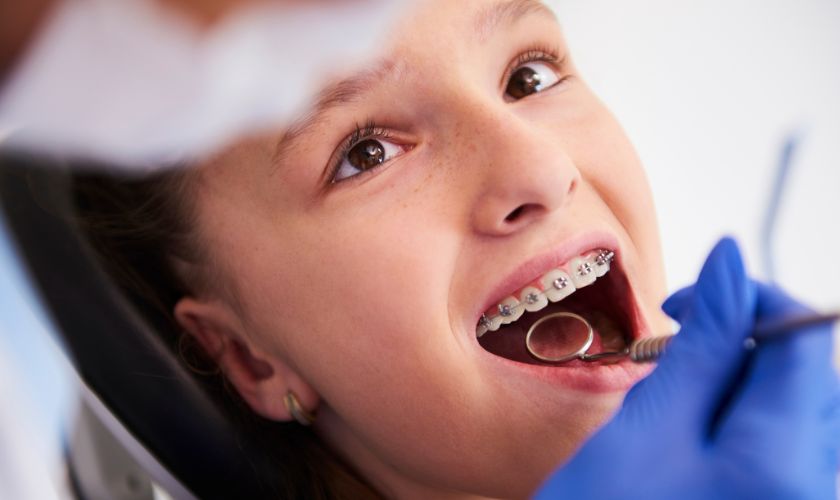
Traditional metal braces are a common solution for addressing a variety of orthodontic issues, including crowding, spacing, and misalignment. Braces consist of brackets and wires that gradually move the teeth into their proper positions. Modern braces are smaller and more comfortable than those of the past, making them a popular choice for both children and adults.
2. Clear Aligners
Clear aligners, such as Invisalign, offer a more discreet alternative to traditional braces. These custom-made plastic trays are designed to move teeth gradually into alignment. Clear aligners are often used for mild to moderate orthodontic issues and are removable for eating and oral hygiene.
3. Expanders
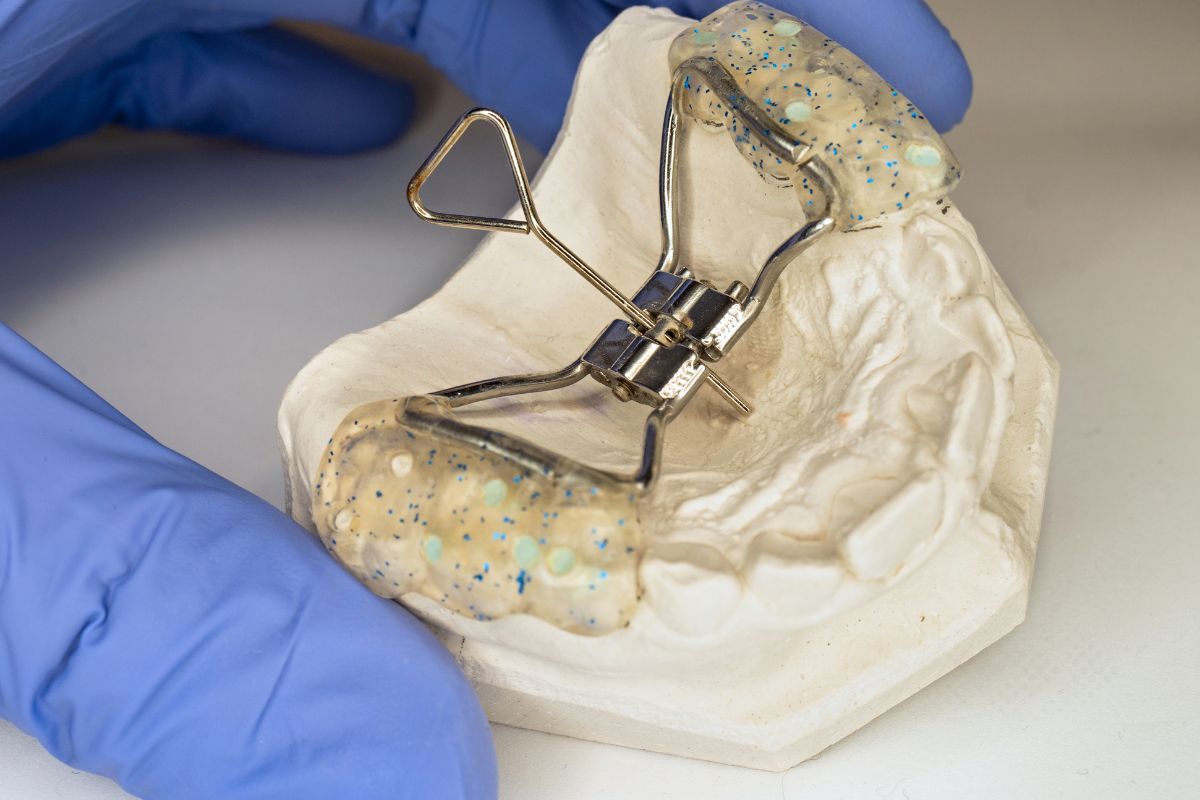
Palatal expanders are devices used to widen the upper jaw to correct crossbites or create more space for crowded teeth. Expanders are typically used in younger patients while the jaw is still developing but can be used in adults as well.
4. Retainers
Retainers are used to maintain the new position of the teeth after braces or aligners have been removed. They help prevent teeth from shifting back to their original positions and are crucial for long-term orthodontic success.
5. Space Maintainers
For children who lose a primary tooth early, space maintainers help keep the space open for the permanent tooth to erupt properly. These devices prevent adjacent teeth from drifting into the space and help ensure proper alignment of the permanent teeth.
6. Jaw Surgery
In severe cases of jaw misalignment, surgical intervention may be necessary. Orthognathic surgery can correct skeletal discrepancies that braces or aligners alone cannot address. This type of surgery is typically combined with orthodontic treatment for comprehensive results.
7. Tooth Extraction
Sometimes, tooth extraction is necessary to create space for alignment or to address severe crowding. Extracting one or more teeth can help achieve a better alignment and improve overall dental health.
8. Habit Appliances
For issues caused by oral habits, such as thumb sucking or tongue thrusting, orthodontists may use habit appliances to help break these habits. These appliances are designed to discourage the behavior and promote proper oral development.
Orthodontic issues can vary widely from patient to patient, but with the right treatment, most problems can be effectively managed. Whether you’re dealing with crowding, spacing, or more complex issues like jaw misalignment, modern orthodontic solutions offer various options to help you achieve a healthy, beautiful smile. If you’re experiencing any orthodontic concerns, consult with an orthodontist in Alpharetta to explore the best treatment plan for your needs.