770-664-1999

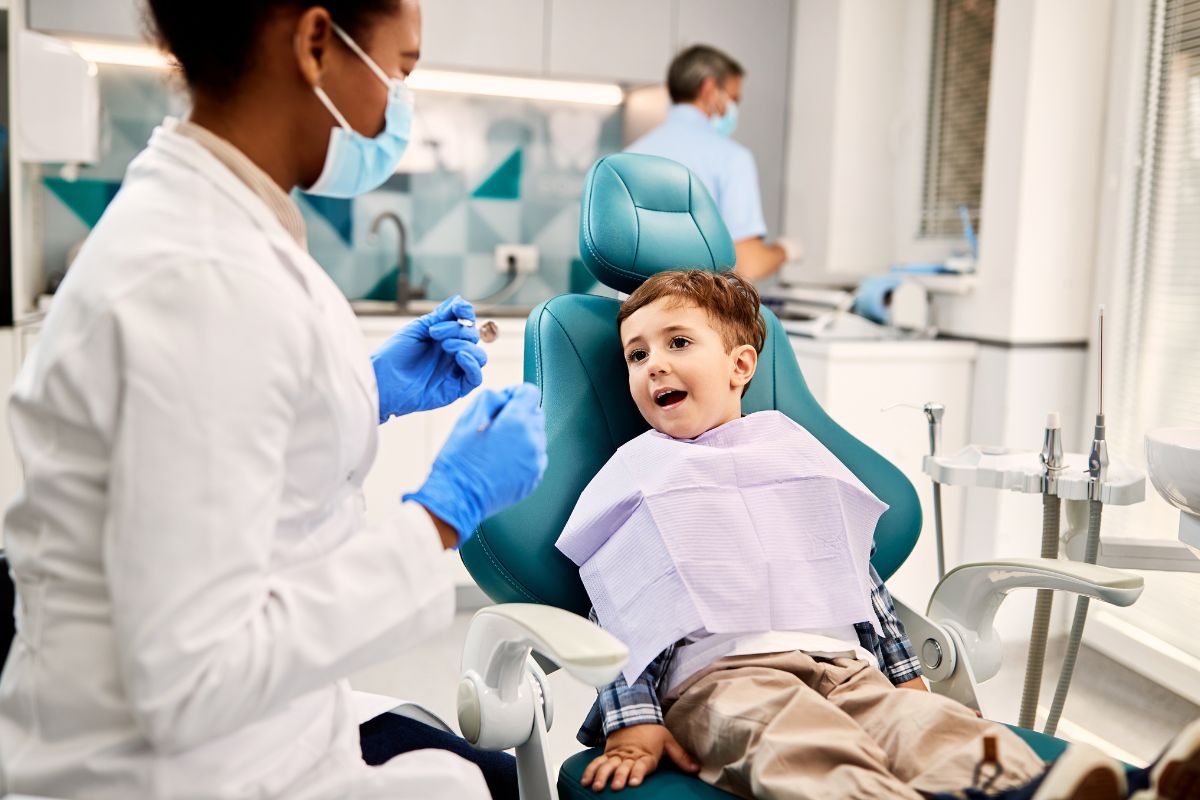
Maintaining good oral health is crucial for children as it sets the foundation for a lifetime of healthy smiles. Regular visits to the dentist play a pivotal role in this process. But how often should your child visit the dentist? Let’s delve into this question and uncover the importance of regular pediatric dental care.
Why Regular Dental Visits Matter
Regular dental check-ups are essential for monitoring your child’s oral health and addressing any issues early on. Pediatric dentists in Alpharetta are specially trained to care for children’s teeth, gums, and mouth throughout their developmental stages.
Here are several reasons why regular visits to the pediatric dentist are vital:
- Preventive Care: Routine dental visits allow the dentist to identify and address any oral health concerns before they escalate into larger problems. This includes detecting cavities, assessing the need for orthodontic treatment, and providing preventive measures like fluoride treatments and dental sealants.
- Early Intervention: Children’s dental needs evolve as they grow. Regular visits enable the dentist to monitor the development of your child’s teeth and jaws, intervening promptly if any issues arise. Early detection of orthodontic problems, for example, can lead to more effective treatment outcomes.
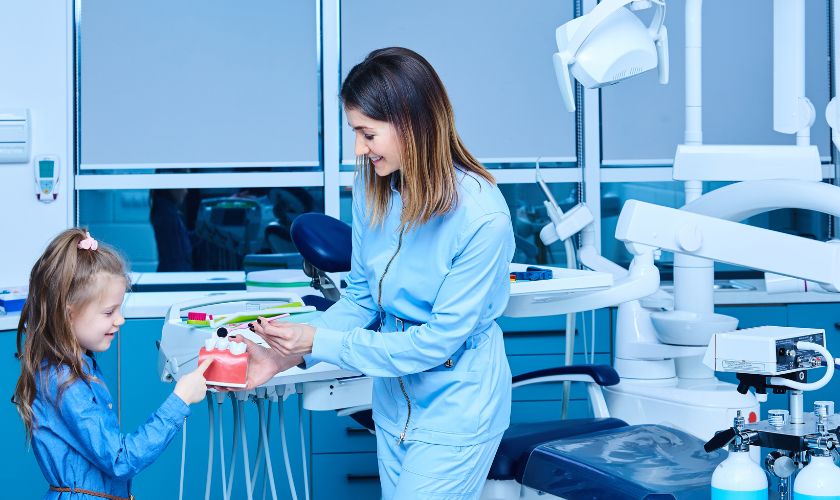
- Establishing Healthy Habits: Regular dental visits help instill positive oral hygiene habits in children. Pediatric dentists not only provide dental care but also educate children and parents on proper brushing and flossing techniques, diet tips for maintaining healthy teeth, and the importance of regular dental check-ups.
- Preventing Dental Anxiety: By introducing children to the dental environment from a young age, regular visits help alleviate dental anxiety and fear. Alpharetta Pediatric dentists create a welcoming and friendly atmosphere, making dental appointments a positive experience for children.
Recommended Frequency of Dental Visits
So, how often should your child visit the dentist? The American Academy of Pediatric Dentistry (AAPD) recommends that children visit the Alpharetta pediatric dentist every six months for routine check-ups and cleanings. However, this frequency may vary based on individual needs and risk factors.
Here are some factors to consider when determining how often your child should visit the dentist:
- Age: Young children, especially those undergoing rapid dental development, may benefit from more frequent dental visits. As children grow older and their oral health stabilizes, the frequency of visits may be adjusted accordingly.
- Risk Factors: Children with certain risk factors, such as a history of cavities, orthodontic issues, or systemic health conditions affecting oral health, may require more frequent dental visits. The Alpharetta pediatric dentist can assess your child’s risk factors and recommend an appropriate visitation schedule.
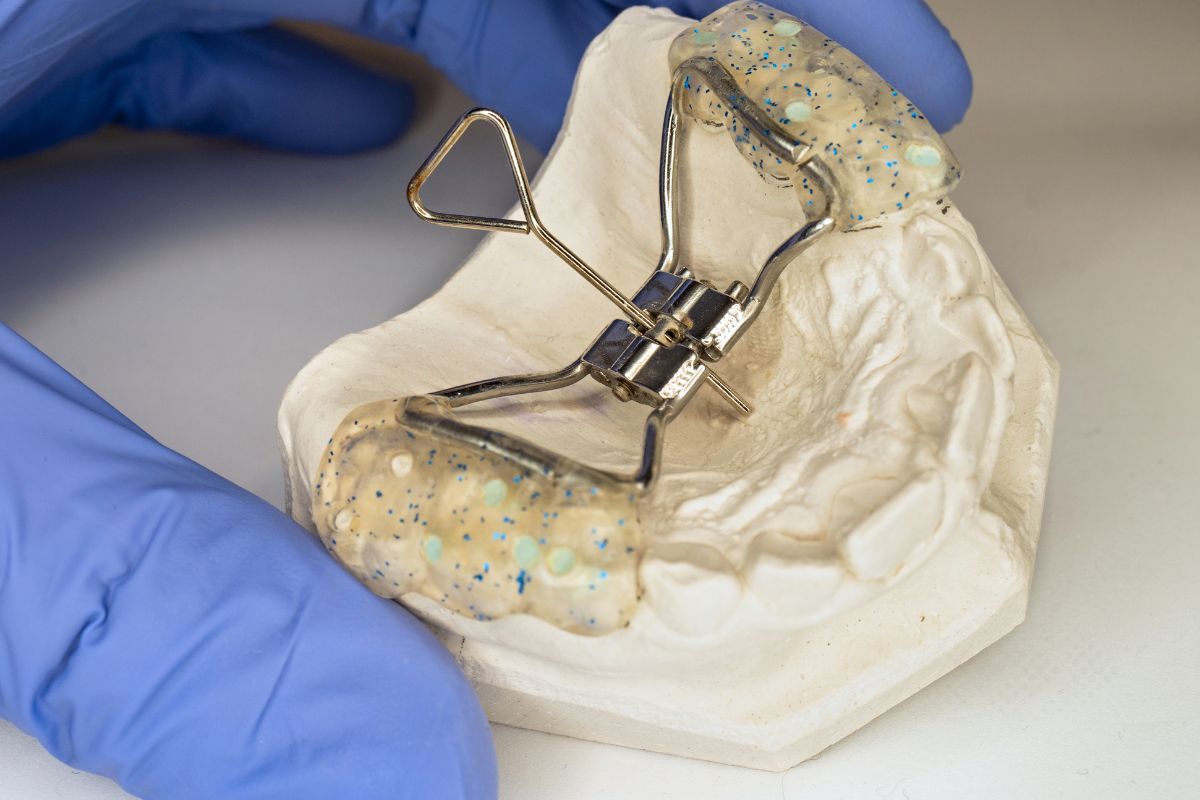
- Orthodontic Treatment: If your child is undergoing orthodontic treatment, such as braces or Invisalign, they may need to visit the pediatric dentist more frequently for adjustments and monitoring of their treatment progress.
- Oral Hygiene Practices: Children who struggle with maintaining good oral hygiene or have difficulty reaching certain areas of their mouth may benefit from more frequent dental visits to receive additional guidance and support.
Signs Your Child Needs to See the Dentist
In addition to routine dental visits, it’s essential to recognize signs that indicate your child may need to see the pediatric dentist Alpharetta between scheduled appointments. These signs include:
- Tooth pain or sensitivity
- Swollen or bleeding gums
- Persistent bad breath
- Changes in tooth alignment or bite
- Dental trauma or injury
- Difficulty chewing or swallowing
If your child experiences any of these symptoms, don’t hesitate to contact the Alpharetta pediatric dentist for an evaluation and appropriate treatment.
Regular visits to the pediatric dentist are a cornerstone of maintaining your child’s oral health and ensuring a lifetime of healthy smiles. By following the recommended visitation schedule and staying attuned to your child’s oral health needs, you can help them develop good oral hygiene habits and prevent dental problems down the road. Remember, prevention is key, and early intervention can make all the difference in your child’s dental health journey.