770-664-1999

An experienced orthodontist often hears parents and patients ask whether straightening teeth can harm the gums. Within the first steps of orthodontic care, concerns about gum health naturally arise. Many families worry that braces or clear aligners might lead to long-term issues like gum recession. Understanding the facts helps you feel confident before starting treatment.
Guidance for Parents from Dr. Javid Yavari

At Crabapple Pediatric Dentistry & Orthodontics, care is guided by Dr. Javid Yavari, who believes every smile deserves a personalized approach. Dr. Yavari loves providing his patients with the lifelong gift of a healthy, confident smile, and his goal is to make every treatment as unique as the patient receiving it.
Dr. Yavari earned degrees from Florida Atlantic University and the Medical College of Georgia School of Dentistry. He completed advanced general dentistry training before specializing in orthodontics and earning a Master of Science in Oral Biology. Since 1999, he has practiced orthodontics in the Atlanta area and remains active in leading professional associations. Parents value his calm explanations and thoughtful guidance when discussing orthodontic risks and benefits.
What Is Gum Recession?
Gum recession occurs when gum tissue pulls back from the tooth surface, exposing more of the tooth or even the root. This condition can cause sensitivity, increase the risk of decay, and affect how a smile looks.
Common signs include:
- Teeth appearing longer
- Sensitivity to hot or cold foods
- Tender or irritated gums
- Visible tooth roots
Gum recession does not happen overnight. Instead, it develops gradually, often due to multiple contributing factors.
Can Orthodontic Treatment Cause Gum Recession?
This is where many patients ask directly: Can Orthodontic Treatment Cause Gum Recession? The short answer is that orthodontic treatment itself does not automatically cause recession, but certain conditions can increase the risk.
When teeth move, the surrounding bone and gums must adapt. If the movement happens too quickly or outside the natural bone support, gum recession may occur. However, careful planning and monitoring greatly reduce this risk.
Understanding Orthodontic Treatment Gum Recession concerns help patients and parents make informed decisions before starting care.
Factors That Increase the Risk During Orthodontic Care
Several factors influence whether gum recession develops during treatment. A skilled orthodontist will evaluate these factors before placing braces or aligners.
Key risk factors include:
- Thin or fragile gum tissue
- Pre-existing gum disease
- Poor oral hygiene during treatment
- Aggressive brushing habits
- Teeth moved beyond the jawbone’s natural limits
Just after the second subheading, it is important to note that families seeking orthodontic treatments in Alpharetta benefit from personalized evaluations that consider gum health, bone support, and long-term stability before treatment begins.
How Orthodontists Prevent Gum Recession
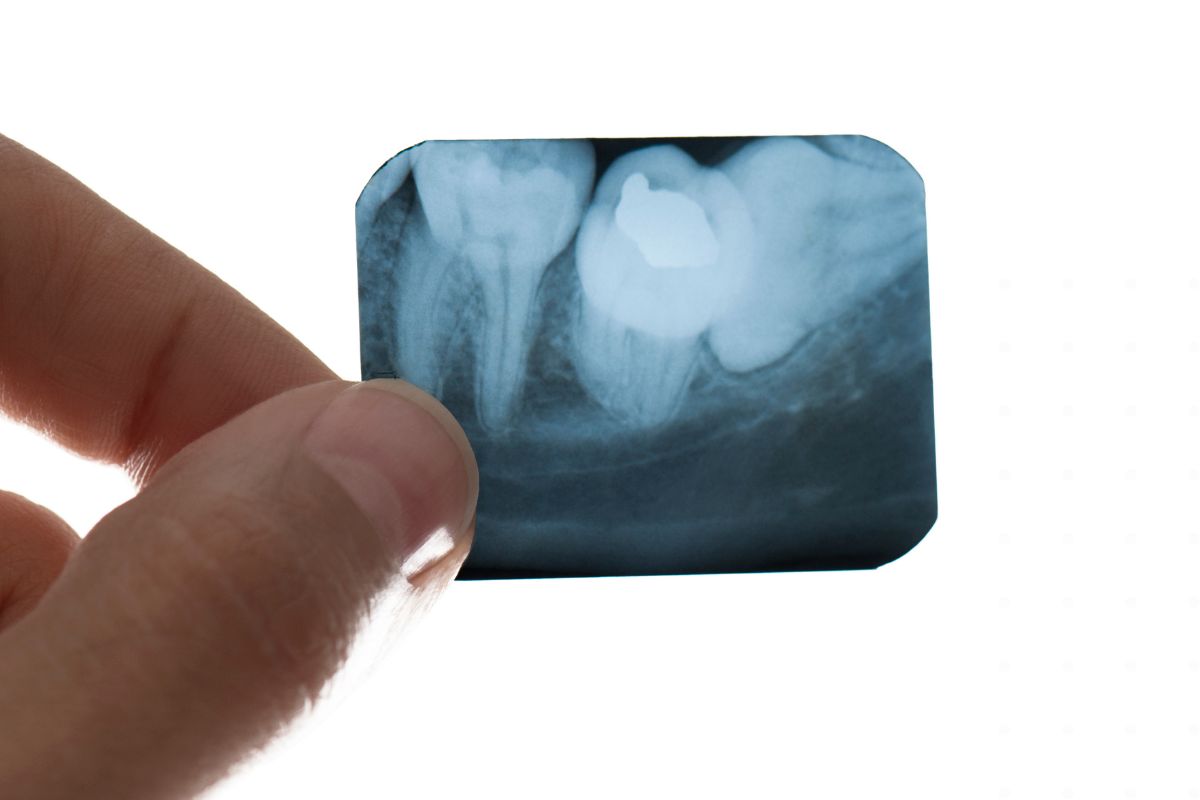
A trained orthodontist focuses on prevention from day one. Modern orthodontic care uses advanced imaging and planning tools to move teeth safely and gradually.
Preventive steps include:
- Detailed exam of gum and bone health
- Customized treatment plans
- Controlled, gentle tooth movement
- Regular checkups to monitor gums
In addition, orthodontists often work closely with general dentists to ensure gum health stays stable throughout treatment.
The Role of Oral Hygiene During Treatment
Even the best orthodontic plan depends on daily care at home. Braces and aligners can trap food and plaque, which may irritate the gums if not cleaned properly.
Helpful hygiene tips include:
- Brushing carefully after every meal
- Using a soft-bristled toothbrush
- Cleaning around brackets and wires
- Flossing daily or using floss aids
When patients follow these habits, gums usually remain healthy during orthodontic treatment.
Are Children and Teens at Higher Risk?
Children and teens often adapt well to orthodontic care because their gums and bones are still developing. However, they still need guidance and supervision.
Parents can help by:
- Encouraging consistent brushing routines
- Attending regular orthodontic visits
- Watching for early signs of gum irritation
Dr. Yavari emphasizes education, helping young patients understand why gum care matters just as much as straight teeth.
When Gum Recession Is More Likely
Gum recession becomes more likely when orthodontic care starts without addressing existing issues. For example, untreated gum inflammation or poor brushing habits can create problems later.
That is why a responsible orthodontist may delay treatment until gum health improves. This patient-first approach protects long-term oral health rather than rushing results.
Benefits of Properly Planned Orthodontic Treatment
When planned and monitored correctly, orthodontic care often improves gum health instead of harming it. Straighter teeth are easier to clean, which reduces plaque buildup and gum irritation over time.
Benefits include:
- Better oral hygiene access
- Reduced uneven biting forces
- Improved smile appearance
- Long-term stability of teeth and gums
With professional guidance, orthodontic treatment supports both function and appearance.
Conclusion: Should You Be Worried?
Orthodontic treatment does not automatically cause gum recession. The risk depends on planning, technique, and daily care. With an experienced orthodontist like Dr. Javid Yavari, families in Alpharetta can feel confident that gum health remains a top priority.
If you have concerns or want a personalized evaluation, we encourage you to visit our dental office and schedule an appointment at Crabapple Pediatric Dentistry & Orthodontics. Early consultation allows you to address risks, ask questions, and start treatment with peace of mind.
Frequently Asked Questions
Can braces cause permanent gum recession?
Braces alone do not cause permanent gum recession. When treatment is planned carefully and oral hygiene stays strong, gums usually remain healthy.
Do clear aligners carry the same risks as braces?
Clear aligners can still affect gums if hygiene is poor. However, their removable design often makes cleaning easier for many patients.
How can I tell if my gums are receding during treatment?
Signs include sensitivity, redness, or gums pulling away from teeth. Regular checkups help catch issues early.
Should treatment stop if gum recession starts?
Not always. The orthodontist may adjust the plan, slow tooth movement, or involve a dentist to protect gum health.
Can gum recession heal on its own?
Mild irritation may improve with better hygiene, but true recession does not grow back naturally. Early care prevents progression.
How often should gums be checked during orthodontic care?
Gums should be checked at every orthodontic visit. This routine monitoring helps keep treatment safe and effective.