770-664-1999


When a parent notices something looks off about how their child’s teeth fit together, it can be easy to assume it is just part of growing up. Baby teeth shift, adult teeth come in slowly, and everything seems to be in motion. But crossbite in children is one bite problem where early correction is not just helpful, it is genuinely important. Left untreated, a crossbite can affect how the jaw grows, how muscles develop, and how the face takes shape over time.
If you have been looking for a pediatric dentist in Alpharetta who can evaluate your child’s bite and offer real guidance, Crabapple Pediatric Dentistry & Orthodontics is exactly the kind of practice where that conversation starts. Dr. Allison Petty and Dr. Javid Yavari work as a team, combining pediatric dental expertise with orthodontic skill to give children the most complete picture of their oral health.
What Exactly Is a Crossbite?
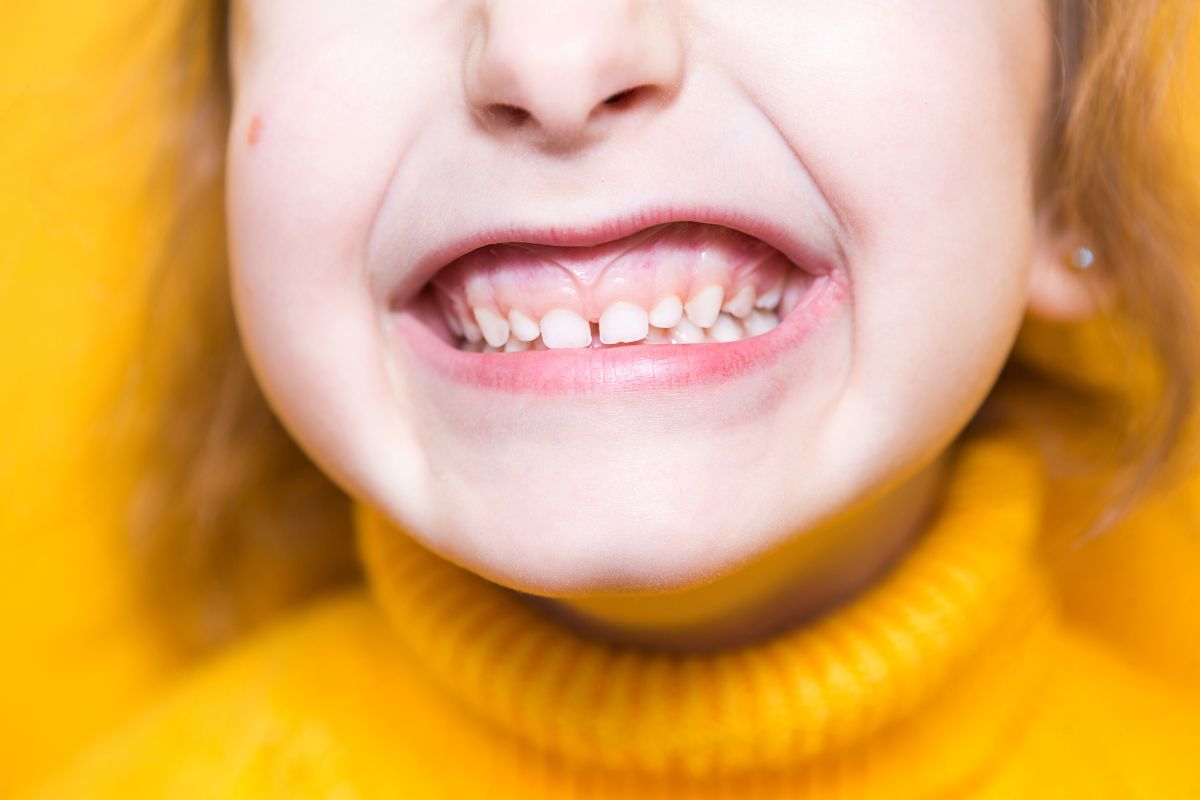
A crossbite happens when one or more of the upper teeth bite inside the lower teeth instead of outside them. In a healthy bite, the upper teeth should sit just slightly outside the lower teeth, like a lid fitting over a box. When the reverse happens, even partially, that is a crossbite. It can affect the front teeth, the back teeth, or both, and it can involve just one tooth or several.
There are two main types. A posterior crossbite affects the back molars and premolars, often causing the jaw to shift to one side when biting down. An anterior crossbite involves the front teeth and is sometimes called an underbite, though they are not always the same thing. Both types deserve professional attention, especially in children whose jaws are still actively growing.
Why Early Correction Makes Such a Big Difference
Children’s jaws are remarkably adaptable. That is actually the key reason why early crossbite correction in children is so effective. The bones and sutures in the jaw have not yet fused, which means an orthodontist can guide and reshape the structure without the more intensive interventions that might be required in adulthood.
When a crossbite is left uncorrected during childhood, the jaw adapts to the abnormal bite pattern. Muscles on one side may develop differently than the other. The chin can shift to compensate, leading to facial asymmetry that becomes more noticeable and harder to address over time. In some cases, the teeth on the side receiving excess force begin to show accelerated wear. Catching crossbite in children early, before these compensations become permanent, is a significant advantage.
The Impact on Jaw Development
The jaw develops most rapidly during childhood and adolescence. When a crossbite causes the lower jaw to shift consistently to one side, the muscles and bones on that side experience different pressures than they should. Over years, this uneven loading can alter the actual shape and symmetry of the jawbones. Early correction interrupts that pattern before it has a chance to become structural.
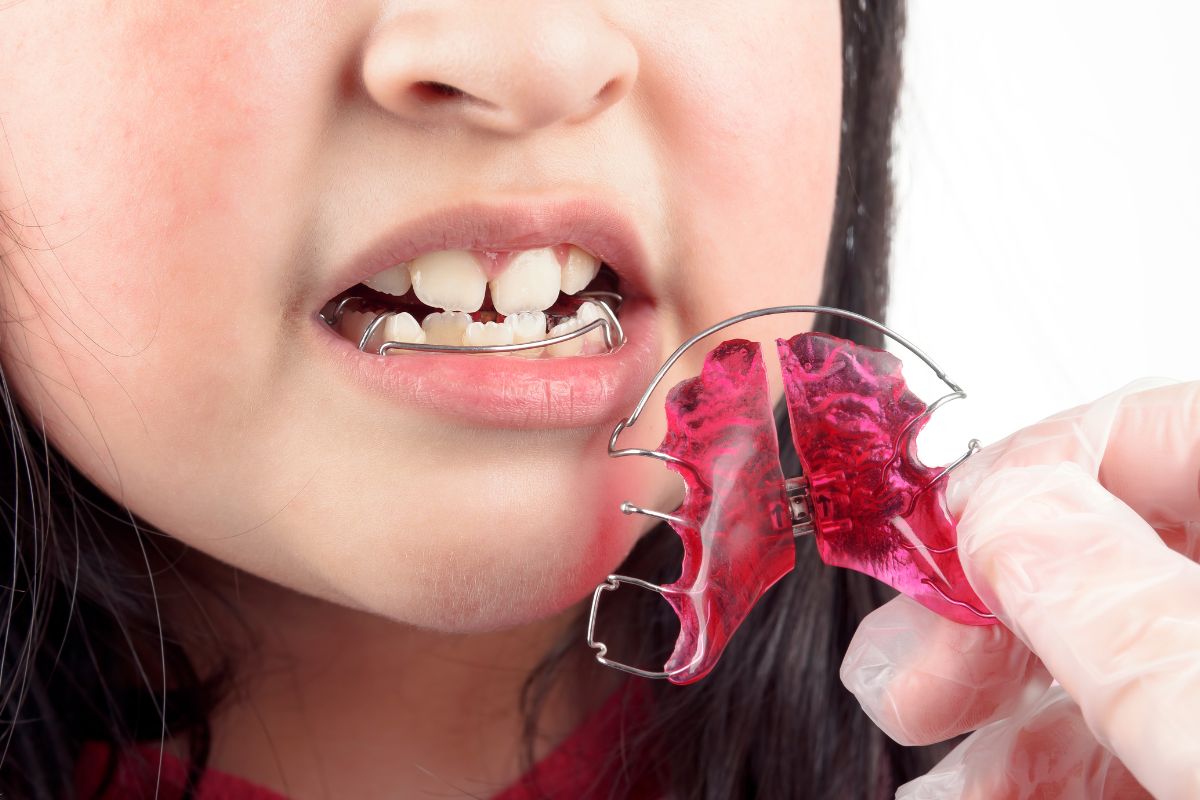
Palate expanders are among the most commonly used tools for posterior crossbite correction in younger children. By gently widening the upper jaw over several months, an expander creates the room and alignment needed for the teeth and jaw to function properly. Because children’s palates have a natural growth suture down the center that has not yet fused, expansion is gradual and effective. Adults do not have that same window of opportunity.
A Story From Our Practice
A common scenario we see involves a child around age 6, brought in for what parents describe as a lopsided smile. When Dr. Yavari examines the bite, it becomes clear the child has been unconsciously shifting the lower jaw to the right every time he closes his mouth, because a posterior crossbite on that side makes it the only comfortable position. With a palate expander worn for several months and follow-up monitoring, the crossbite resolves completely. The jaw stops shifting. The smile evens out. Parents often describe moments like this as a relief they did not realize they needed.
Signs a Child May Have a Crossbite
Parents are often the first to notice something is not quite right. Here are signs worth discussing with a dental professional:
- The lower jaw shifts to one side when the child bites down
- One or more upper front teeth sit behind the lower teeth
- The face or chin appears uneven or asymmetrical
- The child has difficulty chewing or prefers one side of the mouth
- Baby or adult teeth show unusual wear patterns
What the Treatment Process Looks Like
The treatment for crossbite depends on the child’s age, the type of crossbite, and how many teeth are involved. For younger children with posterior crossbites, a palate expander is often the first recommendation. For anterior crossbites involving only a tooth or two, a simple orthodontic appliance or even early braces may address the issue quickly and effectively.
The timeline varies by case. Some children complete correction within six to twelve months. Others may need a period of monitoring afterward to ensure the correction remains stable as more permanent teeth erupt. Throughout the process, Dr. Petty and Dr. Yavari communicate clearly with families so there are no surprises.
Can a Crossbite Self-Correct?
It is tempting to hope a bite problem will sort itself out as teeth continue to come in. While some minor dental shifts can normalize on their own, a true crossbite rarely self-corrects. In fact, waiting often allows the problem to become more pronounced. The jaw adapts to the existing pattern, making later correction more complex and sometimes requiring more extensive treatment.
Take the Next Step With Crabapple Pediatric Dentistry & Orthodontics
If you suspect your child may have a crossbite, the best thing you can do is get an expert opinion early. Addressing crossbite in children with early correction is one of the most impactful things a family can do for long-term oral health and facial development. To schedule a comprehensive evaluation, visit our dental office at Crabapple Pediatric Dentistry & Orthodontics. Dr. Allison Petty and Dr. Yavari are ready to answer your questions and help your child move toward a healthier, more balanced smile.
You do not have to figure this out alone. We are here, and the earlier we connect, the more options we have to help your child thrive.