770-664-1999

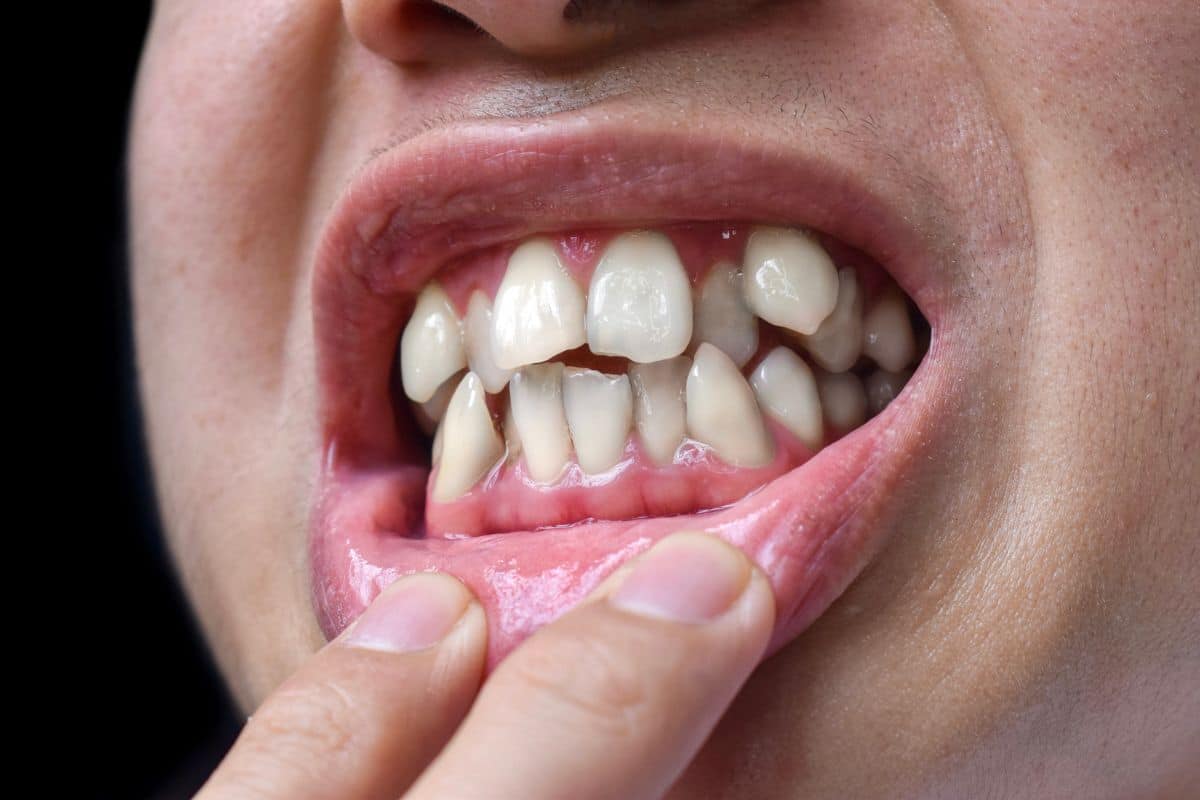
Orthodontic overcrowding is a common dental issue where there isn’t enough space in the mouth for all the teeth to fit properly. This condition can lead to various dental problems, including misalignment and difficulty in cleaning teeth effectively. Fortunately, an orthodontist can employ several strategies to address and correct overcrowding. This blog will delve into the methods orthodontists use to fix overcrowding and what patients can expect from the treatment process.
Understanding Orthodontic Overcrowding
Orthodontic overcrowding occurs when the teeth are too large for the dental arch or when there’s not enough space in the jaw for all the teeth to align correctly. This condition can be caused by genetics, early loss of primary teeth, or habits such as thumb sucking.
Symptoms of Overcrowding
Patients with overcrowding often experience noticeable symptoms. These can include:
- Crowded or overlapping teeth: Teeth that appear pushed together or overlap each other.
- Difficulty cleaning teeth: Overlapping teeth can make it challenging to brush and floss properly.
- Jaw discomfort: Overcrowded teeth can contribute to jaw pain or discomfort.
Diagnosis and Assessment
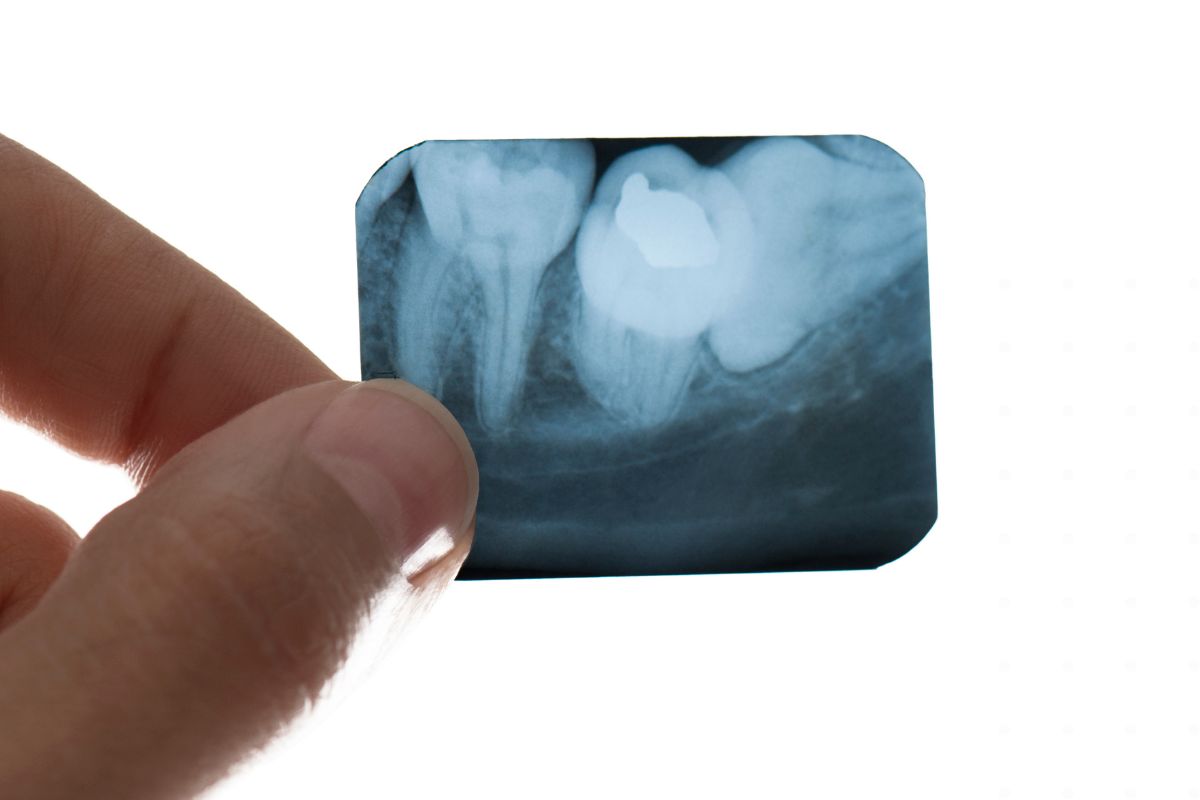
To diagnose overcrowding, an orthodontist in Alpharetta will conduct a comprehensive examination, including:
- X-rays: To assess the alignment of the teeth and the size of the jaw.
- Clinical examination: To evaluate the alignment of the teeth and any potential bite issues.
- Photographs and models: To create a visual and physical record of the teeth’s current state.
Treatment Options for Overcrowding
Once an orthodontist in Alpharetta has diagnosed overcrowding, they will develop a treatment plan tailored to the patient’s needs. The treatment options can vary depending on the severity of the overcrowding and the patient’s overall dental health.
Braces
Braces are one of the most common treatments for overcrowding. They consist of brackets, wires, and bands that work together to gradually shift the teeth into their proper positions.
- Traditional Metal Braces: These are the most common type and are highly effective in treating overcrowding. They use metal brackets and wires to apply pressure to the teeth.
- Ceramic Braces: These are similar to metal braces but use clear or tooth-colored brackets, making them less noticeable.
Clear Aligners
Clear aligners are a modern alternative to traditional braces. They are a series of removable, transparent trays that gradually move the teeth into the desired position.
- Invisalign: Invisalign is a popular brand of clear aligners that offers a discreet and comfortable option for patients. It is particularly useful for mild to moderate cases of overcrowding.
- Other Brands: There are various other brands of clear aligners available, and an orthodontist in Alpharetta can recommend the best option based on the patient’s specific needs.
Tooth Extraction
In some cases, overcrowding may be so severe that tooth extraction is necessary to create space in the dental arch. This is usually done for teeth that are severely impacted or for permanent teeth that need to be removed to allow for proper alignment.
- Extraction of Permanent Teeth: The removal of one or more permanent teeth can help alleviate overcrowding and create enough space for the remaining teeth to align properly.
- Space Maintainers: After extraction, space maintainers may be used to prevent the remaining teeth from shifting into the vacant space.
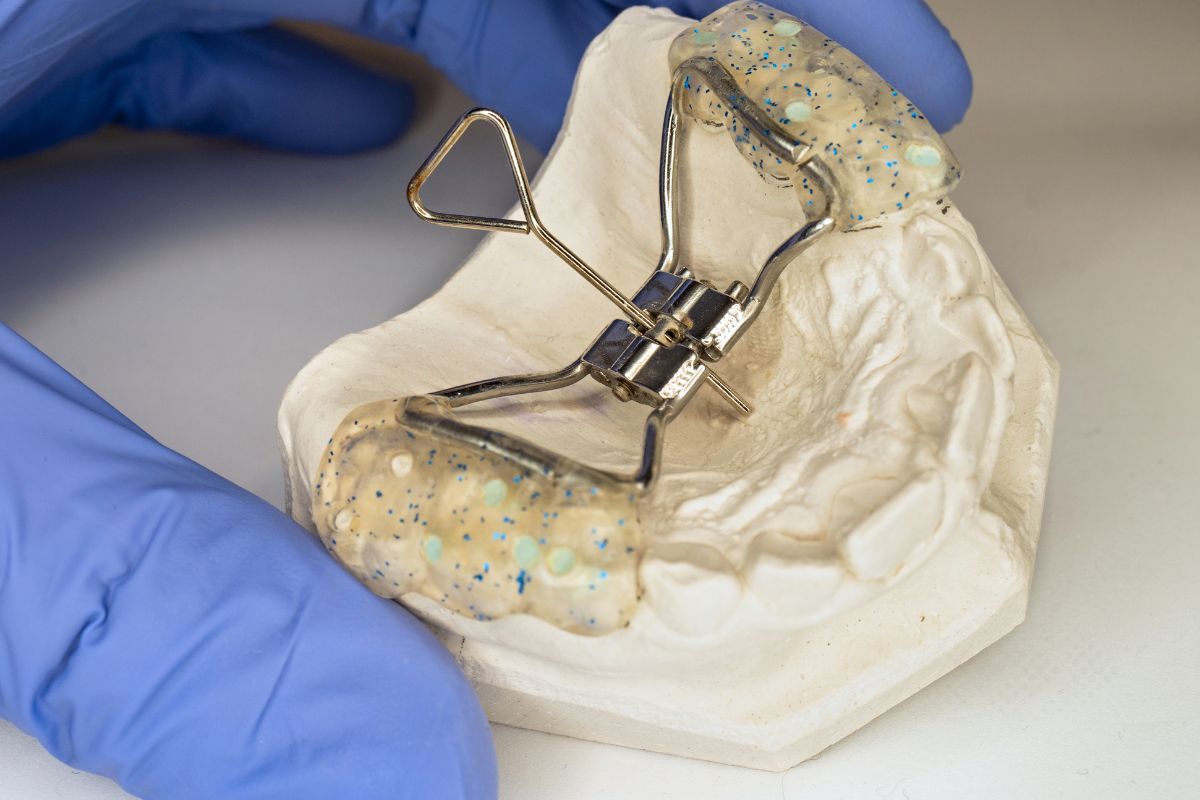
Palatal Expanders
For patients with overcrowding caused by a narrow jaw, a palatal expander may be used to widen the upper jaw.
- Fixed Expanders: These are attached to the upper teeth and gradually expand the palate over time.
- Removable Expanders: These can be removed for cleaning and are used in some cases where less expansion is needed.
Post-Treatment Care and Maintenance
After the initial treatment for overcrowding, maintaining the results is crucial for long-term success.
Retainers
Orthodontists often recommend retainers to keep the teeth in their new positions after treatment.
- Fixed Retainers: These are bonded to the back of the teeth and provide continuous support.
- Removable Retainers: These can be taken out for cleaning and are often used in conjunction with fixed retainers.
Regular Check-Ups
Regular visits to an orthodontist in Alpharetta are important to monitor the progress of the treatment and ensure that the teeth remain aligned properly. Adjustments to retainers or additional treatments may be necessary to maintain optimal results.
Good Oral Hygiene
Maintaining excellent oral hygiene is essential to prevent issues such as cavities and gum disease, which can impact the overall success of orthodontic treatment.
- Brushing and Flossing: Patients should continue to brush and floss regularly, even after their braces or aligners are removed.
- Professional Cleanings: Regular dental cleanings and check-ups can help ensure that the teeth and gums stay healthy.
Fixing overcrowding requires a combination of diagnostic tools, treatment options, and ongoing care. An orthodontist will work closely with patients to determine the best approach for their specific needs. Whether through braces, clear aligners, tooth extraction, or palatal expanders, the goal is to create a healthy, well-aligned smile that enhances both function and appearance. Regular follow-up and good oral hygiene are essential components in maintaining the results and ensuring long-term dental health.