770-664-1999


Jaw misalignment can affect more than just your smile — it can influence chewing function, speech, comfort, and long-term oral health. If you’ve been wondering how to fix your jaw alignment, this overview will walk you through how orthodontic treatment treats misaligned jaws, how braces and other methods help, and why seeking care early can make all the difference.
What Is Jaw Misalignment?
Jaw misalignment (malocclusion) occurs when your upper and lower jaws don’t come together correctly. Ideally, when you bite down, your teeth from the top and bottom jaws should meet evenly, and your jaw joints should operate smoothly. When this isn’t the case, you may experience:
- Uneven or excessive wear on teeth
- Jaw or facial pain
- Trouble chewing or speaking
- Visible asymmetry in the jawline or face
- Increased risk of tooth and gum problems
In other words, jaw misalignment isn’t just aesthetic — it’s functional. That’s why it’s so important to seek jaw alignment treatment and appropriate orthodontics.
What Causes Jaw Misalignment?
Jaw misalignment can result from a variety of factors:
- Genetic predisposition (jaw size differences, tooth-jaw discrepancies)
- Childhood habits (thumb-sucking, prolonged pacifier use)
- Injuries to the jaw or face
- Untreated or severe tooth misalignment that affects the jaws
- Growth patterns during adolescence
Because the jaw and teeth are interlinked, when either is out of sync, orthodontic correction of jaw misalignment may be necessary — not simply straightening teeth alone.
How Orthodontic Services Adjust Jaw Alignment
When developing a treatment plan for how to get your jaw aligned, orthodontists will look at both the jaws and the teeth. These are the key ways orthodontic jaw alignment services work:
Braces to Fix Jaw Alignment
Traditional braces aren’t just for moving teeth — they can also help reposition the jaws when used in combination with other devices. Wires and brackets apply continual pressure, guiding teeth and sometimes jaw segments into better alignment. For many cases of moderate misalignment, braces are a tried-and-true solution.
Clear Aligners and Alternative Methods
Modern options (like clear aligners) can handle tooth movement and, in some cases, mild jaw-alignment concerns. While they are primarily designed for tooth alignment, they can contribute to orthodontic jaw alignment in select cases — mainly when used in adolescence or early adulthood.
Orthodontic Appliances & Jaw Correction Devices
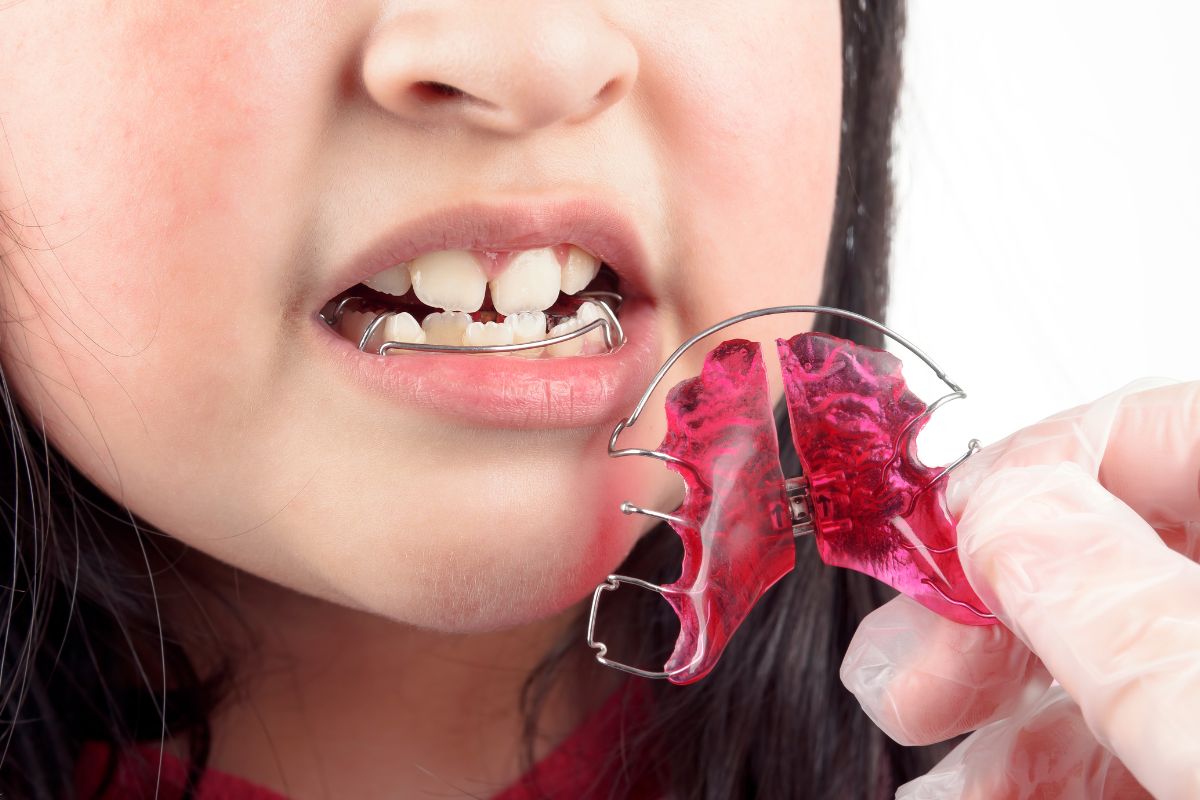
Some cases require additional appliances, such as bite plates, functional appliances, or even temporary anchorage devices (TADs). These work together with braces or aligners to push or pull jaw segments into better positions. When the misalignment is significant, the treatment plan might also involve surgery in conjunction with orthodontics.
What to Expect: From Consultation to Results
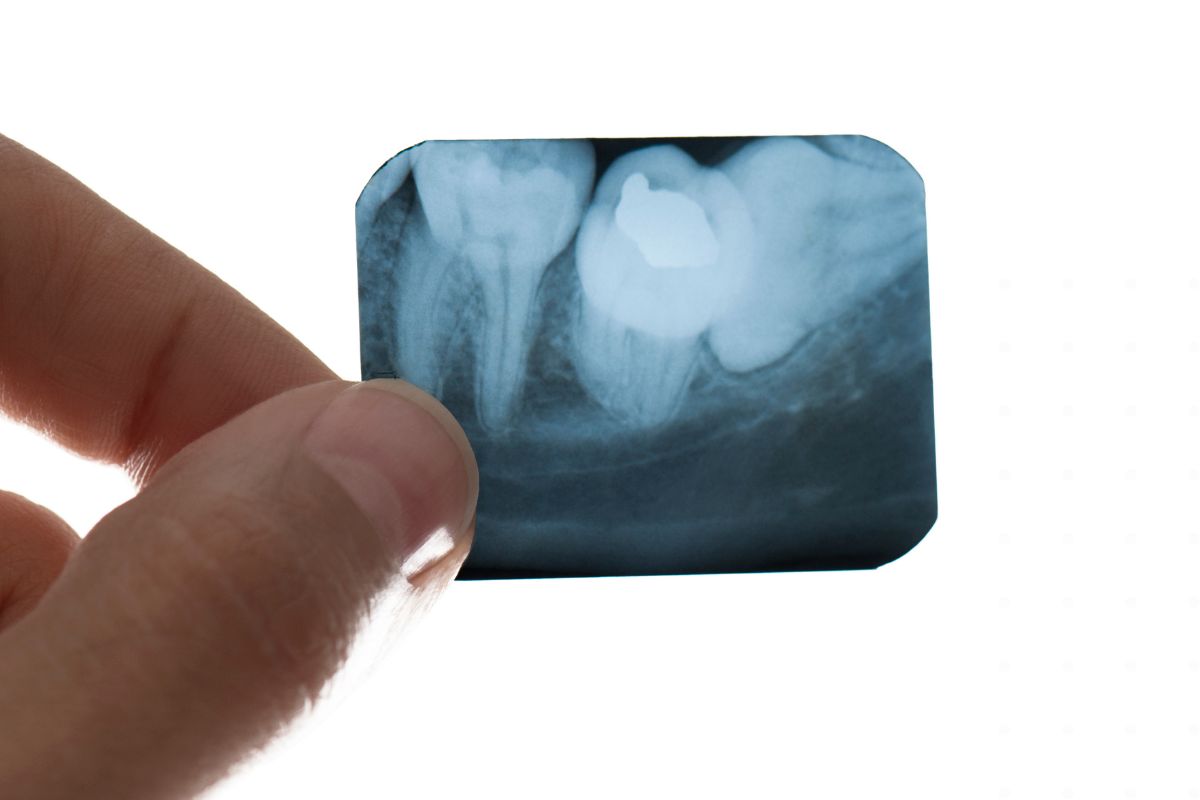
- Initial Evaluation – Your orthodontist will assess your bite, take models or digital scans, and possibly imaging (X-rays/CBCT) to determine the exact nature of the misalignment and whether it’s primarily skeletal (jaw) or dental (teeth).
- Treatment Planning – Based on the evaluation, a tailored plan for adjusting jaw alignment will be created: this might include braces, aligners, special appliances, or referral to a jaw-surgery specialist.
- Active Phase – Braces or aligners are placed; regular adjustments or aligner changes happen every few weeks. This phase addresses both teeth and jaw alignment.
- Monitoring & Adjustments – As your jaws and teeth move into alignment, your orthodontist may fine-tune the plan, making changes to appliance adjustments to maximize function and aesthetics.
- Retention & Follow-Up – Once alignment is achieved, retainers help stabilize the result. Sometimes, nighttime devices may be used to maintain jaw position and prevent relapse.
Why Jaw Alignment Matters – Beyond the Smile
- Improved Function: Proper jaw alignment means chewing, speaking, and facial muscles can work efficiently and without strain.
- Better Bite: A well-aligned jaw helps teeth meet properly, reducing abnormal wear and risk of fractures or gum problems.
- Enhanced Facial Symmetry: Many people seek jaw alignment braces or other treatment to improve the profile or jawline appearance.
- Reduced Pain & TMJ Issues: Misalignment can stress the jaw joints and surrounding muscles, potentially causing TMJ (temporomandibular joint) discomfort, headaches, or neck pain.
- Long-Term Oral Health: When the jaw and bite are aligned, maintaining oral hygiene becomes easier, leading to fewer cavities, gum disease, and complications down the road.
When Orthodontics Alone May Not Be Enough
For severe skeletal jaw misalignment — where the upper or lower jaw is significantly under- or over-developed — orthodontic jaw alignment services may be combined with jaw (orthognathic) surgery. In these cases:
- The orthodontist and oral-maxillofacial surgeon collaborate to create a treatment plan.
- Orthodontics helps align the teeth and pre-position the jaws before surgery.
- Post-surgical orthodontics fine-tunes the bite and finishes the alignment process.
In short, true correction of jaw misalignment may require a multidisciplinary approach: “braces to fix jaw alignment” plus surgery if necessary.
Choosing the Right Time to Treat
Early intervention is often the most effective. For younger patients, growth can be guided. However, adults routinely succeed with treatments tailored specifically for orthodontic correction of jaw misalignment. Key factors to consider:
- Age: Younger patients may have more jaw growth flexibility.
- Severity: Mild to moderate misalignment can often be managed orthodontically alone; severe cases may need surgical involvement.
- Compliance: Wearing appliances, aligners, or retainers as instructed is vital for achieving stable results.
- Health: Good overall dental health (healthy gums, minimal cavities) supports smoother treatment.
How to Get Started: What You Should Do
If you’ve been thinking “how to get jaw aligned“, here’s your action plan:
- Schedule a consultation with a qualified orthodontist who offers orthodontics for jaw alignment.
- Ask for a full evaluation that examines both teeth and jaws (including bite, jaw-joint health, and face symmetry).
- Discuss all options for treatment: braces, aligners, appliances, and whether a surgical referral may be necessary.
- Understand the time frame, cost, and any lifestyle considerations (e.g., appliance comfort, treatment duration).
- Commit to following the plan — wear your appliances/aligners as instructed, maintain hygiene, and attend appointments.
Final Thoughts
Jaw alignment isn’t just about having straighter teeth — achieving proper jaw alignment through orthodontic services enhances function, aesthetics, and long-term oral health. Whether you’re seeking jaw alignment braces or exploring orthodontic jaw alignment services, it all starts with a professional evaluation and a tailored plan.
At Crabapple Pediatric Dentistry & Orthodontics, we specialize in comprehensive orthodontic care — including correcting jaw misalignment for both teens and adults. Please schedule an appointment with us to discover the most suitable service for addressing your jaw alignment issues.
Frequently Asked Questions About Jaw Alignment and Orthodontic Treatment
1. How do I know if my jaw is misaligned?
You may notice difficulty chewing, jaw pain, clicking sounds, or an uneven bite. Visit an orthodontist for an exam and X-rays to confirm jaw misalignment.
2. Can braces fix jaw alignment issues?
Yes. Braces to fix jaw alignment can correct mild to moderate cases. Severe misalignment may need orthodontic appliances or surgery.
3. How long does jaw alignment treatment take?
Most jaw alignment treatments take 18–30 months, depending on severity and age. Complex or surgical cases may take longer.
4. What are the options to adjust jaw alignment?
Depending on the problem’s cause and severity, jaw alignment can be adjusted with braces, clear aligners, orthodontic appliances, or jaw surgery.
5. Are clear aligners effective for jaw alignment?
Clear aligners can fix minor misalignments. Severe orthodontic correction of jaw misalignment usually requires braces or combined treatment.
6. Is jaw alignment treatment painful?
No. You may feel mild soreness after adjustments, but orthodontics for jaw alignment is generally comfortable and safe.
7. Can jaw alignment treatment improve my appearance?
Yes. Orthodontic jaw alignment services can enhance facial symmetry, improve bite, and create a more balanced jawline.
8. When should jaw alignment issues be treated?
Early evaluation (around age 7) is best, but adults can also benefit from orthodontic jaw alignment at any age.
9. How much does it cost to fix jaw alignment?
Costs vary by case and treatment type. Jaw alignment braces or aligners are more affordable than surgical correction. Many orthodontists offer payment plans.
10. What’s the best way to fix your jaw alignment?
Consult an orthodontist for orthodontic jaw alignment services. Braces, aligners, or combined orthodontic-surgical treatment provide the best long-term results.