770-664-1999


Tossing and turning, waking up gasping for air, feeling exhausted even after a whole night’s sleep – these are everyday experiences for individuals suffering from sleep apnea. While often associated with factors like weight and lifestyle, did you know that the alignment of your teeth and jaws can also play a significant role? This blog delves into the fascinating connection between orthodontic treatments and sleep apnea, exploring how straightening your smile might help you breathe easier and sleep better. If you’re in the Alpharetta area and curious about this connection, consider contacting an orthodontist in Alpharetta to discuss your specific situation.
Understanding Sleep Apnea: More Than Just Snoring
Before we explore the orthodontic link, let’s briefly understand sleep apnea. This common sleep disorder is characterized by repeated pauses in breathing during sleep. These pauses occur when the airway becomes blocked or collapses, often lasting for seconds or minutes. The most prevalent type is Obstructive Sleep Apnea (OSA), where the soft tissues at the back of the throat relax and obstruct the flow of air.
The consequences of untreated sleep apnea can be far-reaching. Beyond daytime fatigue and irritability, it can increase the risk of serious health problems like high blood pressure, heart disease, stroke, and type 2 diabetes. Recognizing the symptoms, which can include loud snoring, gasping or choking sounds during sleep, morning headaches, and difficulty concentrating, is the first step towards seeking help. We encourage you to visit our dental office if you have concerns about sleep apnea and how orthodontic solutions might assist.
The Orthodontic Connection: How Jaw and Teeth Alignment Matters
So, where does orthodontics come into the picture? Orthodontic treatments primarily focus on correcting the alignment of teeth and jaws. In some cases, misaligned jaws or a narrow upper airway can contribute to the development or severity of sleep apnea.
Consider individuals with an overbite (where the upper jaw significantly protrudes over the lower jaw) or a retrognathic mandible (a lower jaw that is set back). These skeletal discrepancies can reduce the space available for the tongue and soft tissues in the back of the throat. During sleep, when muscles relax, this limited space increases the likelihood of airway obstruction. Similarly, a narrow upper palate can restrict airflow.
Orthodontic Treatments That Can Make a Difference
While orthodontics isn’t a standalone cure for all cases of sleep apnea, specific treatments can significantly improve the condition, especially when jaw or teeth misalignment is a contributing factor. Here are some ways orthodontists can help:
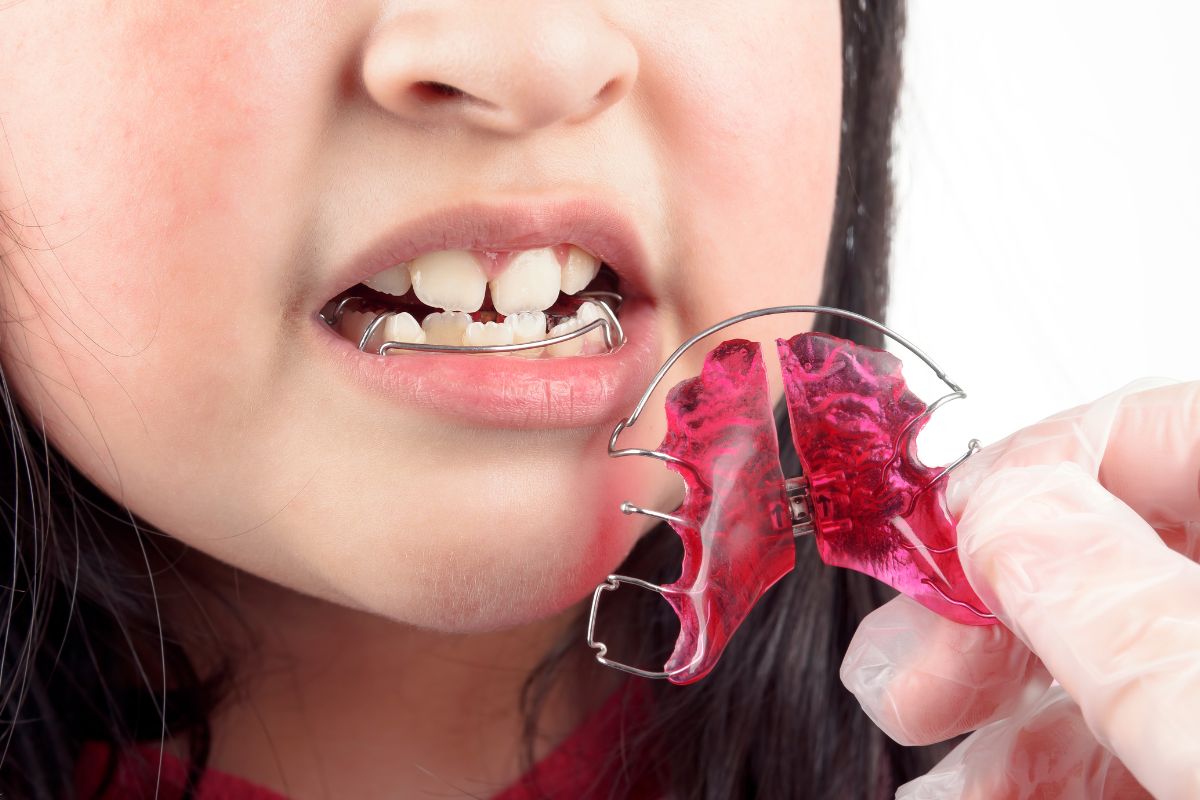
1. Maxillary Expansion: A palatal expander can widen the upper jaw for individuals with a narrow upper palate. This creates more space in the nasal cavity and throat, potentially easing breathing difficulties during sleep. Expanders are most effective in children and adolescents whose palates are still developing.
2. Mandibular Advancement Devices (MADs): While often prescribed by sleep specialists, orthodontists are also knowledgeable about MADs. These custom-fitted oral appliances are worn during sleep and work by gently moving the lower jaw forward. This forward positioning helps to keep the airway open by preventing the tongue and soft tissues from collapsing backward.
3. Orthognathic Surgery (Jaw Surgery): Orthognathic surgery might be recommended in cases with more severe skeletal discrepancies contributing to sleep apnea. This surgical procedure involves repositioning the upper and/or lower jaw to improve the overall facial structure and create a more open airway. Orthodontic treatment is typically required before and after surgery to ensure proper teeth alignment.
4. Addressing Specific Malocclusions: Correcting specific bite issues like severe overbites or crossbites through braces or clear aligners can also indirectly improve airway function in some individuals by optimizing the overall oral and facial structure. If you’re considering these options, it’s easy to book an appointment with our experienced orthodontic team to explore the possibilities.
A Collaborative Approach for Better Sleep
It is crucial to understand that treating sleep apnea often requires a multidisciplinary approach. An orthodontist may collaborate with sleep medicine physicians, ENT specialists, and other healthcare professionals to develop a comprehensive treatment plan.
If you suspect that your teeth or jaw alignment might contribute to your sleep problems, consult a sleep specialist and an orthodontist. They can conduct thorough evaluations, including sleep studies and orthodontic assessments, to determine the underlying causes and recommend the most appropriate treatment options.
Breathing Easier, Living Better
The link between orthodontics and sleep apnea highlights the far-reaching impact of oral health on overall well-being. By addressing teeth and jaw alignment issues, orthodontic treatments can alleviate sleep apnea symptoms, leading to more restful nights, improved daytime function, and a healthier life. If you’re struggling with sleep apnea, exploring the orthodontic connection could be crucial to finally breathing easier and sleeping soundly.