770-664-1999

If you or your child has been told there’s a gap between the upper and lower teeth when the mouth is closed, you might be dealing with a condition known as an open bite. While it may seem like a minor cosmetic issue, this bite misalignment can affect oral health, speech, and daily comfort. The good news is that modern orthodontics offers a safe and reliable approach to reverse this condition and align your smile. Read this blog to explore open bite correction with procedures approved by an orthodontist in Alpharetta, GA.
Open Bite: What Is It?
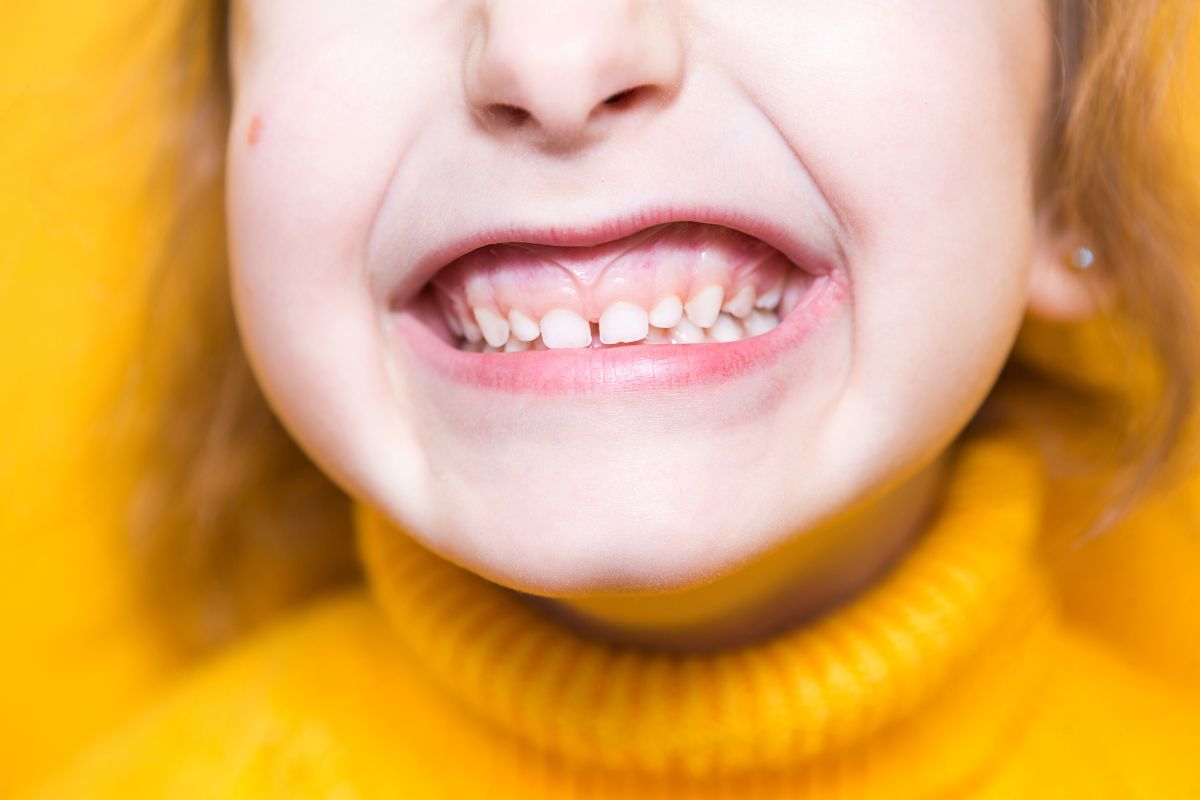
Properly aligned teeth in the upper and lower jaws make it easy to chew and talk comfortably. When this alignment is disrupted by a perceptible gap, especially at the front or back, it becomes an open bite. Several factors, including tongue-thrusting practices and prolonged thumb-sucking during early development, may contribute to this gap. You can develop this malocclusion due to problems with jaw growth or genetics.
There are two primary types: posterior, which affects the back molars, and anterior, where the front teeth do not touch each other. If left untreated, this misalignment can cause self-esteem issues, speech problems, jaw pain, and chewing difficulty.
How Orthodontic Treatment Corrects Malocclusion?
Correcting bite problems early on can prevent a cascade of future issues. Beyond improving appearance, treatment helps ensure proper tooth function, prevents uneven wear, and supports healthier jaw development. Two of the most common methods used to address this condition include:
Invisalign
Clear aligners provide a discreet and adaptable solution for correcting mild to moderate bite issues. These custom-made trays fit snugly over the teeth and apply gentle pressure to guide them into better alignment. One of their standout benefits is that Invisalign is removable, making daily brushing and flossing much more manageable. These dental trays are also virtually invisible, which appeals to teens and adults seeking a discreet treatment for open bite correction.
Conventional Braces
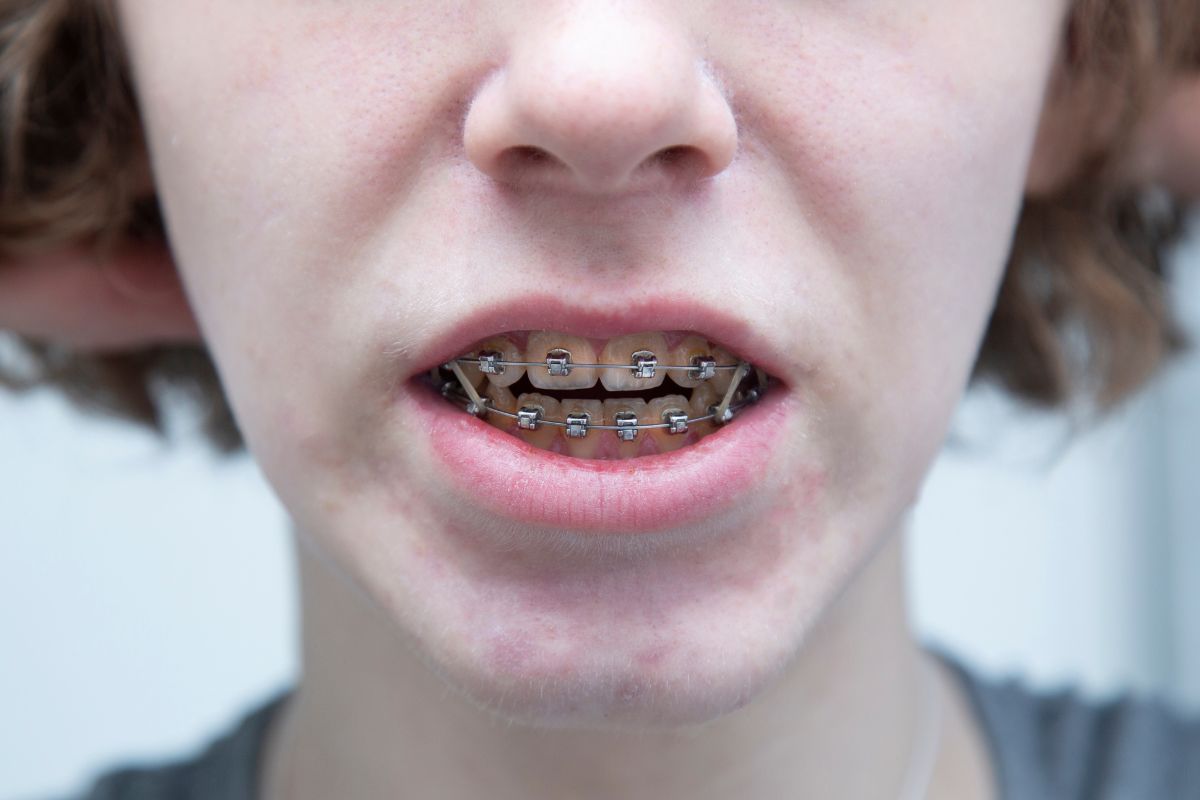
Traditional metal or ceramic braces offer a proven option when the malocclusion is more complex or requires more substantial adjustments. This technique is ideal for filling significant gaps and treating crowding or misaligned jaws, as it provides precise control over the movement of each tooth. Over a few months to a few years, you can get the smile of your dreams with regular checkups and adjustments.
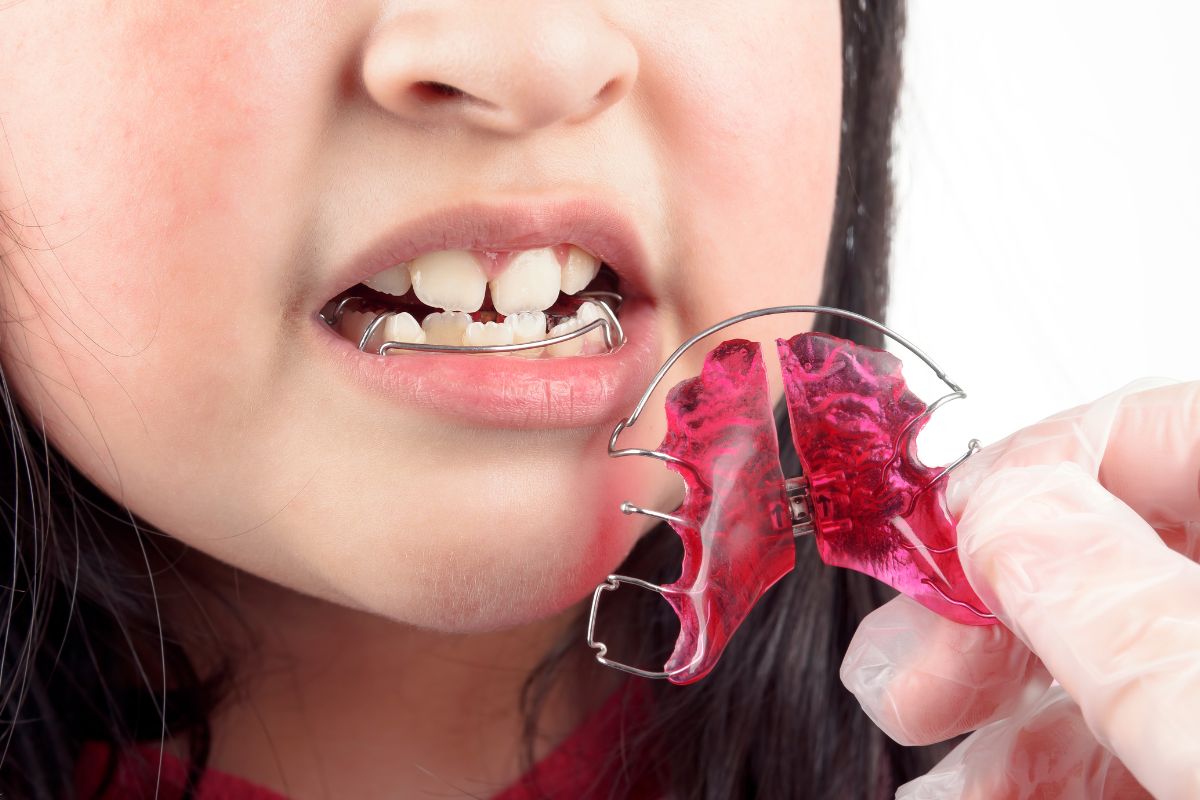
Sometimes, your orthodontist may recommend additional procedures in addition to braces or Invisalign. These can improve long-term outcomes or guide jaw development, particularly when treating bite problems in growing children.
Factors to Consider in Orthodontic Care
Here are a few key factors to consider when searching for an orthodontic clinic.
- Age and Growth Stage: Younger patients may benefit from early intervention while their jaw is still developing. Visit our dental office to introduce your child to early orthodontic care, which can fix open bites and other malocclusions.
- Severity of the Bite: Milder cases may respond well to aligners, while more pronounced gaps could need braces or a combination of treatments.
- Commitment and Consistency: Success with the bite correction method depends on follow-up visits to your orthodontist. From customizing aligners to adjustment appointments, ensure your specialist caters to your specific needs on a regular basis.
- Personal Preferences: Some patients prioritize aesthetics or ease of maintenance, which can influence the choice of orthodontic care.
Open bites are a common form of malocclusion that can be corrected easily with orthodontics. Orthodontists provide braces, Invisalign, and early orthodontic treatments to address this condition based on specific age or bite problems. To determine which approach is best for achieving a perfect smile, contact Crabapple Pediatric Dentistry & Orthodontics. Book an appointment and let our orthodontist diagnose your issue and align your teeth appropriately.