770-664-1999


When it comes to achieving a healthy, beautiful smile, orthodontic care plays a crucial role. However, orthodontic treatment does not always need to begin when a child hits their teenage years. In fact, proactive dental treatment can help guide the development of your toddler’s teeth and jaws early in life, potentially preventing complex issues as they grow.
What Is Interceptive Orthodontic Treatment?
Interceptive orthodontics is an early intervention strategy that focuses on identifying and addressing developing dental problems before they become significant. It usually involves children between the ages of 7 and 10, when their mouths are still growing, and their baby teeth are transitioning to permanent ones. The goal is to correct misalignment or bite issues early, allowing for easier, less invasive treatments as the toddler grows.
For example, if your junior has an overbite, underbite, or crowding issues that could lead to further complications, a specialist can help.
They will begin treatment to help prevent those problems from worsening. By taking action early, an experienced orthodontist can help guide the natural growth of teeth, jawbones, and facial structure. This often reduces the need for more extensive treatment later.
Why Is Interceptive Orthodontic Treatment Important?
The benefits of proactive dental treatment extend beyond just creating a beautiful smile. A quick checkup can significantly reduce the risk of serious dental issues. Here is why it matters:
Corrects Bite Issues Early
Addressing bite problems early can prevent more severe issues that might require braces or surgery later on. Aligning the teeth and jaw early can make future treatments more effective.
Prevents Jaw Problems
When the teeth and jaws are not growing properly, it can lead to jaw pain, uneven tooth wear, or difficulty chewing. Early intervention can help align the teeth and jaw, minimizing discomfort and improving function.
Helps with Space Maintenance
Sometimes, baby teeth fall out prematurely or are missing. Interceptive treatments, like space maintainers, can hold space for the permanent teeth, helping them come in properly aligned.
Reduces The Need For Extractions
If oral problems are left untreated, extractions may be necessary later. Early assessment can reduce the need for tooth extraction, ensuring the little one’s natural teeth develop appropriately.
How Does An Orthodontist Get Involved?
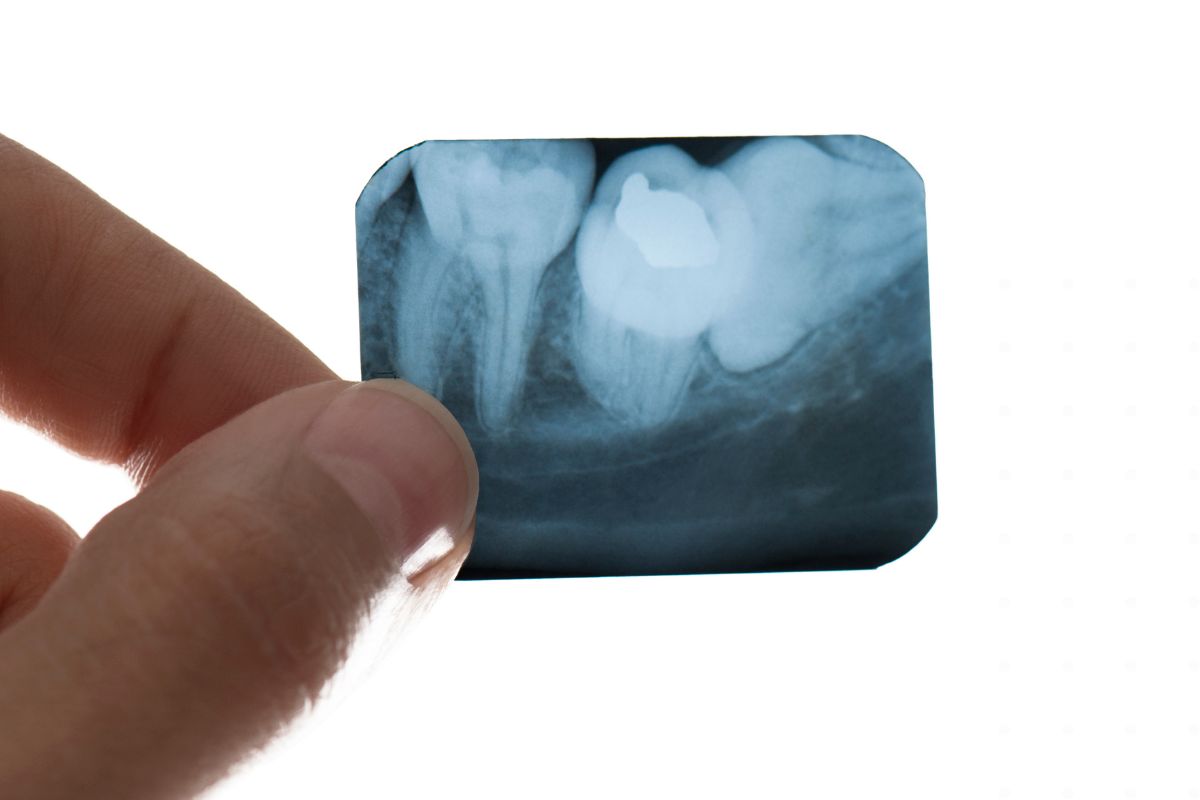
When you bring your little one to an orthodontist, they will begin by evaluating your toddler’s teeth, bite, and overall oral health. Using X-rays and visual inspections, the orthodontist can detect potential issues that may benefit from early assessment. The orthodontist might recommend treatments like braces, expanders, or space maintainers. However, the approach depends on the youngster’s individual needs.
Types Of Interceptive Treatment For Growing Smiles
Various treatments are used in interceptive orthodontics. Some of the most common options include:
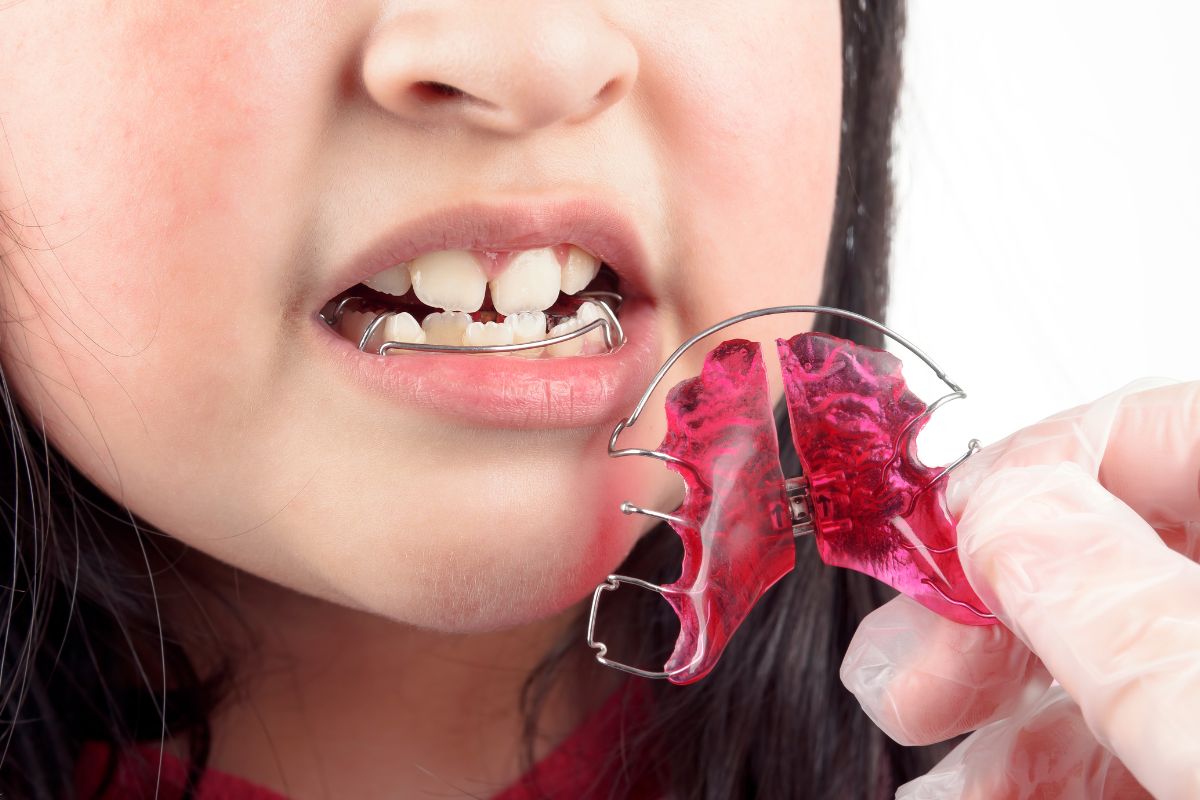
- Palatal Expanders: These devices are used to widen the upper jaw to correct crossbites or create more space for teeth to come in properly.
- Braces For Children: Early use can help guide tooth alignment as they come in, especially for kids with crowded teeth or those at risk of misalignment.
- Space Maintainers: These devices are used to hold space for permanent teeth when baby teeth are lost too early, ensuring the teeth come in correctly.
- Retainers: After the initial treatment phase, retainers may be used to help keep teeth in their new, correct positions.
When Should Your Junior Start Interceptive Treatment?
Each tiny tot’s oral health needs differ, but, in general, they should have an orthodontic evaluation by age 7. This is when an orthodontist can assess whether early treatment is needed to guide tooth and jawbone growth. Starting early increases the chances of success and can help prevent more serious issues in the future.
Setting The Foundation For A Healthy Smile With Early Treatment
Interceptive treatment is a valuable tool for parents looking to prevent serious dental issues for their youngsters. It can not only improve the appearance of a smile but also ensure optimal jaw and tooth function as the child grows.
If you are concerned about your toddler’s oral development, visit our dental office for a consultation. Our professional team will assess your little one’s needs and guide them toward the best available treatment options. Book an appointment today to help your toddler achieve a healthy smile for life. Taking action now helps guide tooth and jaw growth, leading to fewer complications and a beautiful, functional smile.
Frequently Asked Questions
Q. At what age should a child start orthodontic treatment?
It is typically recommended around age 7, when the permanent teeth begin to emerge. Early evaluation helps address potential issues before they become complex or problematic to treat.
Q. How long does early bite correction treatment take?
The duration of interceptive treatment depends on the specific issues being addressed, but typically lasts between 6 months to a year. The goal is to guide proper growth and development without extensive intervention later.
Q. Can interceptive orthodontics prevent the need for braces?
Yes, interceptive treatment can often reduce the severity of alignment issues, potentially avoiding the need for traditional braces. Early intervention can help guide the teeth into place before problems become more complex.
Q. How do you know if your toddler needs early orthodontic care?
Signs include crowded teeth, bite misalignment, or difficulty chewing. A consultation with our orthodontist will help identify early dental issues that may benefit from intervention, ensuring proper growth and function.
Q. Is interceptive orthodontic treatment painful?
Interceptive treatments are generally not painful, though some discomfort may occur after adjustments. However, any discomfort is usually mild and temporary, and your little one can return to normal activities quickly.