770-664-1999

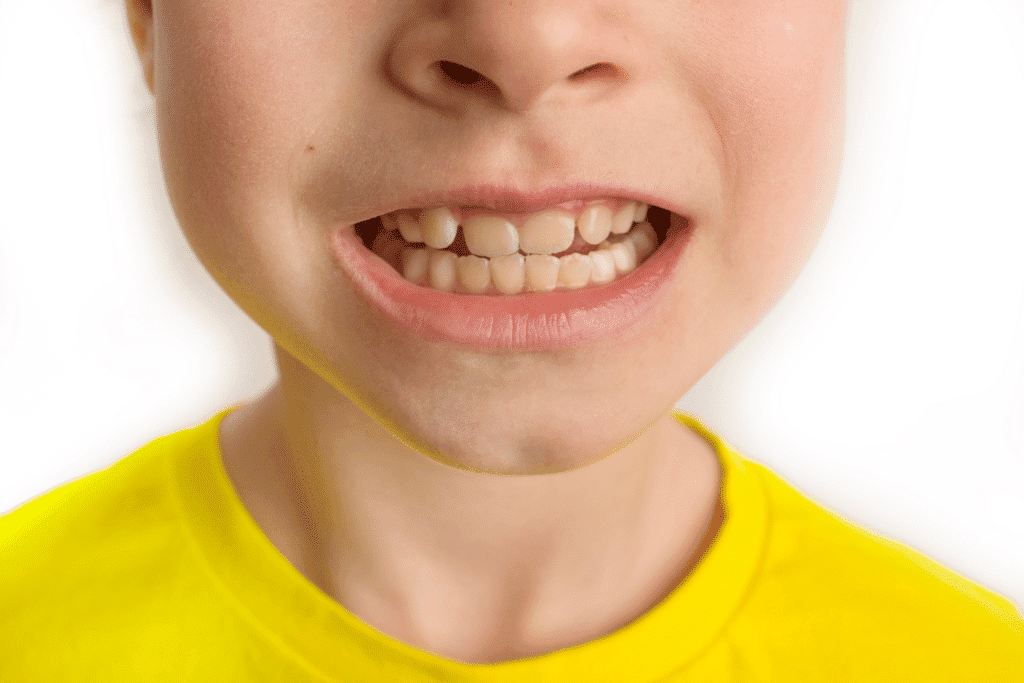
Malocclusion, commonly known as a misalignment of the teeth, is a widespread dental issue that can affect both the appearance and functionality of one’s smile. Understanding the optimal age to treat malocclusion can ensure effective results and minimize complications. This blog explores the best age for malocclusion treatment, addressing various factors that influence this decision and highlighting the benefits of timely intervention.
Understanding Malocclusion
Malocclusion can manifest in different forms, including overbite, underbite, crossbite, and overcrowding. It not only affects the aesthetics of a smile but can also lead to difficulties in chewing, speech issues, and even an increased risk of dental diseases. The primary goal of treating malocclusion is to align the teeth properly, ensuring a healthy bite and an attractive smile.
The Best Age to Treat Malocclusion
While malocclusion can be addressed at any age, certain periods are more conducive to effective treatment. The following sections delve into the various stages of life and their suitability for malocclusion treatment.
Childhood (Ages 6-12)
Early Assessment and Intervention
The American Association of Orthodontists recommends that children have their first orthodontic assessment by the age of 7. Early assessment allows for the identification of potential issues and the planning of timely interventions. During this stage, the jaw is still growing, and early intervention can guide its development, potentially avoiding more complex treatments later on.
Phase I Treatment
Phase I treatment, also known as interceptive orthodontics, typically begins around ages 6-9. This phase addresses significant issues such as severe crowding or jaw discrepancies. Early orthodontic treatment can prevent the worsening of these problems and simplify future treatments.
Mixed Dentition Phase
Between ages 7-12, children have a mix of primary (baby) and permanent teeth. This phase is ideal for monitoring dental development and making necessary adjustments. Early intervention during this period can ensure that permanent teeth emerge in the correct positions.
Adolescence (Ages 12-18)
Phase II Treatment
Phase II treatment usually starts after most permanent teeth have erupted, around ages 12-14. This phase involves the use of braces or clear aligners to correct alignment and bite issues. Adolescence is an optimal time for malocclusion treatment as the jaw is still growing, making teeth easier to move.
Compliance and Results
Teenagers are generally more compliant with orthodontic treatment protocols, leading to more effective outcomes. The availability of options such as clear aligners also increases acceptance among teenagers, contributing to successful treatment.
Psychological Benefits
Correcting malocclusion during adolescence can significantly boost self-esteem and confidence. A beautiful smile during these formative years can positively impact social interactions and overall well-being.
Adulthood (Ages 18+)
Adult Orthodontics
Although childhood and adolescence are ideal times for malocclusion treatment, adults can also benefit from orthodontic intervention. Advances in orthodontic technology, such as clear aligners and lingual braces, have made treatment more accessible and discreet for adults.
Bone Density Considerations
One challenge in adult orthodontics is that bone density is higher, making teeth movement slower and sometimes more complex. However, with proper planning and expertise, adults can achieve excellent results.
Motivation and Compliance
Adults often seek orthodontic treatment due to personal motivation, leading to high compliance levels. This commitment can contribute to the success of the treatment.
Benefits of Timely Malocclusion Treatment
Improved Oral Health
Properly aligned teeth are easier to clean, reducing the risk of cavities, gum disease, and other oral health issues. Timely treatment by an experienced orthodontist in Alpharetta ensures that your oral hygiene routine is effective and your dental health is optimal.
Enhanced Functionality
Malocclusion can cause difficulties in chewing and speaking. Correcting these issues can enhance your ability to chew food properly and articulate words clearly, improving overall functionality.
Prevention of Further Complications
Early intervention can prevent the development of more severe dental issues, such as tooth wear, jaw pain, and temporomandibular joint (TMJ) disorders. Treating malocclusion at the appropriate age can save you from complex and costly treatments in the future.
Boosted Self-Confidence
A well-aligned smile can significantly boost self-esteem and confidence. Whether you’re a child, teenager, or adult, having a beautiful smile can positively impact your social and professional interactions.
Long-Term Stability
Treating malocclusion at the right time ensures long-term stability of the results. Proper alignment of teeth and jaws reduces the likelihood of relapse and the need for further orthodontic interventions.
The best age to treat malocclusion depends on various factors, including the severity of the condition and individual growth patterns. Early assessment and intervention during childhood can prevent complex issues, while adolescence offers a conducive period for comprehensive treatment. However, adults seeking treatment can also achieve excellent results with modern orthodontic options. Consulting with a skilled orthodontist in Alpharetta can help determine the most suitable time for your specific needs, ensuring effective and lasting outcomes. Whether you’re considering treatment for your child or yourself, timely intervention can lead to a healthier, more confident smile.