770-664-1999

Sedation dentistry can be a helpful option for children who experience anxiety or fear about dental visits. While it can make dental procedures more manageable for both the child and the dentist, parents must understand its safety and efficacy. This blog will explore what sedation dentistry involves, its types, the safety concerns associated with it, and the considerations parents should keep in mind.
Understanding Sedation Dentistry
Sedation dentistry refers to the use of medications to help patients relax during dental procedures. It is particularly useful for children who may be apprehensive about dental work. The primary goal is to reduce anxiety, discomfort, and pain, allowing for a smoother and more efficient dental visit.
Types of Sedation Used for Kids
There are several types of sedation used in dentistry, and each type varies in depth and administration method:
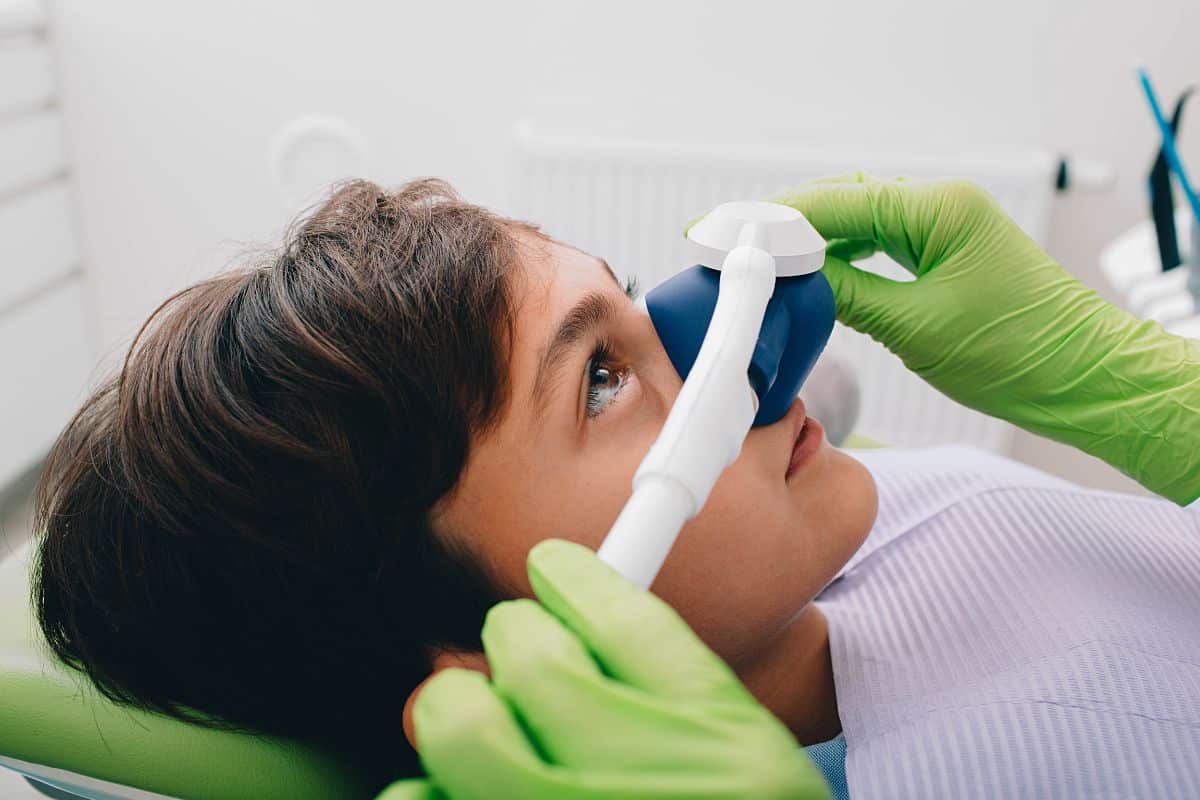
- Nitrous Oxide (Laughing Gas):
This is the most common form of sedation for children. Nitrous oxide is inhaled through a mask, providing a calming effect without affecting consciousness. Kids typically recover quickly from this type of sedation, making it a preferred option for many dental procedures. - Oral Sedation:
Oral sedation involves administering medication in pill or liquid form before the dental appointment. This option allows for deeper sedation than nitrous oxide, but it may take longer for the child to recover fully. - Intravenous (IV) Sedation:
For more extensive procedures or children with severe anxiety, IV sedation may be recommended. This method delivers medication directly into the bloodstream, allowing for rapid sedation. Recovery time can vary depending on the dosage and the child’s response. - General Anesthesia:
General anesthesia is the deepest form of sedation and renders the child completely unconscious. It is typically used for extensive dental work or for children with special needs who cannot cooperate during procedures.
Safety Concerns of Sedation Dentistry for Kids
While sedation dentistry can be beneficial, safety is always a priority, especially when it comes to children. Here are some key safety concerns and considerations:
1. Qualified Professionals
It is essential that sedation dentistry is performed by a qualified dentist or oral surgeon who has received specialized training in pediatric sedation. This ensures that they can monitor the child’s vital signs and respond quickly to any adverse reactions.
2. Health History Evaluation
Before administering any form of sedation, the dentist will conduct a thorough evaluation of the child’s health history. This includes discussing any existing medical conditions, allergies, or medications the child is taking. This assessment helps identify any potential risks and ensures that sedation is appropriate.
3. Proper Dosage
The dosage of sedation medication must be carefully calculated based on the child’s age, weight, and overall health. Administering the correct amount is crucial to minimize the risk of complications.
4. Monitoring During Procedures
Children under sedation require constant monitoring throughout the dental procedure. This includes keeping track of their heart rate, oxygen levels, and overall responsiveness. Monitoring ensures that any issues can be addressed immediately.
5. Recovery Environment
After sedation, children may feel groggy or disoriented. It is important to ensure that they are in a safe environment where they can recover properly. Parents should arrange for someone to accompany the child home and keep an eye on them for the remainder of the day.
Considerations for Parents
As a parent, deciding whether sedation dentistry is appropriate for your child involves several factors:
1. Child’s Anxiety Levels
Evaluate your child’s level of anxiety regarding dental visits. If they are severely anxious or unable to sit still during procedures, sedation might be a helpful option to facilitate their treatment.
2. Type of Procedure
Consider the complexity of the dental procedure. Simpler procedures might not require sedation, while more invasive work may be better tolerated with some form of sedation.
3. Discuss with the Dentist
Consult with your child’s pediatric dentist about the pros and cons of sedation for their specific situation. The dentist can provide insights based on their experience and your child’s dental needs. If you’re looking for specialized services, a sedation dentist in Alpharetta can be a great resource.
4. Understanding the Risks
Educate yourself about the potential risks and side effects associated with sedation dentistry. While serious complications are rare, being informed can help alleviate concerns and prepare you for the appointment.
Conclusion
Sedation dentistry can be a safe and effective option for children who experience anxiety during dental visits. By understanding the types of sedation, safety concerns, and considerations for your child, you can make informed decisions about their dental care. Always consult with a qualified dental professional to ensure the best and safest approach for your child’s needs. With the right care, dental visits can become a more positive experience for both children and parents alike. If you’re considering sedation options for your child, reach out to a sedation dentist to discuss the best plan tailored to your child’s needs.