770-664-1999

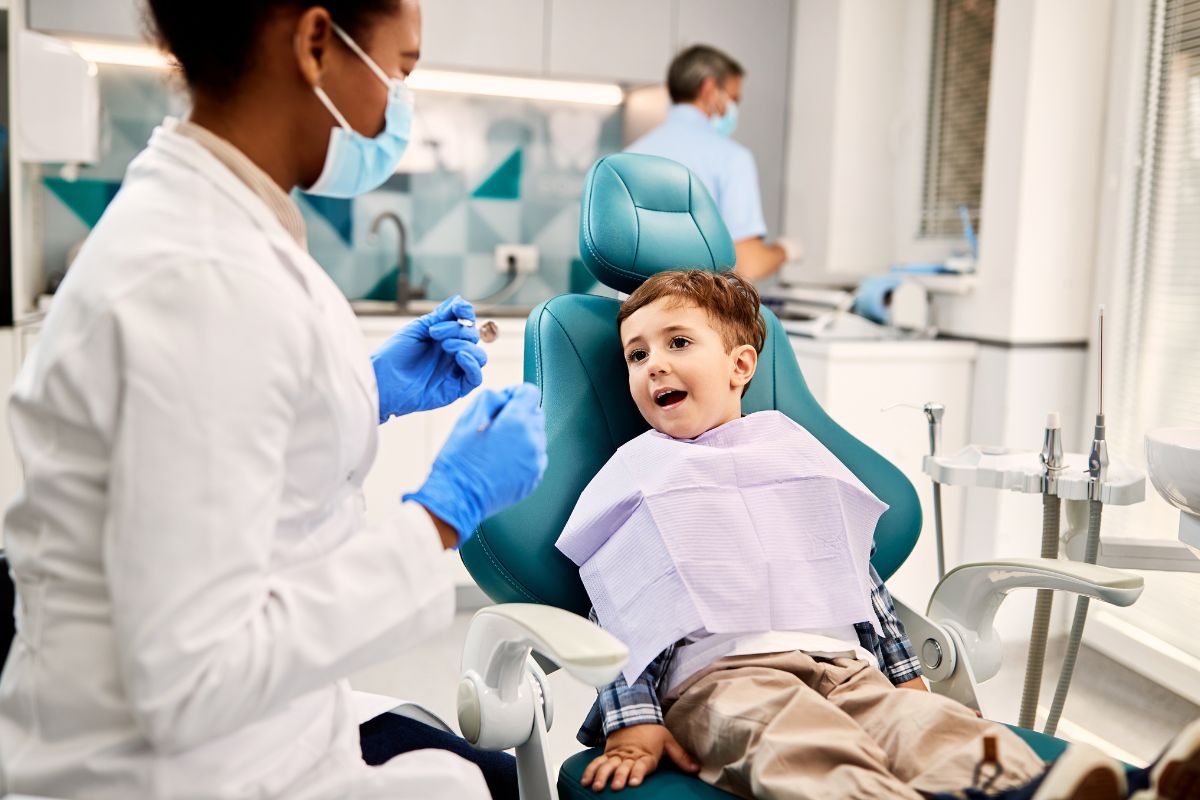
Dental anxiety can make routine care difficult for some children. Pediatric high anxiety sedation options may help certain patients receive needed treatment when basic behavior guidance alone does not provide enough support. At Crabapple Pediatric Dentistry & Orthodontics in Alpharetta, Dr. Allison Petty, a board-certified pediatric dentist, can evaluate a child’s needs and help parents understand appropriate behavior guidance and sedation approaches.
Does Every Anxious Child Need Sedation?
No. Sedation is not automatically the first choice for an anxious child.
Pediatric dental teams often begin with communication and behavior guidance techniques. These approaches can include simple explanations, positive reinforcement, distraction, breathing exercises, and gradual familiarization with the dental setting.
The American Academy of Pediatric Dentistry recommends individualized behavior guidance based on factors such as the child’s development, medical history, treatment needs, previous dental experiences, and family preferences.
When anxiety makes routine dental treatment difficult, an Alpharetta pediatric dentist can assess your child’s behavior, treatment needs, and comfort level before discussing whether sedation is appropriate.
Start With Understanding the Child’s Anxiety
Dental fear can have different causes. A child may fear an unfamiliar environment, dislike certain sounds, remember an unpleasant experience, or feel worried about pain.
Younger children may also struggle because they cannot fully understand what will happen during treatment.
Therefore, the dental team needs to look beyond the label of “anxious.”
Questions the Dental Team May Consider
Before choosing any advanced behavior guidance option, the dentist may consider:
- The child’s age and emotional development
- Previous dental experiences
- The type and length of treatment needed
- Medical history
- Current medications
- Allergies or other health considerations
- The child’s ability to communicate and cooperate
- Previous behavior guidance methods
- Parent and child preferences
This evaluation helps the team select an approach that fits the situation.
What Is Nitrous Oxide?
Nitrous oxide, often called laughing gas, is an inhaled medication that can help reduce anxiety during dental treatment.
The child breathes the gas through a small mask placed over the nose. Nitrous oxide is mixed with oxygen and is commonly used for children who can comfortably breathe through the nose and follow basic instructions.
The American Academy of Pediatric Dentistry describes nitrous oxide and oxygen inhalation as one option for reducing anxiety and improving cooperation in selected pediatric patients.
What Might a Child Feel?
Children respond differently.
Some children feel relaxed or slightly lightheaded. Others may describe a floating sensation or tingling. The goal is generally to reduce anxiety while allowing the child to remain responsive.
Nitrous oxide does not replace local anesthesia when a procedure requires numbing. Instead, it can support the child’s ability to tolerate treatment.
When Might Deeper Sedation Be Considered?
Some children have anxiety or treatment needs that make lighter approaches insufficient.
In these cases, the dental team may consider another level of sedation. The appropriate option depends on the child’s medical condition, treatment needs, age, developmental status, and ability to cooperate.
Sedation should never be treated as a one-size-fits-all solution.
Safety Comes Before Convenience
The AAPD’s current guidance emphasizes careful evaluation before pediatric sedation. This includes reviewing medical history, considering airway concerns, following appropriate fasting instructions when required, monitoring the child, and having trained personnel and equipment available for the level of sedation being used.
For that reason, parents should ask what type of sedation is being recommended and why.
They should also ask what preparation, monitoring, recovery, and discharge instructions apply.
What About General Anesthesia?
General anesthesia is different from lighter sedation.
Under general anesthesia, the child is unconscious and requires a higher level of monitoring and support. It may be considered for selected circumstances when other approaches are not suitable.
However, the decision requires careful assessment.
The dental team considers the child’s health, dental treatment needs, behavior, and the risks and benefits of available options.
Parents Should Ask Specific Questions
Before treatment involving sedation, parents can ask:
- What level of sedation is being recommended?
- Why is this option appropriate?
- What alternatives are available?
- How will my child be monitored?
- What should my child eat or drink before the appointment?
- What should I expect during recovery?
- Who will provide and monitor the sedation?
- What instructions should we follow after treatment?
Clear answers can help parents feel more prepared.
Can Behavior Guidance Reduce Dental Anxiety?
Yes, and it can be an important part of care.
Not every child needs medication to feel comfortable at the dentist. Some children respond well when the team explains each step in simple language.
Helpful Non-Medication Techniques
Depending on the child, a pediatric dental team may use:
- Tell-show-do
- Positive reinforcement
- Distraction
- Calm breathing
- Desensitization
- Child-friendly explanations
- Modeling
- Breaks when appropriate
- Positive pre-visit preparation
These methods can work particularly well when the child has enough time to build trust.
Parents can also help by using neutral language before the appointment. Avoiding scary stories about dental treatment can reduce unnecessary worry.
How Parents Can Prepare an Anxious Child
Preparation starts before the child enters the office.
Keep explanations short and positive. Let the dental team introduce procedure-specific details rather than describing every instrument or sensation at home.
Parents can also bring a comfort item if the office allows it.
Simple Preparation Tips
- Schedule visits when the child is usually rested.
- Avoid using threatening language.
- Do not promise that treatment will “never hurt.”
- Explain that the dentist and team will help them.
- Practice slow breathing at home.
- Allow the child to ask questions.
- Stay calm during the appointment.
Most importantly, give the dental team honest information about previous experiences.
Why Individualized Care Matters
Two children can have the same dental procedure and respond completely differently.
One child may cooperate with basic guidance. Another may become overwhelmed despite several supportive techniques.
Therefore, sedation decisions should reflect the individual child rather than a standard formula.
The AAPD also emphasizes that behavior guidance should consider the child’s treatment needs, emotional development, medical factors, and available alternatives.
Children with significant dental anxiety have several possible paths to more comfortable care. Basic behavior guidance may be enough for some children, while others may benefit from nitrous oxide or another carefully selected sedation approach. The right choice depends on the child’s health, development, treatment needs, and ability to cooperate.
If your child has severe dental anxiety or you want to discuss comfortable treatment options, schedule an appointment with Crabapple Pediatric Dentistry & Orthodontics in Alpharetta.