770-664-1999

Palate expanders can play an important role in early orthodontic treatment when a child’s upper jaw does not have enough width for healthy development. For parents in Alpharetta, understanding how these appliances work, why an orthodontist may recommend one, and what daily life looks like can make the treatment process feel much less stressful.
At Crabapple Pediatric Dentistry & Orthodontics in Alpharetta, families receive personalized pediatric and orthodontic care in a child-friendly setting. The practice focuses on helping children feel comfortable while supporting healthy smiles as they grow. Dr. Javid Yavari and Dr. Behnaz “Dr. Bennie” Yavari-Kasravi provide orthodontic care, while Dr. Allison Petty focuses on children’s dental needs.
If your child’s orthodontist recommends an expander, it does not necessarily mean that something is seriously wrong. Instead, the appliance may help guide jaw development at an important stage of growth.
What Is a Palate Expander?
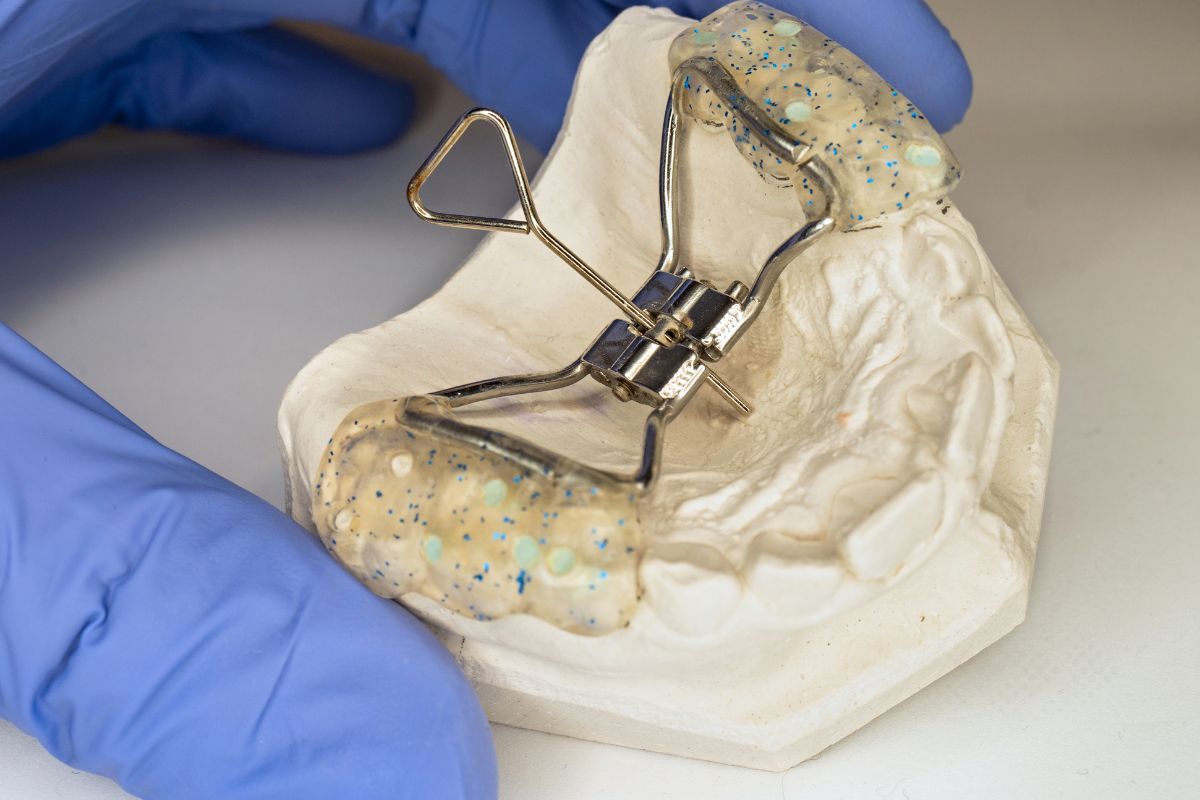
A palate expander, also called a palatal expander, is an orthodontic appliance designed to widen a narrow upper jaw. It sits along the roof of the mouth and gradually applies controlled pressure to expand the upper dental arch.
Children often receive these appliances while their jaw is still developing. During growth, the upper jaw can respond more readily to carefully controlled orthodontic forces. The American Association of Orthodontists notes that palatal expansion can help address problems such as crossbite, severe crowding, and impacted teeth.
For families considering early orthodontic care, an Alpharetta pediatric dentist can also help monitor a child’s developing smile and determine when an orthodontic evaluation may be appropriate.
Why Would a Child Need a Palate Expander?
Not every child needs expansion treatment. An orthodontist recommends it only when the child’s jaw development, bite, or available space makes expansion appropriate.
Several concerns may lead to an evaluation.
Common Reasons Include:
- A narrow upper jaw
- Crossbite
- Significant crowding
- Limited space for permanent teeth
- Impacted teeth
- Certain bite problems
- Difficulty bringing the upper and lower teeth together correctly
A crossbite occurs when some upper teeth sit inside the corresponding lower teeth when the mouth closes. If an orthodontist identifies this problem during growth, expansion may help improve the relationship between the upper and lower jaws.
Early Evaluation Can Help
The American Association of Orthodontists recommends that children have an orthodontic evaluation by age seven. This does not mean every seven-year-old needs treatment. Instead, the evaluation allows an orthodontist to observe jaw growth, tooth eruption, and developing bite concerns.
Early evaluation can help determine whether your child needs treatment now, later, or not at all.
How Does a Palate Expander Work?
The roof of the mouth contains a central area where the two sides of the upper jaw meet. During childhood growth, an orthodontic appliance can apply gentle pressure to gradually widen the upper jaw.
Depending on the type of appliance, the orthodontist may adjust it gradually according to a specific schedule.
The process generally involves:
- Examining your child’s teeth and jaw.
- Determining whether expansion would help.
- Selecting an appropriate appliance.
- Fitting the appliance to your child’s mouth.
- Following an adjustment schedule when required.
- Monitoring progress through follow-up visits.
- Allowing time for the expanded jaw to stabilize.
Your child’s exact treatment plan will depend on their age, jaw development, bite, and orthodontic needs.
What Happens During the First Appointment?
Parents often worry that getting an expander means their child will immediately undergo a complicated procedure.
In reality, the first step usually involves an evaluation.
The orthodontist may examine:
- The width of the upper jaw
- Tooth alignment
- Bite relationship
- Tooth eruption
- Available space
- Jaw growth
- Facial development
- Any signs of crowding or impacted teeth
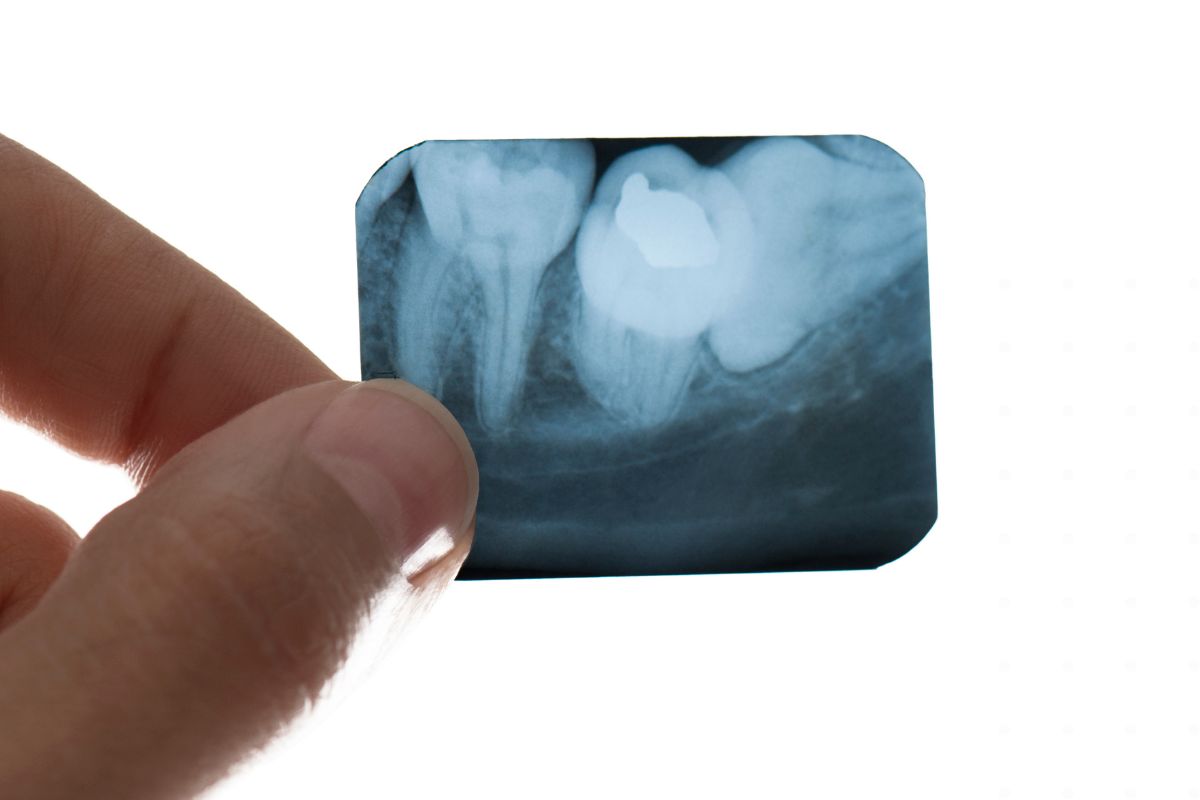
The orthodontist may also use photographs, digital scans, or X-rays when appropriate.
After the evaluation, the orthodontist can explain whether expansion makes sense and what the next steps would involve.
What Does the Appliance Look Like?
The appearance varies depending on the type.
Some expanders attach to the upper back teeth and sit along the roof of the mouth. Others may have removable components.
Your orthodontist chooses the design based on your child’s specific needs.
For children, the appliance may feel unusual at first because the tongue encounters something new in the mouth. However, most children gradually adapt as they become familiar with it.
Will a Palate Expander Hurt?
This is one of the most common questions parents ask.
A child may experience pressure, mild soreness, or a feeling of fullness when they first receive the appliance or after an adjustment. These sensations generally improve as the mouth adapts.
The American Association of Orthodontists explains that temporary changes can include mild tenderness, increased saliva, and speech changes while the child adjusts.
Severe or persistent pain is not something parents should simply ignore.
If your child experiences significant discomfort, contact the orthodontic team and explain what is happening.
What Will My Child Feel at First?
During the first few days, your child may notice that the appliance feels strange.
They might describe:
- Pressure around the upper teeth
- A full feeling in the roof of the mouth
- Mild tenderness
- More saliva than usual
- Difficulty pronouncing certain words
- A feeling that the tongue has less room
These changes can make children nervous at first.
Reassure your child that learning to speak and eat with a new appliance takes some practice.
Can a Palate Expander Affect Speech?
Yes, a child may notice a temporary change in speech.
Because the appliance occupies some space along the roof of the mouth, the tongue needs time to adjust. Your child may develop a slight lisp or have trouble pronouncing certain sounds initially.
Fortunately, this usually improves as the mouth adapts.
Encourage your child to speak normally rather than avoiding conversation. Reading aloud for a few minutes each day can also provide extra practice.
If speech changes continue or seem unusual, mention them during the next orthodontic appointment.
What Can My Child Eat?
Eating may feel different during the first few days.
Soft foods often provide an easier transition while your child gets used to the appliance.
Kid-Friendly Options Include:
- Yogurt
- Scrambled eggs
- Pasta
- Rice
- Soft fruits
- Applesauce
- Mashed potatoes
- Oatmeal
- Soft vegetables
- Smooth soups
- Tender chicken
- Soft sandwiches
Your orthodontist may recommend avoiding particularly hard or sticky foods because they can damage an appliance.
As your child adjusts, they can usually return to a broader range of foods according to their orthodontist’s instructions.
Why Cleaning Matters
An expander can create additional areas where food particles and plaque collect.
Therefore, your child needs to pay extra attention to cleaning around the appliance.
Encourage Your Child to:
- Brush carefully around the appliance.
- Clean along the gumline.
- Follow the orthodontist’s cleaning instructions.
- Rinse when appropriate.
- Clean around hard-to-reach areas.
- Attend scheduled checkups.
The American Association of Orthodontists recommends careful brushing and cleaning around a palatal expander because food and plaque can accumulate around the appliance.
You may need to help younger children with cleaning until they can manage the routine independently.
What Is the Adjustment Process Like?
Some expanders include a small mechanism that the orthodontist or parent adjusts according to a specific schedule.
If your child’s appliance requires activation at home, the orthodontist will provide detailed instructions.
Parents should never guess how often to make adjustments.
The schedule may vary depending on:
- Your child’s age
- Jaw development
- The type of appliance
- The amount of expansion needed
- The orthodontist’s treatment plan
Follow the exact instructions provided by your child’s orthodontic team.
How Long Does Treatment Take?
There is no single timeline for every child.
Some children may need expansion for a relatively short period, while others require a longer treatment period. The American Association of Orthodontists explains that the timeline depends on the individual patient and treatment plan.
Cleveland Clinic notes that the active expansion phase can take several weeks to months, depending on factors such as age and the severity of the problem. After expansion, the appliance may remain in place for additional time to allow the jaw to stabilize.
Your child’s orthodontist can provide a more useful estimate after evaluating their mouth and jaw.
Why Does the Appliance Stay After Expansion?
Parents may wonder why the orthodontist does not remove the expander immediately after achieving the desired width.
The answer involves stability.
The jaw needs time to adapt to its new position. Keeping the appliance in place for a period can help stabilize the expansion before the next stage of treatment.
Removing it too early could allow unwanted movement.
Therefore, follow-up visits remain important even after your child reaches the desired expansion.
Will My Child Need Braces After Expansion?
Possibly, but not every child follows the same treatment path.
A palate expander focuses primarily on widening the upper jaw. Braces or another orthodontic appliance may later help align individual teeth.
The American Association of Orthodontists explains that braces are often used after expansion to optimize tooth and jaw alignment once the appropriate stage of dental development has been reached.
Your child’s orthodontist will decide whether additional treatment makes sense.
Expansion and Braces Have Different Jobs
Think of the treatment in simple terms:
- Expansion: Creates appropriate width and space in the upper jaw.
- Braces: Move individual teeth into better positions.
- Retention: Helps maintain the result after active treatment.
These steps may occur at different stages depending on your child’s needs.
What Parents Can Do to Make Treatment Easier
Children often respond better when parents treat orthodontic care as a normal part of growing up.
Instead of focusing on what your child cannot do, explain what the appliance is helping accomplish.
Try These Simple Strategies:
- Explain the appliance using age-appropriate language.
- Follow the adjustment schedule carefully.
- Prepare soft meals during the first few days.
- Help your child clean around the appliance.
- Keep appointments on schedule.
- Encourage your child when speech feels difficult.
- Praise consistent cleaning habits.
- Remind your child that adjustment takes time.
A positive attitude at home can make the process easier.
What Problems Should Parents Report?
Most children adjust well, but parents should contact the orthodontic team if something seems unusual.
Call the office if your child experiences:
- Severe or persistent pain
- A broken appliance
- A loose component
- A sharp area that repeatedly irritates the mouth
- Significant swelling
- Difficulty eating that does not improve
- An appliance that no longer fits correctly
- Concerns about the activation process
Do not attempt to repair or modify the appliance yourself.
An orthodontist can determine whether the device needs an adjustment or repair.
Does Age Matter?
Age can influence expansion treatment because the upper jaw continues developing during childhood and adolescence.
The American Association of Orthodontists notes that palatal expansion works particularly well during growth, when the upper jaw is still developing.
That is one reason early orthodontic evaluations can be valuable.
However, age alone does not determine whether a child needs an expander. The orthodontist must consider the child’s skeletal development, bite, dental eruption, and overall treatment needs.
Why Early Orthodontic Evaluation Matters
Some orthodontic problems become easier to manage when an orthodontist identifies them during growth.
For example, a narrow upper jaw may contribute to crowding or crossbite. If an orthodontist identifies the concern early, expansion may help create a better foundation for future tooth alignment.
The goal is not necessarily to begin treatment immediately.
Sometimes the best plan involves monitoring your child’s growth and waiting until the timing is right.
Personalized Orthodontic Care in Alpharetta
Every child’s smile develops differently. One child may need expansion, while another may have adequate jaw width and require a different approach.
At Crabapple Pediatric Dentistry & Orthodontics, families in Alpharetta have access to both pediatric dental and orthodontic care. The practice emphasizes personalized treatment and a welcoming, child-friendly experience.
Dr. Javid Yavari, an orthodontist at the practice, describes his work as a way to help patients develop healthy, beautiful smiles while improving confidence and self-esteem. Dr. Behnaz “Dr. Bennie” Yavari-Kasravi is also an orthodontist at the practice and focuses on precision, innovation, and personalized patient care.
For younger children, Dr. Allison Petty provides pediatric dental care with a gentle approach designed to make appointments positive and comfortable.
This combination can make it easier for families to monitor their child’s oral health while addressing orthodontic concerns at the appropriate stage.
Questions Parents Should Ask the Orthodontist
Before treatment begins, parents should feel comfortable asking questions.
Consider discussing:
About the Need for Expansion
- Why does my child need an expander?
- Is the issue related to jaw width, crowding, or bite?
- What could happen if we wait?
- Is early treatment necessary?
About Daily Care
- How should my child clean the appliance?
- Which foods should they avoid?
- Does the appliance require home adjustments?
- What should I do if the appliance breaks?
About the Timeline
- How long will active expansion take?
- How long will the appliance remain in place?
- Will my child need braces afterward?
- What happens after expansion?
Clear answers can help your family feel more prepared.
Final Thoughts on Palate Expanders
Palate expanders can help create a healthier foundation for a child’s developing smile when the upper jaw is too narrow or when certain bite and spacing concerns exist. The appliance gradually widens the upper jaw, and orthodontists often use expansion during childhood growth when the jaw is still developing.
For parents, the biggest part of the process involves helping their child adjust. Mild pressure, temporary speech changes, increased saliva, and a strange feeling in the mouth can occur during the adjustment period. Good cleaning habits, appropriate food choices, careful attention to instructions, and regular orthodontic visits can make the experience easier.
Most importantly, not every child needs a palate expander. An orthodontic evaluation can determine whether expansion makes sense based on your child’s individual development.
At Crabapple Pediatric Dentistry & Orthodontics, Dr. Javid Yavari and Dr. Behnaz “Dr. Bennie” Yavari-Kasravi provide orthodontic care in Alpharetta, while Dr. Allison Petty focuses on pediatric dental care.
If you are concerned about your child’s jaw development, crowding, crossbite, or available space for permanent teeth, schedule your appointment at Crabapple Pediatric Dentistry & Orthodontics to discuss whether an orthodontic evaluation is appropriate. You can also visit our dental office for location information.