770-664-1999

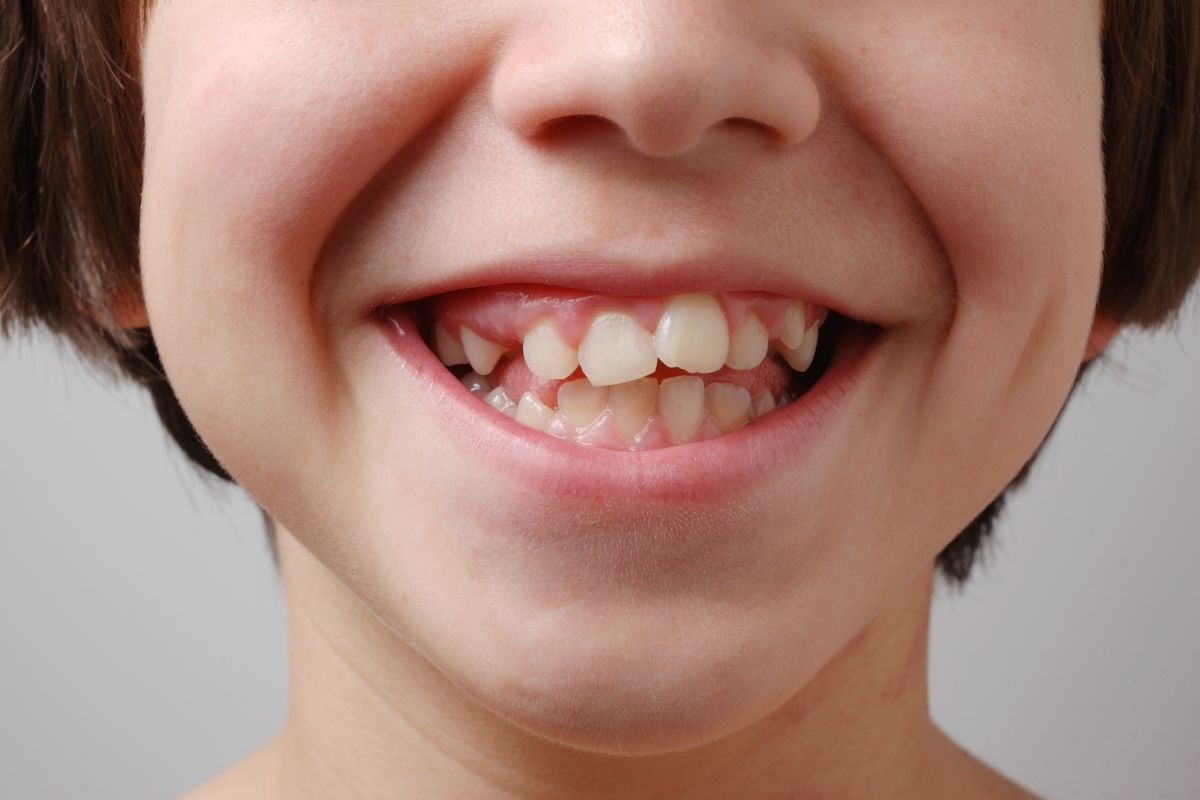
Protruding front teeth in children can make parents wonder whether their child’s bite is developing normally or whether treatment may help. In some cases, the upper front teeth simply appear more prominent during a stage of growth. However, teeth that extend far forward may increase the chance of injury and affect biting. At Crabapple Pediatric Dentistry & Orthodontics in Alpharetta, parents can discuss their child’s tooth alignment and learn whether monitoring or an orthodontic assessment makes sense.
The right approach depends on the child’s age, jaw growth, habits, and the amount of tooth protrusion. Therefore, parents should not assume that every child needs braces or that treatment must begin immediately.
Why Do Front Teeth Stick Out in Children?
Several factors can contribute to upper front teeth that extend forward. Sometimes, the teeth themselves tilt outward. In other cases, the relationship between the upper and lower jaws creates the appearance of protrusion.
Common contributing factors include:
- Jaw growth differences: The upper jaw may sit farther forward than the lower jaw, or the lower jaw may develop in a way that changes the bite.
- Tooth position: The upper front teeth may angle outward even when the jaws have a relatively balanced relationship.
- Thumb sucking: Frequent or prolonged thumb sucking can influence tooth position and the shape of the developing bite.
- Pacifier use: Persistent pacifier habits beyond the early years may affect how the front teeth meet.
- Tongue and oral habits: Certain repeated habits can contribute to changes in tooth position.
- Inherited traits: Family patterns may influence jaw size, tooth size, and alignment.
These factors do not affect every child in the same way. For example, some children stop a habit and experience changes as they grow, while others continue to have a bite problem that needs assessment.
Parents seeking an Alpharetta pediatric dentist can discuss their child’s development and ask whether an orthodontic consultation may be helpful.
What Problems Can Protruding Front Teeth Cause?
Prominent upper front teeth do not always cause pain or interfere with daily activities. Nevertheless, the degree of protrusion and the way the teeth meet can matter.
Greater risk of dental injury
Front teeth that extend outward may have less protection from the lips during a fall or sports accident. As a result, these teeth may face a greater risk of chipping, cracking, or being knocked out.
This risk is especially relevant for active children who play sports or enjoy playground activities. A properly fitted mouthguard can help protect the teeth during many sports.
Difficulty biting into food
Some children struggle to bring the upper and lower front teeth together in a useful way. Consequently, biting into foods such as apples or sandwiches may feel awkward.
If your child consistently avoids certain foods or uses the side teeth to compensate, mention this pattern during a dental visit.
Lip closure and comfort
In some cases, protruding teeth make it harder for a child to close the lips comfortably at rest. However, lip posture alone does not confirm an orthodontic problem.
A dentist can assess the teeth, jaw relationship, and oral function before suggesting any treatment.
Confidence and social concerns
Children may become self-conscious about noticeable tooth alignment. Parents can respond with reassurance rather than criticism. Moreover, a dental evaluation can help families understand what is normal and what options may exist.
When Should a Child Have an Orthodontic Evaluation?
Parents do not need to wait until all permanent teeth appear before asking about alignment. The American Association of Orthodontists recommends an initial orthodontic check no later than age seven. At this stage, a specialist can identify developing problems even when many baby teeth remain.
An early check does not mean that treatment will begin right away. Instead, it helps determine whether the child needs monitoring, early intervention, or a later review.
Consider seeking an evaluation if your child has:
- Front teeth that extend noticeably beyond the lower teeth.
- Frequent falls or injuries involving the front teeth.
- Difficulty biting into food.
- A bite that looks uneven when the mouth closes.
- Persistent thumb sucking or another oral habit.
- Trouble closing the lips comfortably.
- A family history of significant bite problems.
Seek prompt dental care if a tooth becomes loose, breaks, or shifts after an injury. If the injury causes severe pain or facial swelling, contact a dental professional urgently.
What Treatment Options Are Available?
The best treatment depends on the cause and severity of the protrusion. Some children need no immediate treatment, while others may benefit from early orthodontic care.
Monitoring growth
When the concern is mild, a dental professional may recommend periodic checks. This approach allows the team to follow tooth eruption and jaw growth without starting treatment too early.
However, monitoring should include a clear follow-up plan. Parents should know when to return and which changes to watch for.
Addressing oral habits
If thumb sucking or pacifier use contributes to the bite problem, helping the child stop the habit may reduce continued pressure on developing teeth. Positive encouragement often works better than punishment.
Habit changes alone may not reverse existing tooth movement. Therefore, a professional should assess whether the bite needs further attention.
Braces
Braces can move teeth into improved positions and help correct certain bite problems. The dentist or orthodontist considers the child’s tooth development, jaw relationship, and treatment goals before recommending them.
Some children begin treatment while baby teeth remain. Others benefit from waiting until more permanent teeth have erupted.
Other orthodontic appliances
In selected cases, an orthodontist may recommend an appliance designed to address a specific alignment or bite concern. The choice depends on the child’s growth and the problem being treated.
Not every appliance suits every child. Follow the treatment team’s instructions carefully and attend recommended review visits.
What Parents Can Do Before Treatment Begins
Parents can support healthy dental development while the care team determines the next steps.
- Use protective equipment: Encourage a properly fitted mouthguard for sports where dental injuries may occur.
- Support good oral hygiene: Help your child brush twice daily with fluoride toothpaste and clean between the teeth as recommended.
- Avoid unsafe home remedies: Never use bands, string, or other objects to pull teeth into position.
- Discuss habits calmly: Work with your child to address persistent thumb sucking without shame.
- Keep routine dental visits: Regular checks help the team track changes and spot new concerns.
In addition, take photographs only if they help you explain changes to the dentist. Pictures cannot replace an examination, but they may help show how the teeth have changed over time.
How the Dental Team Decides on Timing
Orthodontic treatment involves more than making the front teeth look straighter. The team must consider tooth position, jaw growth, the health of the teeth and gums, and the child’s ability to follow instructions.
For example, a child with a severe bite problem and a high risk of injury may need a different plan from a child whose teeth appear prominent but function well. Likewise, treatment that works during one stage of growth may not suit another.
The goal is to recommend care when it offers a clear benefit, not to start treatment simply because the teeth look different.
Front teeth that stick out can reflect tooth position, jaw development, oral habits, or a combination of factors. Although some children only need observation, others may benefit from early orthodontic guidance to manage bite concerns or reduce injury risk. A professional evaluation helps families understand the cause and choose an appropriate plan.
For guidance tailored to your child, contact Crabapple Pediatric Dentistry & Orthodontics in Alpharetta and Schedule your appointment to discuss protruding front teeth and possible treatment options.