770-664-1999

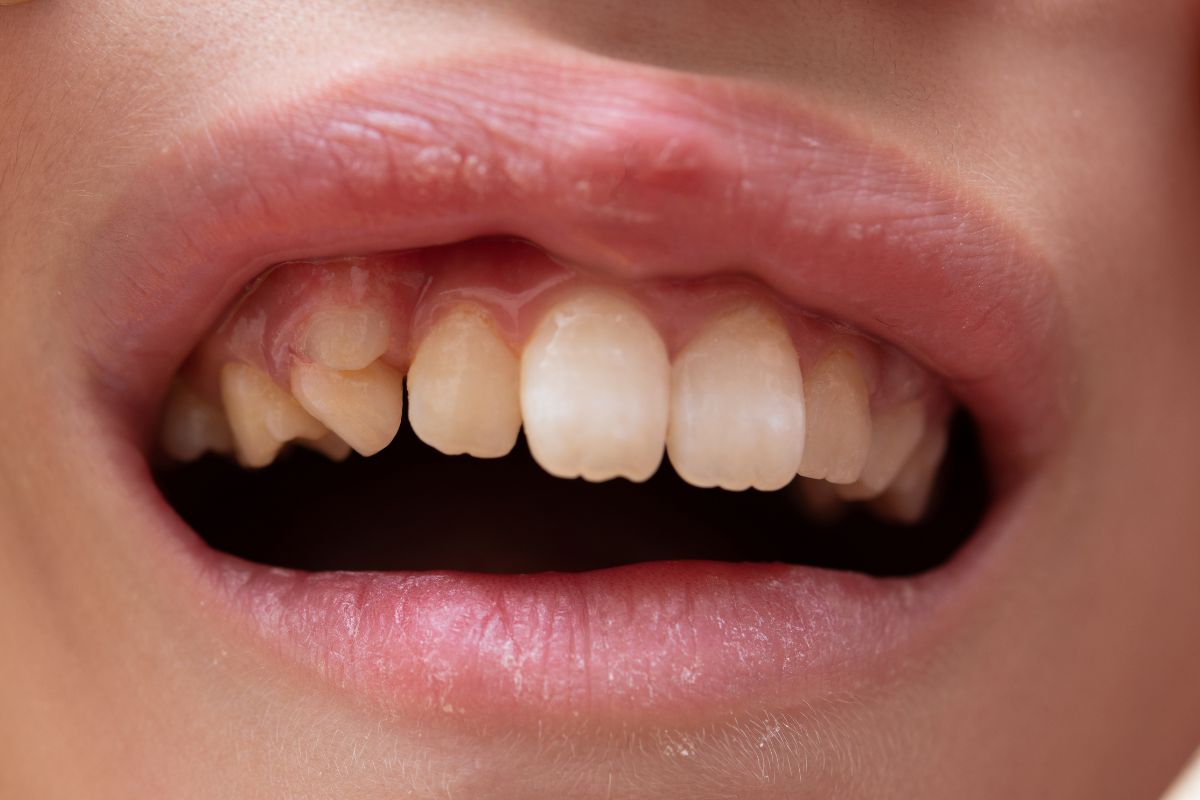
A child having difficulty chewing due to crooked teeth may struggle with everyday meals, avoid certain foods, or complain that biting feels uncomfortable. Although children lose baby teeth and develop permanent teeth at different ages, ongoing trouble with chewing deserves attention. At Crabapple Pediatric Dentistry & Orthodontics in Alpharetta, parents can seek guidance about tooth alignment, bite development, and the next steps that may help their child eat more comfortably.
Crooked teeth do not always cause problems. However, when teeth do not meet properly, they can affect how a child bites, chews, and cleans their mouth. Understanding the possible causes helps parents decide when to seek an evaluation.
How Crooked Teeth Can Affect a Child’s Ability to Chew
Chewing works best when the upper and lower teeth meet in a balanced way. However, crowded teeth, gaps, or a misaligned bite can make it harder for a child to break food into smaller pieces.
Some children adapt without noticing a problem. Others may take longer to finish meals, chew on only one side, or avoid foods that require more effort.
Parents may notice signs such as:
- Difficulty biting into apples, sandwiches, or other firm foods.
- Chewing that seems unusually slow or uneven.
- Food frequently getting trapped between crowded teeth.
- Complaints of discomfort when biting down.
- A jaw that shifts to one side during chewing.
- Avoiding foods with certain textures.
These signs do not automatically mean crooked teeth are responsible. For example, tooth decay, loose baby teeth, gum irritation, and jaw discomfort can also affect eating. Therefore, a dental examination can help identify the actual cause.
If you are looking for an Alpharetta pediatric dentist, a professional evaluation can help determine whether tooth alignment, dental health, or another concern may explain your child’s symptoms.
What Types of Tooth Alignment Problems Can Affect Chewing?
Several dental and bite conditions may interfere with comfortable chewing. The right explanation depends on your child’s age, tooth development, and symptoms.
Crowded teeth
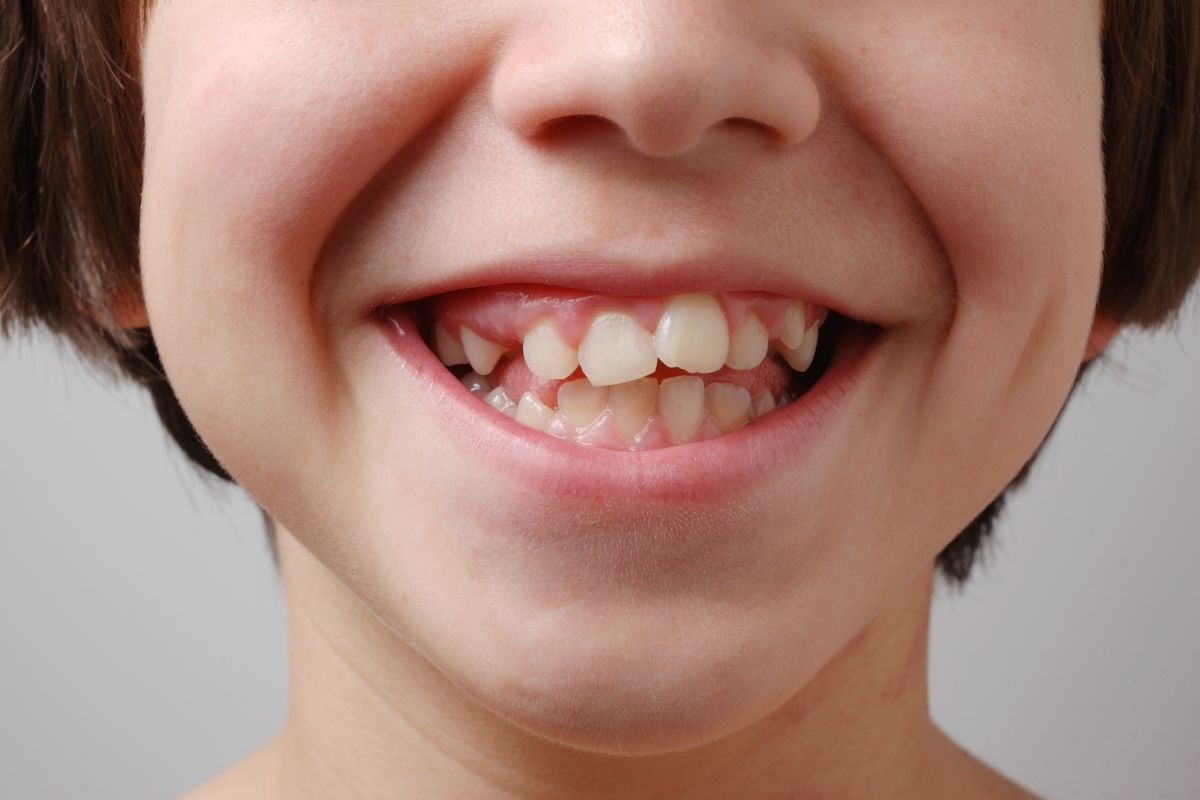
Crowding happens when the jaw does not provide enough room for all the teeth to line up comfortably. As a result, teeth may overlap or rotate.
Crowded teeth can make it difficult to clean certain areas. In some cases, they may also prevent the upper and lower teeth from meeting evenly when a child bites.
Overbite or underbite
An overbite describes a vertical overlap of the upper front teeth over the lower front teeth. A certain amount of overlap is normal. However, a deep overbite may cause the lower front teeth to contact the roof of the mouth or nearby gum tissue.
An underbite occurs when the lower front teeth sit in front of the upper front teeth. Depending on its severity, this relationship may affect biting into food and how the teeth meet during chewing.
Crossbite
A crossbite occurs when some upper teeth sit inside the lower teeth instead of outside them. Consequently, a child may shift the jaw to one side to bring the teeth together.
A dental professional can assess whether a crossbite affects the bite or jaw development. Early evaluation may help identify whether monitoring or treatment is appropriate.
Open bite
With an open bite, certain upper and lower teeth do not touch when the child closes their mouth. Front teeth may leave a gap even when the back teeth meet.
As a result, biting into foods such as pizza or a sandwich may become more difficult. The cause may involve tooth position, jaw development, or oral habits.
When Should Parents Seek a Dental Evaluation?
Occasional awkward chewing may happen while a child adjusts to a loose baby tooth or a newly erupted permanent tooth. Still, persistent difficulty deserves attention.
Consider arranging an evaluation if your child:
- Frequently struggles to bite through ordinary foods.
- Reports repeated pain during chewing.
- Has visibly overlapping teeth or an uneven bite.
- Chews almost exclusively on one side.
- Develops sores where teeth contact the cheeks or gums.
- Avoids a growing range of foods because biting feels difficult.
Seek prompt care for significant pain or injury. Facial swelling, fever with dental pain, or difficulty swallowing needs urgent professional attention. Trouble breathing or swallowing requires emergency medical care.
Meanwhile, avoid trying to correct tooth positions at home. Children need a proper assessment before anyone can recommend an appropriate treatment.
How a Dentist Evaluates Chewing and Bite Problems
A dental visit usually begins with questions about the child’s symptoms, eating habits, and dental history. The dentist may ask when the problem started and whether it occurs with specific foods.
Next, the dentist examines the teeth, gums, and bite. They may check how the upper and lower teeth meet, whether the jaw moves evenly, and whether any teeth show signs of decay or damage.
Depending on the findings, the evaluation may include:
- Tooth and gum examination: Checks for cavities, inflammation, damaged teeth, or other sources of discomfort.
- Bite assessment: Looks at how the teeth meet during biting and chewing.
- Growth assessment: Reviews the child’s stage of dental development.
- Dental imaging, when needed: Helps evaluate tooth position or structures that are not visible during a routine examination.
Not every child needs X-rays or orthodontic treatment. Instead, the dental team recommends further assessment only when the findings support it.
What Treatment Options May Help?
Treatment depends on the cause, the child’s age, and how much the problem affects daily life. In some cases, simple dental care can address the discomfort.
Treating an underlying dental problem
If decay, a damaged tooth, or gum inflammation causes pain, treating that issue may improve chewing. However, it will not necessarily correct an underlying bite problem.
Monitoring tooth development
Children’s mouths change as baby teeth fall out and permanent teeth appear. Therefore, a dentist may recommend periodic checks when alignment concerns are mild and do not affect function.
Monitoring allows the team to observe changes before recommending a treatment.
Orthodontic evaluation
If the bite interferes with chewing or the teeth have significant alignment problems, an orthodontic evaluation may help clarify the available options. Depending on the child’s needs, treatment may involve braces, selected orthodontic appliances, or a plan to reassess development later.
Early treatment is not necessary for every child with crooked teeth. The goal is to identify problems that warrant attention and choose the right timing.
How Parents Can Support Comfortable Eating at Home
While waiting for an evaluation, parents can make mealtimes more comfortable without attempting to change the child’s bite.
- Offer suitable textures: Choose foods your child can chew comfortably.
- Cut firm foods into smaller pieces: This may reduce the effort needed to take a bite.
- Encourage gentle brushing: Help your child clean crowded areas carefully.
- Observe chewing habits: Note whether your child favors one side or avoids certain foods.
- Avoid forcing painful foods: Persistent discomfort deserves investigation rather than repeated attempts to push through it.
These measures can help with comfort, but they do not replace professional care. In addition, do not give your child an orthodontic appliance or attempt to move teeth without guidance from a qualified professional.
Difficulty biting or chewing may result from crooked teeth, a bite problem, tooth decay, or another concern. Although some alignment changes are a normal part of childhood, ongoing discomfort and eating difficulties deserve a closer look. An evaluation can help identify the cause and determine whether treatment, monitoring, or routine dental care is appropriate.
For personalized guidance, contact Crabapple Pediatric Dentistry & Orthodontics in Alpharetta and Schedule your appointment to discuss your child’s chewing and bite concerns.