770-664-1999

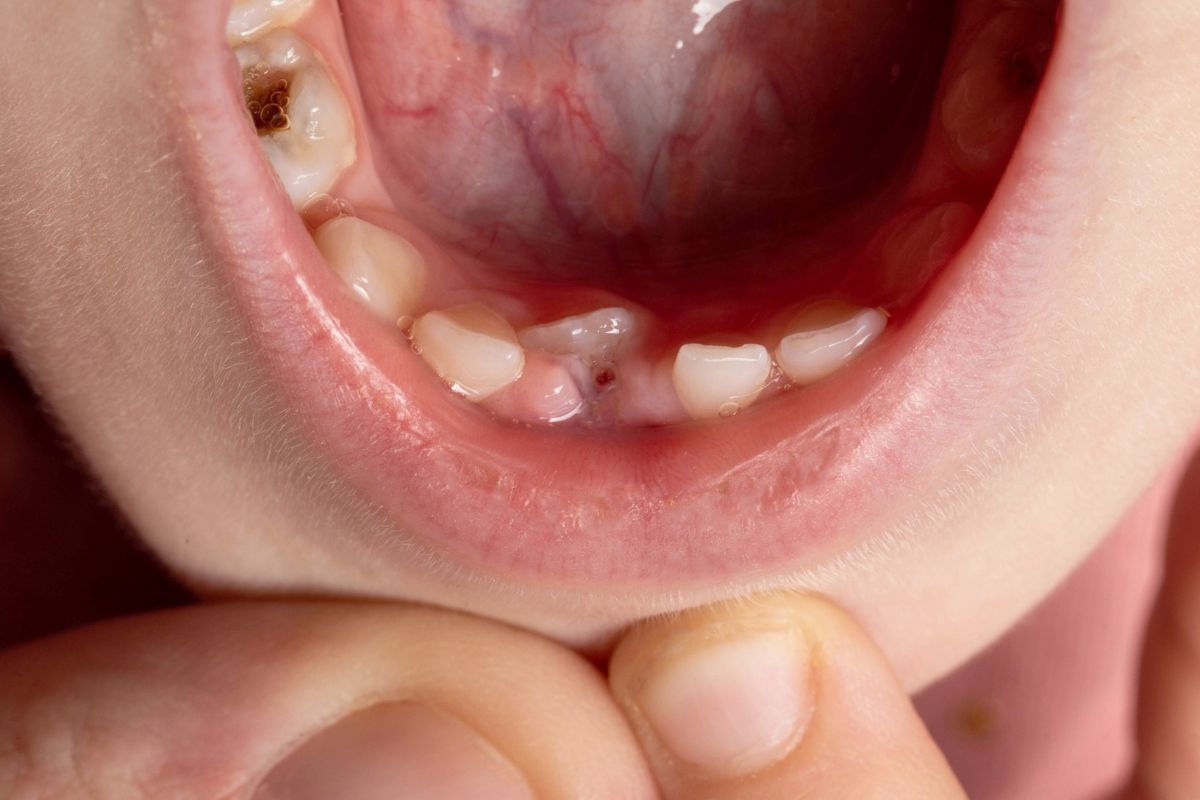
A permanent tooth coming in behind baby teeth can surprise parents, especially when a second row of teeth seems to appear inside the mouth. This often happens with the lower front teeth as children begin losing their baby teeth. At Crabapple Pediatric Dentistry & Orthodontics in Alpharetta, parents can get guidance on whether the new tooth is following a common eruption pattern or needs closer attention.
In many children, the baby tooth becomes loose and eventually falls out, allowing the permanent tooth to move forward. However, the timing varies, and some children need help if the baby tooth remains firmly in place or the new tooth causes discomfort.
Why Does a Permanent Tooth Grow Behind a Baby Tooth?
Permanent teeth develop beneath or near the roots of baby teeth. As a permanent tooth grows, it usually triggers changes that help the baby tooth loosen and fall out.
However, the permanent tooth does not always emerge directly beneath the baby tooth. Sometimes, it appears behind the baby tooth before the older tooth falls out. Parents often call this a double row of teeth.
This pattern commonly affects the lower front teeth. It can also occur in other areas of the mouth, although the cause and significance depend on the tooth involved.
If you need an assessment of your child’s bite or tooth development, a dentist can check the eruption pattern and explain whether an orthodontic opinion may be useful. For children who may need further assessment, orthodontic treatment in Alpharetta can be discussed as part of an individualized care plan.
Is a Double Row of Teeth Normal?
In many cases, a permanent tooth appearing behind a baby tooth is a temporary stage of development. As the baby tooth loosens and falls out, the permanent tooth may gradually move toward a more typical position.
Still, parents should not assume every case will resolve in the same way. The dentist considers the child’s age, how loose the baby tooth is, the location of the permanent tooth, and whether the child has pain or swelling.
Common signs that may accompany this stage include:
- A permanent tooth visible behind a baby tooth.
- A baby tooth that feels loose.
- Mild tenderness around the loose tooth.
- A crowded appearance near the lower front teeth.
- A change in the child’s bite as the new tooth emerges.
Mild changes can occur during normal tooth eruption. However, persistent pain, swelling, or a baby tooth that remains firmly attached deserves a professional assessment.
What Should Parents Do When the New Tooth Appears?
The best first step is to observe the area without trying to force the baby tooth out. If the baby tooth is already loose, it may fall out naturally during normal eating or gentle movement with the tongue.
Parents can help by following these simple steps:
- Keep the area clean: Help your child brush around both teeth carefully.
- Allow natural loosening: Do not pull a baby tooth that remains firmly attached.
- Watch for discomfort: Note pain, swelling, bleeding, or trouble eating.
- Arrange an evaluation when needed: A dentist can check whether the tooth is following a normal pattern.
- Avoid home tools: Never use string, pliers, or other objects to remove a tooth.
If your child has significant pain, facial swelling, fever, or difficulty swallowing, seek prompt professional care. Difficulty breathing or swallowing requires emergency attention.
When Might a Dentist Need to Remove the Baby Tooth?
Sometimes, the baby tooth does not loosen as expected. If it blocks the permanent tooth or remains firmly in place, the dentist may recommend removal.
However, removal is not automatic. The dentist first checks the tooth, surrounding gums, and the position of the permanent tooth. The child’s age and development also matter.
A dentist may recommend monitoring when the baby tooth has begun to loosen and the permanent tooth appears to be emerging normally. On the other hand, if the baby tooth remains stable and the new tooth continues to emerge behind it, the dentist may discuss whether removing the baby tooth could help.
Parents should avoid making this decision based on appearance alone. A second row of teeth can look concerning, but a clinical examination provides better information.
Will the Permanent Tooth Move Into the Correct Position?
In many children, the permanent tooth moves forward after the baby tooth falls out. Pressure from the lips and tongue, along with normal growth, may help the tooth settle into a more typical position over time.
However, there is no guarantee that every tooth will align without help. The available space, the size of the teeth, jaw development, and the position of nearby teeth all influence the outcome.
A dentist may recommend monitoring the tooth over time. If crowding or a bite problem persists, an orthodontic evaluation can help determine whether treatment may be useful.
Importantly, a single tooth emerging behind a baby tooth does not automatically mean a child needs braces. The goal is to evaluate the full bite and overall dental development rather than treat one visible change in isolation.
What If the Permanent Tooth Looks Crowded?
Crowding can occur when the jaw does not have enough space for the developing permanent teeth. Sometimes, the permanent tooth emerges behind a baby tooth because of its eruption path. In other cases, limited space contributes to the position.
A dental examination helps distinguish between a temporary eruption pattern and a broader alignment concern. The dentist may check whether other permanent teeth are erupting as expected and whether the bite appears balanced.
Depending on the findings, the care team may recommend:
- Routine observation as the baby tooth loosens.
- Removal of a baby tooth when clinically appropriate.
- Follow-up visits to monitor eruption.
- An orthodontic consultation if crowding or bite problems persist.
Treatment depends on the child’s needs. Parents should not try to push the new tooth forward with their fingers or use any device to move it.
Helping Your Child Feel Comfortable
Children may worry when they notice two teeth in the same area. Explain that permanent teeth sometimes appear before baby teeth fall out, and a dentist can check whether everything is progressing as expected.
Meanwhile, continue regular brushing with fluoride toothpaste and follow your dentist’s advice about cleaning around loose teeth. If the area feels tender, offer foods that your child can chew comfortably until the discomfort settles.
Avoid repeatedly wiggling a tooth that is not loose. Gentle care and professional guidance can help prevent unnecessary irritation.
A permanent tooth appearing behind a baby tooth is often a temporary stage, particularly around the lower front teeth. However, a baby tooth that does not loosen, ongoing pain, or persistent crowding may need professional attention. A dentist can assess the eruption pattern and determine whether monitoring, removal, or an orthodontic evaluation makes sense.
For guidance about your child’s developing teeth, contact Crabapple Pediatric Dentistry & Orthodontics in Alpharetta and Schedule your appointment to discuss permanent teeth emerging behind baby teeth.