770-664-1999

Understanding baby teeth vs. permanent teeth can help parents know what to expect as their child’s smile changes. At Crabapple Pediatric Dentistry & Orthodontics in Alpharetta, families receive personalized guidance as children move from their first little teeth to a healthy adult smile.
Your child’s smile changes quickly during the early years. One year, you may see a few tiny teeth, and a few years later, those same teeth may start falling out as adult teeth move into place. While this process usually follows a predictable pattern, every child develops at their own pace.
Knowing the general timeline can help you recognize normal changes and understand when to ask a dental professional about something that seems unusual.
Why Baby Teeth Matter
Some parents assume that temporary teeth do not matter because they eventually fall out. However, they play an important role in your child’s development.
Baby teeth help children:
- Chew food properly
- Develop clear speech
- Maintain space for adult teeth
- Support normal jaw development
- Learn good oral hygiene habits
- Build confidence in their smile
They also guide permanent teeth toward their proper positions. Therefore, taking care of these early teeth remains important even though they are not meant to last forever.
At Crabapple Pediatric Dentistry & Orthodontics, Dr. Allison Petty, a compassionate pediatric dentist, focuses on positive dental experiences for children while supporting their oral health as they grow. Her gentle approach can help parents understand changes in their child’s smile and keep daily dental care on track.
Baby Teeth vs. Permanent Teeth: What Is the Difference?
Baby teeth and adult teeth have several differences.
Children typically develop 20 primary teeth, while most adults have 32 permanent teeth, including wisdom teeth.
Primary teeth are also generally smaller and whiter than adult teeth. Permanent teeth tend to look slightly more yellow or creamy, which can be completely normal.
Key Differences Parents May Notice
Baby teeth:
- Usually appear during infancy
- Are smaller and lighter in color
- Total 20 in most children
- Eventually fall out
- Help maintain space for adult teeth
Permanent teeth:
- Begin replacing primary teeth during childhood
- Are larger and stronger
- Usually total 32 when wisdom teeth develop
- Need to last throughout adulthood
- Support long-term chewing and oral function
The transition happens gradually rather than all at once.
When Do Baby Teeth Usually Appear?
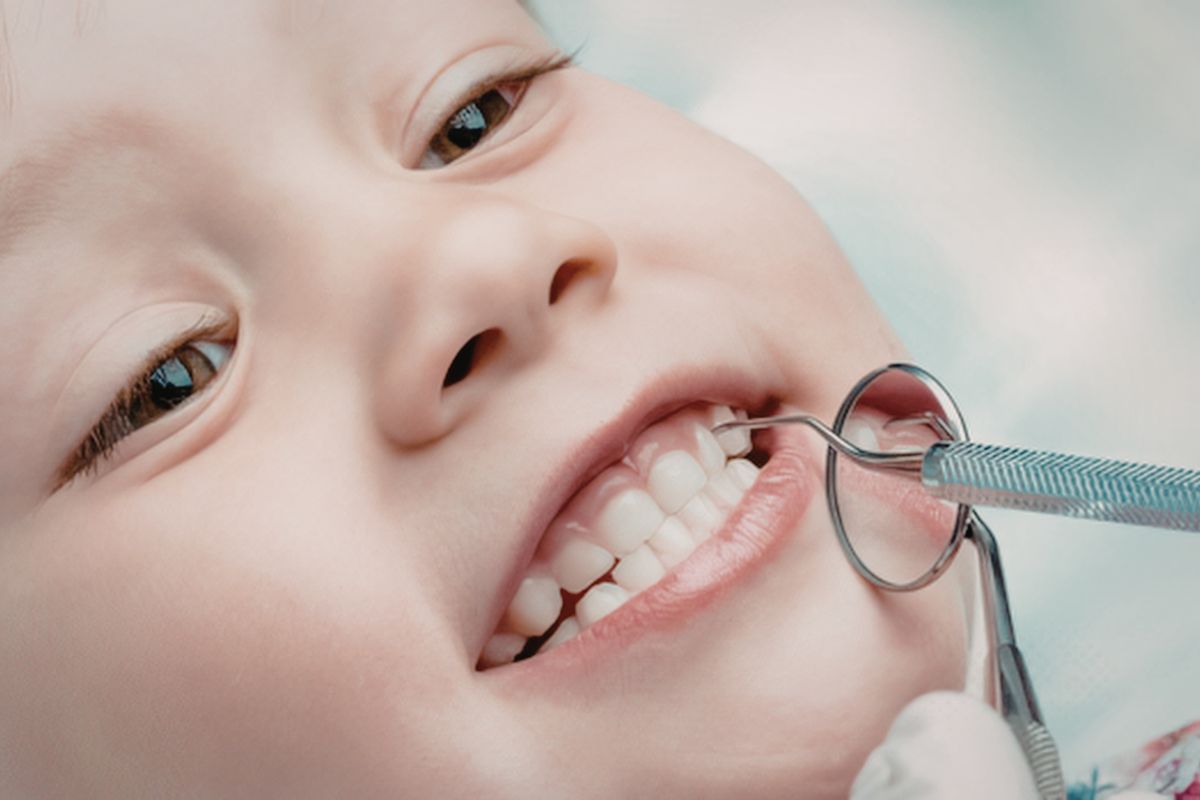
Most babies develop their first tooth around six months of age, although the timing can vary.
Some children show their first tooth earlier, while others may not have one until later. Parents should not compare their child’s development too closely with another child’s timeline.
A General Eruption Pattern
The lower front teeth often appear first. After that, the upper front teeth commonly follow.
Over the following months, additional teeth usually appear toward the back of the mouth.
By around age three, many children have a complete set of 20 primary teeth.
However, the exact timing can vary from child to child.
The Primary Teeth Timeline
Although individual development differs, parents can use this general pattern as a guide.
Around 6 to 12 Months
The first front teeth often begin to appear.
You may notice:
- Increased interest in chewing
- More drooling
- Mild gum irritation
- A small tooth emerging along the gumline
Some children experience very few symptoms during this stage.
Around 9 to 16 Months
Additional front teeth commonly appear.
At this point, your child may have several upper and lower teeth that help with biting and chewing.
This is also a good time to establish a consistent brushing routine.
Around 13 to 19 Months
The first molars often begin appearing.
These teeth sit farther toward the back of the mouth and help children chew food more effectively.
Around 16 to 23 Months
Canines commonly emerge during this period.
These teeth help children tear and bite food.
Around 23 to 33 Months
The second molars may appear.
Once these teeth come in, your child will usually have most or all of the 20 primary teeth.
What Happens Around Age 3?
By about age three, many children have their complete primary set.
At this stage, parents should focus on maintaining healthy daily habits.
Encourage your child to:
- Brush twice each day
- Use fluoride toothpaste as recommended
- Drink water regularly
- Limit frequent sugary snacks and drinks
- Avoid putting your child to bed with a bottle containing milk or juice
- Attend regular dental appointments
These habits help protect primary teeth until they naturally begin to loosen.
When Do Baby Teeth Start Falling Out?
The transition toward adult teeth usually begins around age six, although the exact timing varies.
Many children first lose their lower front teeth. The adult replacements then gradually emerge.
You may notice:
- A tooth becoming loose
- Your child wiggling it with their tongue
- A small amount of bleeding when it falls out
- An adult tooth appearing behind or near the baby tooth
This stage can look surprising, but it often forms part of normal development.
The Tooth Fairy Stage
Losing a first tooth can feel exciting for children.
Parents can make the experience positive by explaining that losing primary teeth creates room for their growing adult smile.
However, avoid pulling a loose tooth before it is ready unless a dental professional recommends removal.
The Permanent Teeth Timeline
Adult teeth begin developing beneath the gums long before they appear in the mouth.
Around age six, children often begin getting their first permanent molars. These teeth do not replace primary teeth. Instead, they emerge behind the existing back teeth.
The lower and upper front teeth also begin changing around this age.
Ages 6 to 8
During this period, children commonly experience several changes.
They may:
- Lose lower front teeth
- Lose upper front teeth
- Get their first permanent molars
- Develop noticeable gaps
- Experience changes in their bite
This stage can make a child’s smile look uneven for a while.
That does not necessarily indicate a problem.
Ages 8 to 12: More Changes Take Place
The transition continues throughout the elementary and early middle school years.
Children commonly lose additional primary teeth while permanent canines and premolars emerge.
This period deserves careful dental monitoring because crowding and spacing can become more noticeable.
Parents Should Watch for:
- Teeth coming in at unusual angles
- Significant crowding
- Large gaps
- Difficulty chewing
- Teeth that appear stuck beneath the gums
- Baby teeth that remain while adult teeth emerge
- Noticeable bite changes
If you notice any of these concerns, mention them during your child’s dental appointment.
Ages 12 to 13: Most Adult Teeth Are Present
By the early teenage years, most children have transitioned to their permanent set, except for wisdom teeth.
At this point, parents may notice a more mature smile developing.
However, the jaws and facial structures continue growing, so the overall bite can still change.
This stage can also be important for orthodontic evaluation.
At Crabapple Pediatric Dentistry & Orthodontics, Dr. Javid Yavari provides orthodontic care with a focus on healthy, beautiful smiles. His approach centers on helping patients improve their smiles while building self-esteem and confidence.
What About Wisdom Teeth?
Wisdom teeth are the final set of permanent teeth.
They commonly begin developing during the teenage years and may appear in late adolescence or early adulthood.
However, not everyone develops all four wisdom teeth.
Some people have fewer, while others do not develop them at all.
Why Monitoring Matters
Wisdom teeth can sometimes lack enough room to emerge properly.
This may cause:
- Crowding
- Gum irritation
- Difficulty cleaning the area
- Pain or swelling
- Pressure against nearby teeth
Your dental professional can monitor their development and recommend appropriate care when necessary.
Why Baby Teeth Should Not Be Ignored
Even though primary teeth eventually fall out, problems with them can affect a child’s comfort and development.
Untreated cavities can cause pain and may interfere with eating, sleeping, or normal daily activities.
In addition, losing a primary tooth too early can sometimes allow nearby teeth to shift into the empty space.
That movement may reduce the room available for the developing adult tooth.
Protecting Primary Teeth Matters
Parents can support healthy development by:
- Brushing their child’s teeth twice daily
- Helping younger children brush effectively
- Cleaning between teeth when appropriate
- Choosing nutritious snacks
- Limiting sugary drinks
- Scheduling regular dental checkups
- Asking about fluoride protection when appropriate
Small daily habits can make a meaningful difference.
What If an Adult Tooth Comes in Behind a Baby Tooth?
Parents sometimes notice an adult tooth emerging behind a primary tooth.
This can happen when the baby tooth has not fallen out yet.
In some cases, the primary tooth eventually loosens and falls out naturally. However, if the adult tooth continues emerging while the baby tooth remains firmly in place, your child’s dental professional should evaluate the situation.
Do not try to force the tooth out at home.
A professional can determine whether the tooth needs monitoring or additional care.
What If My Child Loses a Tooth Too Early?
Early tooth loss can happen because of injury, decay, or other factors.
When a primary tooth disappears too soon, nearby teeth may move toward the open space.
This can potentially affect the path of the developing permanent tooth.
Space Maintenance May Sometimes Help
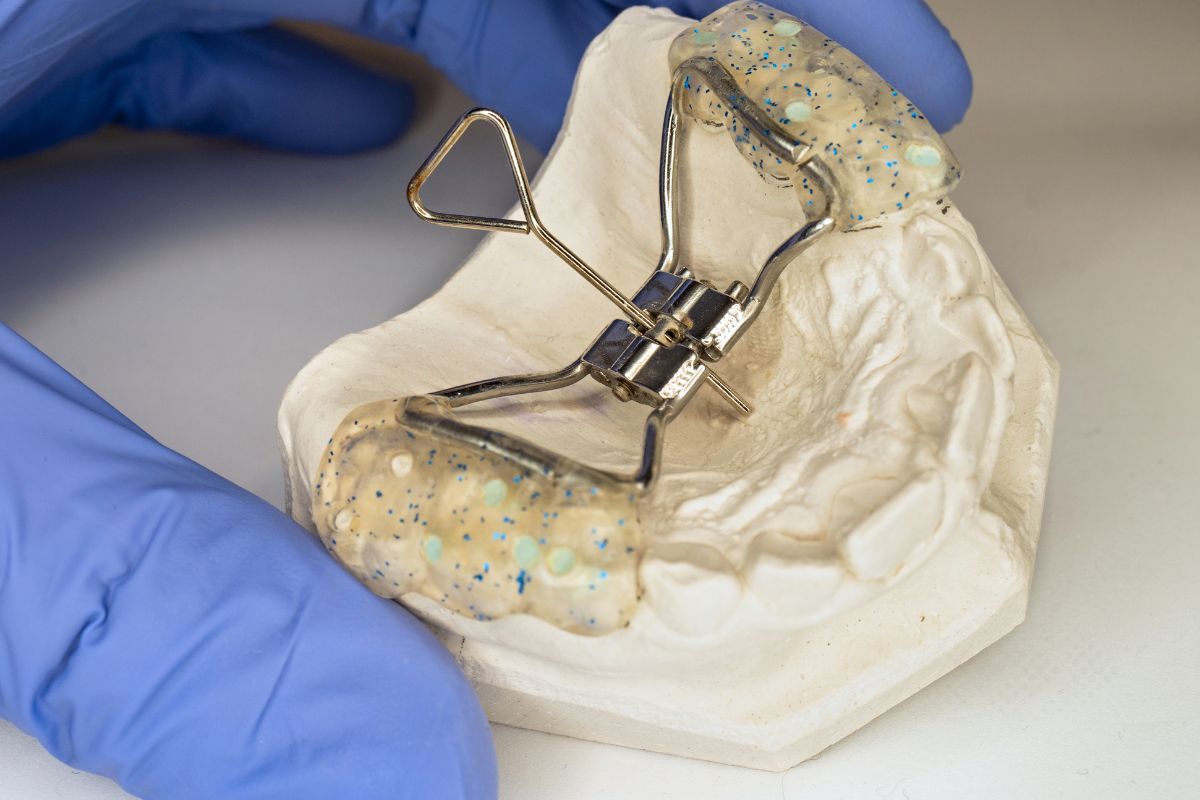
Depending on the child’s age and which tooth they lose, a dentist may recommend a space maintainer.
The purpose is to preserve room for the permanent replacement tooth.
Not every child who loses a baby tooth early needs one, so the decision should come from a dental professional after an evaluation.
How Pediatric Dental Visits Support the Timeline
Regular dental appointments allow professionals to monitor your child’s development rather than waiting until a concern becomes obvious.
During these visits, the dental team can assess:
- Tooth eruption
- Cavities
- Gum health
- Bite development
- Oral hygiene
- Jaw growth
- Spacing and crowding
- Habits that may affect oral development
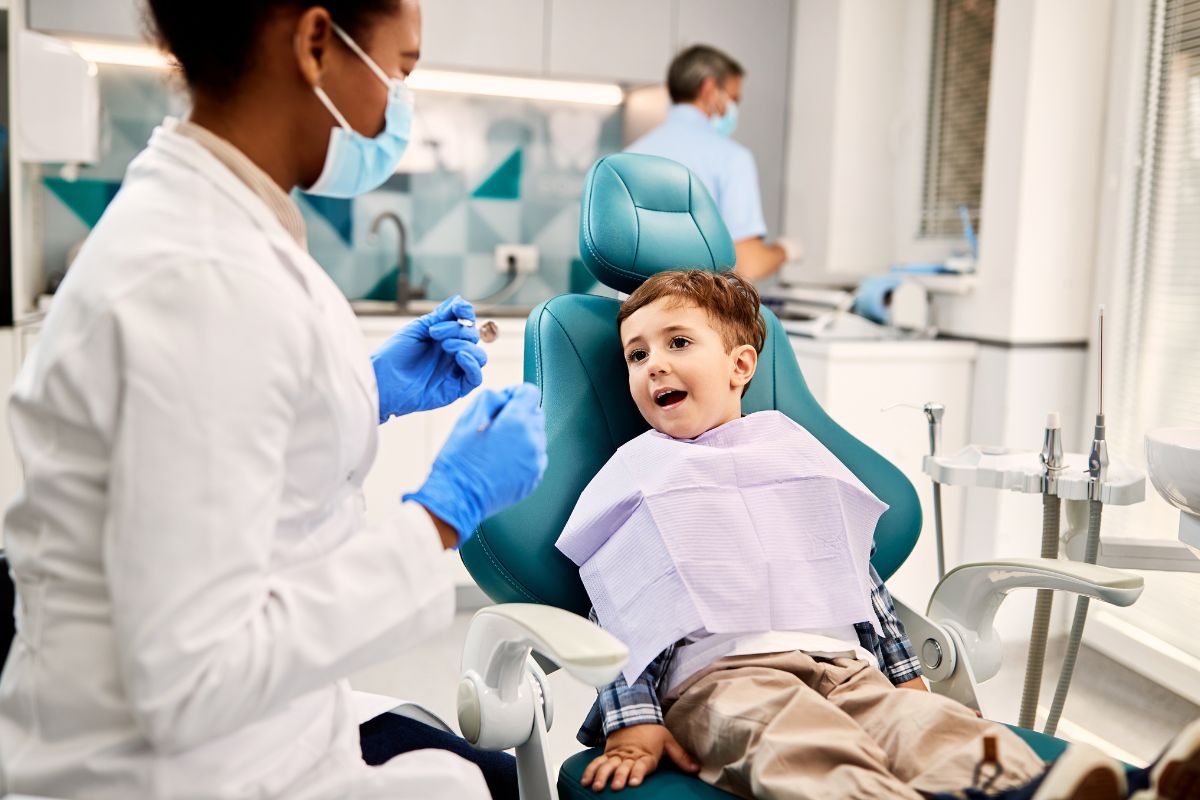
At Crabapple Pediatric Dentistry & Orthodontics, Dr. Allison Petty provides children’s dental care with a focus on making visits positive, comfortable, and stress-free.
This approach can help children develop a healthy relationship with dental care from an early age.
When Should Parents Consider an Orthodontic Evaluation?
Parents do not have to wait until every permanent tooth appears before discussing orthodontic development.
An early orthodontic evaluation can help identify potential alignment or bite concerns while the jaws and smile continue developing.
The American Association of Orthodontists recommends an initial orthodontic checkup by age seven.
An evaluation does not mean your child automatically needs treatment.
Instead, the orthodontist may recommend:
- Monitoring growth
- Waiting for additional adult teeth to appear
- Early treatment
- Treatment later during adolescence
- No orthodontic treatment at that time
The appropriate recommendation depends on the child’s individual development.
Common Questions Parents Ask
Are permanent teeth supposed to look more yellow?
Adult teeth can naturally appear slightly more yellow or creamy than primary teeth. This difference often becomes noticeable when both types appear together.
However, sudden discoloration, pain, or unusual changes should receive professional attention.
Is it normal for adult teeth to look crooked at first?
Some unevenness can occur as adult teeth emerge. The smile continues changing as additional teeth appear and the jaws develop.
Still, significant crowding or unusual eruption patterns deserve evaluation.
What happens if a baby tooth does not fall out?
Sometimes a primary tooth remains longer than expected. If the adult replacement begins emerging while the primary tooth remains, a dentist or orthodontist should evaluate the situation.
Does every child need orthodontic treatment?
No. Children develop at different rates, and not every child requires orthodontic treatment.
An evaluation helps determine whether treatment would benefit your child’s specific smile and bite.
Helping Your Child Through the Transition
The change from a child’s first smile to an adult smile can feel exciting, but it can also create questions for parents.
You can make the process easier by talking positively about normal dental changes.
Explain that:
- Loose teeth are part of growing up.
- Adult teeth are larger than primary teeth.
- Gaps may appear temporarily.
- Some unevenness can occur during development.
- Regular dental care helps monitor the changes.
Avoid making your child feel worried about the appearance of their smile during this natural stage.
Instead, focus on healthy habits and confidence.
A Personalized Approach to Your Child’s Growing Smile
Every child’s dental timeline looks slightly different. Some children develop their first tooth early, while others take longer. Some lose primary teeth right around the expected age, while others follow a slightly different schedule.
What matters most is tracking your child’s development over time.
At Crabapple Pediatric Dentistry & Orthodontics in Alpharetta, Dr. Allison Petty provides compassionate pediatric dental care and focuses on making children’s visits enjoyable and stress-free. The practice also offers orthodontic care, with Dr. Javid Yavari helping patients work toward healthy, beautiful smiles and greater confidence.
Having pediatric dentistry and orthodontic services available in one practice can make it easier for families to understand how oral development changes from early childhood through adolescence.
Final Thoughts on Baby Teeth vs. Permanent Teeth
Understanding baby teeth vs. permanent teeth gives parents a helpful framework for following their child’s smile as it develops. Primary teeth usually begin appearing during infancy, while the transition toward adult teeth often begins around age six and continues through the teenage years.
Remember that the timeline provides a general guide, not a strict schedule. Your child’s development may happen earlier or later than another child’s, and that does not automatically indicate a problem.
The most important steps include maintaining good oral hygiene, protecting primary teeth, keeping regular dental appointments, and discussing unusual eruption, spacing, crowding, or bite concerns with a dental professional.
At Crabapple Pediatric Dentistry & Orthodontics, Dr. Allison Petty provides personalized pediatric dental care, while Dr. Javid Yavari provides orthodontic care focused on healthy smiles and patient confidence.
If you want professional guidance as your child’s smile changes, schedule your appointment at Crabapple Pediatric Dentistry & Orthodontics in Alpharetta to discuss your child’s dental development and ongoing care.