770-664-1999

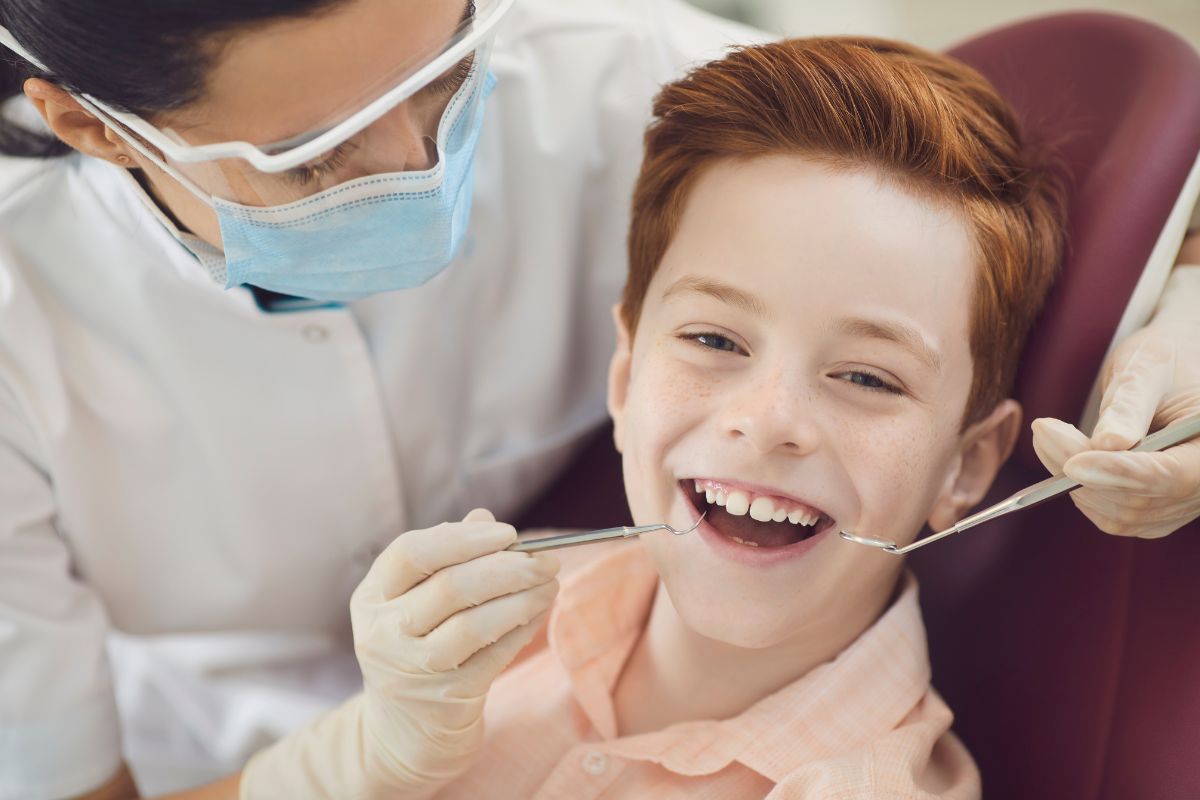
Choosing orthodontic treatment for your teen can feel like a big decision. When comparing braces vs invisalign, parents often want to know which option is more comfortable, easier to maintain, and better suited to their child’s daily routine. Both treatments can help straighten teeth and improve bite alignment, but each option works differently.
For families in Alpharetta, Crabapple Pediatric Dentistry & Orthodontics provides dental and orthodontic care designed with children and teens in mind. The practice understands that teenagers have busy schedules filled with school, sports, activities, and social events. Therefore, choosing an orthodontic option should consider more than just how the treatment looks.
The right choice depends on your teen’s orthodontic needs, maturity, lifestyle, and ability to follow treatment instructions. Understanding the differences between braces and Invisalign can help parents and teens make a more informed decision.
How Braces and Invisalign Work
Both braces and Invisalign gradually move teeth into healthier positions. However, they use different methods to achieve those movements.
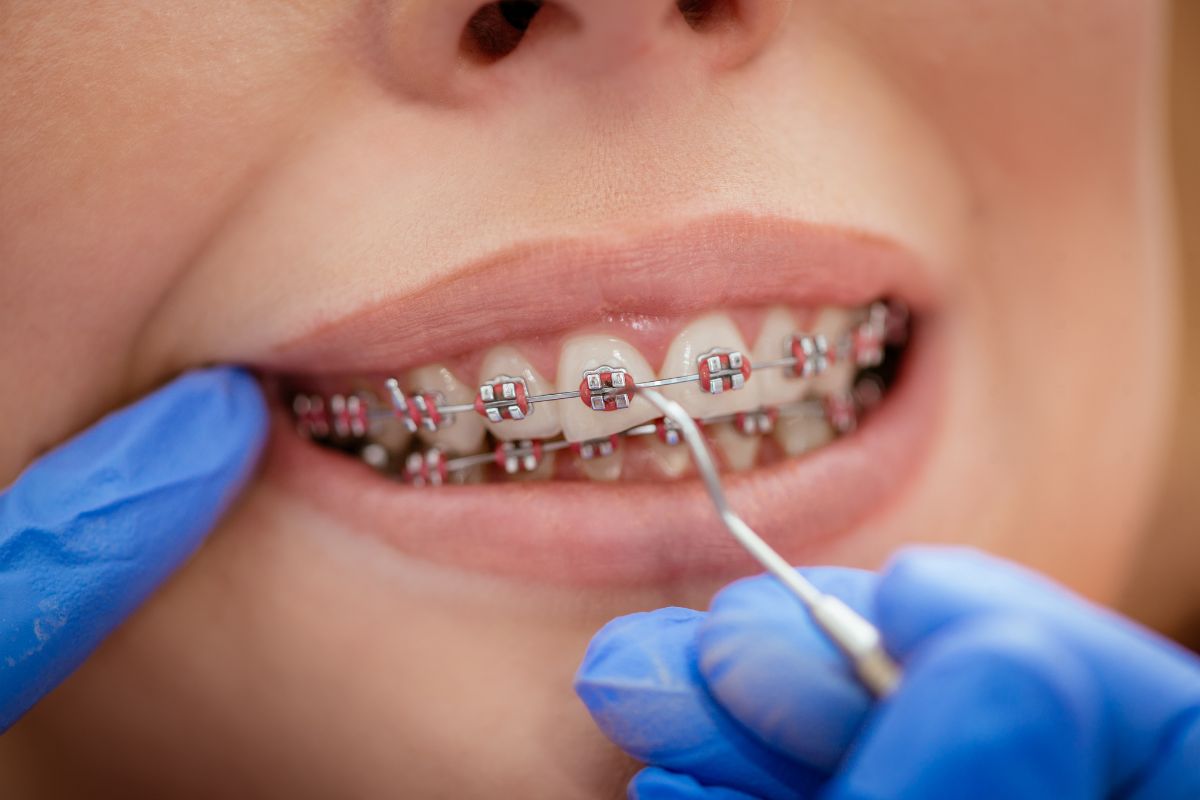
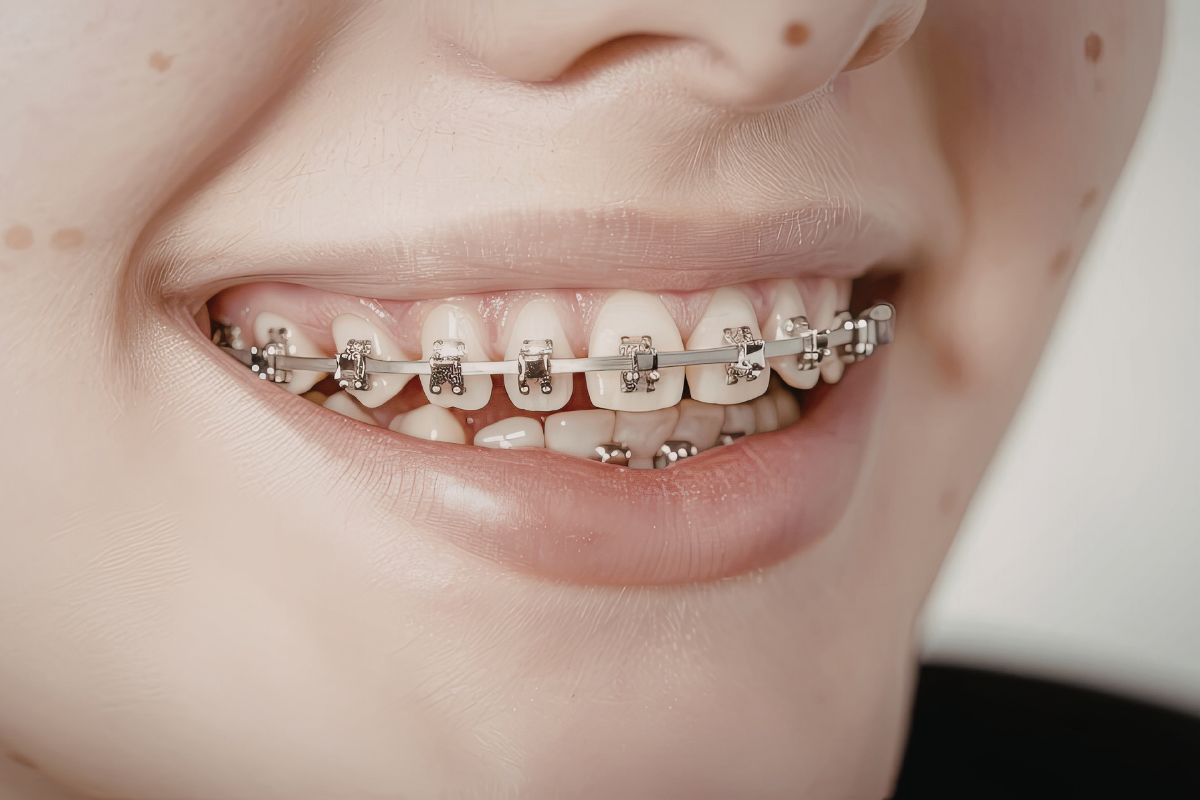
Traditional braces use brackets and wires attached to the teeth. The orthodontist adjusts the system during appointments to guide the teeth throughout treatment. Because braces remain attached to the teeth, teens do not have to remember to put them back after eating or other activities.
Invisalign uses a series of clear, removable aligners. Each set applies gentle pressure to guide the teeth according to the treatment plan. Teens can remove the aligners when eating and when brushing and flossing.
Orthodontic Treatment at Crabapple Pediatric Dentistry & Orthodontics
With orthodontic treatment at Crabapple Pediatric Dentistry & Orthodontics, parents and teens can discuss available treatment options with an experienced orthodontic team. Dr. Javid Yavari and Dr. Behnaz Yavari can evaluate a teen’s smile and help determine whether braces, Invisalign, or another orthodontic approach may be appropriate.
Because the practice focuses on pediatric dentistry and orthodontics, the team understands the unique needs of growing children and teenagers. Treatment recommendations can take the child’s development, dental health, and daily habits into account.
Braces vs. Invisalign: Which Looks Better?
For many teenagers, appearance matters.
Traditional braces are visible, although teens can personalize their appearance with different elastic colors. Some teenagers enjoy this aspect, while others prefer a more subtle treatment option.
Invisalign aligners are clear and designed to fit closely over the teeth. As a result, they can provide a more discreet appearance during school, social activities, photographs, and everyday conversations.
For teens who feel self-conscious about wearing braces, clear aligners may seem appealing. However, appearance should only be one part of the decision.
The most important question is whether the treatment can address the teen’s specific orthodontic needs and whether the teen can follow the required care routine.
Cleaning and Oral Hygiene During Treatment
Good oral hygiene becomes especially important during orthodontic treatment. Food particles and plaque can collect around orthodontic appliances, so teens need to maintain consistent brushing and flossing habits.
Braces require careful cleaning around brackets and wires. Teens may need additional tools or techniques to reach areas that are harder to clean.
With Invisalign, teens can remove the aligners before brushing and flossing. This allows them to clean their teeth without brackets or wires getting in the way.
However, removable aligners also require responsibility. Teens need to clean the aligners properly and put them back in as instructed.
Oral Hygiene With Braces
Teens wearing braces should:
- Brush carefully around brackets and wires.
- Floss every day.
- Clean hard-to-reach areas thoroughly.
- Follow the orthodontist’s cleaning recommendations.
- Avoid foods that could damage brackets or wires.
- Keep regular orthodontic appointments.
Oral Hygiene With Invisalign
Teens using Invisalign should:
- Remove aligners before eating unless instructed otherwise.
- Brush and floss before putting aligners back in.
- Clean aligners according to the orthodontist’s instructions.
- Store aligners safely when they are not being worn.
- Follow the recommended wear schedule.
- Avoid leaving aligners out for long periods.
Parents can help younger teens establish a routine so orthodontic care becomes part of their normal day.
Invisalign Requires Teen Responsibility
One of the biggest differences when comparing braces vs invisalign is that Invisalign can be removed.
This provides flexibility, but it also creates an important responsibility for teens. They need to wear the aligners for the recommended amount of time each day and remember to put them back after meals or brushing.
If a teen frequently forgets the aligners or leaves them out for extended periods, treatment may not progress as planned.
Braces offer a different advantage. Since they remain attached to the teeth, teens cannot accidentally leave them at home or forget to wear them.
For a responsible teenager who follows instructions consistently, Invisalign can be a convenient option. For a teen who struggles with routines, fixed braces may provide greater consistency.
Comfort and Everyday Activities
Both treatments can cause some temporary pressure or soreness as the teeth move.
With braces, teens may notice some sensitivity after adjustments. Brackets and wires can also feel unusual when treatment begins. Most children and teens gradually become comfortable with their braces.
Invisalign can also cause pressure when a new aligner is introduced. However, because the aligners do not use traditional brackets and wires, some teens may prefer how they feel during daily activities.
Comfort varies from child to child. An orthodontic evaluation can help parents understand what their teen may experience based on the recommended treatment.
Eating With Braces or Invisalign
Food choices are another consideration for families.
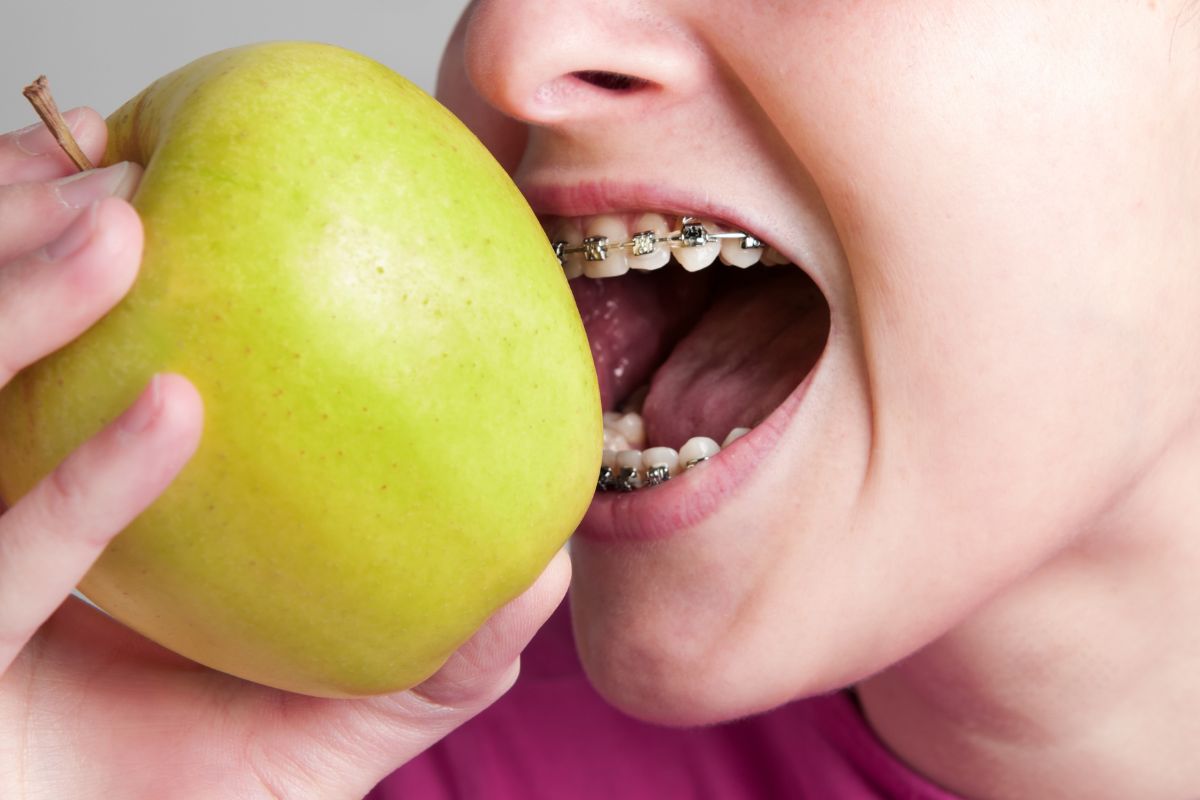
Teens with braces need to avoid or limit certain hard, sticky, and chewy foods because they can damage brackets or wires. This may require some changes to snacks and meals.
Invisalign offers more flexibility because the aligners can be removed before eating. Teens can enjoy meals without wearing their aligners and then brush their teeth before putting them back in.
However, this flexibility only works when the teen follows the treatment instructions. Frequently removing the aligners or forgetting to put them back in can affect treatment progress.
For busy teens, parents should consider whether their child is likely to follow the necessary routine consistently.
Braces and Invisalign for Active Teens
Teenagers often have packed schedules. School, sports, music, clubs, family activities, and social events can all affect how easy orthodontic treatment feels.
Invisalign can offer convenience because the aligners are removable. This can make meals and oral hygiene easier during busy school days.
Braces, however, require less daily decision-making because they remain in place. Teens simply need to follow the care instructions and protect their appliances during activities.
For teens who participate in contact sports, parents should discuss proper dental protection with the orthodontic team. A mouthguard may help protect the teeth and orthodontic appliances during sports.
Can Both Options Treat Crowded Teeth?
Yes, orthodontic treatment can address crowded teeth by creating a personalized plan to guide teeth into better positions.
However, the appropriate treatment depends on the individual child. The orthodontist considers tooth position, bite alignment, jaw development, available space, and the amount of movement required.
Some teens may be good candidates for clear aligners, while others may benefit from traditional braces or another orthodontic option.
That is why parents should not choose a treatment based only on what appears more convenient or popular. A professional evaluation is the best way to understand which option may work for the child.
Which Option Is Easier for Parents to Manage?
Parents often play an important role in helping younger teenagers stay on track with orthodontic treatment.
With braces, parents mainly need to help their child maintain good oral hygiene, follow food recommendations, attend appointments, and report problems with brackets or wires.
With Invisalign, parents may also need to help their teen remember to wear, remove, clean, and store the aligners correctly.
The best option depends partly on the child’s level of independence.
Consider Your Teen’s Daily Habits
Before choosing treatment, parents can consider:
- Does your teen follow daily routines without frequent reminders?
- Will your teen consistently wear removable aligners?
- Does your teen participate in sports?
- Is your teen comfortable wearing visible braces?
- Will your teen maintain good brushing and flossing habits?
- Does your teen frequently snack during the day?
- Can your teen keep track of removable aligners?
- Which treatment option does the orthodontist recommend for the child’s needs?
These questions can help families have a more useful conversation during an orthodontic consultation.
How Parents Can Support Orthodontic Treatment
Regardless of the treatment option, parents can make the experience easier for their teens.
Encourage your child to maintain regular brushing and flossing habits. Help them remember appointments and replace orthodontic supplies when needed. If your teen uses Invisalign, establish a simple routine for storing and cleaning the aligners.
It also helps to focus on the long-term benefit rather than temporary challenges. Orthodontic treatment requires commitment, but the habits developed during treatment can support better dental care as children grow.
Braces vs. Invisalign: Which Is Better for Teens?
So, when it comes to braces vs invisalign, which option is better for a teenager?
There is no single answer for every child. Braces may be a strong choice for teens who need a fixed orthodontic appliance or who may have difficulty keeping track of removable aligners. They also provide continuous treatment because they remain attached to the teeth.
Invisalign may suit responsible teens who want a more discreet option and can consistently follow instructions. Removable aligners can make eating and brushing easier, but they require the teen to stay committed to wearing them as recommended.
The orthodontist should consider the child’s dental development, bite, tooth alignment, treatment goals, and ability to follow instructions before recommending an option.
Why a Personalized Orthodontic Evaluation Matters
Every child’s smile develops differently. Two teenagers of the same age may have completely different orthodontic needs.
At Crabapple Pediatric Dentistry & Orthodontics, families can discuss orthodontic concerns with a team that provides pediatric dental and orthodontic care. Dr. Javid Yavari and Dr. Behnaz Yavari can evaluate the teen’s smile and explain the treatment options that may be appropriate.
The goal is not simply to choose between two popular treatments. Instead, the goal is to choose an approach that supports healthy tooth alignment, proper bite development, good dental hygiene, and a confident smile.
Choosing between braces vs invisalign involves more than comparing metal braces with clear aligners. Parents should consider their teen’s orthodontic needs, daily habits, maturity, hygiene routine, activities, appearance preferences, and ability to follow treatment instructions.
Braces provide a fixed option that does not depend on remembering to wear an appliance. Invisalign provides a discreet and removable alternative that can offer greater flexibility for responsible teens. Both options may be effective when properly selected and managed.
If your teen needs orthodontic care, schedule an orthodontic consultation with Crabapple Pediatric Dentistry & Orthodontics at the Alpharetta, GA, office to discuss whether braces or Invisalign may be the right choice for your child’s growing smile.