770-664-1999

Knowing the foods to avoid with braces can help your child protect their orthodontic appliances and keep treatment moving smoothly. At Crabapple Pediatric Dentistry & Orthodontics in Alpharetta, families receive personalized pediatric dental and orthodontic care designed to make treatment comfortable, positive, and easier to manage.
Getting braces can feel exciting for a child. A straighter smile is something to look forward to, but orthodontic treatment also brings a few new responsibilities. One of the biggest changes involves what your child eats. Certain foods can bend wires, loosen brackets, damage appliances, or become trapped around hard-to-clean areas.
Fortunately, your child does not have to give up every favorite snack. Instead, learning which choices can cause problems and finding simple alternatives can make daily life much easier.
Why Food Choices Matter During Orthodontic Treatment
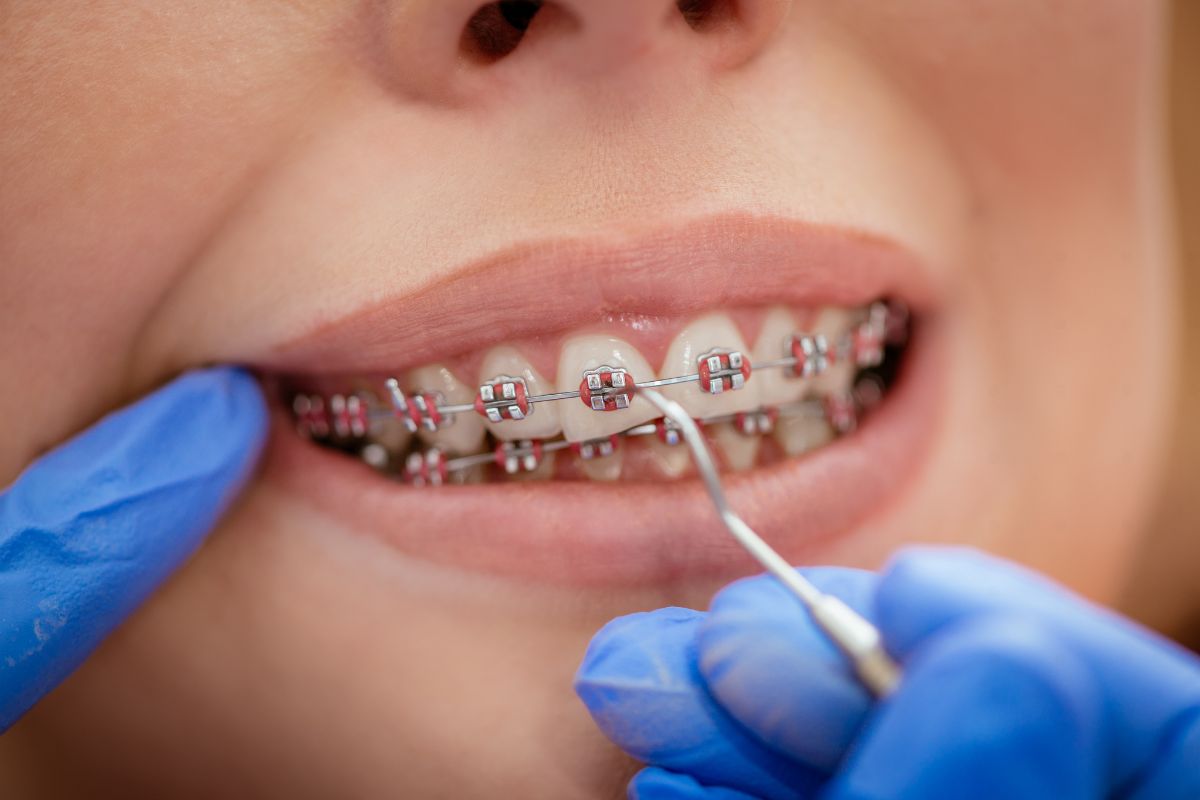
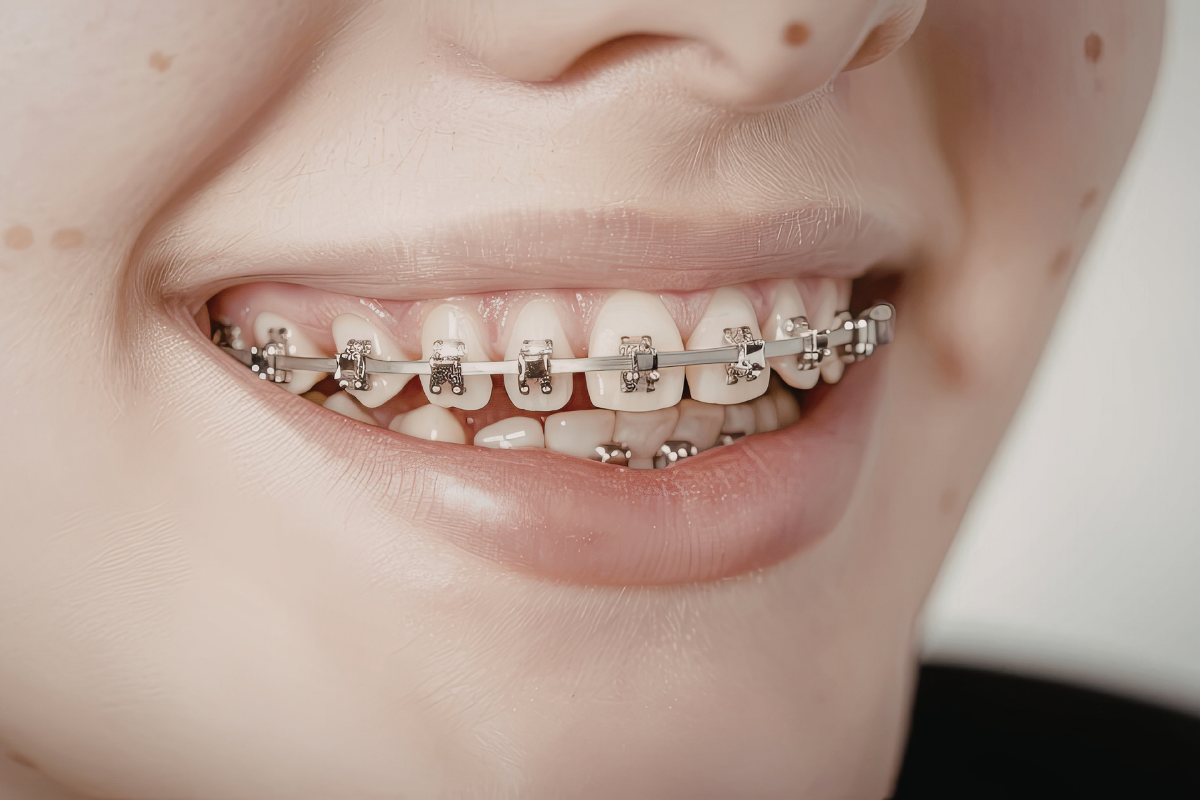
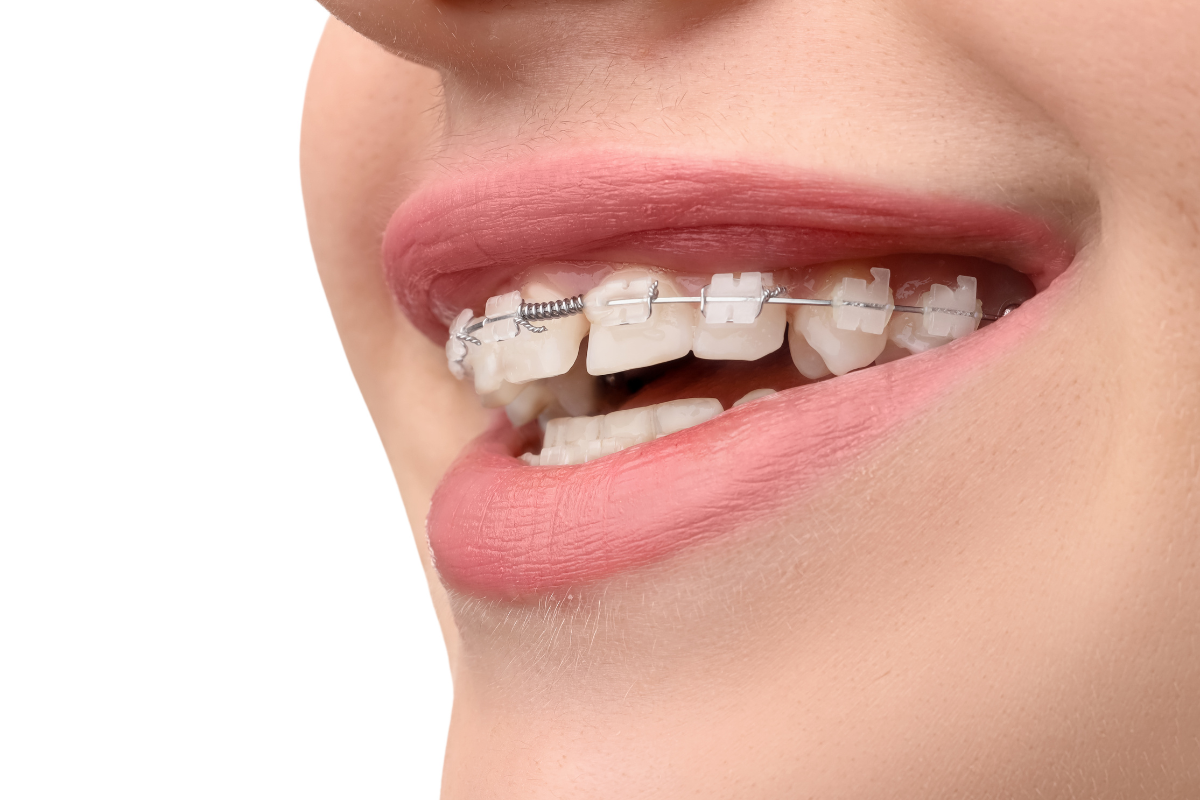
Orthodontic braces work by applying controlled pressure to gradually move teeth into better positions. Brackets attach to the tooth surface, while wires connect the brackets and help guide movement.
Because these components need to remain in good condition, what your child eats matters.
Hard, sticky, chewy, and crunchy items can place extra pressure on brackets and wires. Some can also leave behind particles that make brushing and flossing more difficult.
For families considering orthodontic braces in Alpharetta for their kid, Dr. Javid Yavari provides personalized orthodontic care with a focus on creating healthy, beautiful smiles and helping patients build confidence. His team can also explain which foods work best throughout treatment.
Hard Foods to Avoid With Braces
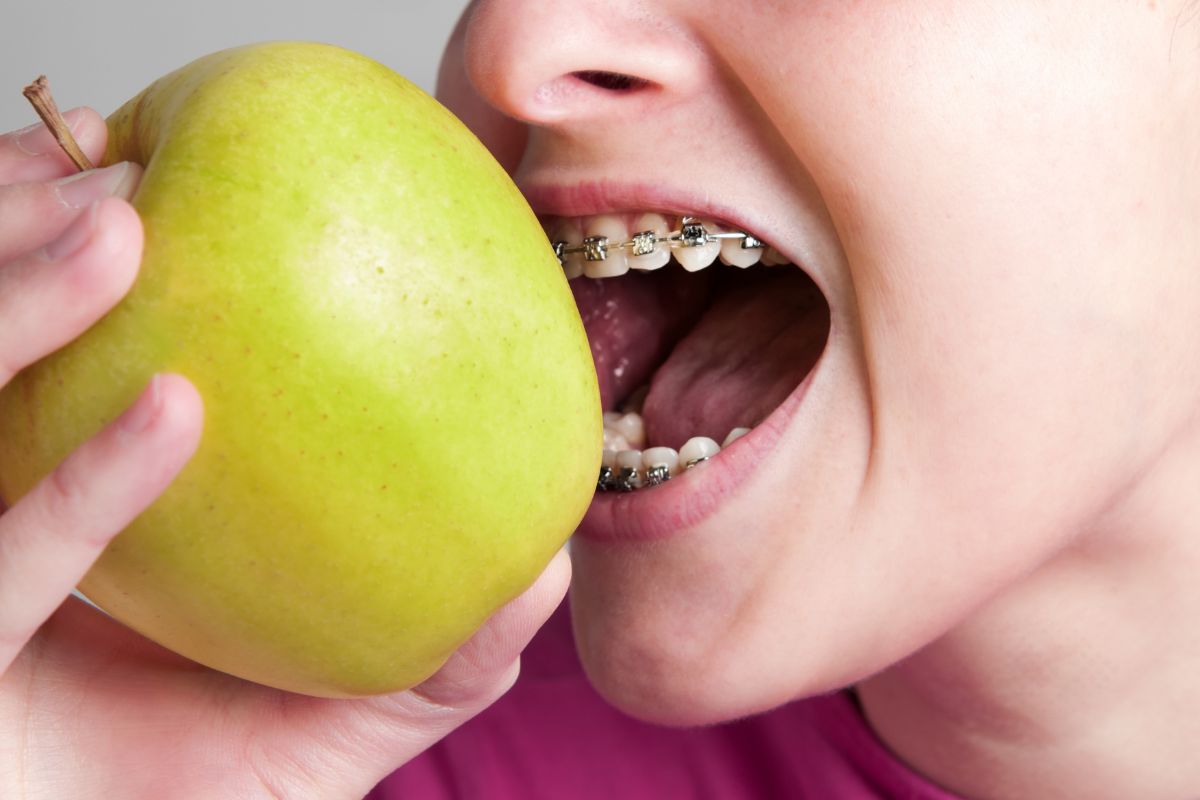
Hard foods can create sudden pressure on brackets and wires. Biting directly into something firm may cause a bracket to loosen or a wire to bend.
Children should generally avoid biting directly into hard items such as:
- Whole apples
- Raw carrots
- Hard pretzels
- Ice
- Hard candy
- Popcorn kernels
- Nuts
- Hard taco shells
- Thick, crunchy chips
- Very firm crusts
This does not mean your child can never enjoy these choices again. Preparation makes a big difference.
Cut Hard Fruits and Vegetables Into Small Pieces
Instead of asking your child to bite directly into a whole apple, cut it into thin slices or small pieces.
You can use the same approach with firm vegetables.
Small pieces reduce the amount of force needed to bite through them.
Good alternatives include:
- Thinly sliced apples
- Steamed carrots
- Soft cucumber pieces
- Cooked vegetables
- Soft berries
- Banana slices
This simple habit allows children to continue eating nutritious choices without placing unnecessary stress on their orthodontic appliances.
Sticky Candy Can Cause Problems
Sticky candy ranks high on the list of foods to avoid with braces.
Chewy sweets can wrap around brackets and wires. They may also pull against the appliance when your child tries to remove them.
Examples include:
- Taffy
- Caramels
- Gummy candy
- Fruit chews
- Chewy licorice
- Gummy bears
- Sticky toffee
- Bubble gum
These treats can make cleaning more difficult and may increase the chance of appliance damage.
Choose Softer Treats Instead
If your child wants something sweet, consider softer options that do not require prolonged chewing.
Depending on your orthodontist’s recommendations, alternatives may include:
- Yogurt
- Soft fruit
- Pudding
- Applesauce
- Smooth desserts
- Soft baked treats
Even softer sweets should remain occasional choices because frequent sugar exposure can increase the risk of cavities.
Avoid Chewing Ice
Ice may seem harmless because it melts, but chewing it can put significant pressure on orthodontic appliances.
Your child should avoid using ice as a snack or chewing habit during treatment.
If your child enjoys something cold and refreshing, let the ice melt rather than biting into it.
Why Ice Can Be Risky
Chewing hard ice can:
- Loosen brackets
- Bend wires
- Damage orthodontic components
- Cause discomfort
- Create an unexpected orthodontic appointment
A simple rule works well: ice is for cooling drinks, not for chewing.
Popcorn Requires Extra Care
Popcorn can create two problems.
First, unpopped kernels can put pressure on brackets and wires. Second, pieces of the hull can become stuck around appliances or between teeth.
For this reason, many orthodontic providers recommend avoiding popcorn during treatment.
If your child wants a movie-night snack, consider softer options that do not contain hard kernels.
Kid-Friendly Movie Snacks
Try:
- Soft fruit
- Yogurt
- Cheese
- Soft crackers, if recommended
- Cut sandwiches
- Smooth dips with appropriate soft foods
Making a few substitutions can help your child enjoy family movie nights without unnecessary orthodontic risks.
Crunchy Chips Can Be a Problem
Many children love crunchy chips, but thick or very hard varieties can place pressure on brackets.
The issue often comes from biting directly into a large, hard piece.
If your orthodontist allows certain softer varieties, your child may need to break them into smaller pieces rather than biting down forcefully.
Always follow the specific dietary instructions provided for your child’s appliance.
Avoid Hard Nuts
Nuts can be nutritious, but whole hard nuts may place too much pressure on orthodontic appliances.
Instead of giving your child whole nuts to chew, ask the orthodontic team about safer alternatives.
Depending on your child’s treatment plan, softer nut products may work better.
For example, smooth nut butter spread thinly on soft bread can provide a different way to enjoy similar flavors without the same hard texture.
Chewy Bread and Tough Meat Need Attention
Not every soft-looking meal is automatically orthodontic-friendly.
Very chewy bread, tough meat, and foods that require repeated pulling can make eating uncomfortable.
For example, your child may find tough steak or thick crusty bread difficult to chew.
Make Meals Easier
Try:
- Tender chicken
- Soft fish
- Ground meat
- Slow-cooked meats
- Soft pasta
- Rice
- Mashed potatoes
- Soups
- Soft tortillas
- Cooked vegetables
Cut meat into small pieces and remove tough parts before serving.
This approach can make meals easier while reducing excessive chewing.
Be Careful With Corn on the Cob
Corn on the cob can require direct biting, which may put pressure on brackets.
Instead of biting directly from the cob, cut the kernels off and serve them separately.
This small change can make a familiar side dish easier to eat during treatment.
Hard Pizza Crust Can Be Risky
Pizza is a popular kid-friendly meal, but very hard or thick crust can create problems.
Soft pizza may work better, depending on your orthodontic instructions.
Cutting the pizza into smaller pieces can also help your child avoid biting directly into a thick crust.
Simple Pizza Tips
Encourage your child to:
- Choose a softer crust
- Cut slices into smaller pieces
- Avoid extremely hard edges
- Chew carefully
- Clean their mouth afterward
The goal is not to remove every favorite meal. Instead, change how your child eats it when necessary.
Tough and Sticky Sandwiches
Sandwiches can usually fit into a braces-friendly routine, but very tough bread or sticky fillings may create challenges.
Choose softer bread and cut sandwiches into smaller sections.
Your child can then chew more comfortably without putting unnecessary pressure on brackets.
Sugary Snacks Need Moderation
Not every concern involves breaking a bracket.
Sugar can also affect oral health during orthodontic treatment.
Brackets and wires create additional areas where plaque can collect. If your child frequently consumes sugary snacks or drinks, bacteria can use those sugars and produce acids that attack tooth enamel.
Over time, this can contribute to cavities and white spots around brackets.
Watch Out for Frequent Sugar Exposure
Limit frequent consumption of:
- Soda
- Sweetened sports drinks
- Sugary juices
- Candy
- Cookies
- Cakes
- Sweetened cereals
- Sticky desserts
Water remains a simple everyday choice.
If your child has a sweet snack, encourage good brushing and cleaning habits afterward.
Foods and Drinks That Can Stain
Some foods and beverages may stain teeth or orthodontic components.
Common examples include:
- Dark-colored soda
- Coffee
- Tea
- Tomato-based sauces
- Certain strongly colored foods
For children, the bigger concern often involves sugary drinks rather than staining alone.
Encourage water throughout the day and follow the orthodontic team’s recommendations for beverages.
What Can Kids Eat With Braces?
Fortunately, there are many choices that work well during orthodontic treatment.
Your child’s meals can include soft and nutritious options such as:
Breakfast
- Scrambled eggs
- Oatmeal
- Yogurt
- Soft pancakes
- Smooth fruit
- Soft toast, depending on the treatment plan
Lunch
- Soft sandwiches
- Pasta
- Rice bowls
- Soup
- Soft vegetables
- Tender chicken
- Yogurt
Dinner
- Mashed potatoes
- Rice
- Pasta
- Soft fish
- Tender chicken
- Cooked vegetables
- Soft casseroles
Snacks
- Bananas
- Applesauce
- Yogurt
- Soft cheese
- Smooth nut butter
- Soft berries
- Other orthodontist-approved choices
A balanced diet remains important while your child receives orthodontic treatment.
How to Make Eating Easier for Your Child
Changing eating habits can feel difficult at first.
Children may complain when their favorite snacks suddenly become off-limits. Instead of focusing only on what they cannot eat, show them what they can enjoy.
Use Simple Food Preparation Tricks
Try these habits:
- Cut firm fruits into small pieces.
- Cook vegetables until they become softer.
- Remove meat from bones before serving.
- Cut sandwiches into smaller sections.
- Avoid hard crusts.
- Choose soft snacks for school.
- Keep braces-friendly options available at home.
Preparation often makes the biggest difference.
School Lunch Tips for Kids With Braces
School lunches can become challenging when children do not have many choices.
Pack simple foods that your child can eat comfortably.
Consider:
- Soft sandwiches
- Yogurt
- Applesauce
- Cut fruit
- Pasta
- Soft cheese
- Cooked vegetables
- Rice
- Tender chicken
Teach your child to avoid trading for very hard or sticky snacks without checking whether they are safe for their braces.
What Happens If a Bracket Breaks?
Even with careful eating, orthodontic appliances can sometimes become damaged.
If your child notices a loose bracket, broken wire, or another appliance problem, do not try to repair it at home.
Instead, contact the orthodontic team for guidance.
Crabapple Pediatric Dentistry & Orthodontics notes that broken orthodontic appliances can sometimes require professional attention, especially when a wire causes significant discomfort or an injury occurs.
Call the Orthodontic Team If Your Child Has:
- A loose bracket
- A broken wire
- A wire poking the cheek
- Significant discomfort
- A damaged appliance
- An injury involving the mouth
The orthodontic team can tell you what to do next.
Encourage Good Cleaning Habits
Avoiding risky foods is only one part of caring for a child’s smile during orthodontic treatment.
Daily cleaning matters just as much.
Brackets and wires can create extra spaces where plaque collects. Therefore, children need to take extra care when brushing and cleaning between their teeth.
A Simple Routine
Encourage your child to:
- Brush carefully around each bracket.
- Clean along the gumline.
- Brush for the amount of time recommended by the dental team.
- Clean between teeth as instructed.
- Rinse when appropriate.
- Keep regular orthodontic and dental appointments.
Parents may need to supervise younger children until they can clean their teeth effectively on their own.
Why Following Dietary Instructions Matters
Orthodontic treatment takes time. A broken bracket or damaged wire can interfere with your child’s treatment schedule and may require an additional appointment.
Following dietary instructions can help reduce avoidable problems.
At the same time, children should not feel as though braces prevent them from enjoying meals.
A better approach involves making smart substitutions and learning how to prepare favorite foods safely.
A Kid-Friendly Approach to Orthodontic Care in Alpharetta
Every child’s orthodontic journey is different. Some children adjust to braces quickly, while others need more time to change their eating habits.
At Crabapple Pediatric Dentistry & Orthodontics, Dr. Javid Yavari focuses on personalized orthodontic care and believes a healthy smile can improve a person’s confidence and self-esteem. The practice also provides pediatric dental care through Dr. Allison Petty, who focuses on positive, comfortable dental experiences for children.
This combination can help families address both everyday oral health and orthodontic needs as children grow.
Parents should also remember that dietary recommendations can vary depending on the type of appliance and your child’s specific treatment plan. Therefore, always follow the instructions provided by your orthodontic team.
Final Thoughts on Foods to Avoid With Braces
Learning the foods to avoid with braces does not mean your child has to give up every favorite meal or snack. The main goal is to avoid hard, sticky, chewy, and excessively crunchy choices that could damage brackets or wires.
Simple changes can make a big difference. Cut apples instead of biting into them whole, remove corn from the cob, choose tender meats, skip chewing ice, and replace sticky candy with softer alternatives.
At the same time, remember that good oral hygiene matters just as much as dietary choices. Brushing carefully, cleaning between teeth, limiting frequent sugary snacks and drinks, and keeping orthodontic appointments can help support a healthy smile throughout treatment.
At Crabapple Pediatric Dentistry & Orthodontics, Dr. Allison Petty provides gentle pediatric dental care, while Dr. Javid Yavari provides personalized orthodontic treatment for developing smiles.
If your child is starting or currently receiving orthodontic treatment, schedule your appointment at Crabapple Pediatric Dentistry & Orthodontics in Alpharetta to discuss their individual care and dietary needs.